
Last updated November 14, 2026
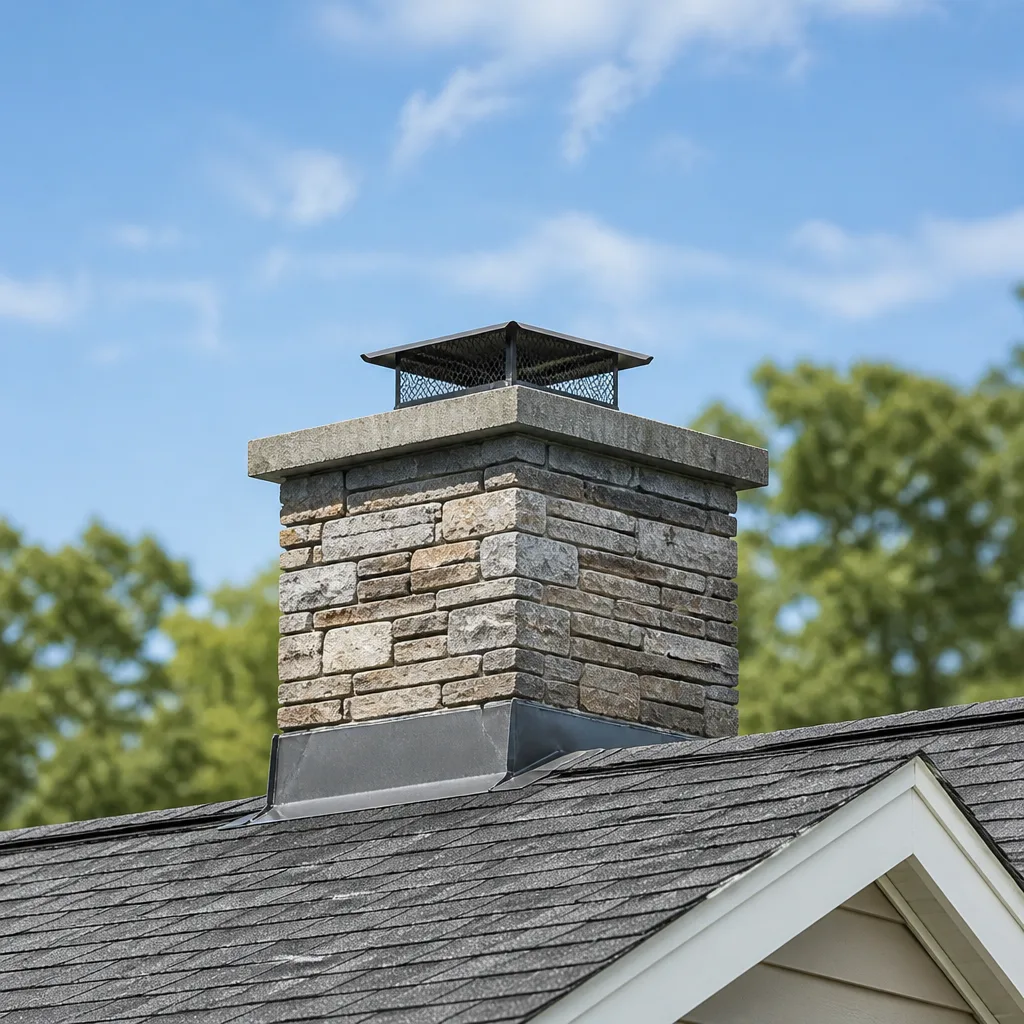 Sweep & inspection
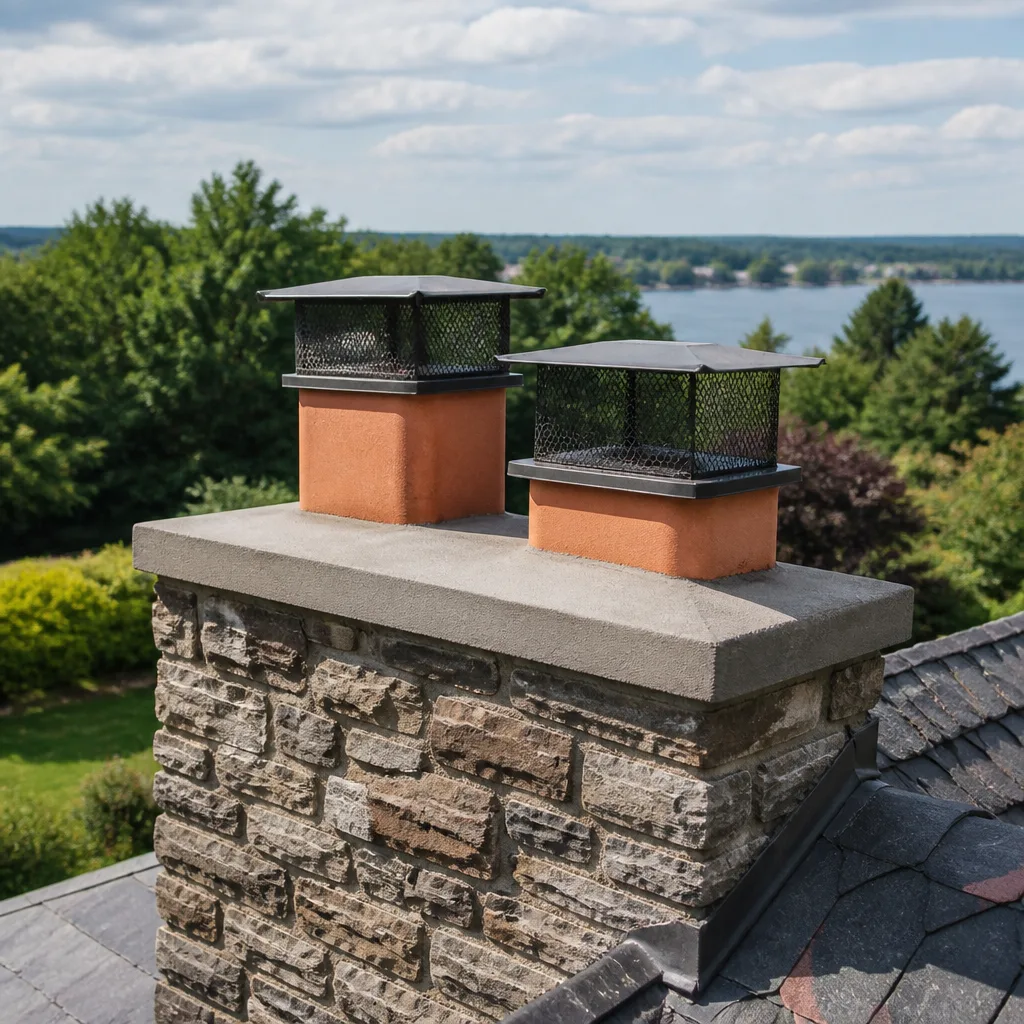 Caps & crowns
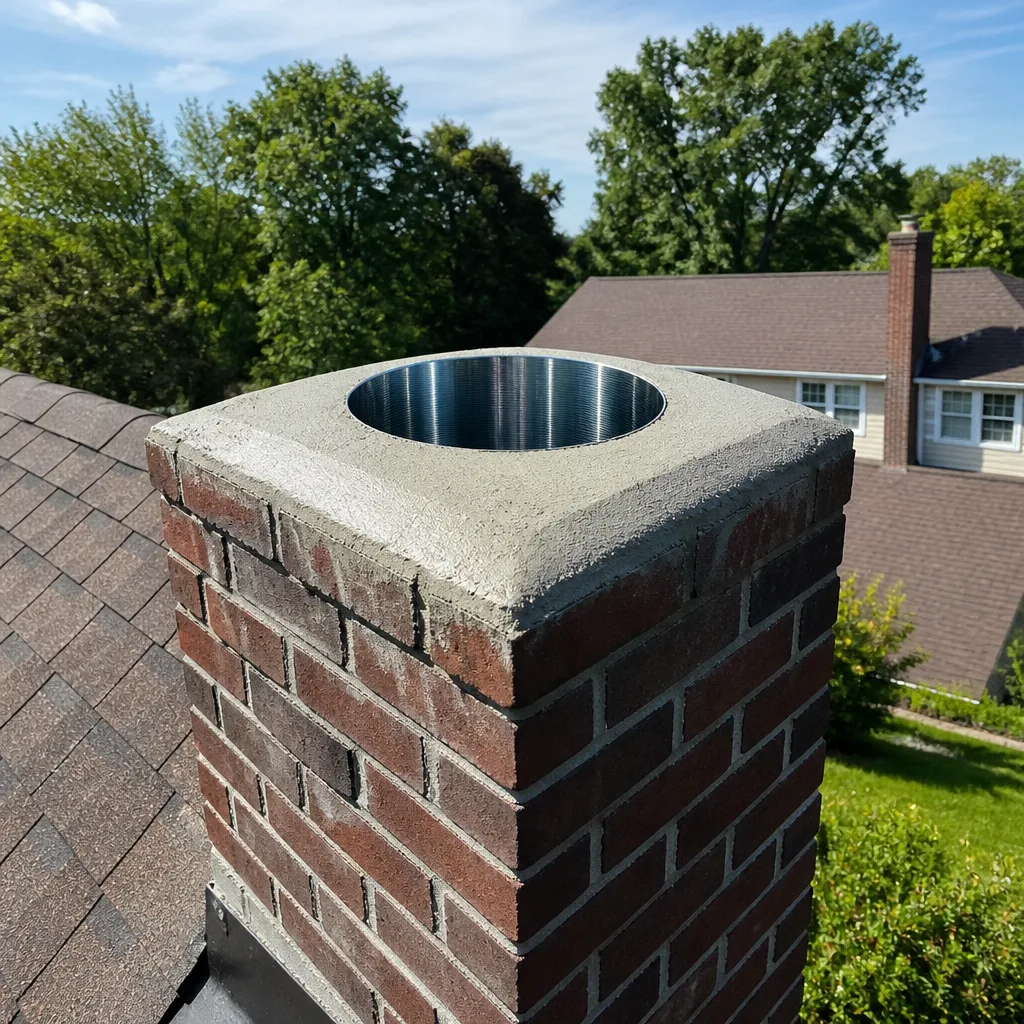 Flue relining
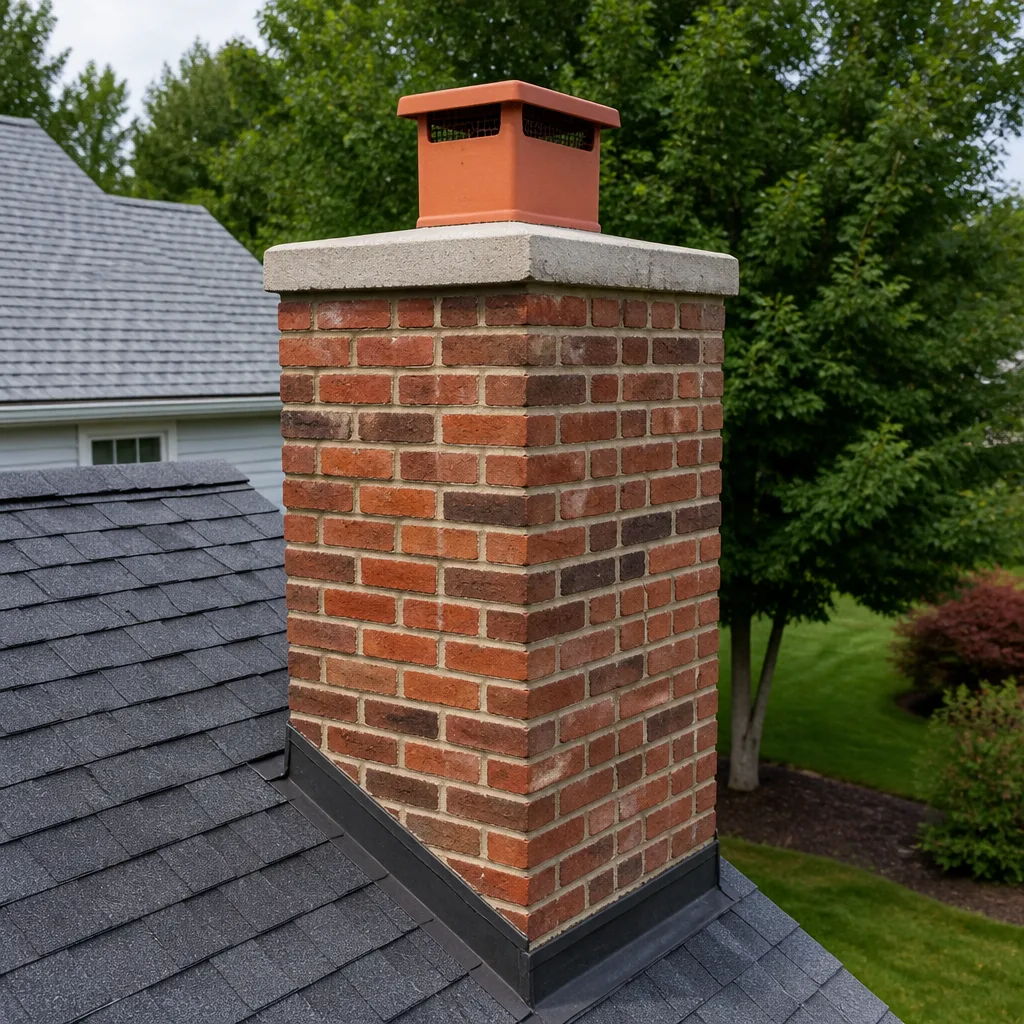 Masonry repair
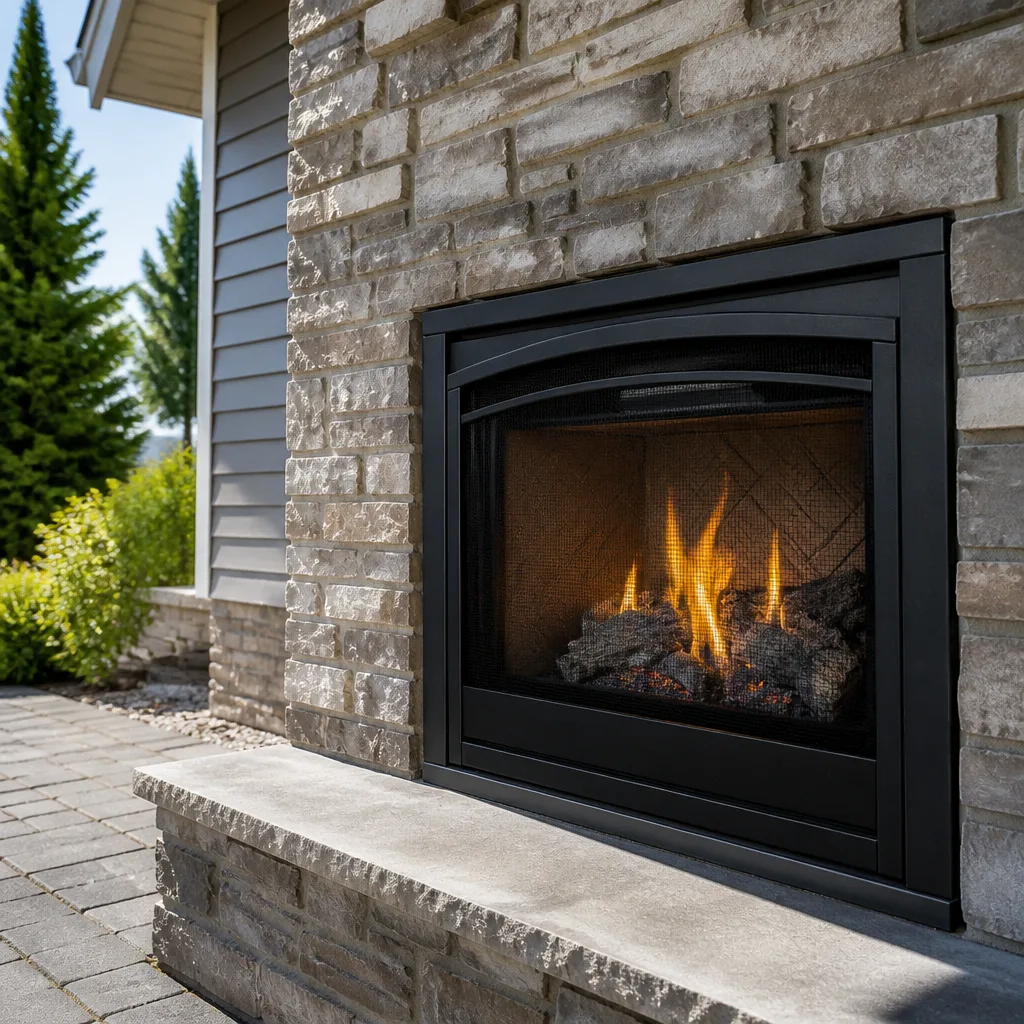 Gas fireplace service
Level 1 sweep and inspection to the NFPA 211 annual standard - flue, crown, cap, and flashing checked and photographed
Chimney sweep logs do not sweep chimneys. They loosen some creosote - which then falls where a brush and vacuum still have to collect it.
Chimney Cleaning Warning Signs: A Surprise Homeowner’s Reference Guide
Smoke smell and slow drafts are the warning signs everyone already knows. The ones that actually lead to structure fires are usually silent until they’re not. A chimney can be cracked, blocked, or coated in creosote for months while the fireplace still lights fine and the living room still smells normal. In Surprise, where winters are mild and fireplaces sit idle for long stretches, the two most damaging failure modes are ones most homeowners are never told to watch for: heat-cycling spalling on the masonry, and animal blockages that show up as a “slow draft” nobody connects to a nest. This guide walks you through every warning sign worth knowing, the ones you can check from the ground, and the ones that need a professional up top.
Quick Answer
The warning signs of a chimney that needs cleaning or repair fall into three groups: things you smell and hear (smoke backing up, a low roar during a burn), things you see outside (white staining, loose brick, rusted caps, missing screens), and things you notice about your gas appliance (pilot misbehavior, discoloration, CO detector patterns). Any single one of these is a reason to get the chimney inspected before the next fire. Silent signs like spalling and animal blockages are the ones that catch Surprise homeowners off guard.
Styles & brands we work with
- Sweep & inspection
- Caps & crowns
- Flue relining
- Masonry repair
- Gas fireplace service
Table of Contents
- The Silent Signs Most Homeowners Miss
- What a Chimney Fire Actually Sounds Like
- Why a Slow Draft Often Means a Blocked Cap
- The 5-Minute Exterior Check You Can Do From the Ground
- Efflorescence After Monsoon Season: What White Staining Means
- Gas Fireplace Warning Signs That Differ From Wood
- Creosote: The Warning Sign You Can’t See
- When to Schedule a Sweep in Surprise
The Silent Signs Most Homeowners Miss
Most chimney problem lists start with things you can smell: smoke in the room, a heavy creosote odor, a draft that pulls the wrong way. Those matter, and you shouldn’t ignore them. But in our experience, the calls that turn into real repair work almost always start with a sign the homeowner couldn’t perceive from the sofa. The chimney was quietly failing for months.
Here’s what that looks like in Surprise specifically. Because our winters are mild, wood-burning fireplaces tend to get used in bursts: a few cold evenings in December, a stretch around the holidays, then long gaps. Those gaps matter. Masonry and clay tile liners expand when they heat and contract when they cool, and repeated cycles of that stress eventually open up hairline cracks in the flue joints and the firebox. You won’t see those cracks from inside the house. You’ll see them when a camera goes down the flue.
The silent signs worth knowing:
- Hairline cracks in the flue tile or firebox joints. Invisible from the room. Visible on a camera inspection.
- Loose or missing mortar at the crown. Small gaps at the top let water in, and water is what drives most masonry failure in this climate.
- A cap screen that’s bent, torn, or missing. That’s the entry point for birds, squirrels, and nesting debris.
- Interior smoke staining on the firebox that’s darker on one side. That pattern usually points to a draft problem, not just a dirty firebox.
- A creosote glaze you can’t see. Stage 3 creosote looks like a hard, shiny coating inside the flue and is the most combustible form.
None of these announce themselves. That’s the point of this section. If you’ve been burning wood in a Surprise home for a few winters without an inspection, the absence of obvious symptoms doesn’t mean the chimney is fine. It means the symptoms haven’t reached the room yet.
What a Chimney Fire Actually Sounds Like
A chimney fire does not announce itself with an explosion. The sound people describe most often is a low, rumbling roar, like a distant train or a large burner firing up, coming from the chimney rather than the firebox. Some homeowners hear a series of pops or a rushing, whooshing noise. Others hear nothing at all and only notice the fire behaving strangely. That’s why chimney fires get missed.
If you suspect one, the first 60 seconds matter. Here’s the sequence:
- Stop adding fuel. Do not open the firebox door to look. Opening the door feeds oxygen to a fire that’s already burning in the flue.
- Get everyone out of the house and call 911. Even if you’re not sure, call. A chimney fire can spread into the attic or roof structure before you see flames.
- If you have a chimney fire extinguisher or a Class A extinguisher nearby and the fire is small, use it from a safe distance. Never climb on the roof to fight a chimney fire yourself.
- Close the damper only if you can do it safely from outside the firebox. The goal is to cut the air supply to the flue without exposing yourself to a flash.
- After the fire department clears the house, do not use the fireplace again until a professional inspects the flue. A fire that burned hot enough to roar almost always leaves damage behind.
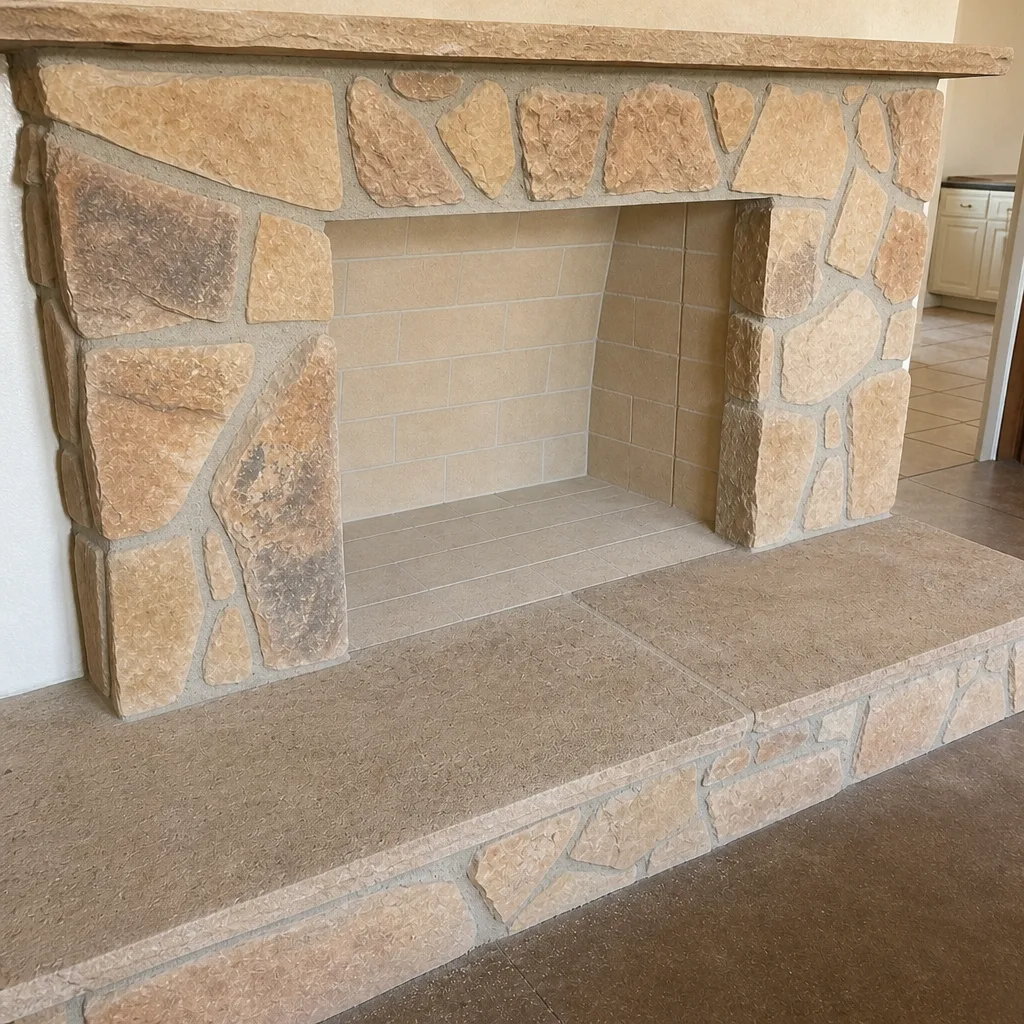
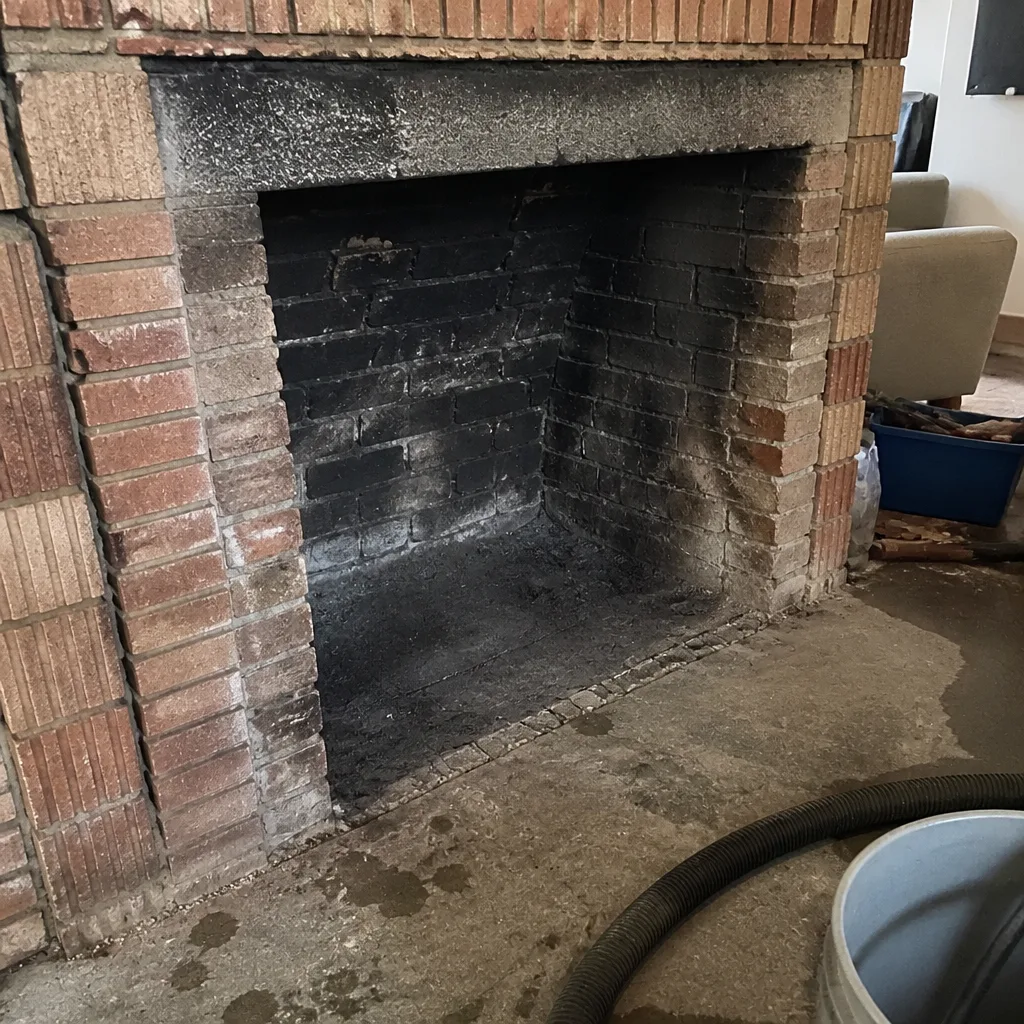
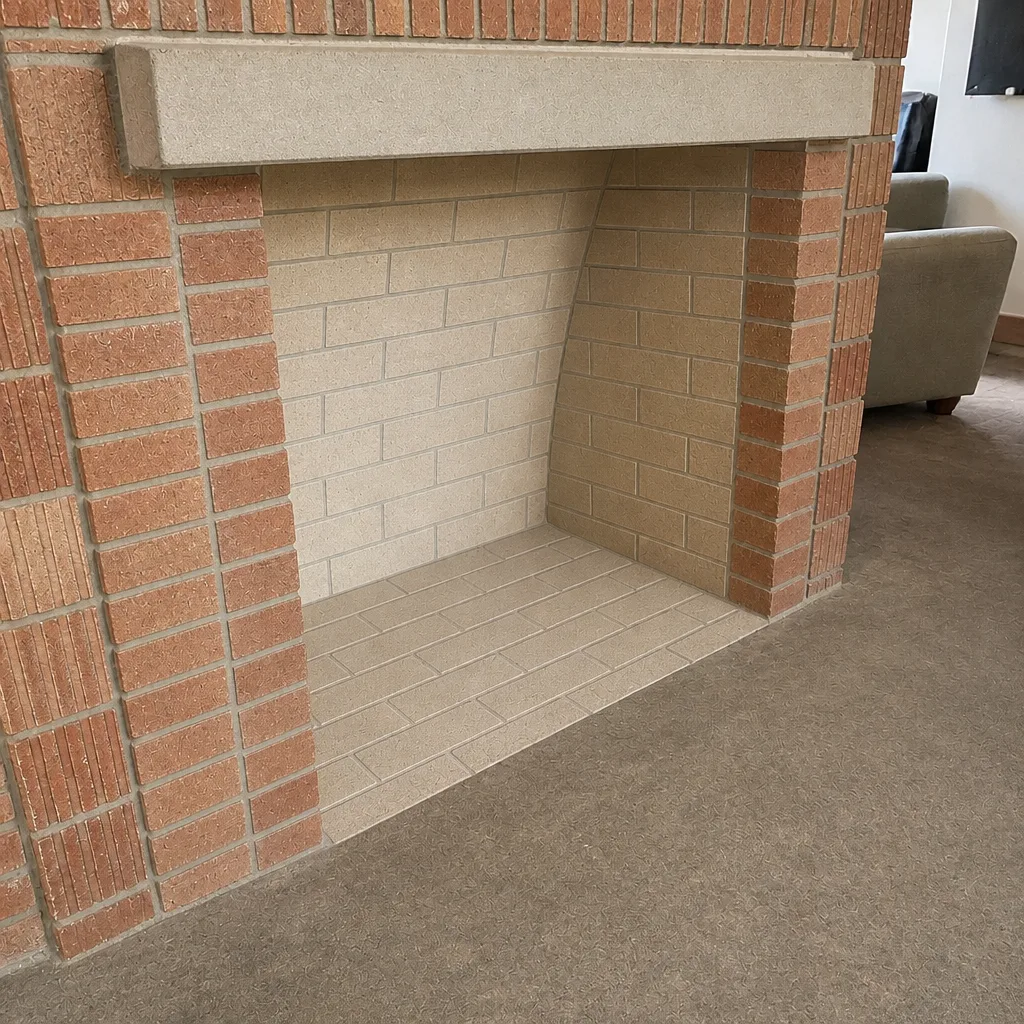
The damage a chimney fire leaves behind is often structural. Cracked flue tiles, warped dampers, and glazed creosote that has fused to the liner all need to be addressed before the next fire. This is also where a repair capability matters: crack repair with a HeatShield system can restore deteriorated flue joints without a full tear-out, which is the difference between a repair and a rebuild. Our technicians have up to 9 years of experience and have seen what these fires leave behind. The pattern is consistent.
Why a Slow Draft Often Means a Blocked Cap
A fireplace that used to draw well and now smokes into the room or feels sluggish is usually not suffering from a flue sizing problem. In Surprise homes, the more common culprit is a blocked or partially blocked chimney cap. The cap has a screen, and that screen fills up with nesting material, leaves, twigs, or a bird that got in and couldn’t get out. The flue itself is fine. The cap is the problem.
Here’s what makes this tricky. A partially blocked cap can produce a draft that’s just weak enough to notice, not weak enough to send you looking. You might get a little smoke spill on a cold start, then it clears. You might smell a faint musty or acrid odor when the fireplace isn’t running. You might assume the wood is damp or the damper isn’t open all the way. Meanwhile the blockage is sitting right on top of the flue.
The signs a blocked cap is behind a slow draft:
- The draft was fine last season and now isn’t.
- Smoke rolls out on startup but the fire eventually catches and draws okay.
- You hear scratching, fluttering, or chirping from the chimney, especially in the morning.
- You can see nesting material, twigs, or debris on top of the cap from the ground.
- The fireplace smells musty when it’s cold and the damper is closed.
Animal blockages are also a carbon monoxide risk if you’re running a gas appliance, because a blocked flue can push exhaust back into the house. A screen that’s intact will prevent most of this. A screen that’s torn, bent, or missing won’t. When we’re on a chimney sweep, checking the cap and the screen is part of the job, and if we find a blockage we clear it and tell you what we saw.
The 5-Minute Exterior Check You Can Do From the Ground
You don’t need a ladder and you shouldn’t climb one. Most of the visible warning signs can be caught standing in the yard with your phone in hand. Take five minutes once a season, ideally in late fall before the first fire and again after monsoon season, and walk the exterior of the chimney from a safe distance.
- Look at the cap and screen. Is the screen intact and firmly attached? Is there debris, nesting material, or anything perched on top? Is the cap itself rusted or loose?
- Scan the crown. The crown is the concrete or mortar top of the chimney. Look for cracks, crumbling edges, or a crown that’s pulling away from the flue tile.
- Check the brickwork for white staining. That white, chalky bloom is called efflorescence, and it’s a sign water is moving through the masonry. We cover this in detail in the next section.
- Look for loose or spalling brick. Spalling is when the face of the brick flakes off or pops. It’s common after heat cycling and it’s a sign the masonry is under stress.
- Check the flashing where the chimney meets the roof. Lifted, cracked, or missing flashing lets water run down the chimney and into the attic.
- Look down the sides of the chimney for dark streaking. Vertical stains usually mean water is tracking down the outside of the masonry, often from a failed crown or flashing.
- Check the firebox and damper area inside, if you can safely. Look for dark staining on the face of the fireplace, cracked firebrick, or a damper that doesn’t open and close smoothly.
In our experience, this five-minute walk catches the majority of visible problems before they turn into expensive repairs. It won’t catch cracked flue tiles, glazed creosote, or a failed liner. Those need a camera. But it will catch the moisture intrusion, the missing cap, and the spalling masonry that drive most of the repair work we see in Surprise.
Efflorescence After Monsoon Season: What White Staining Means
If you see a white, chalky, or powdery bloom on the exterior brick of your chimney after monsoon season, that’s efflorescence, and it’s a warning sign worth taking seriously. Efflorescence itself is a salt deposit left behind when water moves through the masonry and evaporates. The salt is harmless. What it tells you is that water is getting in and getting out through the brick, which means something upstream is failing.
In Surprise, the monsoon season is the trigger. The rain comes hard and fast over a short window, and masonry that would shrug off a gentle drizzle gets soaked. Then the heat comes back and pulls that moisture out through the brick face. Over a few seasons, that cycle degrades the masonry itself. In our climate you won’t see the freeze-thaw damage that colder parts of the country deal with, but you will see spalling, crumbling mortar joints, and eventually brick faces that crack and peel.
What to look for, and what each pattern usually means:
- A light, uniform white bloom that brushes off. Early efflorescence. Water is moving through, but the masonry hasn’t failed yet. Check the crown and flashing.
- Heavy white staining concentrated near the top. Usually points to a cracked crown or a failed cap letting water down the flue.
- Staining concentrated near the roofline. Usually flashing. The chimney is wicking water from where it meets the roof.
- White bloom plus spalling brick faces. The masonry is already failing. This is beyond “watch it” territory.
The fix isn’t to seal the efflorescence away. It’s to find the water path and stop it. A lot of the repair work we do on Surprise chimneys starts here: a crown repair, new flashing, a cap that’s correctly sized and screened. The masonry itself often recovers once the water source is closed off. Left alone, efflorescence progresses into spalling, and spalling into structural repair. If you’re seeing white staining, that’s your cue to get an inspection. The Chimney Sweep Surprise team can take a look before the next monsoon season, and you’ll have a clear picture of what’s going on.
Gas Fireplace Warning Signs That Differ From Wood
Gas fireplaces and gas inserts produce warning signs that are different from what you’d see with a wood-burning fireplace, and a lot of homeowners don’t know what to watch for. The fire is cleaner and there’s no creosote, but that doesn’t mean the venting is maintenance-free. Gas appliances still have a flue, and that flue still has to draft correctly.
The signs that matter:
- Pilot behavior. A pilot that won’t stay lit, lights intermittently, or has a lazy, uneven flame is telling you something. It could be the thermocouple, it could be a draft problem pushing air back down the flue, or it could be a venting issue. It deserves a professional look.
- Discoloration around the firebox. Soot streaks, dark staining, or a brownish film on the surround or the wall above the firebox suggests the flame is impinging or the venting isn’t pulling correctly. That’s a venting problem, not a cosmetic one.
- CO detector patterns. If your carbon monoxide detector has gone off, or if it’s been showing intermittent readings that clear on their own, treat it as a venting warning. Don’t reset it and move on. Turn the appliance off, ventilate the home, and get the flue checked.
- Condensation on the glass. Some condensation is normal on startup. Persistent fogging or water droplets that don’t clear once the fire is running can point to a venting issue.
- A musty or metallic smell when the fireplace is off. That’s often exhaust coming back down the flue because the draft has reversed, which in Surprise homes is frequently a blocked cap or a competing exhaust fan pulling the draft the wrong way.
The reason this matters: gas fireplaces produce carbon monoxide, and a blocked or cracked flue that would show up as “slow draft” in a wood fireplace can show up as a CO event in a gas one. A blocked cap doesn’t care what kind of fire you have. A camera inspection on a gas flue is just as important as it is on a wood flue.
Creosote: The Warning Sign You Can’t See
Creosote is the residue left behind by wood smoke, and it’s the single biggest reason a chimney fire starts. It builds up in three stages. Stage 1 is a light, flaky soot that brushes off easily. Stage 2 is a denser, crusty deposit. Stage 3 is a hard, glazed, tar-like coating that’s highly combustible and won’t come off with a standard brush. You can’t tell which stage you have by looking up the firebox. You need a camera or a proper sweep.
What drives faster creosote buildup:
- Burning wet or unseasoned wood. Wet wood produces more smoke, and smoke is what deposits as creosote.
- A cool or smoldering fire. A fire that’s damped down to burn slowly and last all evening produces more creosote than a hot, clean fire.
- A restricted draft. If the flue isn’t drawing well (see the blocked cap section), smoke lingers and coats the flue.
- Long gaps between fires. In Surprise, a fireplace that gets used a few evenings a season and then sits idle can build up a surprising amount of creosote in a short time because each fire tends to run cool on a cold flue.
The general rule in the trade is that a chimney should be swept when the creosote layer reaches about 1/8 inch, and inspected once a year. In a mild-climate home with intermittent use, we often find that a once-a-year inspection is the right cadence even when the fire hasn’t burned much. The inspection is what tells you whether the chimney needs a sweep, a repair, or nothing at all. Our technicians have up to 9 years of experience and will tell you plainly when the chimney is fine and can wait. If you’d like a camera inspection and photo report, the dryer vent cleaning team is part of the same operation, so we can often look at both venting systems on the same visit.
When to Schedule a Sweep in Surprise
The best time to schedule a chimney sweep in Surprise is before the first cold snap, not after. Once temperatures drop and the fireplace starts getting used, the calendar fills up and a chimney with a genuine problem is much harder to get to quickly. The second-best window is right after monsoon season, when the exterior check is most revealing and moisture damage is easiest to catch before it spreads.
Here’s how to think about timing:
- Annual inspection. Once a year, before the first fire of the season. This is the baseline.
- Sweep when the creosote layer reaches 1/8 inch, or when the inspection says so. Not on a fixed calendar. A light-use fireplace might not need a sweep every year, and a heavily used one might need more than one.
- After monsoon season. Run the five-minute exterior check. If you see efflorescence, spalling, or a loose cap, schedule an inspection before the next rain.
- After any suspected chimney fire. No exceptions. A fire needs a professional inspection before the fireplace is used again.
- Before selling or buying a home. A camera inspection gives you a baseline on a chimney you don’t have history with.
- When you notice any of the warning signs in this guide. Slow draft, smoke spill, new odors, CO detector patterns, or anything that’s changed since last season.
We serve homeowners across Surprise and the surrounding area, and we answer the phone when you call. We answer 24/7. Fast dispatch from 7am to 7pm, Sunday through Friday.
Common Mistakes to Avoid
- Assuming a mild winter means the chimney is fine. Surprise’s climate is gentle enough that fireplaces sit idle for long stretches, and that’s exactly when silent damage (cracked flue joints, blocked caps, glazed creosote) builds up unnoticed.
- Burning wet or unseasoned wood to save money. Wet wood deposits far more creosote than seasoned wood, and in a desert climate the creosote can glaze faster than you’d expect because each fire runs cool on a cold flue.
- Ignoring white staining on the exterior brick. Efflorescence is a sign water is moving through the masonry. Left alone after a monsoon season, it progresses into spalling and then structural repair.
- Treating a slow draft as a flue sizing problem. In Surprise, the more common cause is a blocked or partially blocked cap from nesting debris. Sizing is rarely the issue on a chimney that used to draw fine.
- Resetting a CO detector without investigating. A CO event on a gas fireplace is a venting warning. Reset it and the underlying flue problem is still there.
- Hiring a sweep who won’t show you the camera footage. If the recommendation is for a repair or a liner, you should be able to see what the technician is seeing. Any sweep worth hiring will walk you through the photos.
- Waiting until the first cold week to book. The window before the season fills up fast. Booking an inspection in early fall gives you time to fix any findings.
See the difference
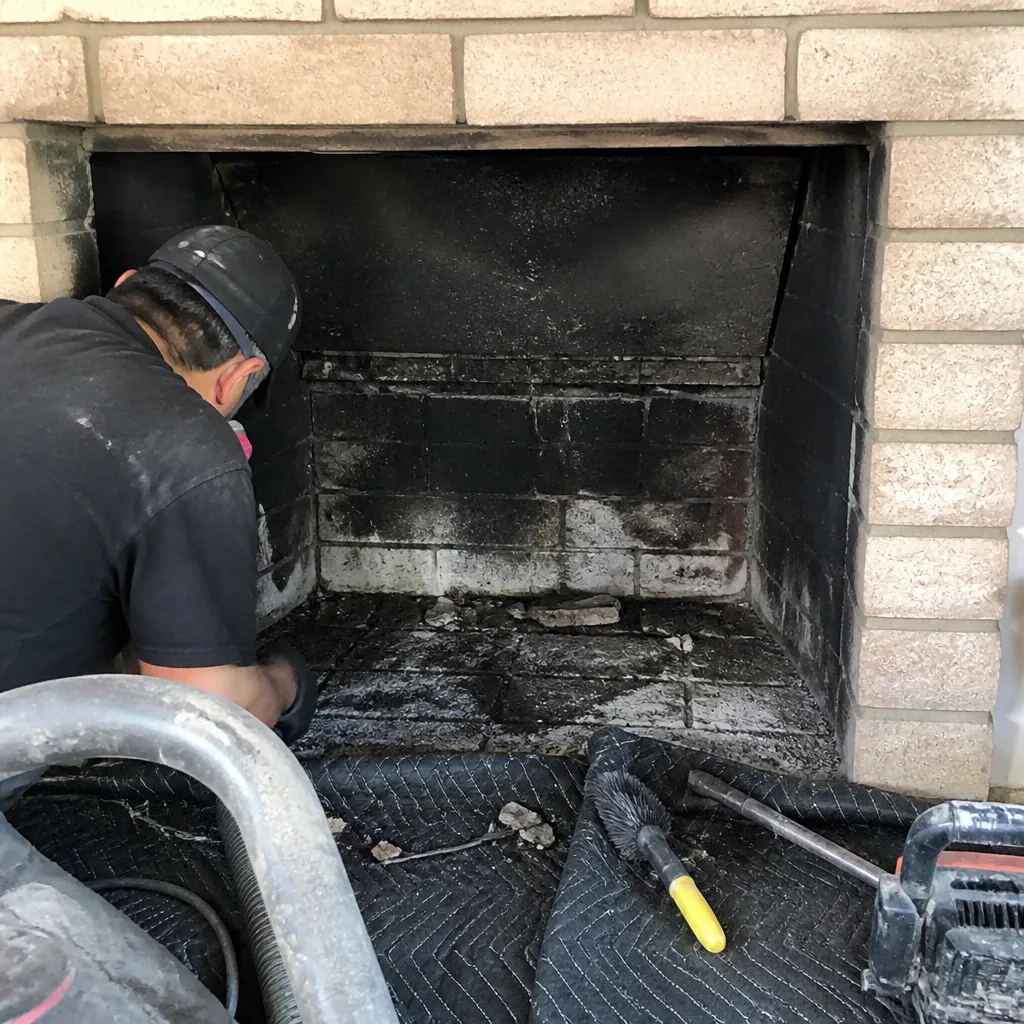 Before
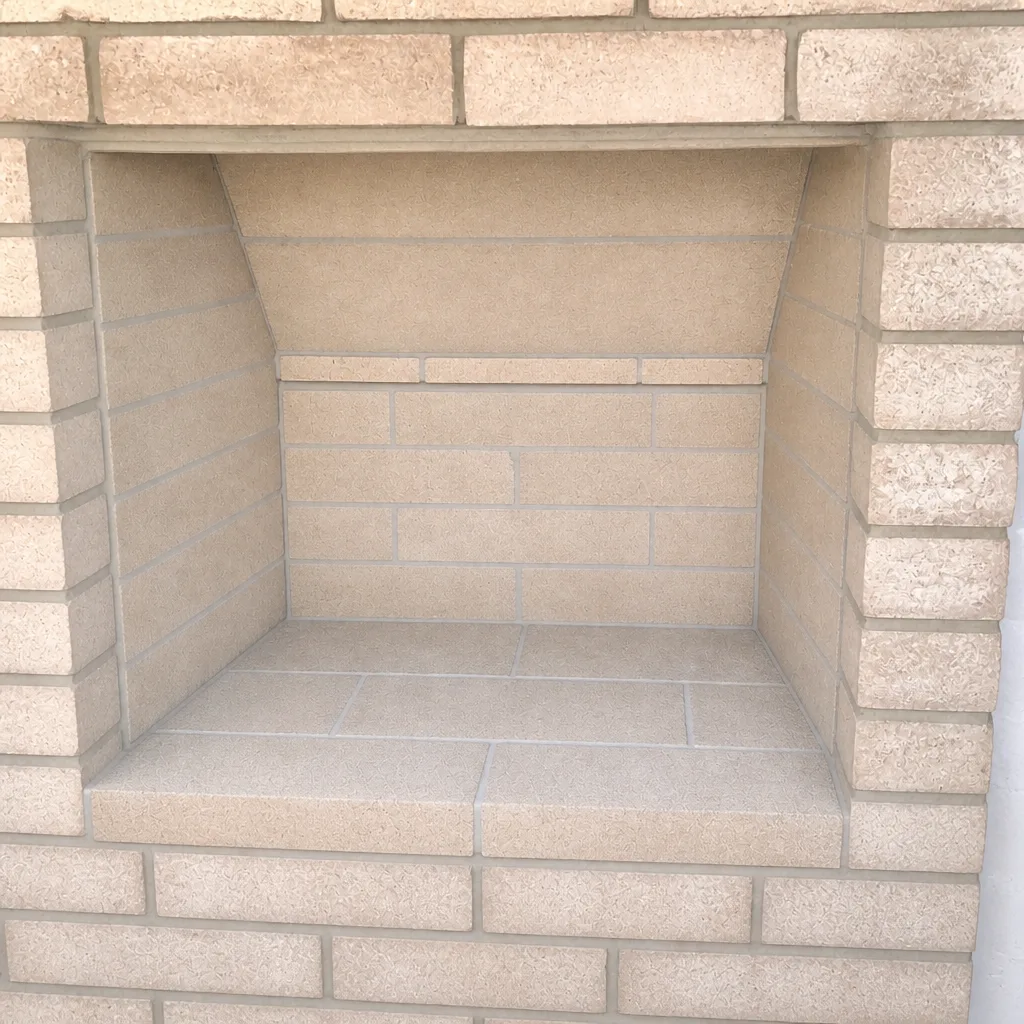 After
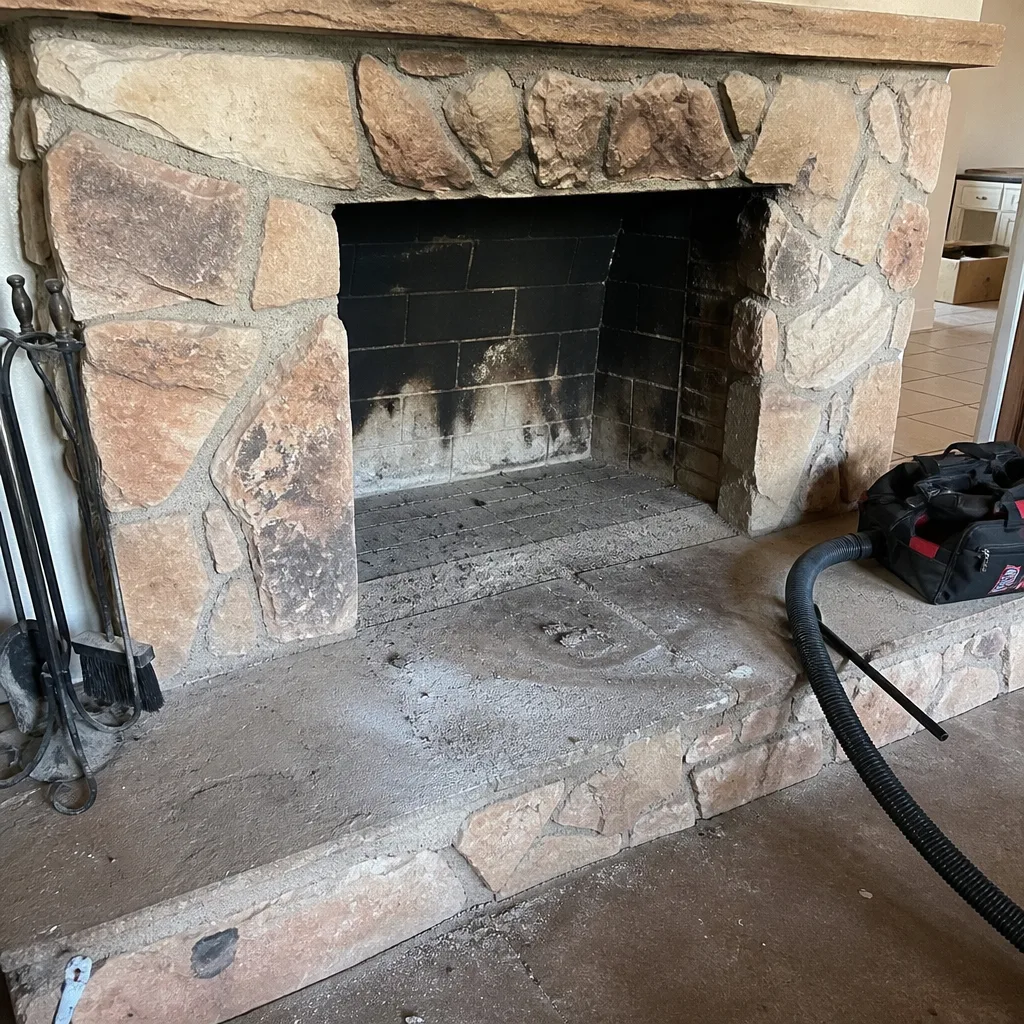 Before
 After
 Before
 After
When to Call a Professional
Call a professional if any of these applies: you’ve had a chimney fire or suspect one, your CO detector has gone off or shown intermittent readings, you’re seeing white staining, spalling brick, or a loose cap, your fireplace has suddenly started drafting poorly, you’ve moved into a Surprise home with no chimney history, or it’s simply been a year or more since the last inspection. Don’t call if you’re just looking for a sweep on a schedule; a light-use chimney may not need one, and a good technician will tell you so. Chimney Sweep Surprise offers free estimates in Surprise. Call (833) 842-7310. We answer 24/7. Fast dispatch from 7am to 7pm, Sunday through Friday.
Frequently Asked Questions
The first warning signs are usually a weak or sluggish draft, a faint acrid or musty odor when the fireplace isn’t running, smoke spilling into the room on a cold start, and visible debris on the cap or screen. If you see white staining on the exterior brick or hear scratching from the chimney, those are signs of a bigger issue than a dirty flue. Call (833) 842-7310 for an inspection; estimates are free.
A chimney fire usually sounds like a low, rumbling roar, like a distant train or a large burner, coming from the chimney rather than the firebox. Some homeowners hear a series of pops or a whooshing sound; others hear nothing and only notice the fire behaving oddly. Get everyone out and call 911 if you suspect one, then get the flue inspected before the fireplace is used again. Call (833) 842-7310 to schedule the inspection; estimates are free.
In Surprise, a slow draft on a fireplace that used to draw fine is most often caused by a blocked or partially blocked chimney cap, usually from nesting material or debris on the screen. A damaged crown or flashing letting water into the masonry can also reduce draft. It’s rarely a flue sizing problem on an existing fireplace. Call (833) 842-7310 for a free estimate on a camera inspection.
White staining on exterior brick is efflorescence, a salt deposit left behind when water moves through the masonry. It means water is getting in and finding a path out through the brick, usually from a cracked crown, failed flashing, or a loose cap. In Surprise, it often shows up after monsoon season. Call (833) 842-7310 for a free estimate on an inspection before it spreads.
Chimneys should be inspected once a year regardless of climate, and swept when the creosote layer reaches about 1/8 inch or when the inspection says so. In a mild climate where the fireplace is used intermittently, a once-a-year inspection is often enough, but the inspection is what tells you if a sweep is needed. Call (833) 842-7310 for a free estimate; estimates are free.
Gas fireplace warning signs focus on pilot behavior, discoloration around the firebox, CO detector patterns, and persistent condensation on the glass. Because gas appliances produce carbon monoxide, a blocked or cracked flue can show up as a CO event rather than a draft problem. If you see any of these signs, get the flue inspected. Call (833) 842-7310; estimates are free.
The Bottom Line
The warning signs that cause structure fires are usually the ones you can’t see from inside the house. In Surprise’s climate, two failure modes account for a lot of the serious repair work we see: heat-cycling spalling on the exterior masonry after monsoon season, and animal blockages that show up as a “slow draft” nobody connects to a cap. The five-minute exterior check catches 80% of visible problems before they get worse. The camera inspection catches the rest. If you hear a low roar from the chimney, get out and call 911. If you’re seeing efflorescence, spalling, a loose cap, or a shifting draft, schedule an inspection before the next fire. You don’t need to be a chimney expert to keep your home safe; you just need to know what to look for.
Contact
If any of the warning signs in this guide sound familiar, the simplest next step is a camera inspection with a photo report you can see for yourself. We’ll tell you plainly what needs fixing now and what can safely wait. Call (833) 842-7310 for a free estimate. We answer 24/7. Fast dispatch from 7am to 7pm, Sunday through Friday. Whether it’s a dryer vent cleaning alongside the chimney or a flue repair using HeatShield restoration instead of a full rebuild, one call covers cleaning, repair, and dryer vents.
Written by the team at Chimney Sweep Surprise.