
Last updated November 14, 2026
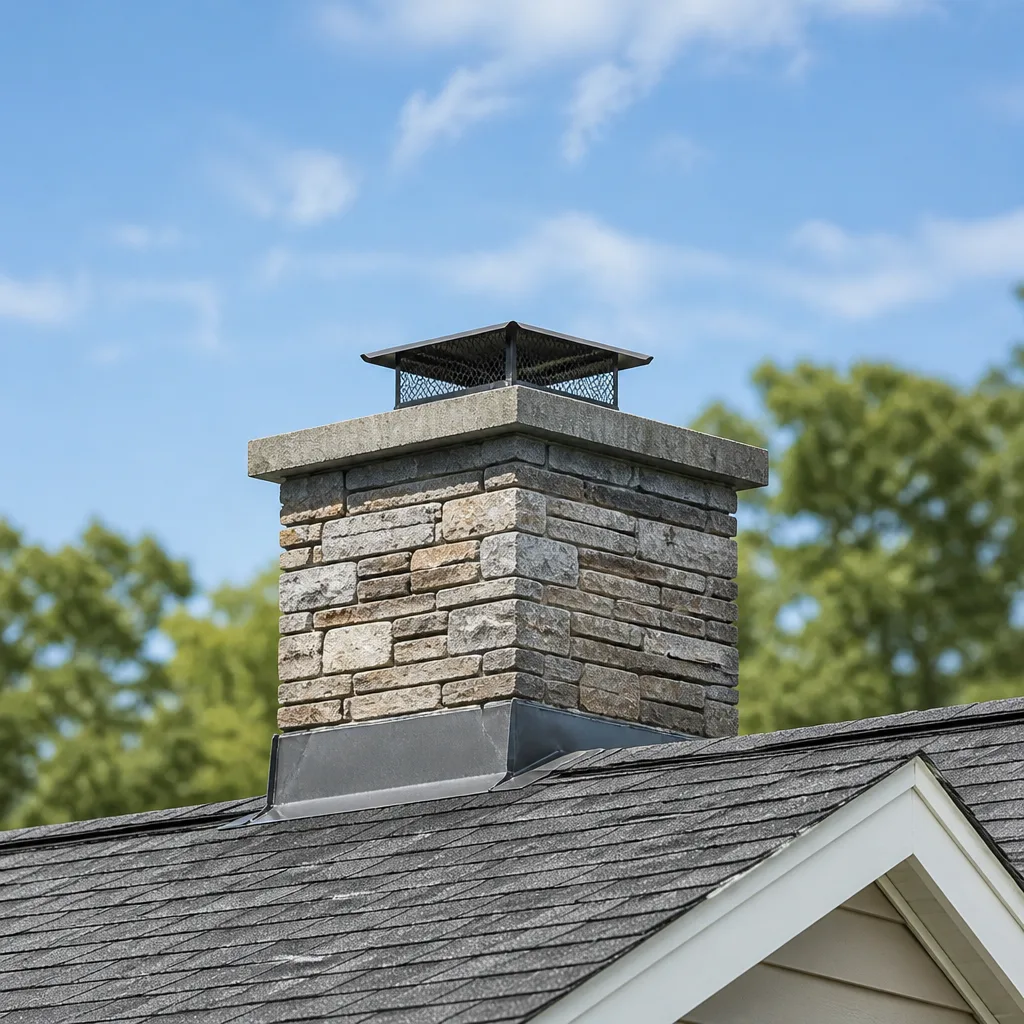 Sweep & inspection
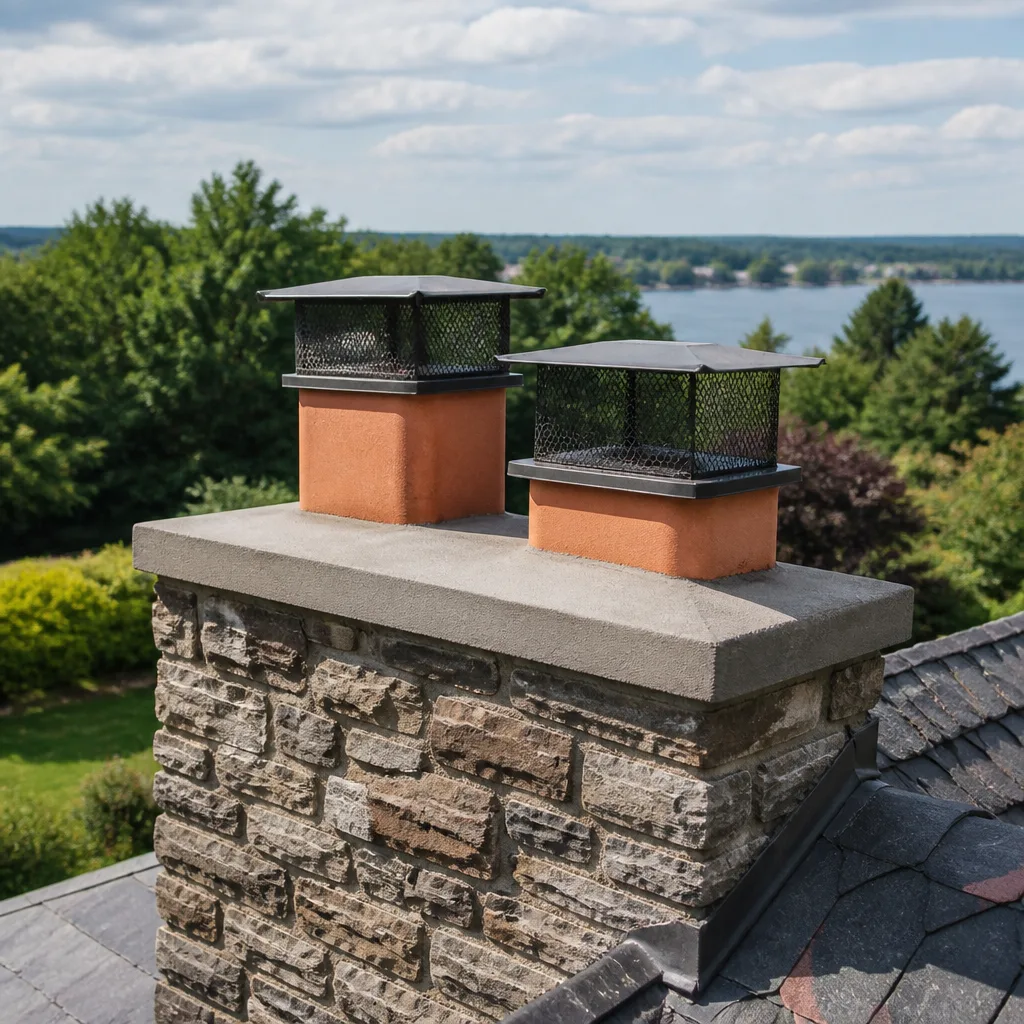 Caps & crowns
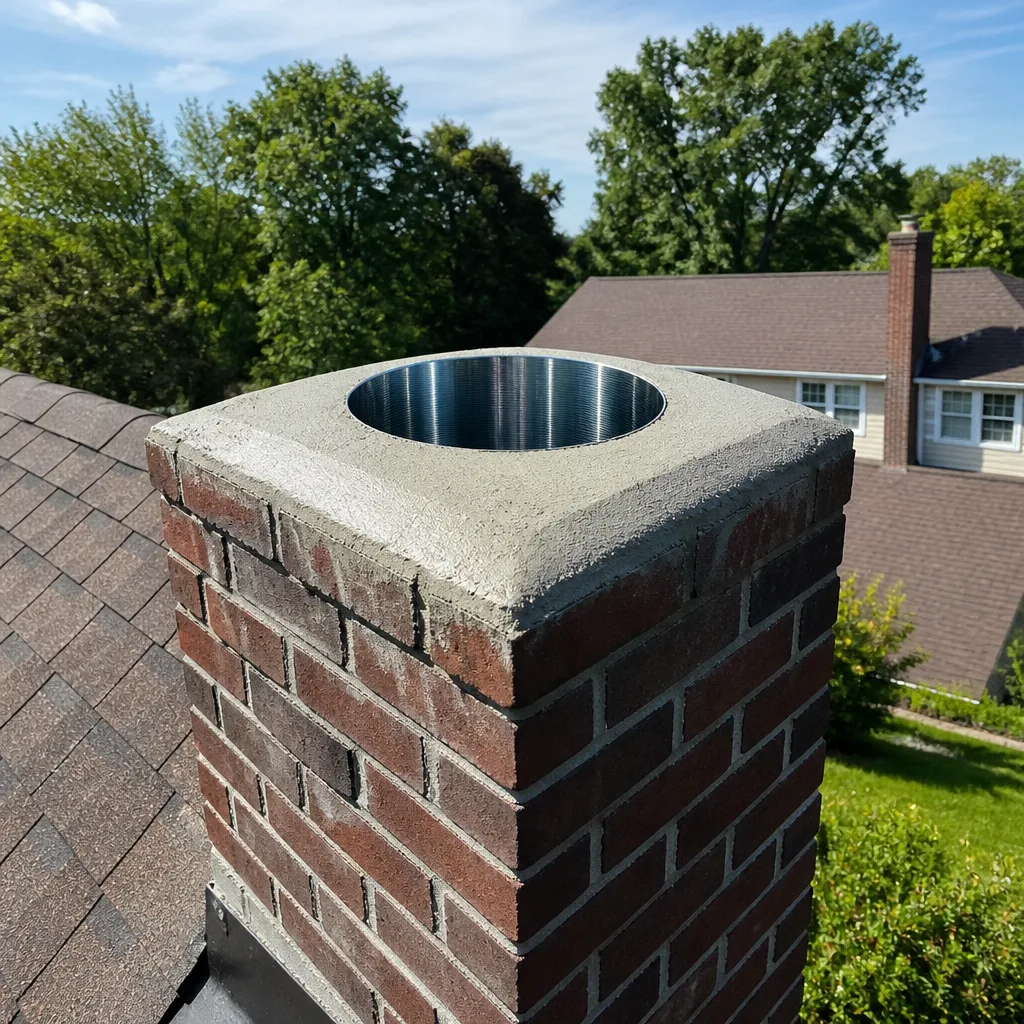 Flue relining
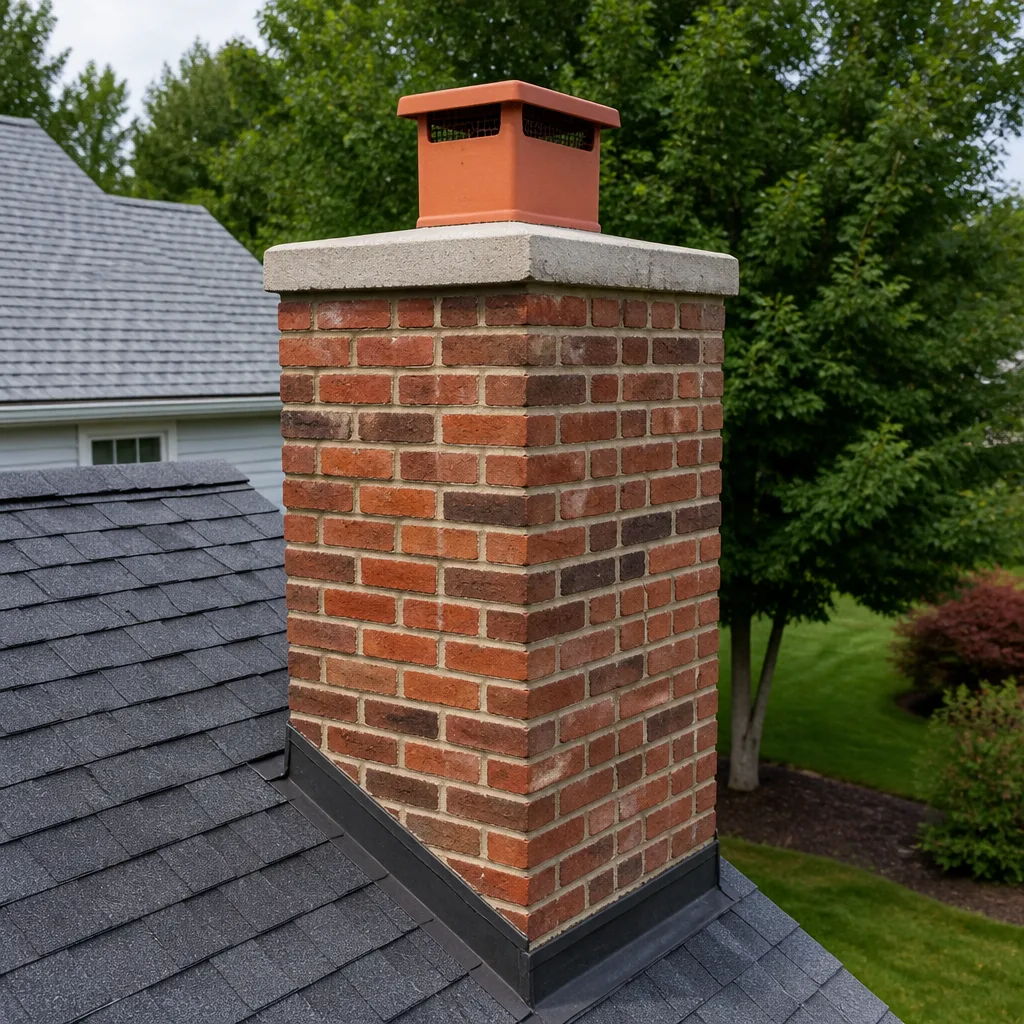 Masonry repair
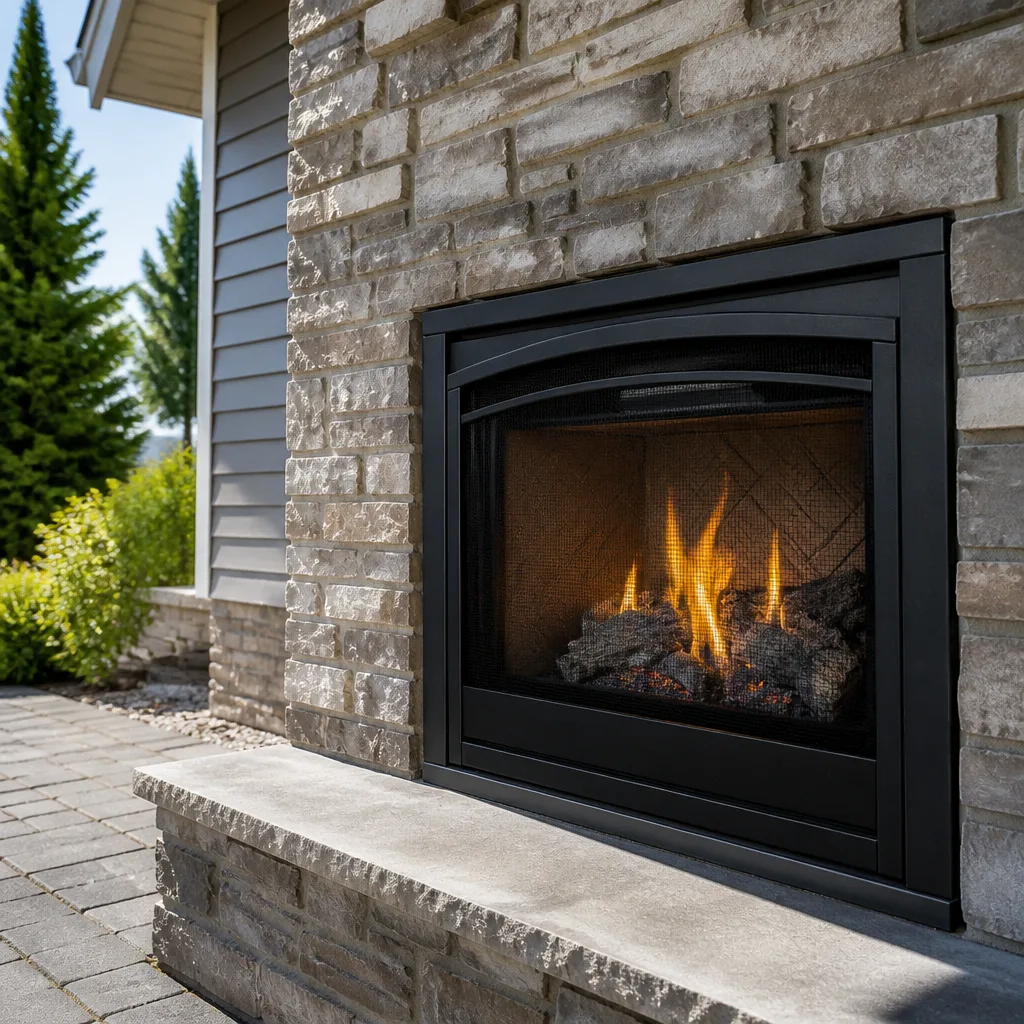 Gas fireplace service
Level 1 sweep and inspection to the NFPA 211 annual standard - flue, crown, cap, and flashing checked and photographed
Chimney sweep logs do not sweep chimneys. They loosen some creosote - which then falls where a brush and vacuum still have to collect it.
Chimney Sweep Maintenance Checklist for Surprise Homeowners
If your chimney checklist starts with “schedule your fall sweep,” it was written for Ohio. Here in Surprise, the calendar that actually matters runs through dust storm season, not leaf season, and the debris that blocks a flue screen most often blows in during June and July, months before anyone thinks to call. A fall-only routine misses both the pre-monsoon window that protects your cap and the summer stretch when nesting animals settle into an unused firebox. This guide gives you a month-by-month plan built around Surprise’s real weather, covering interior checks, exterior walk-arounds, mid-season spot-checks, and a smart way to sync your dryer vent cleaning with the chimney visit so one appointment handles both fire-risk systems.
Quick Answer
A proper chimney maintenance checklist for a Surprise home runs on four anchor points: a pre-monsoon cap and screen inspection in May or June, a post-monsoon crown and flashing walk-around in October, an interior damper-and-nesting check before fire season in November, and an annual professional sweep plus a mid-season spot-check if you burn more than 10 fires. Sync dryer vent cleaning to the same visit and you cover both fire-risk venting systems in one appointment.
Styles & brands we work with
- Sweep & inspection
- Caps & crowns
- Flue relining
- Masonry repair
- Gas fireplace service
Table of Contents
- Why Surprise Has Its Own Chimney Calendar
- Pre-Monsoon Inspection: May and June
- Post-Monsoon Walk-Around: October
- Pre-Fire-Season Interior Check: November
- Mid-Season Spot-Check for Heavy Burners
- The Annual Dryer Vent Sync
- What You Can Check and What Needs a Pro
- Common Mistakes to Avoid
- When to Call a Professional
- Frequently Asked Questions
Why Surprise Has Its Own Chimney Calendar
Chimney maintenance advice travels badly. A guide written for a wet, cold climate assumes your biggest threat is creosote from months of steady burning and ice working its way into mortar joints. Neither is the main story in Surprise. Our winters are mild enough that many households burn fewer than 10 fires a season, and some burn none at all, running a gas insert for ambiance instead. That changes what fails first.
The bigger forces here are dust and heat. Monsoon season pushes fine grit and debris against your chimney cap and into screen mesh. Summer heat bakes the exterior masonry through long stretches of triple-digit days, and the expansion and contraction that comes with it works on the crown, the flashing, and any mortar that’s already starting to weaken. A chimney that sits untouched from spring to fall in Surprise collects a season’s worth of material before anyone lights a fire.
So the practical schedule looks different from the national advice. Instead of one fall sweep, you get two exterior touchpoints tied to monsoon (before and after), one interior check before fire season, and a spot-check in the middle if you’re a regular burner. That’s the calendar this guide is built around, and it’s the one we work to for homeowners across Surprise.
The Four Anchor Points at a Glance
- May – June: Pre-monsoon cap and screen inspection, clearing dust-storm debris before it packs in.
- October: Post-monsoon walk-around of the crown, flashing, and masonry after haboob exposure.
- November: Interior check of damper seals and evidence of summer critter nesting.
- Mid-season: A second sweep or spot-check if you burn more than 10 fires.
Pre-Monsoon Inspection: May and June
The most common Surprise chimney problem we find is a blocked cap screen, and it usually gets there before fire season, not during it. Monsoon winds carry dust, sand, palm fronds, and fine debris against the mesh, and once enough of it packs in, the flue can’t draft properly. Homeowners who wait until the first cold snap to think about the chimney discover the blockage at the worst possible moment: the night they want a fire.
A pre-monsoon inspection in May or June heads this off. The goal is simple: get eyes on the cap and screen while the weather is still calm so that anything loose or damaged doesn’t become a projectile when the first big dust storm rolls through.
What a Pre-Monsoon Check Covers
- Cap and screen: Confirm the cap is secure and the mesh isn’t torn, sagging, or already half-blocked. A cap that’s come loose is a wind-driven hazard once the storms arrive.
- Visible flue from above: A quick look down the flue to spot early debris buildup or an obvious obstruction before it deepens.
- Exterior masonry: Note any loose mortar or cracked brick that could take on more damage from wind and heat over the summer.
- Cap seals: Check where the cap meets the flue so grit can’t work its way into the gap.
If the cap or screen is beyond a simple cleaning, this is the point in the year to replace it, when there’s time to order the right part rather than a rush job in December. We stock and install professional-grade components from brands like Olympia Chimney, so a worn cap gets swapped for something built to handle the wind, not whatever’s cheapest at the supply house.
The pre-monsoon window is also a good time to look at the whole venting picture. If your clothes dryer has been running hotter or taking longer to dry, the same seasonal logic applies: lint buildup before the hot months is a real fire risk, and it’s worth booking dryer vent cleaning while you’re already thinking about venting.
Post-Monsoon Walk-Around: October
Once the monsoon has passed, your chimney has been through weeks of wind, dust, and blowing debris. October is the moment to walk the exterior and see what the season left behind. This isn’t a full sweep; it’s a visual survey focused on the parts the weather hits hardest: the crown and the flashing.
The crown is the concrete or masonry cap at the very top of the chimney that sheds water away from the flue. When it cracks, water finds a path into the masonry, and in Surprise that path gets worse over time as the heat dries and stresses the surface. Flashing is the metal that seals the base of the chimney where it meets the roof, and haboob-driven grit can work at those seals too.
What to Look For on the Crown and Flashing
- Cracks in the crown: Even hairline cracks are worth noting; they widen with heat cycling.
- Missing or loose flashing: Gaps where the metal has lifted or pulled away from the roof or chimney.
- Rusted fasteners or flashing: Corrosion that suggests the seal is failing.
- Spalling masonry: Brick or mortar flaking or crumbling on the exterior, a sign moisture has gotten in.
- Debris accumulation: Anything the storm left sitting against the chimney that shouldn’t be there.
If the walk-around turns up a cracked crown or failing flashing, that’s repair territory, not sweep territory, and it’s exactly the kind of finding we’d rather catch in October than at the height of fire season. Our chimney sweep visits include a camera inspection and a photo report, so you see what we see before any work is recommended.
This post-monsoon survey also gives you a natural moment to check the dryer vent hood on the outside wall, since wind-driven debris can clog an exterior vent flap the same way it clogs a chimney cap. One walk-around, two systems checked.
Pre-Fire-Season Interior Check: November
November is when the interior of the chimney matters. Two things happen over a Surprise summer while your fireplace sits unused: the damper can lose its seal, and small animals take up residence. Both cause problems the first time you light a fire.
A damper that doesn’t close properly means you’re losing conditioned air all summer and you can’t control the draft when you do burn. Critter nesting is the bigger concern. Birds, rodents, and insects find an open flue or an accessible firebox attractive in the heat, and nesting material left in the flue is a fire and carbon monoxide hazard. We’ve pulled out nests built up over a single summer more than once.
Interior Check Steps
- Test the damper: Open and close it fully and feel for a seal. It should move smoothly and sit flush when closed.
- Look into the firebox: Shine a light up the flue for signs of nesting material, soot streaks, or animal droppings.
- Check the smoke chamber: Look for gaps or cracks in the masonry above the damper where gases can escape.
- Confirm the firebox lining: Look for cracked or missing firebrick that needs repair before you burn.
- Schedule the annual sweep: Book the professional cleaning before the first fire, not after.
Damper seals can often be repaired or replaced without a rebuild, and worn components from brands like Famco are straightforward to fit. The important part is catching a failed seal before it’s the reason smoke drifts into the room. Call (833) 842-7310 to book your pre-season check. We answer 24/7. Fast dispatch from 7am to 7pm, Sunday through Friday.
If your November check turns up cracked flue joints or a deteriorating firebox, that’s where HeatShield enters the conversation. Restoration with the HeatShield system can rebuild flue joints and resurface the firebox without the cost and disruption of a full demolition and rebuild, an option many sweep-only companies can’t offer. More on that in the “When to Call a Professional” section.
Mid-Season Spot-Check for Heavy Burners
How often you burn determines whether a single annual sweep is enough. Most Surprise households burn a handful of fires a season and never think about a second visit. If you’re burning more than 10 fires, though, it’s worth a mid-season spot-check to make sure creosote hasn’t built up faster than the annual pace assumes.
Creosote is the residue left when wood smoke cools against the flue. It builds in layers, and in its harder, glazed forms it’s the fuel that turns a small chimney fire into a serious one. The more fires you burn, the more residue accumulates, and inconsistent wood quality or a fire that’s constantly choked down to a smolder makes it worse. A home that burns 30 or 40 fires a year sits in a different category than one that burns five.
Signs You’re Due for a Mid-Season Visit
- Burning more than 10 fires: The annual sweep schedule was built for lighter use.
- Reduced draft: Smoke lingering in the firebox or a fire that’s hard to keep burning is a classic sign of buildup.
- Strong, unpleasant smells: A sharp creosote odor, especially on warm days, signals accumulation.
- Visible soot or glaze: If you can see heavy soot on the firebox walls or glazed deposits up the flue, it’s time.
- A different wood supply: Switching to less-seasoned or softer wood speeds up residue.
A spot-check is fast and it’s the difference between catching buildup early and discovering it after it’s already become a fire risk. Because we handle both cleaning and repair, if the spot-check surfaces a problem, it can be addressed on the same visit instead of handing you off to a second contractor and a second appointment.
The mid-season check is also worth pairing with a fresh look at the damper and firebox, since heavy burning puts more wear on the components than a few decorative fires. It’s a small visit that protects a much bigger investment in your home’s safety.
The Annual Dryer Vent Sync
Your clothes dryer is the other appliance in your home with a fire risk tied to a vent, and most homeowners schedule its cleaning separately, from a different company, months after they’ve forgotten about the chimney. Bundling the two into one annual visit makes practical sense, saves a second contractor appointment, and makes sure neither system slips through the cracks.
Lint is the fuel. It collects in the vent duct over time, and a clogged line traps heat, which is what turns a routine load of laundry into a fire risk. Dryers run more often and hotter in Surprise’s summer, which makes the accumulation worth checking on schedule rather than waiting for a warning sign. A dryer that takes two cycles to dry a load, or feels unusually hot to the touch, is telling you the vent needs attention.
What the Dryer Vent Cleaning Covers
- Full duct cleaning: The entire vent line from the dryer connection to the exterior, not just the section you can reach.
- Photo evidence: A camera inspection so you see the lint before it’s removed.
- Exterior vent check: Confirm the outside hood and flap aren’t blocked or stuck.
- Connection review: Look for kinks, crushed sections, or a flexible line that’s better replaced with rigid duct.
The pairing works because both systems share the same seasonal rhythm in Surprise. The pre-monsoon and post-monsoon windows are when wind-driven debris clogs exterior vents on both the chimney and the dryer, and both benefit from a pre-season clean. One visit covers your dryer vent cleaning alongside the chimney work, so a single appointment handles two fire-risk systems.
If you’ve never had the dryer vent cleaned, or it’s been more than a year, start there. Call (833) 842-7310 and we’ll get both on the same visit. We answer 24/7. Fast dispatch from 7am to 7pm, Sunday through Friday.
What You Can Check and What Needs a Pro
A good checklist separates the things you can safely inspect yourself from the things that belong to a trained technician. The line comes down to what’s reachable, visible, and non-destructive. Checking a damper seal is a homeowner task. Standing on a roof to inspect a crown, or reaching into a flue to evaluate creosote, is not.
Safe for Homeowners
- Opening and closing the damper and feeling for a proper seal.
- Shining a light into the firebox and noting visible soot or debris.
- Looking for cracked firebrick from ground level.
- Checking the exterior vent hood on the dryer wall.
- Noting unusual smells, smoke drift, or slow-drying laundry.
Leave to a Professional
- Climbing on the roof to inspect the crown, flashing, and masonry.
- Looking down the flue or removing creosote from the flue walls.
- Assessing flue joints and the smoke chamber.
- Cleaning the inaccessible length of the dryer duct.
- Any repair to the firebox, damper, or flue lining.
The reason is safety. Roof access is a genuine fall hazard, and creosote evaluation and flue cleaning involve materials and equipment most homeowners don’t have. Beyond the risk of injury, an untrained inspection can miss the early signs of a failing flue joint or a cracked crown until the damage has spread. A trained sweep sees what’s actually happening in the flue and can tell you plainly when a finding is urgent and when it can safely wait. That’s the value of an experienced eye: not a longer list of recommendations, but an honest read of what your chimney needs right now.
It also helps to know what you’re looking at. Our technicians have up to 9 years of experience, and a camera inspection with a photo report means you can see the evidence yourself rather than taking anyone’s word for it. If you want a starting point, our Chimney Sweep Surprise overview covers what each service involves and what a visit includes.
Common Mistakes to Avoid
- Following a fall-only schedule. A November sweep alone misses the pre-monsoon cap damage and the summer nesting window that a Surprise chimney actually faces. Build the year around the two monsoon touchpoints instead.
- Waiting for a problem before booking a sweep. A chimney rarely announces a blocked cap or a failing flue joint until you try to light a fire. The annual inspection catches these before they turn into an emergency, not after.
- Ignoring the cap and screen until they fail. A torn or dirty screen is the most common Surprise blockage, and it’s cheap to fix when it’s caught early. Let it go and you’re looking at a draft problem on the night you want a fire.
- Treating the dryer vent as a separate, forgotten chore. Lint buildup is a serious fire risk, and it’s easy to keep putting off. Bundle the dryer vent cleaning with your chimney visit so it actually gets done on schedule.
- Assuming the fireplace is “fine” because it’s closed up. An unused firebox is attractive to animals over the summer. A November interior check to look for nesting is the difference between a safe first fire and a flue full of combustible material.
- Skipping the mid-season check when you burn heavily. If you burn more than 10 fires, the annual cadence assumes more than it should. A spot-check keeps creosote from getting a head start.
- Trusting a visual look over a camera inspection. The parts of your flue you can’t see are where problems hide. A camera inspection and photo report give you the evidence, which is exactly why we include one.
When to Call a Professional
Some findings you can note and watch. Others need a trained eye before the next fire. Call us if your November interior check turns up nesting material, a damper that won’t seal, or cracks in the firebox lining. Call if the October walk-around shows a cracked crown or lifting flashing, since a small repair early is far cheaper than the rebuild that follows a season of water intrusion. Call if you’re burning more than 10 fires and haven’t had a mid-season look. And call if you’ve never had the dryer vent cleaned or it’s been more than a year, because lint buildup is one of the leading causes of home fires and the symptoms are easy to miss.
If a flue joint is deteriorating, we can assess whether HeatShield restoration or a DuraFlex flexible liner is the right path; both let us repair a damaged flue in cases where a full rebuild would once have been the only option. Chimney Sweep Surprise offers free estimates in Surprise. Call (833) 842-7310 to book a visit. We answer 24/7. Fast dispatch from 7am to 7pm, Sunday through Friday.
Frequently Asked Questions
Once a year is the baseline, but in Surprise the timing matters as much as the frequency: pair the annual sweep with a pre-monsoon cap check in May or June and a post-monsoon exterior walk-around in October. If you burn more than 10 fires a season, add a mid-season spot-check. Call (833) 842-7310 to schedule yours; estimates are free.
Because dust storms are the biggest source of debris that blocks a cap screen, and that season arrives before fire season does. A May or June check clears the cap and screen before the wind packs them, so you’re not discovering a blockage the first cold night you want a fire. It’s the single most Surprise-specific step in the whole checklist; call (833) 842-7310 to get on the calendar.
Walk the exterior and check the crown for cracks and the flashing for gaps or rust where it seals against the roof. Haboob-driven grit and heat cycling work on both, and a small crack caught in October is a repair, not a rebuild. If you’re not comfortable on the roof, that’s exactly what a post-monsoon inspection is for; call (833) 842-7310 for an estimate.
Yes. The lint trap only catches what’s shed in the drum, while lint that bypasses it accumulates in the vent duct where you can’t reach it. That trapped lint is a genuine fire risk, and it builds faster in summer when dryers run hot. Bundle it with your chimney visit; call (833) 842-7310 for an estimate.
In many cases, yes, because HeatShield restores deteriorating flue joints and resurfacing rather than demolishing and rebuilding the structure. The only way to know if it’s the right option for your chimney is a camera inspection and an honest assessment. Call (833) 842-7310 and we’ll show you what the camera sees before recommending anything; estimates are free.
Two risks grow: creosote buildup becomes chimney-fire fuel, and a blocked or damaged flue can let carbon monoxide back into the home. Neither announces itself. Skipping the annual sweep and the monsoon checks means those risks stack up over a season with no one watching for them. Call (833) 842-7310 to book a sweep; estimates are free.
The Bottom Line
A chimney maintenance checklist for a Surprise home isn’t the national fall-sweep routine. It’s a calendar built around this climate: clear the cap and screen before monsoon in May or June, walk the crown and flashing after the storms in October, check the damper and nesting inside in November, and add a mid-season spot-check if you burn more than 10 fires. Pair the annual sweep with dryer vent cleaning so one visit covers both fire-risk systems, and use a camera inspection with a photo report so you see the evidence before any repair is recommended. When a flue needs work, HeatShield restoration and DuraFlex liners mean repair without a full rebuild in more cases than homeowners expect.
Call Chimney Sweep Surprise at (833) 842-7310 for a free estimate on your annual sweep, repair, or dryer vent cleaning. We answer 24/7. Fast dispatch from 7am to 7pm, Sunday through Friday.
Written by the team at Chimney Sweep Surprise.
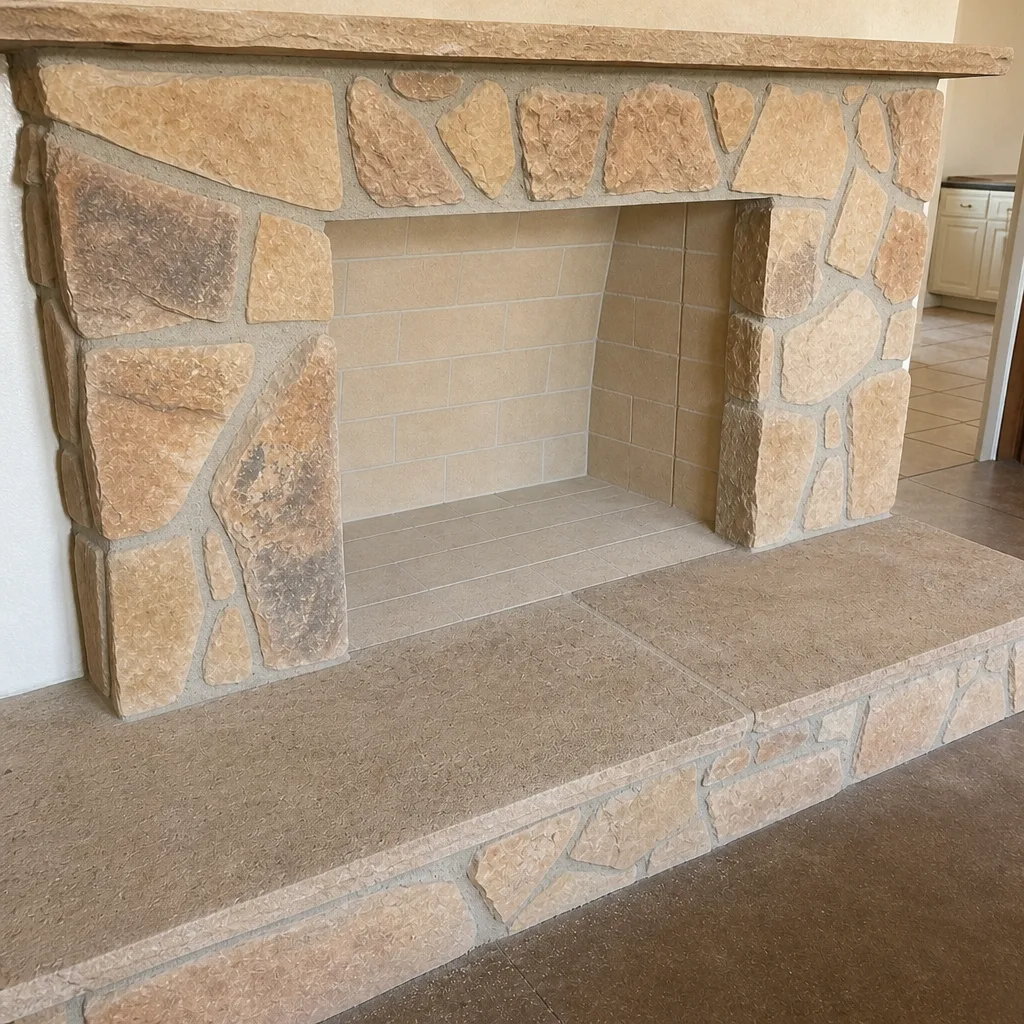
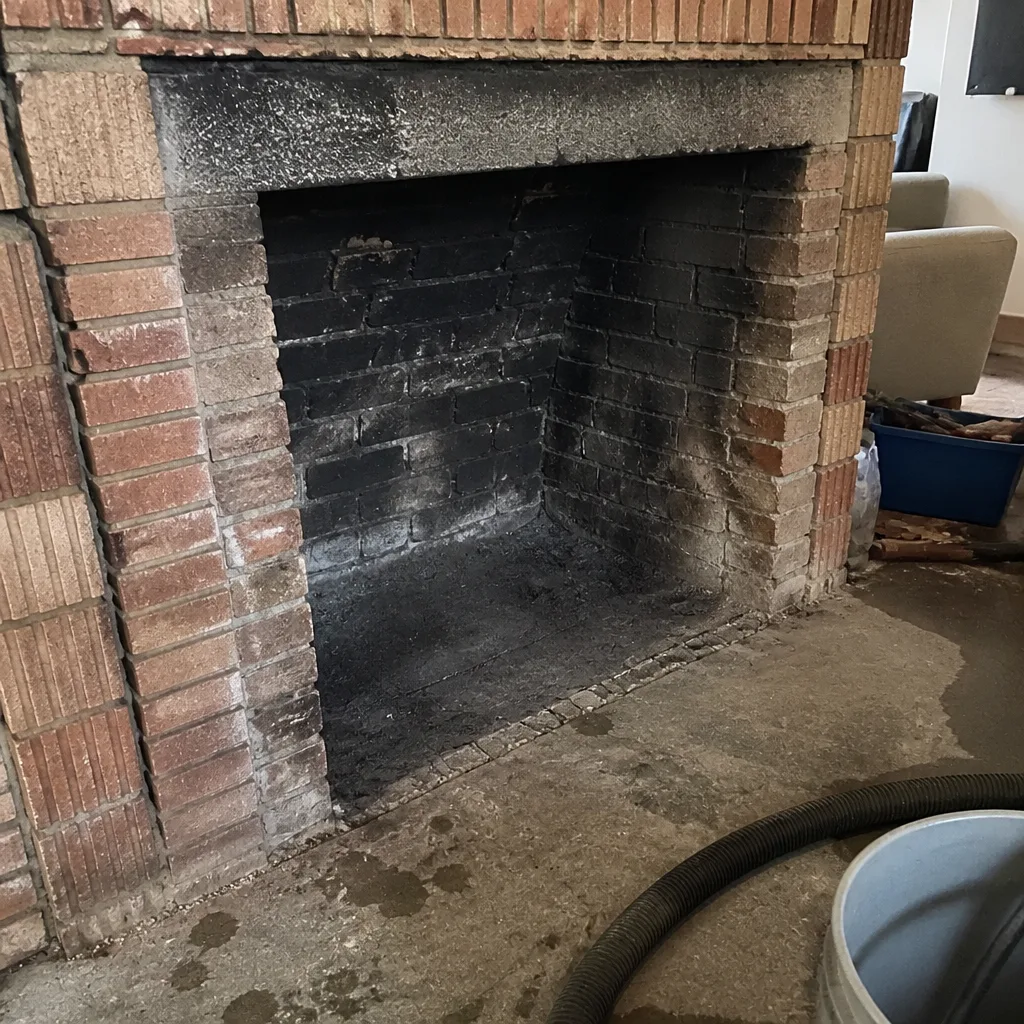
See the difference
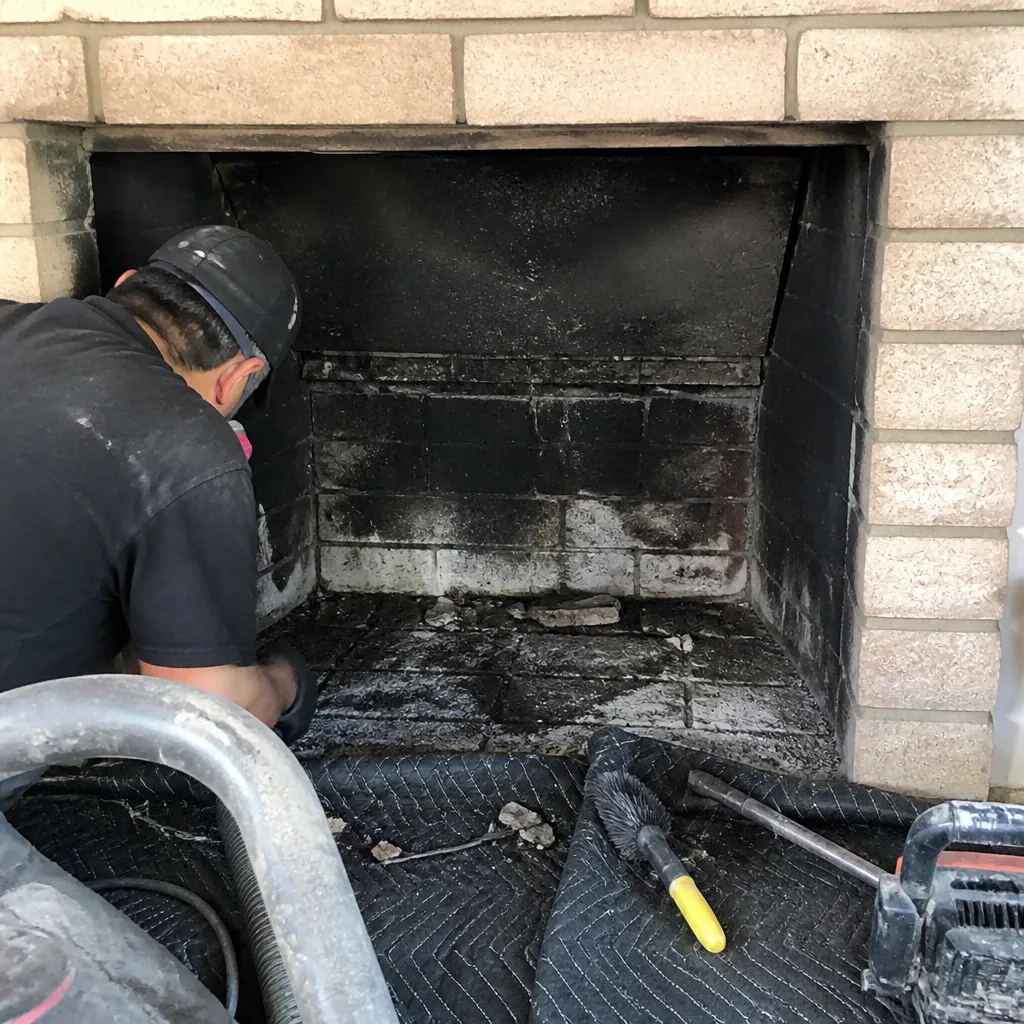 Before
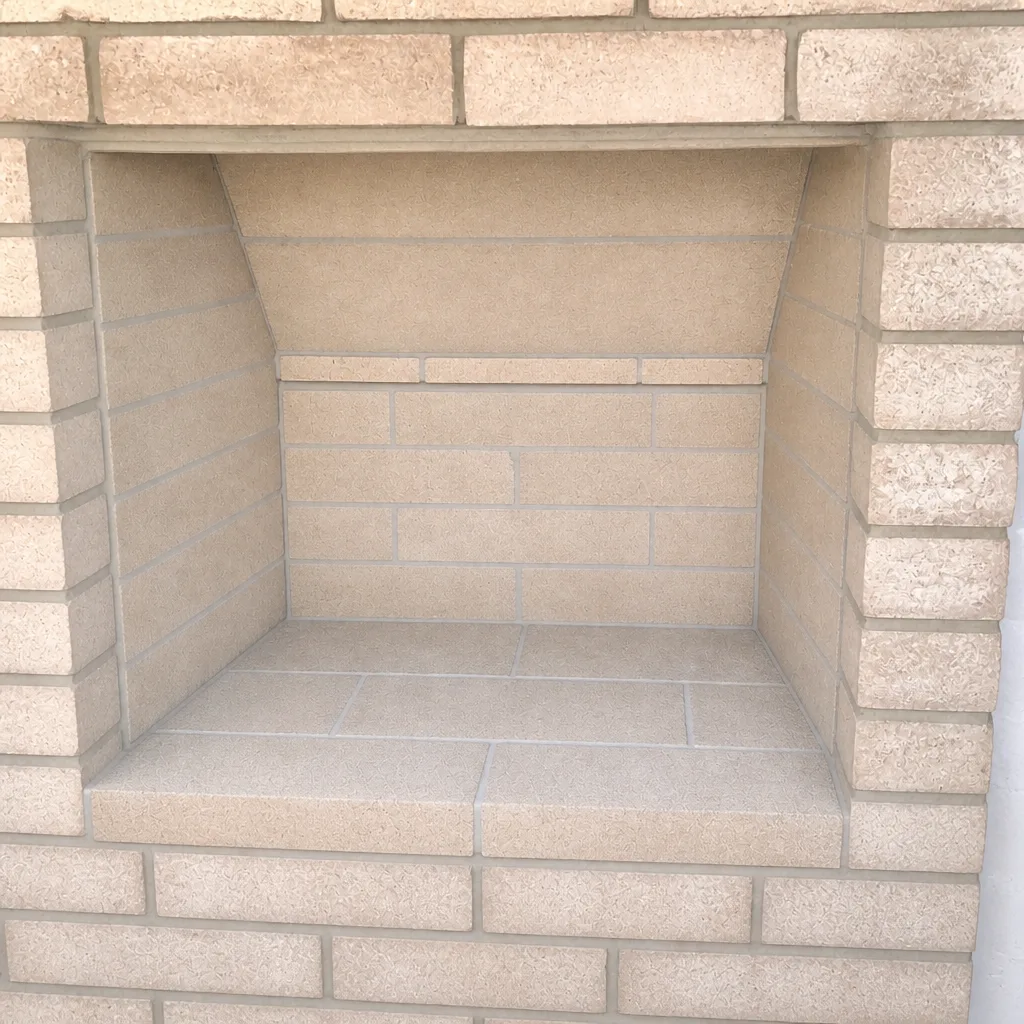 After
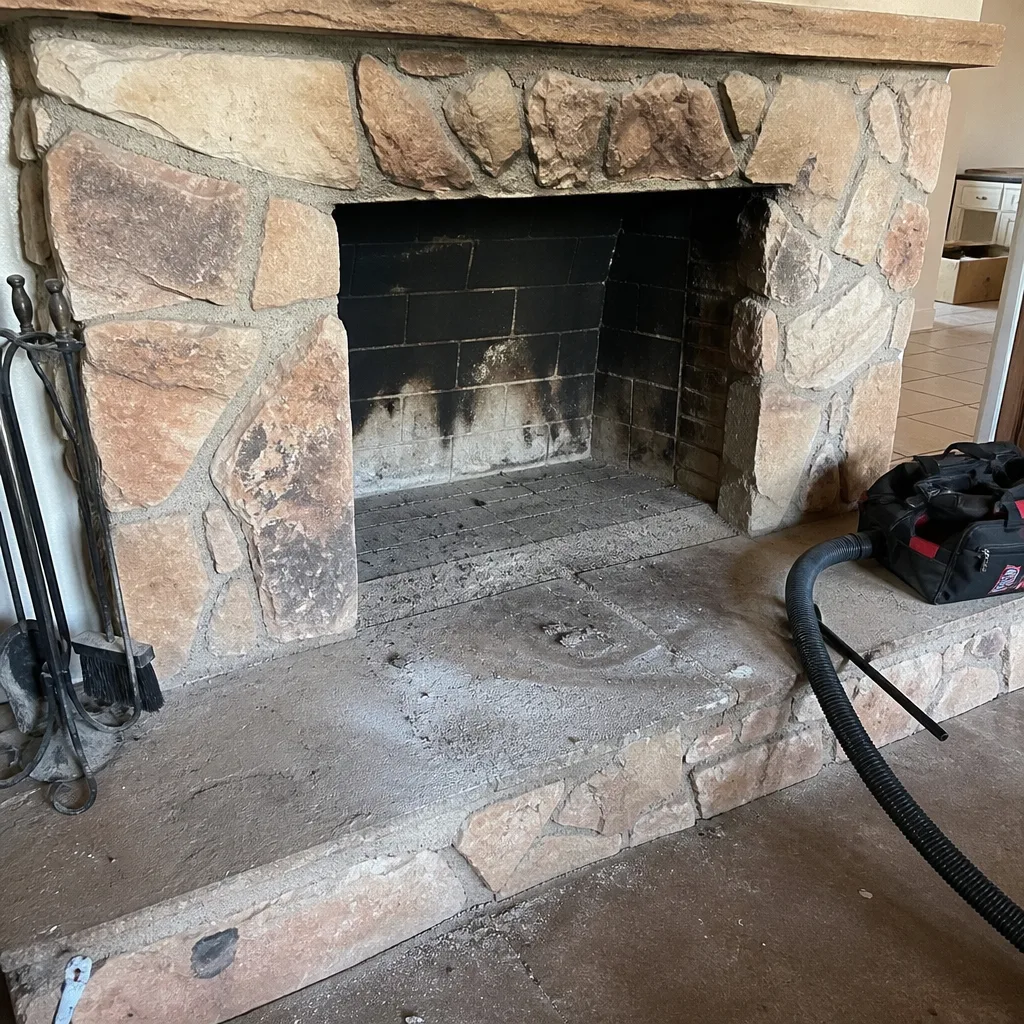 Before
 After
 Before
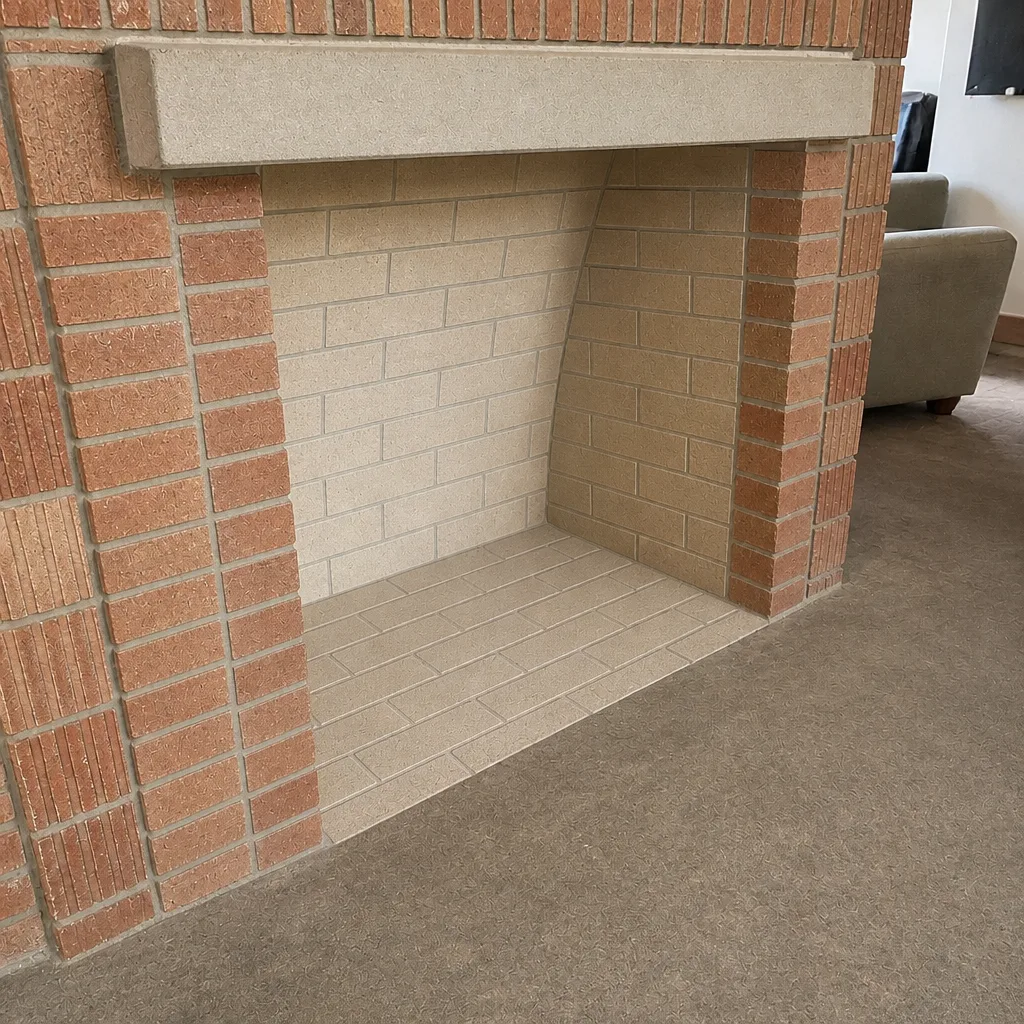 After