
Last updated November 14, 2026
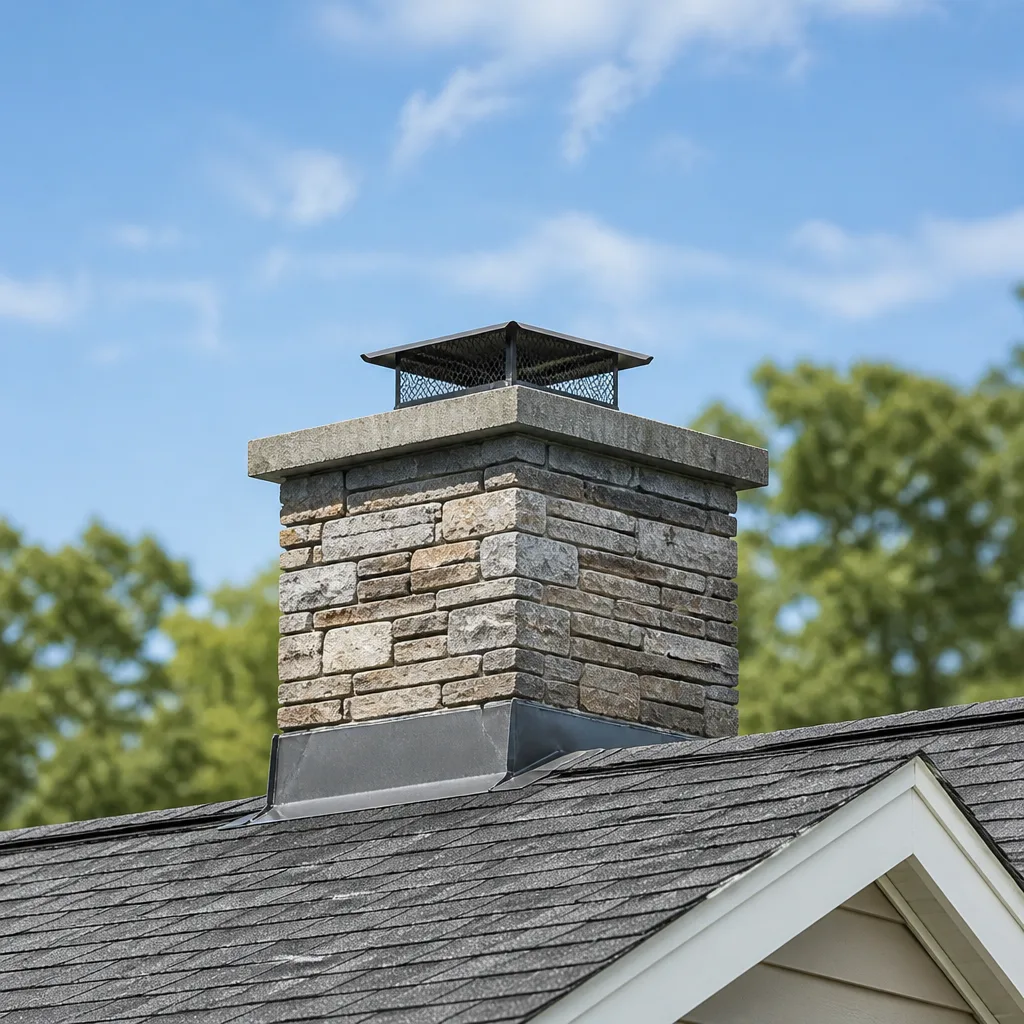 Sweep & inspection
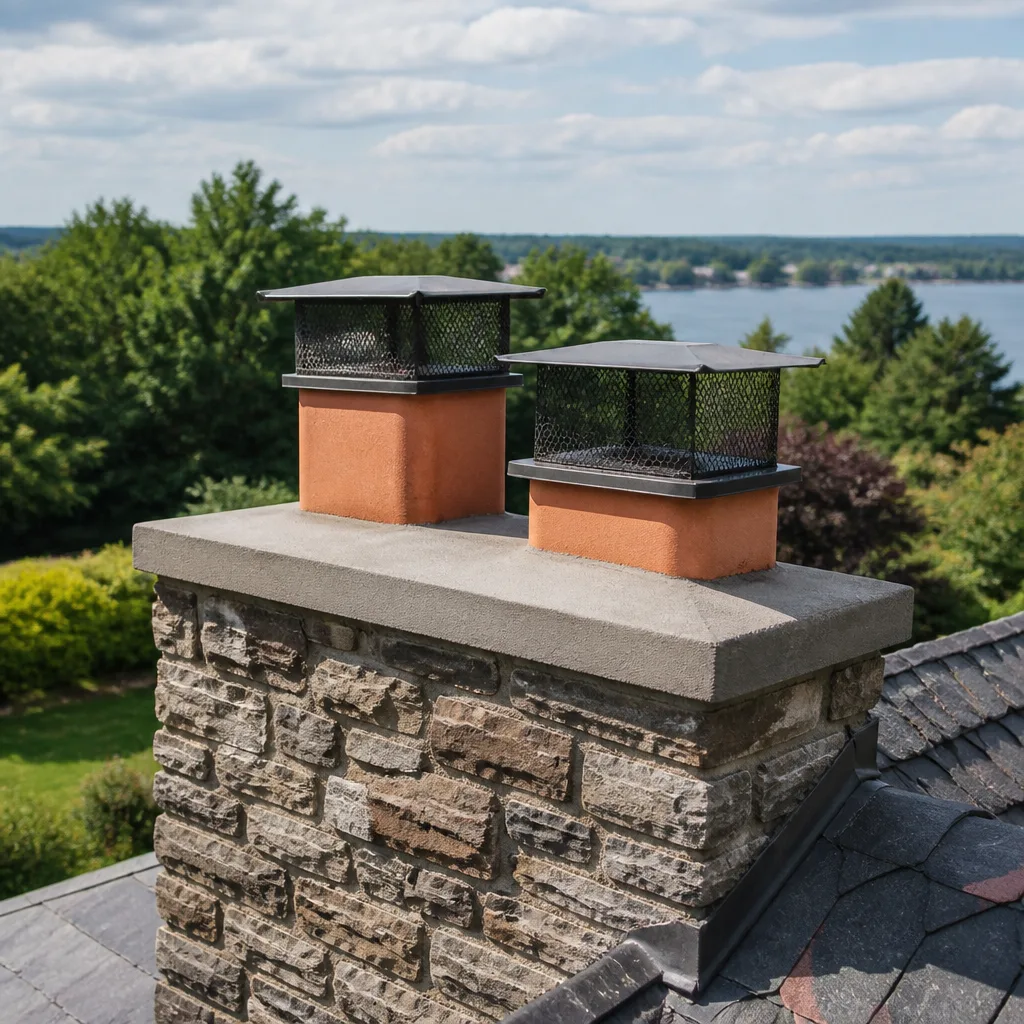 Caps & crowns
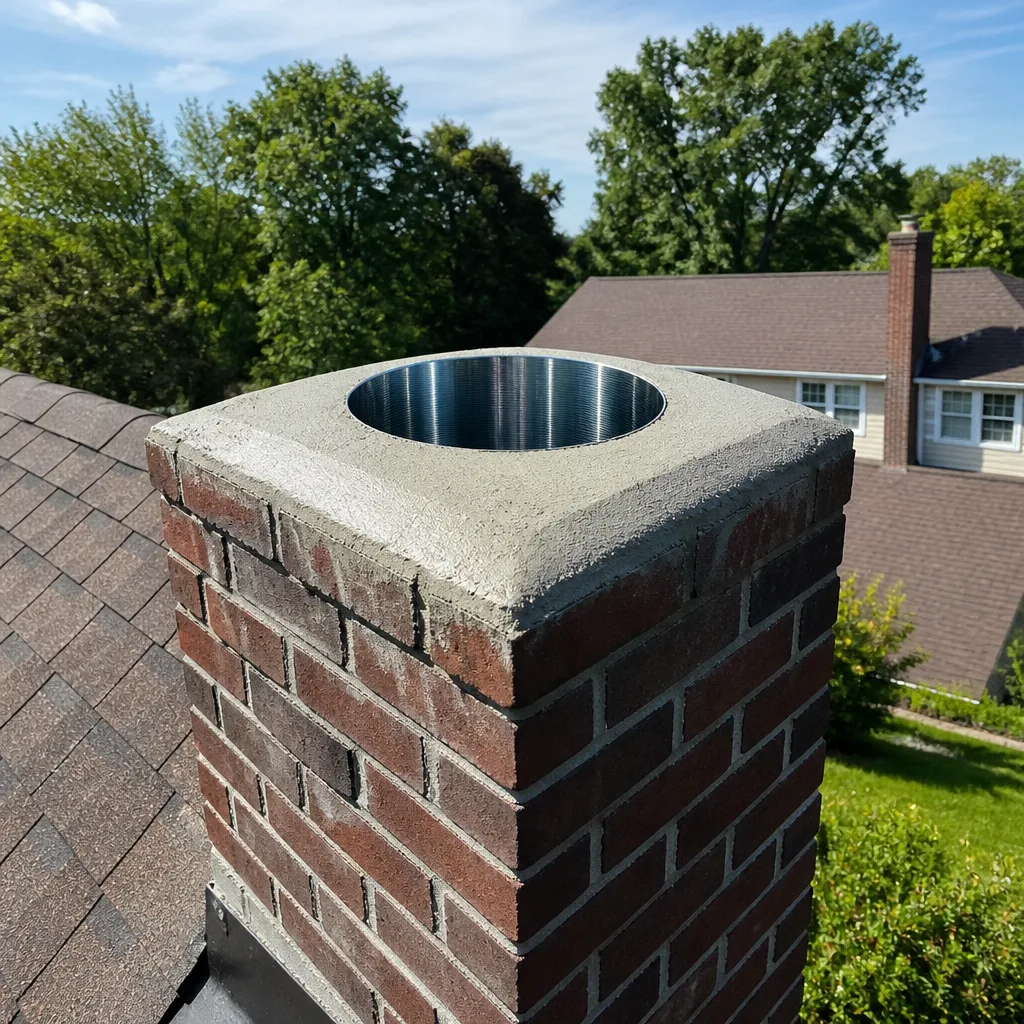 Flue relining
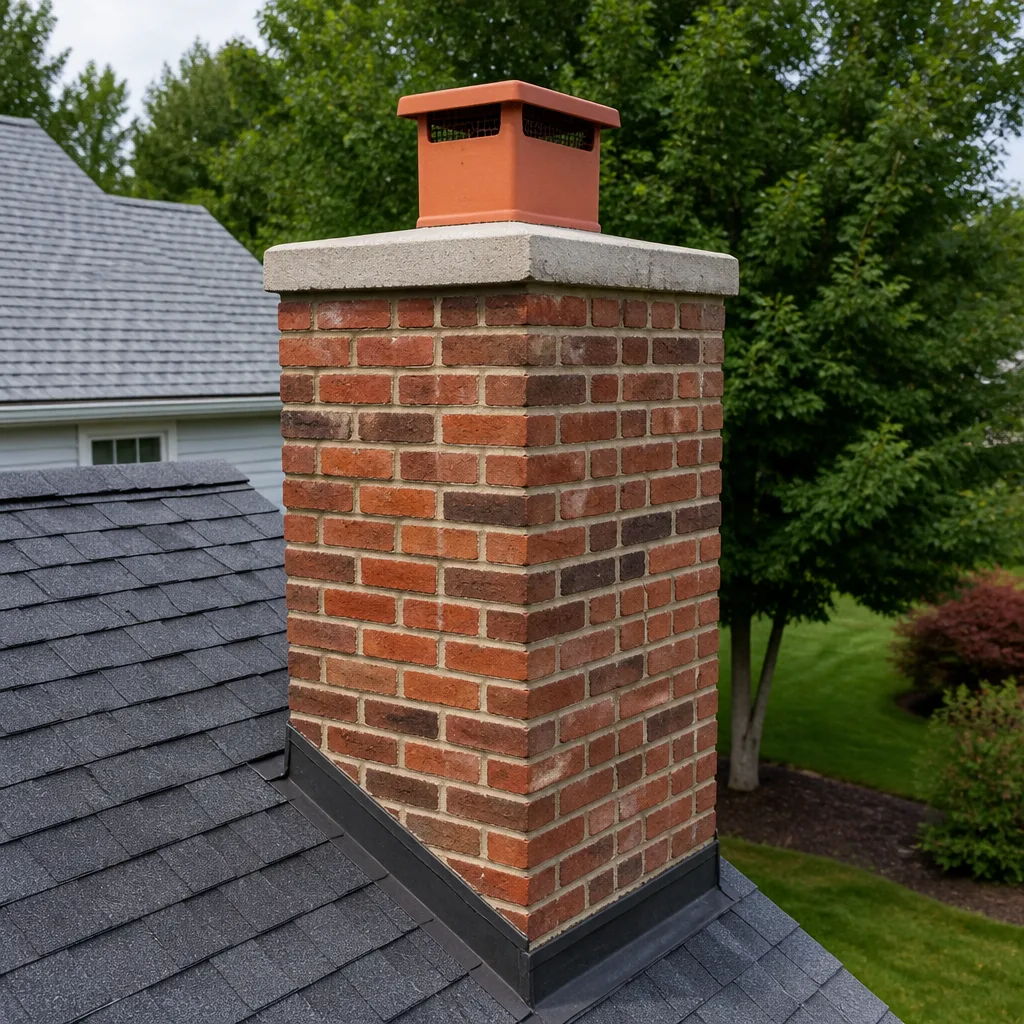 Masonry repair
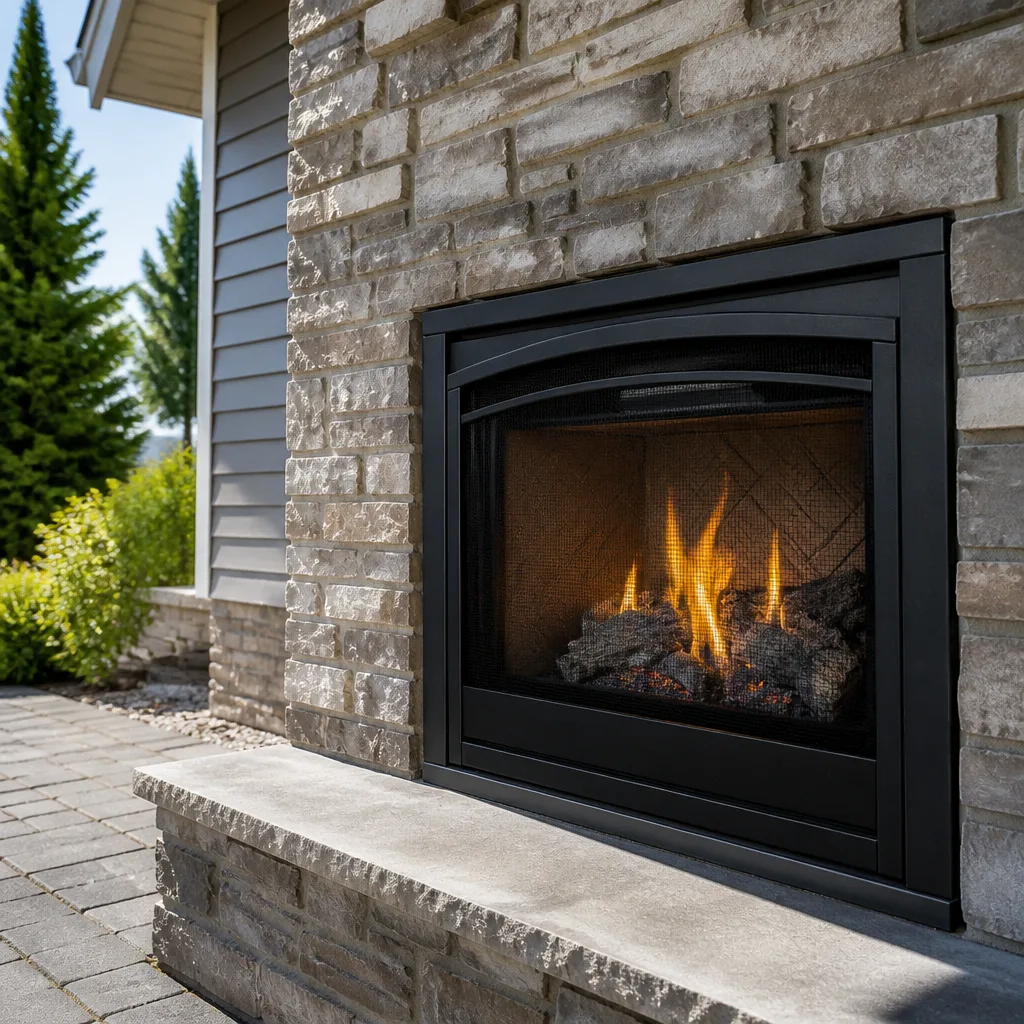 Gas fireplace service
Level 1 sweep and inspection to the NFPA 211 annual standard - flue, crown, cap, and flashing checked and photographed
Chimney sweep logs do not sweep chimneys. They loosen some creosote - which then falls where a brush and vacuum still have to collect it.
Chimney Sweep Maintenance Schedule: What to Do and When
The National Fire Protection Association says “at least once a year,” and most homeowners treat that as a tidy, universal rule. But if your gas fireplace in Surprise ran eight or ten times last winter and your dryer vent hasn’t been touched in three years, you’re maintaining the wrong system on the wrong calendar. A wood-burning home in a cold climate genuinely needs an annual sweep on a winter clock. A Surprise home running a gas insert and a clothes dryer needs a rhythm built around monsoon season and year-round lint. This guide gives you that calendar, month by month, plus what you can check yourself and what needs a certified sweep.
Quick Answer
For most Surprise homes, maintain the dryer vent year-round on a 12-to-18 month cleaning cycle, schedule a chimney inspection every 12 months, and add a professional sweep only if you burn real wood in meaningful volume. Around here the calendar should pivot on two dates more than any other: a pre-monsoon cap and crown check in May, and a post-monsoon debris check in October. Have a gas insert or gas log set inspected before the heating season in November.
Styles & brands we work with
- Sweep & inspection
- Caps & crowns
- Flue relining
- Masonry repair
- Gas fireplace service
Table of Contents
- Why a Generic Annual Schedule Doesn’t Fit Surprise
- The Surprise Month-by-Month Chimney Calendar
- Why Dryer Vent Cleaning Should Anchor Your Schedule
- Wood-Burning vs. Gas Log vs. Gas Insert: Different Intervals
- What You Can Check Yourself vs. What Needs a Certified Sweep
- How to Log Maintenance for Insurance and Home Sales
- Common Mistakes to Avoid
- When to Call a Professional
Why a Generic Annual Schedule Doesn’t Fit Surprise
Nearly every chimney maintenance article you’ll find online was written for a house that burns several cords of wood every winter and sits under snow for months. That’s not the typical Surprise home. Most of us run a gas fireplace or gas log set somewhere between 20 and 40 nights a year, mostly on the handful of genuinely cold evenings between December and February. Some homes have a wood-burning fireplace they use a few times a season, mostly for atmosphere. The rest of the year the chimney sits idle while the weather does something entirely different: dust, wind-driven grit, and the summer monsoon.
That mismatch matters. A schedule built around heavy wood smoke and freezing temperatures overweights the chimney and underweights the things that actually threaten Surprise homes. Here the big seasonal event isn’t a deep freeze. It’s the monsoon, a stretch of dust-laden wind and sudden rain that pushes debris, grit, and sometimes bird nesting material into caps and flues. Meanwhile, the one venting system most of us use every single week – the clothes dryer – doesn’t slow down in summer the way fireplace use does. Lint keeps building in July exactly as it does in December.
So the right maintenance rhythm for a Surprise home is flatter across the year and split between two systems. We’re a Chimney Sweep Surprise specialist, and we tell homeowners the same thing: think of your chimney and your dryer vent as two fire-risk vents that deserve the same attention, even though only one of them gets a paragraph in the average maintenance guide.
What is the “at least once a year” rule actually for?
That annual cadence exists so a professional can inspect the flue for creosote, soot, blockages, and structural deterioration, and catch problems before they become expensive or dangerous. For a heavily used wood-burning chimney, an annual sweep is a floor, not a target. For a lightly used gas appliance, the yearly event is the inspection; a physical sweep happens only when inspection finds enough to justify it. Same rule, different work.
The Surprise Month-by-Month Chimney Calendar
Here’s the calendar we’d hand a Surprise homeowner. It’s built around what the local seasons actually do to a chimney and dryer vent, not around a generic northern winter. Use it as a checklist and adjust for how much you actually burn.
- May – pre-monsoon cap and crown inspection. Before the summer storms arrive, have the chimney cap and crown looked at. A cracked crown or a loose cap lets wind-driven rain and grit into the flue. This is also the moment to confirm no birds or debris have set up in the flue during spring.
- June through September – the monsoon watch. After any major storm, glance at the cap and the firebox for signs of water intrusion. Water stains on the firebox or a musty smell near the fireplace after a storm are worth a professional look.
- October – post-monsoon debris check. Once the monsoon winds down, clear any debris, grit, or nesting material that blew into the cap or flue over the summer. This check is what keeps a small seasonal issue from becoming a fall repair.
- November – pre-season gas insert and gas log inspection. Before you start using the fireplace, have the insert or log set inspected and cleaned. This is your annual inspection event, and it confirms the flue and venting are clear and sound for the season ahead.
- December through February – use season. Run the fireplace as you like. Watch for any change in draft, smell, or noise.
- March – post-season review. Once you stop using the fireplace, note anything that felt off over the winter and log the season’s uses so you carry that record forward.
- Anytime – dryer vent cleaning. Run this on its own 12-to-18 month cycle regardless of the month. Don’t tie it to the fireplace calendar.
That calendar fits the way people actually live in neighborhoods across Surprise, from the newer build-outs on the west side to older homes closer to the center. The two anchors – May and October – are the ones people skip, and they’re the ones that protect the chimney during the season most likely to cause trouble.
Why Dryer Vent Cleaning Should Anchor Your Schedule
Here’s the counterintuitive part of any maintenance plan for a Surprise home: the vent that matters most may not be the chimney. It’s the dryer vent. Lint is one of the leading causes of residential fires, and unlike fireplace use, laundry doesn’t take a season off. A household running several loads a week builds lint continuously, and the buildup doesn’t slow in July the way fireplace use does in summer. If you clean the chimney every year but haven’t touched the dryer vent in three, your attention is on the system that runs a few dozen times a year, not the one that runs hundreds.
We treat dryer vent cleaning as a core service line, not a throw-in, for exactly that reason. It’s one of the leading residential fire causes, and it’s the vent most homeowners overlook. The right cleaning interval depends on your household: a large family doing daily loads and a single person doing two loads a week don’t share a schedule. A general guide is 12 to 18 months, and more often if you notice clothes taking longer to dry, a hot dryer top, or a load that comes out damp.
What are the warning signs a dryer vent is overdue?
- Clothes take noticeably longer to dry than they used to.
- The dryer or the wall behind it feels hot to the touch.
- You smell a faint burning or musty odor near the dryer.
- The exterior vent flap barely moves when the dryer runs.
- It’s been more than a year and a half since the vent was last cleaned.
None of those signals mean a fire is imminent, and none of them are a reason to panic. They’re simply the signs that the vent deserves a look. The advantage of pairing dryer vent work with chimney work is that you address two fire-risk venting systems in a single visit instead of juggling two contractors on two calendars.
Wood-Burning vs. Gas Log vs. Gas Insert: Different Intervals
Not every chimney earns the same annual visit. The interval that’s right for your home depends on what’s actually burning in it. Here’s how we break it down for Surprise homeowners.
Wood-burning fireplaces
A real wood fire produces creosote, and creosote is what an annual sweep exists to remove. If you burn wood regularly – say, several fires a week through the cool months – plan on an annual inspection and a sweep whenever buildup justifies it. If you burn a handful of fires a season for ambiance, the yearly inspection still applies, but the sweep may wait longer. There’s no shortcut around the inspection itself: creosote and soot are what you can’t see from the hearth.
Gas log sets
A gas log set sits in an open fireplace and burns gas, so it produces far less creosote than a wood fire. But it still needs an annual inspection to confirm the flue is clear, the logs are positioned correctly, and nothing has blocked the venting over the year. Gas logs also can leave residue that a visual inspection will catch.
Gas inserts
A gas insert is a sealed appliance and vents differently from an open fireplace. Its annual inspection still matters – it confirms the venting is sound and the appliance is clean – but the physical sweep profile is different again. For a Surprise home running a gas insert 30 nights a year, the yearly event really is the inspection, and a full sweep is only needed if the inspection finds a reason.
Inserts and log sets differ enough that it’s worth knowing exactly what you have. If you’re unsure whether you’ve got an insert or a log set, the annual inspection is the moment to sort it out. Our technicians have up to 9 years of experience across all three setups and will tell you plainly which category your fireplace falls into.
What You Can Check Yourself vs. What Needs a Certified Sweep
There’s a useful line between the checks a homeowner can safely do between professional visits and the work that requires a trained, credentialed sweep. Knowing that line protects both your time and your safety.
You can safely do these between professional visits
- Visual cap check. From the ground, look up at the chimney cap. Confirm it’s present, sitting level, and free of obvious cracks or debris. Binoculars help.
- Damper operation test. Open and close the damper to confirm it moves freely and seals properly when shut.
- Firebox glance. Look inside the firebox for water stains, cracked bricks, or debris that shouldn’t be there.
- Dryer vent exterior flap check. Confirm the outside vent flap opens when the dryer runs and closes when it stops.
- Dryer performance note. Keep an eye on drying times and dryness; a slow dryer is a signal worth recording.
Leave these to a professional
- Anything inside the flue. Creosote, soot, blockages, and flue-joint condition require a camera and training to assess safely.
- Liner inspection and repair. This is not a homeowner job, and it’s the inspection finding that drives most real repair work.
- Firebox and flue-joint restoration. Deteriorated joints need a professional restorer.
- Cleaning the dryer vent. The hidden run of duct behind the wall is where lint collects, and it needs the right tools to clear safely.
When a professional finds a problem, ask for the evidence. A sound inspection should back up its findings with a camera look into the flue and photos you can see for yourself. Nothing should be recommended without that evidence in front of you, and it’s entirely fair to ask what can safely wait.
How to Log Maintenance for Insurance and Home Sales
Keeping a simple maintenance log is one of the easiest things a homeowner can do, and it pays off at exactly the two moments when documentation matters: a homeowner’s insurance conversation and a home sale inspection. Insurers and inspectors both respond to a clear record of when the chimney and dryer vent were last serviced and what was found. A folder of receipts and inspection notes answers those questions in seconds.
Here’s what a useful log looks like. Keep it simple enough that you’ll actually maintain it.
- Date of each service. Record when the chimney was inspected or swept and when the dryer vent was cleaned.
- Who did the work and what they found. Note the findings, including any camera evidence, photos, and repair recommendations.
- Repairs performed. Log any liner, crown, firebox, or flue-joint work, including the materials used.
- Seasonal DIY checks. Jot the dates of your own cap and damper checks.
- Photo archive. Keep the inspection photos together; they’re worth more than a paragraph when documentation is requested.
This is where working with a full-service specialist helps. When cleaning, inspection, and repair are handled by the same professional call, your record stays complete in one place instead of scattered across two contractors and a handyman. Chimney Sweep Surprise covers chimney sweeping, chimney repair, and dryer vent cleaning under one roof, and inspection findings can be fixed on the same job, which makes the documentation cleaner for you.
Common Mistakes to Avoid
- Following a cold-climate schedule in a mild climate. Copying an annual “burn season” routine written for snowy winters means you skip the pre-monsoon and post-monsoon checks that matter here. Time your inspections to the local storms, not the calendar up north.
- Cleaning the chimney every year but ignoring the dryer vent. The fireplace runs a few dozen times a year; the dryer runs hundreds. If only one vent gets attention, make it the one with the most year-round lint.
- Assuming a gas fireplace needs no inspection at all. Gas inserts and log sets produce far less creosote than wood, but the annual inspection is still how blockages, residue, and venting problems get caught.
- Skipping the post-monsoon debris check. Monsoon wind and rain push grit and nesting material into caps and flues. The October check is the cheapest way to stop that buildup from turning into a repair.
- Accepting a repair recommendation without seeing the evidence. Any liner or firebox work should come with a camera look into the flue and photos you can review. Ask to see them before agreeing to anything.
- Letting the maintenance log lapse. A thin record is a headache at an insurance conversation or a home sale inspection. Log every visit, finding, and repair as it happens.
- Handing liner or flue work to a general handyman. The flue is the part of the system you can’t see, and it needs a trained, credentialed professional with the right tools and materials.
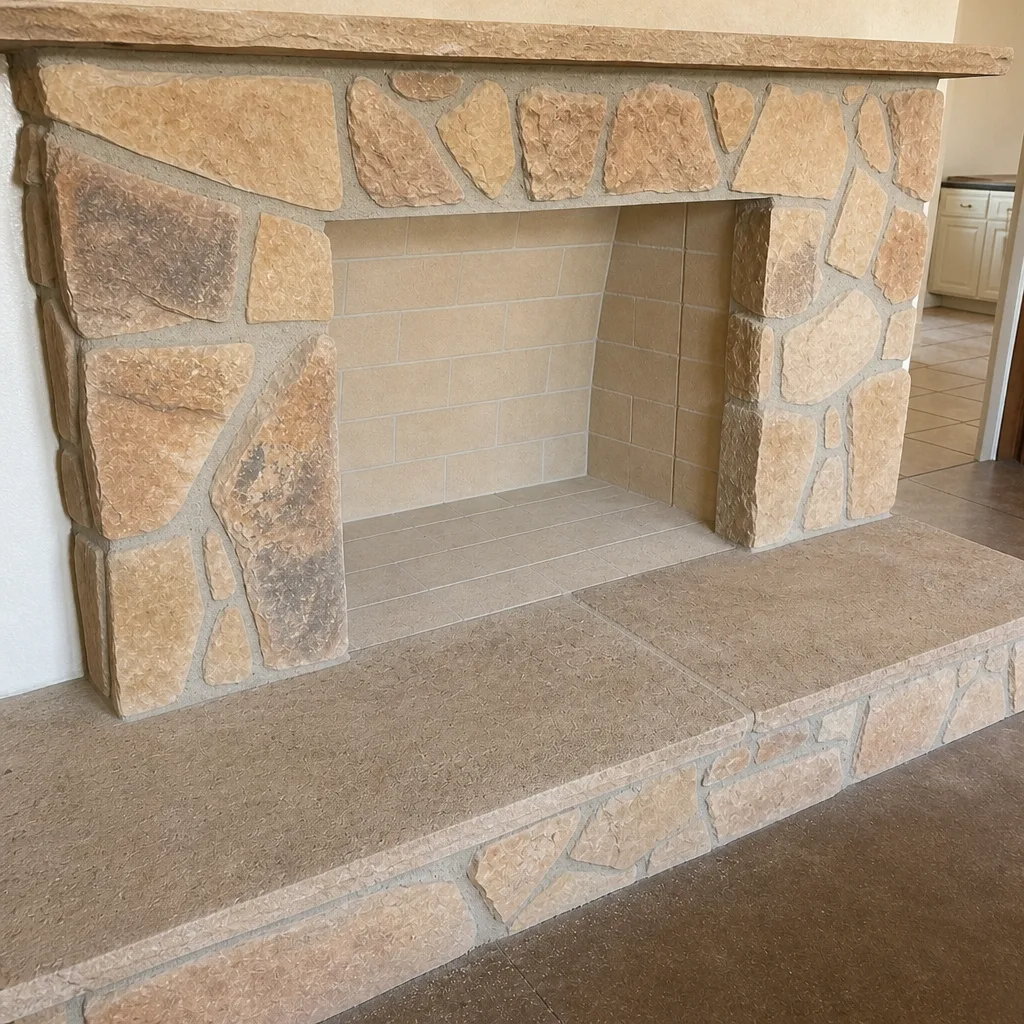
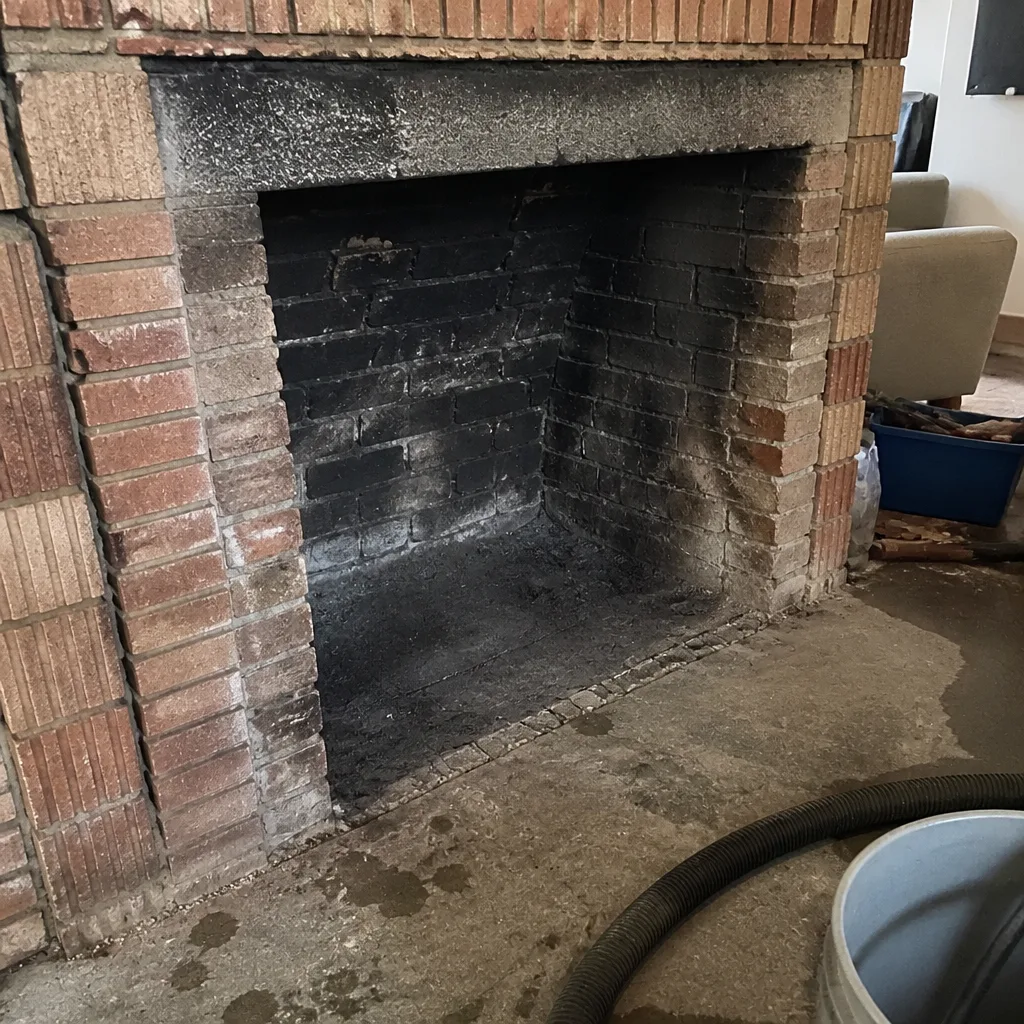
See the difference
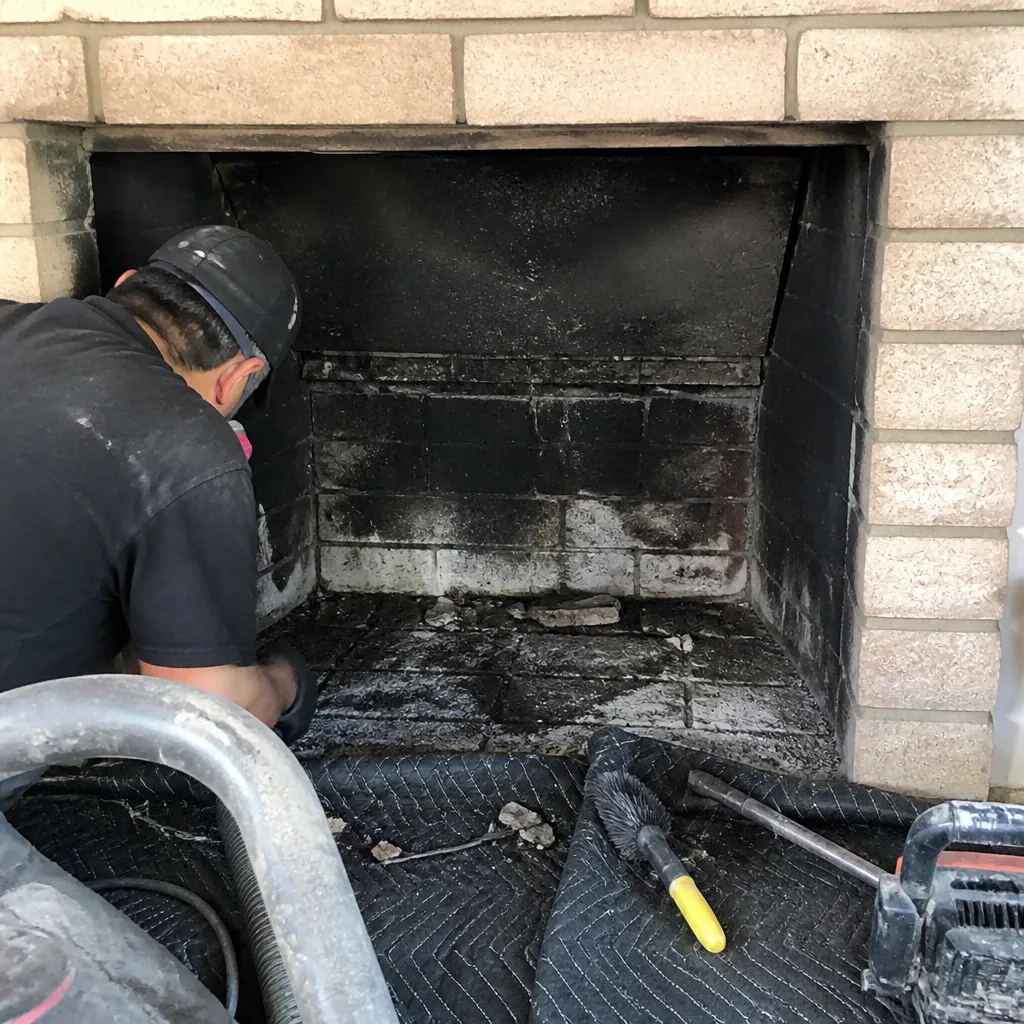 Before
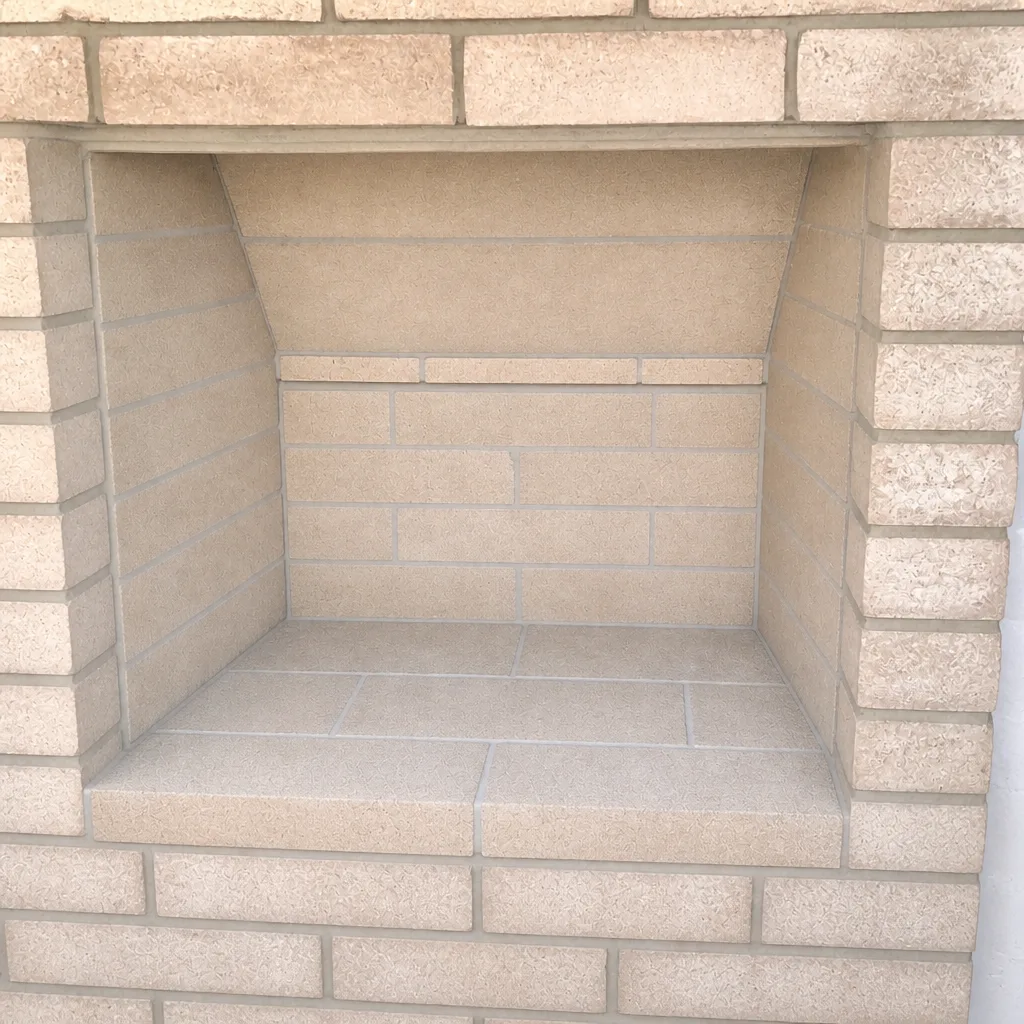 After
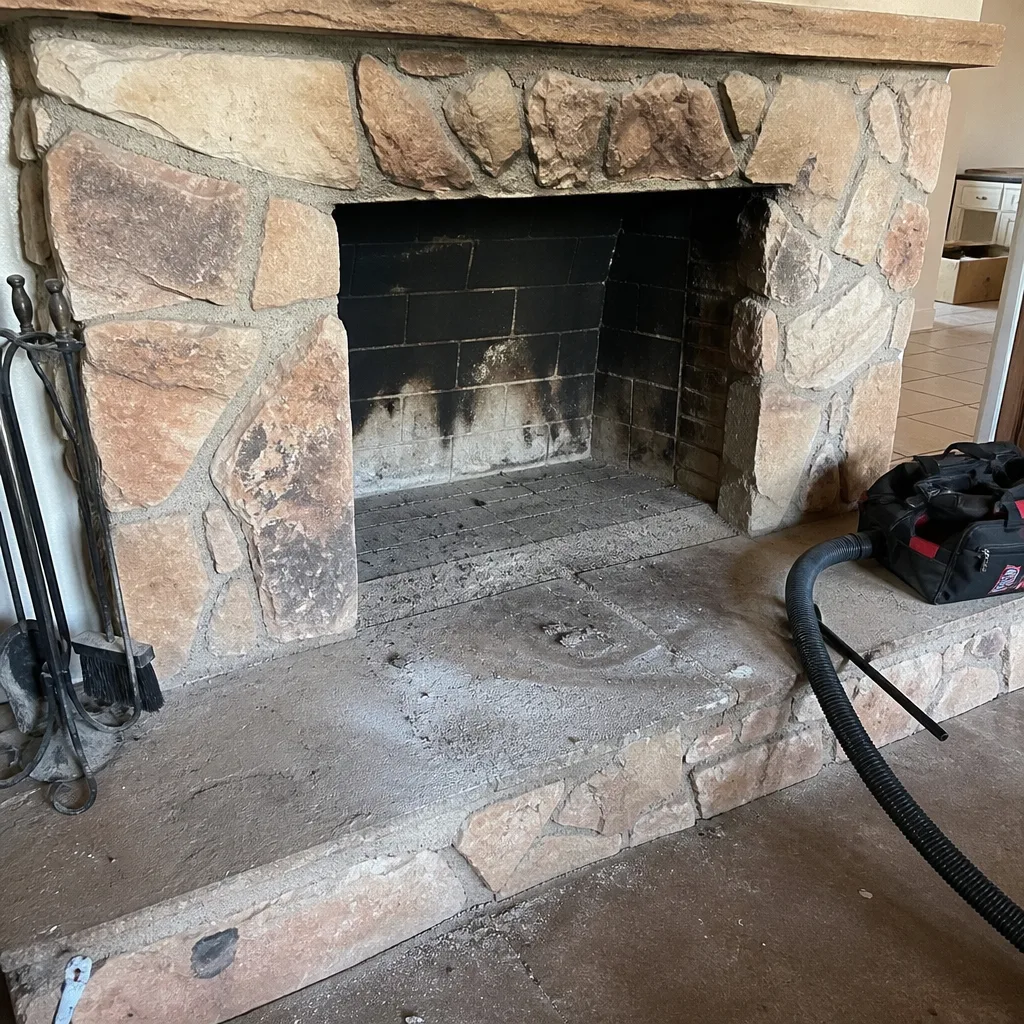 Before
 After
 Before
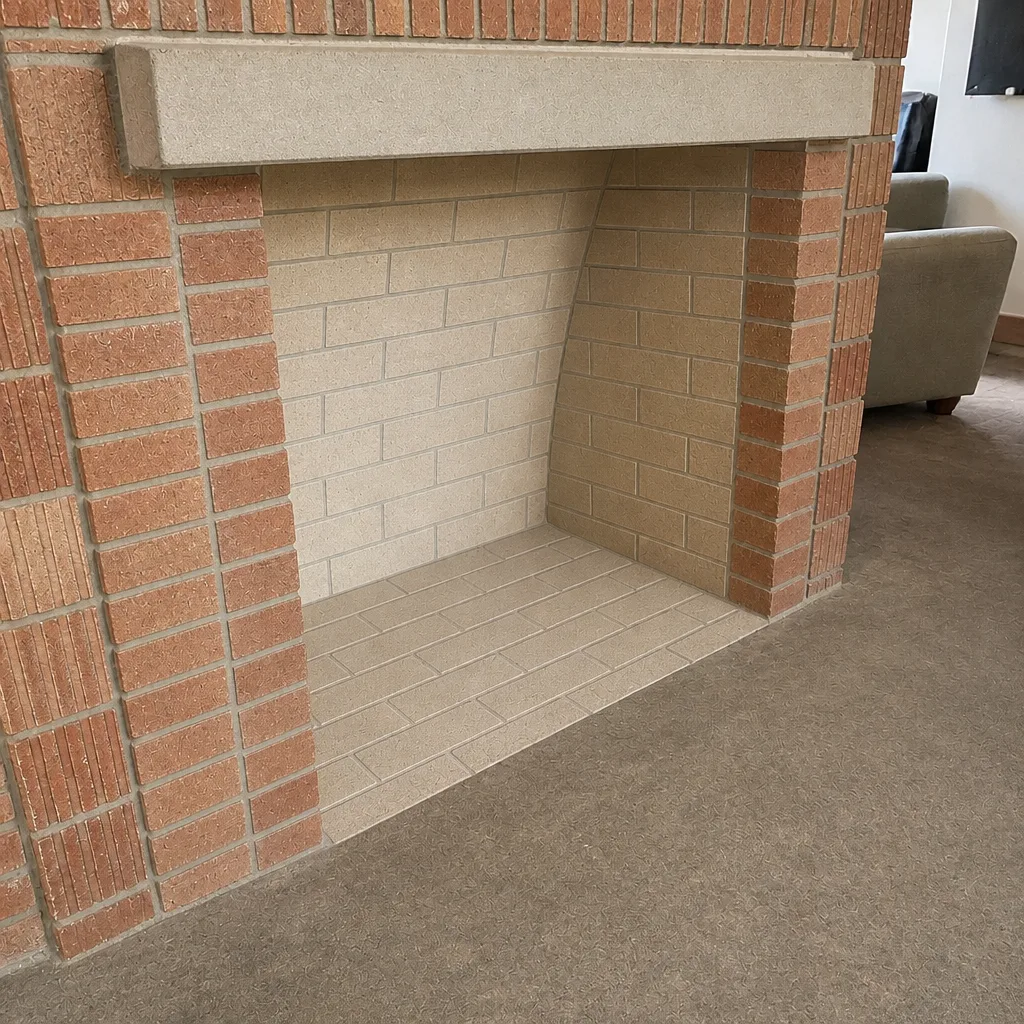 After
When to Call a Professional
Some situations call for a professional visit right away rather than waiting for the next scheduled inspection: a chimney that smells strongly when the fireplace is unused, visible water staining in the firebox after a storm, a dryer that suddenly takes far longer to dry a load, a damper that won’t close, or any crack you can see in the crown or firebox. If you’ve never had the chimney or the dryer vent inspected, that’s also a reason to call – an initial inspection establishes a baseline for the log you’ll keep going forward. And if it’s simply been more than a year since the last inspection, don’t wait for a problem to appear. Chimney Sweep Surprise offers free estimates in Surprise – call (833) 842-7310. We answer 24/7. Fast dispatch from 7am to 7pm.
Frequently Asked Questions
Most Surprise homes need a chimney inspection every 12 months, and an actual sweep only when inspection finds enough creosote or soot to justify it. A lightly used gas fireplace or gas insert often needs the inspection more than a full sweep. If you burn real wood regularly, expect an annual inspection and periodic sweeps. Call (833) 842-7310 for a free estimate – the written estimate sets the final price.
Plan on a dryer vent cleaning every 12 to 18 months on average, more often for a busy household, because lint builds year-round and doesn’t slow down in summer like fireplace use does. Lint is one of the leading residential fire causes, so it’s the vent most worth keeping on a schedule. If drying times have crept up or the dryer feels hot, call (833) 842-7310 for a free estimate.
Skipping maintenance lets creosote, soot, debris, and water intrusion go undetected, and those are the conditions that lead to chimney fires, blockages, and structural damage over time. An unseen cracked crown or a blocked flue can turn a small issue into an expensive repair. The annual inspection is how you catch those early. Call (833) 842-7310 for a free estimate – nothing is recommended without camera evidence you can see.
Yes. A gas log set or gas insert still needs an annual inspection to confirm the flue is clear, the venting is sound, and the appliance is clean, even though it produces far less creosote than wood. The inspection is your chance to catch blockages or residue before the season starts. Call (833) 842-7310 for a free estimate – the price is set by the written estimate.
Yes. We handle chimney sweeping, chimney repair, and dryer vent cleaning, so you can address both fire-risk venting systems in a single appointment and have inspection findings fixed on the same job rather than booking a second contractor. We work with professional-grade brands including Gelco and Olympia Chimney for vents and components. Call (833) 842-7310, and the written estimate will lay out the work.
Schedule the pre-monsoon cap and crown check in May and the post-monsoon debris check in October, with a pre-season inspection of any gas insert or log set in November. Those three points fit the way Surprise weather affects a chimney. Dryer vent cleaning can run any month on its own cycle. Call (833) 842-7310 for a free estimate – we answer 24/7 with fast dispatch from 7am to 7pm.
The Bottom Line
The “once a year” rule isn’t wrong, it’s just incomplete for a Surprise home. Build your schedule around what the local weather actually does – a pre-monsoon cap and crown check in May, a post-monsoon debris check in October, and a pre-season inspection of any gas insert or log set in November. Give the dryer vent its own 12-to-18 month cycle, since lint builds year-round and doesn’t slow in summer. Match the interval to your setup, keep a simple maintenance log, and ask for camera evidence before agreeing to any repair. Chimney Sweep Surprise covers sweeping, repair, and Surprise dryer vent work in one call, so both of your fire-risk vents stay on track. Call (833) 842-7310 for a free estimate. We answer 24/7. Fast dispatch from 7am to 7pm, Sunday through Friday.
Written by the team at Chimney Sweep Surprise.