
Last updated November 14, 2026
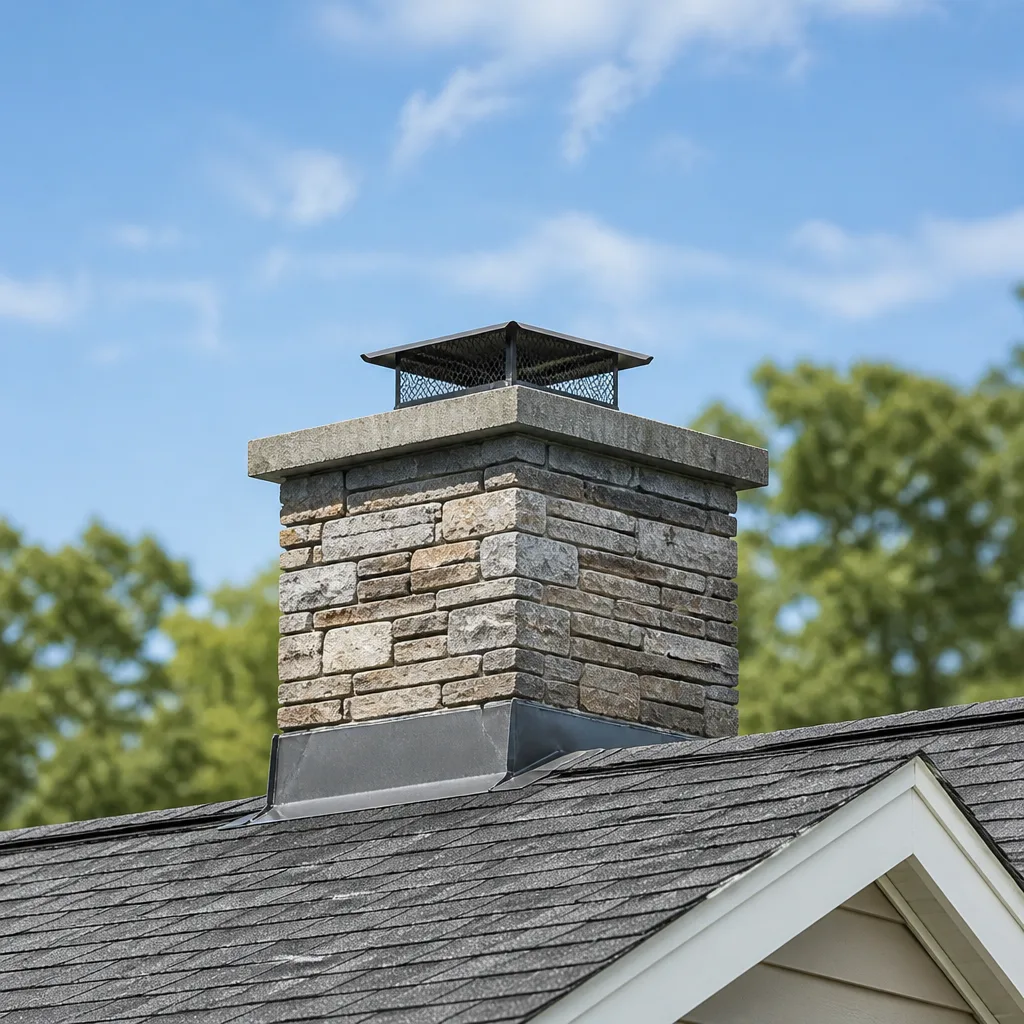 Sweep & inspection
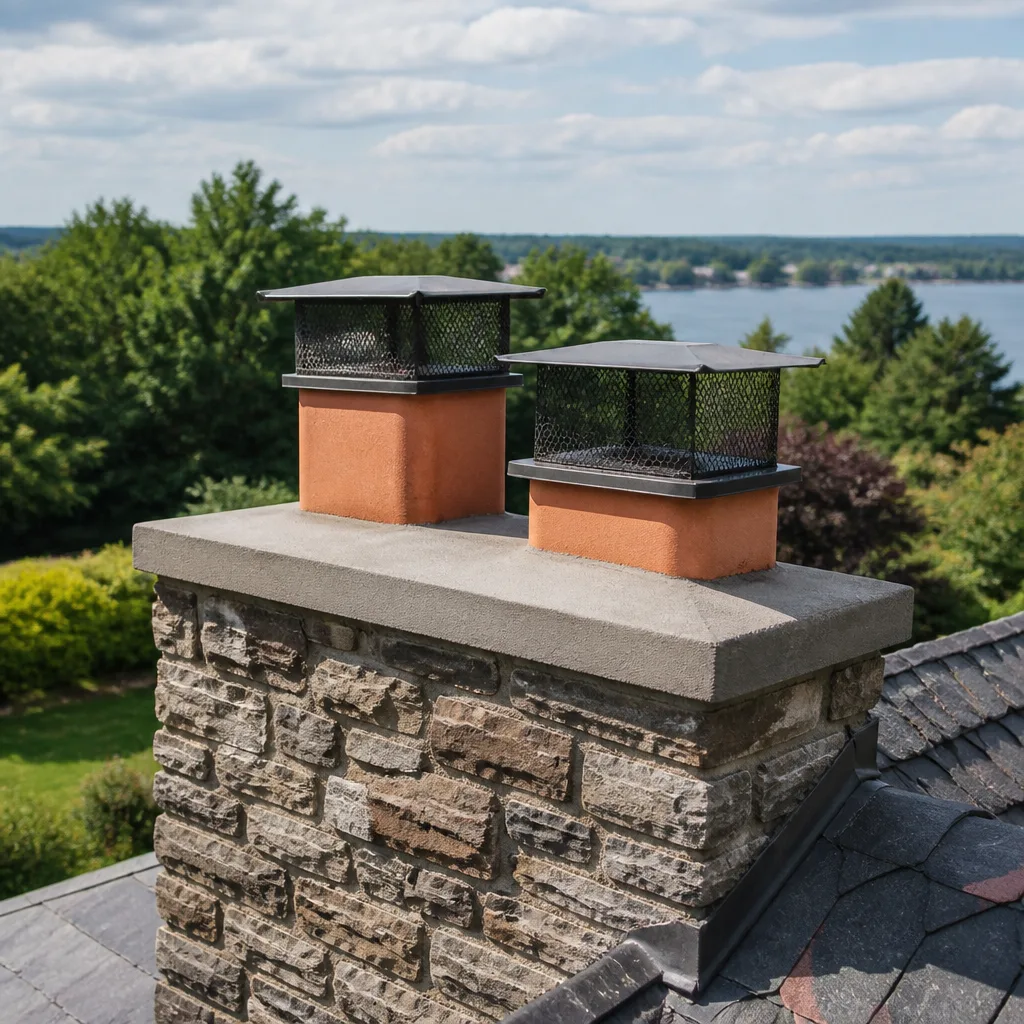 Caps & crowns
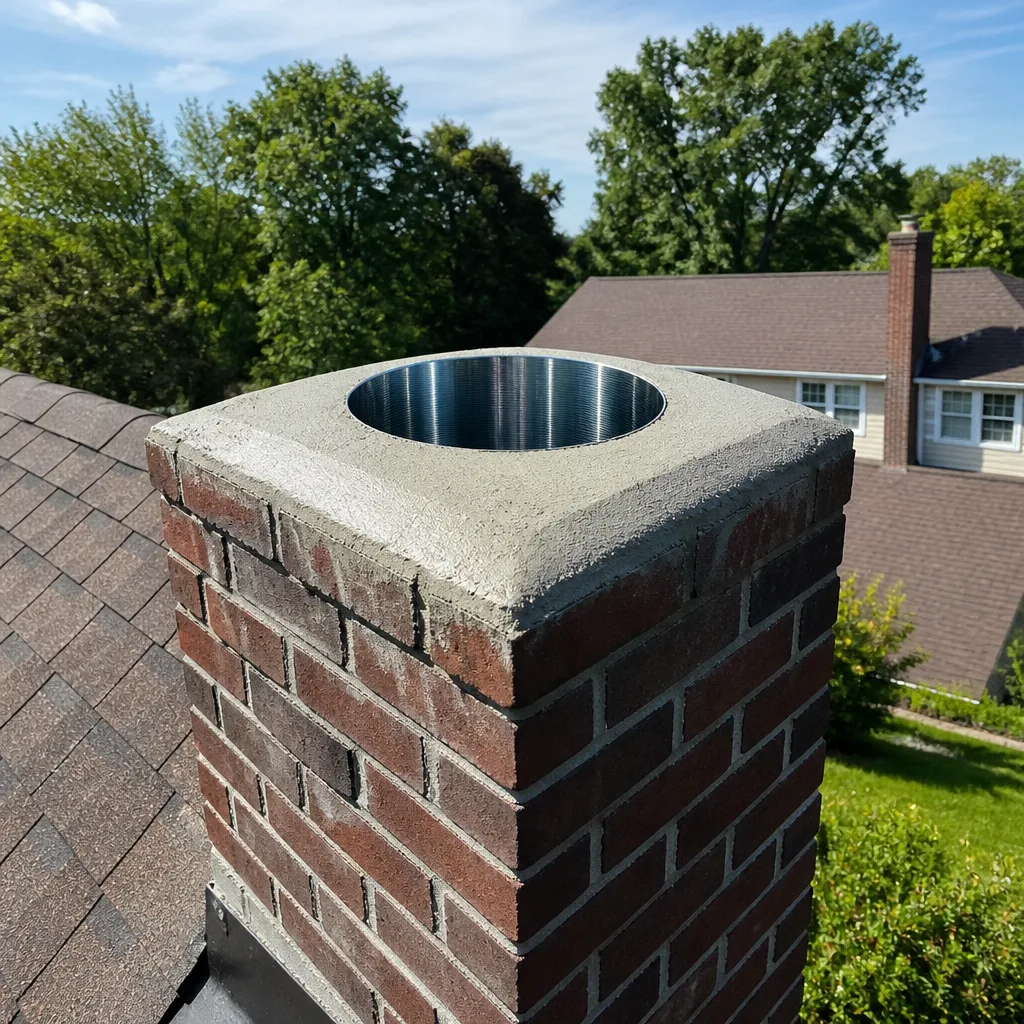 Flue relining
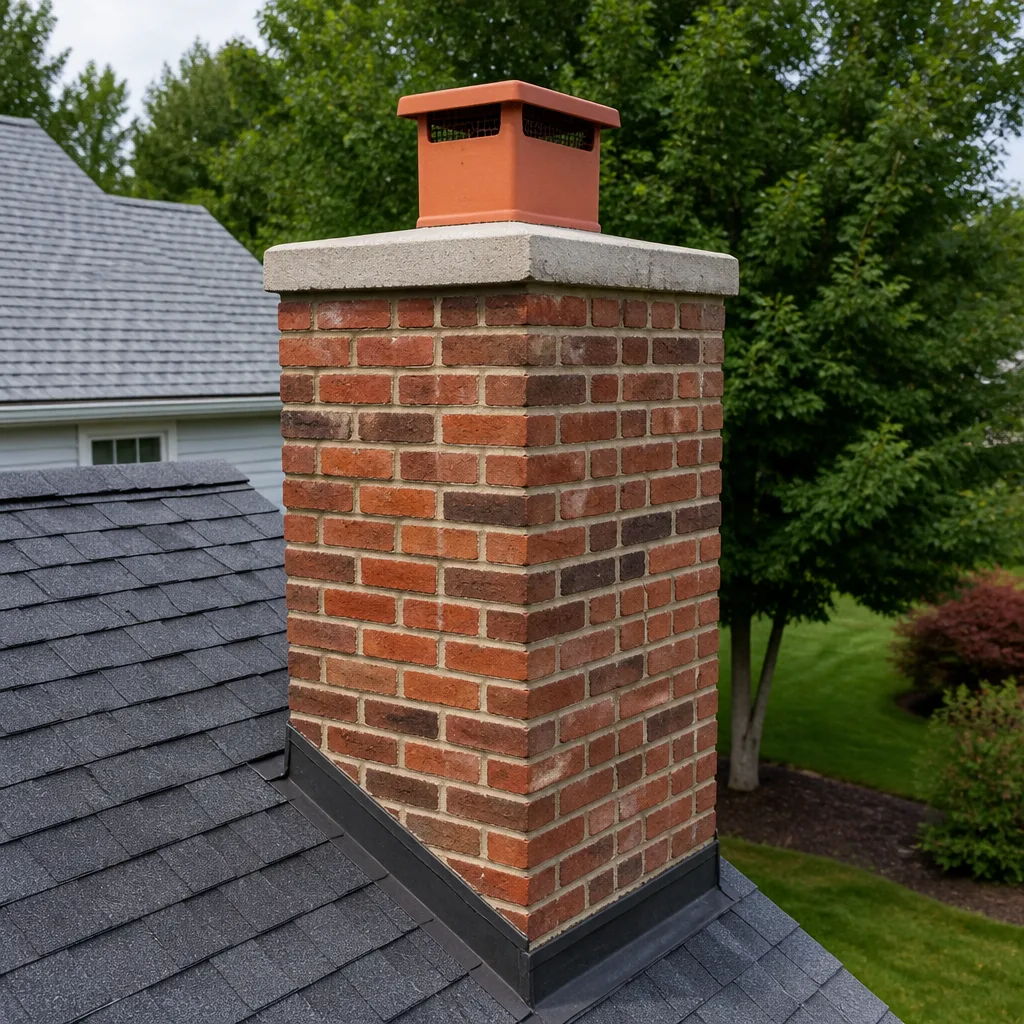 Masonry repair
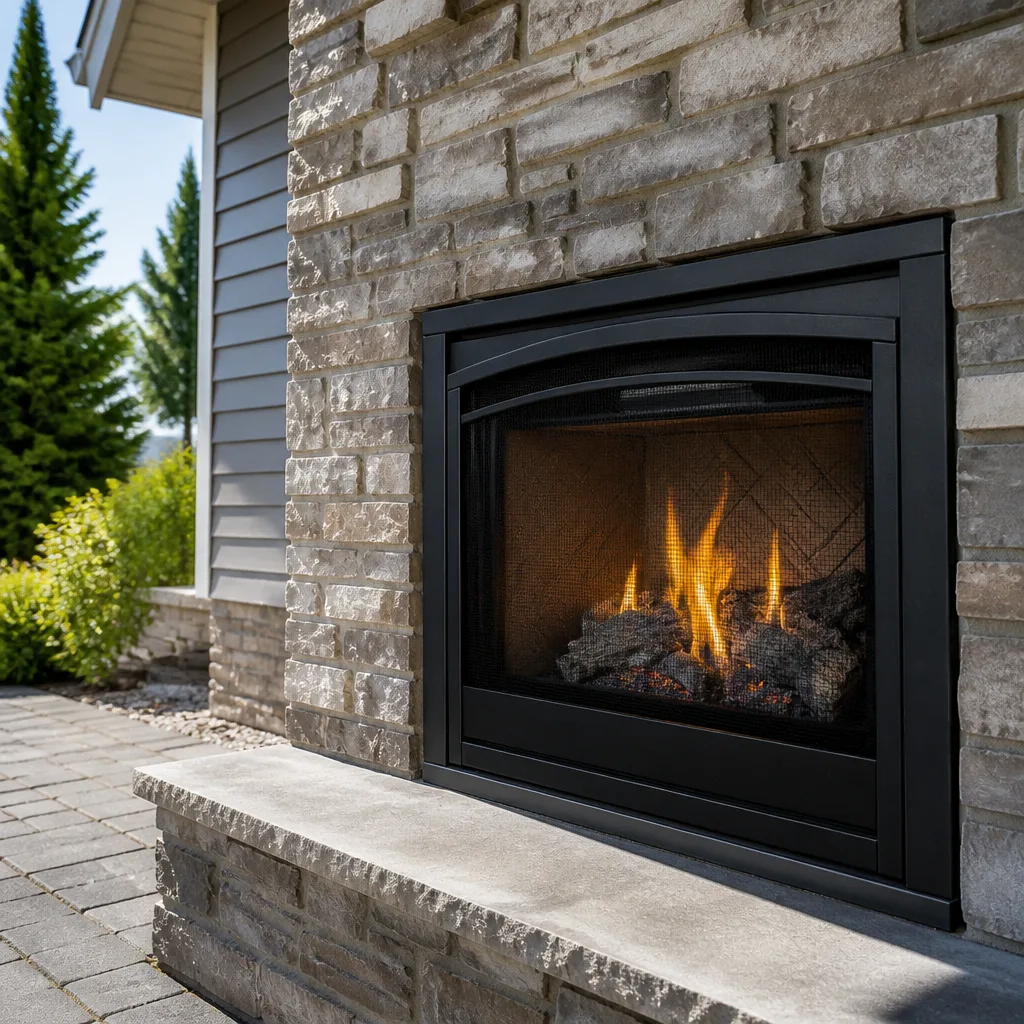 Gas fireplace service
Level 1 sweep and inspection to the NFPA 211 annual standard - flue, crown, cap, and flashing checked and photographed
Chimney sweep logs do not sweep chimneys. They loosen some creosote - which then falls where a brush and vacuum still have to collect it.
The Complete Guide to Chimney Cleaning in Surprise
Most chimney guides assume you’re burning wood six months out of the year. That advice comes from places with real winters, and it lands sideways in Surprise, where the average homeowner might light fifteen fires in a whole season. Here’s the odd part: a flue that barely sees flame can still fill up with debris, because monsoon season can pack more into a chimney than a full Wisconsin winter ever would. In this guide we’ll walk through what chimney cleaning actually involves in Surprise, how desert conditions change the maintenance calendar, what an inspection should tell you, and how to tell an urgent repair from one that can wait.
Quick Answer
Chimney cleaning in Surprise means removing creosote, soot, and monsoon-blown dust from the flue, then inspecting the liner, crown, cap, and firebox for damage the desert climate accelerates. Most homes here need a sweep based on how much they’ve actually burned and what the flue looks like inside, not on a fixed yearly schedule. Any home with a wood-burning fireplace should have a Level 1 inspection at least once a year, and a Level 2 inspection whenever the fireplace, fuel type, or connected appliance changes.
Styles & brands we work with
- Sweep & inspection
- Caps & crowns
- Flue relining
- Masonry repair
- Gas fireplace service
Table of Contents
- Why Chimney Cleaning in Surprise Isn’t Like the National Advice
- How Often Does a Surprise Chimney Really Need Cleaning?
- Monsoon Debris and Liner Deterioration in Rarely-Used Chimneys
- Heat Cycling and Mortar Joint Cracking in the Southwest
- Level 1 vs. Level 2 Inspection: Which One Your Surprise Home Needs
- What a Full-Service Venting Specialist Checks That a Sweep-Only Crew Misses
- How to Read a Chimney Cleaning Report
- Your Dryer Vent: The Other Fire-Risk System in the House
Why Chimney Cleaning in Surprise Isn’t Like the National Advice
Search for chimney maintenance advice and you’ll get a picture built for cold country: annual sweeps, cords of firewood, creosote measured in inches. Surprise doesn’t work that way. Fires here are occasional. Many homes run a gas insert more often than they burn wood. The fireplaces are real, but the usage pattern is light, and that changes what your chimney actually needs.
What doesn’t change is the basic physics. Every fire deposits creosote and soot on the flue walls regardless of how often you light one. A cool, slow smoky fire actually leaves behind more of the sticky, flammable kind of creosote than a hot burn does, because the gases don’t fully combust on the way up. Short, gentle fires on cool Surprise evenings – the kind people here tend to build – can build up glaze faster than a hard-burning fireplace in a colder climate.
Then there’s everything that gets in from outside. Surprise sits in the open desert, and dust is simply part of life. Wind-blown grit, pollen, and dried plant material work their way past caps and settle in flues. Add monsoon wind to the mix and the inside of a chimney can look like the inside of a dust collector even in a house where the fireplace sat unused all year. Generic guides skip all of this, which is why so many Surprise homeowners are surprised by what comes out of their flues.
Our take: treat your chimney like a system with two clocks running. One clock is burn hours, the other is weather and debris. Here, the second clock runs faster than most people expect.
How Often Does a Surprise Chimney Really Need Cleaning?
The honest answer is: whenever the buildup reaches a point that warrants it, which is not a fixed number of months. The standard industry guidance is to have the chimney inspected once a year regardless of use, and swept when the inspection shows enough creosote or obstruction to justify it. In a cool, dry-season-burning climate, that usually means an annual inspection and a sweep every one to three years, depending on how you burn and what gets in.
There are concrete signals that move you up the list:
- Soot flakes falling into the firebox or onto the hearth when the fireplace is idle.
- A smoky smell in the room that used to burn cleanly – often a sign the flue is partially blocked.
- Draft that feels weak or erratic when you light a fire.
- Visible glaze on the flue walls, which you can sometimes glimpse with a flashlight from the firebox.
- Any animal activity around the chimney cap – more on this below.
- A move-in, a fuel change, or a fireplace renovation, all of which call for a closer look.
If your household lights a fire most nights through the cool months, your sweep interval will be shorter than a house that lights a dozen fires a season. That’s the whole point: in Surprise, the maintenance calendar is set by how you actually use the chimney, not by what a generic national guide publishes.
For a baseline on scheduling and safety practices, see our chimney sweep page.
Monsoon Debris and Liner Deterioration in Rarely-Used Chimneys
Monsoon season is the single biggest reason a Surprise chimney that never sees fire can still need attention. Driving wind and horizontal rain push dust, grit, leaves, and the occasional nesting material into chimney caps, flues, and fireboxes. That debris does two things: it blocks the flue, and it traps moisture against the liner.
Moisture is the enemy of a masonry chimney. In a climate where you might not build a fire for months, a wad of damp debris sitting at the smoke shelf keeps the flue interior humid long after the storm ends. Over several seasons, that humidity weakens mortar joints, accelerates spalling on the flue tiles, and can damage a metal liner’s seams. This is what we mean when we say a rarely-used chimney can deteriorate from weather rather than use. The damage starts in the off-season, and it starts quietly.
What that means in practice:
- Inspect after monsoon season, ideally in the fall before your first fires, when any debris is still fresh and easy to clear.
- Check the cap and spark arrestor for dents, corrosion, or gaps that let wind-driven grit in.
- Look for staining on the chimney exterior or ceiling around the flue, a sign of moisture tracking down.
- Don’t assume “I didn’t use it” means “it’s fine.” Time and weather do their work whether the fireplace is lit or not.
Caps are the front line here. A cap that fits poorly or has lost mesh is an open door for desert wind, birds, and grit. When we install or replace a cap, we use brands like Olympia Chimney, whose caps and accessories hold up to sun and thermal stress better than the flimsy builder-grade caps many homes here were fitted with. If your cap has seen ten summers, it’s worth a look.
Heat Cycling and Mortar Joint Cracking in the Southwest
Southwest summers run at 110°F or higher, and Surprise winters settle into a mild but real cool season. That swing – extreme heat and mild cool, repeated season after season – puts a specific kind of stress on a masonry chimney. The chimney expands and contracts with the temperature, and mortar joints, which are rigid, take the strain. Hairline cracks develop. Once a joint cracks, water from the occasional monsoon rain can get into the wall and freeze-freeze is not the concern here; the damage comes from humidity and repeated wetting and drying, which slowly eats at the joint and the brick faces.
A few things follow from this:
- Cracked mortar joints are the most common structural finding in southern Arizona chimneys, and they show up more on the sunny-facing side.
- Crown condition matters as much as the flue. A cracked crown lets water run down the chimney rather than shed off it.
- Flue tile joints – the joints between the clay liner sections – can open with movement. That’s the failure point the Chimney Sweep Surprise team watches most closely, because an open joint lets heat reach combustible framing.
This is also where HeatShield matters. A deteriorating flue with open joints used to mean a full reline or an expensive rebuild. HeatShield is a restoration system that resurfaces and reseals the flue interior and firebox from the inside, so you can address joint damage without demolition. Not every flue is a candidate; a flue with structural failure or severe spalling still needs a full liner. But when the problem is joint gaps and surface deterioration, HeatShield is often the difference between a repair and a rebuild.
If your flue has an offset or a complex path – common in homes where the fireplace was added at a later stage – a rigid liner may not fit. That’s where a flexible system like DuraFlex earns its keep, because it follows the flue contours instead of forcing a straight run through it.
Level 1 vs. Level 2 Inspection: Which One Your Surprise Home Needs
The CSIA defines three inspection levels, and knowing which one you need saves you money and prevents missed problems. For most Surprise homes, a Level 1 inspection is the routine check, and a Level 2 is the one triggered by a change.
- Level 1: A visual inspection of readily accessible portions of the chimney and connected appliance, no special tools required. This is the annual check – confirm the flue is clear, the liner intact, and the firebox sound. It’s the right level for a chimney that’s been in continuous use since its last inspection.
- Level 2: More thorough, using video scanning and access to areas a Level 1 can’t see. It’s called for when there’s been a change in the chimney’s condition or use: a home purchase, an appliance change, a fuel-type change, a remodel, or after a chimney fire or other significant event.
- Level 3: Diagnostic level conducted when a hazard is suspected that requires access to concealed portions – rarely needed, but important when it is.
Here’s why the gas vs. wood distinction matters specifically in Surprise. A lot of homes here have a gas log set installed in what was originally a wood-burning fireplace. That conversion is exactly the kind of change that calls for a Level 2 inspection, because a gas insert vents differently, needs its own venting arrangement, and the flue that was sized for wood may not suit it. Homes with an original wood-burning fireplace still on a Level 1 cadence are a different case. Knowing which one you have tells you which inspection to book.
If you’ve never had one done, or you can’t remember the last time, a Level 2 is the safe starting point. Call us to talk through which inspection fits your setup.
What a Full-Service Venting Specialist Checks That a Sweep-Only Crew Misses
A sweep-only crew comes in, brushes the flue, and leaves. That’s useful, but it’s only part of the chimney system. A full-service venting specialist inspects the whole assembly, because a cleared flue behind a broken crown or a missing cap will simply fill up again – and worse, the parts that fail quietly are the ones most likely to cause a problem.
What the full picture covers:
- Cap and spark arrestor: fit, mesh condition, corrosion, and animal access. Desert wildlife – birds, and occasionally small mammals – find chimneys appealing, and a loose cap is an invitation.
- Crown integrity: cracks, spalling, and slope. The crown sheds water; if it’s cracked, water gets into the chimney structure instead.
- Flue liner condition: tiles, joints, and any existing metal or flexible liner, checked for gaps, separation, and corrosion.
- Firebox and damper: masonry condition, damper operation, and signs of heat damage.
- Mortar joints and flashing: the structural joints and the seal against the roof, both of which take climate stress in the Southwest.
- Smoke chamber and smoke shelf: often where debris accumulates and where draft problems start.
Animal intrusion is a real Surprise-specific issue. A chimney that sits unused through summer is prime real estate for birds, and a nest that blocks the flue creates a serious hazard the moment you light a fire. A sweep-only visit that doesn’t check the cap and the top of the flue can miss the nest entirely. When we’re on a roof, we look at cap condition and animal access as part of the visit, not as an upsell afterthought.
This is the difference between a sweep crew and a venting specialist: one cleans a flue, the other tells you whether the whole chimney is safe to use.
How to Read a Chimney Cleaning Report
A cleaning report should tell you what was found, what was cleaned, and what – if anything – needs work. The recommendations are where homeowners spend the most time worrying, so it helps to know how to sort a real problem from a housekeeping item.
Read the report in three passes:
- What was cleaned. The flue, firebox, smoke shelf, and damper should be listed if they were part of the service. Anything explicitly noted as left alone tells you something too.
- What was found. Creosote level (the report should describe the degree of buildup), any obstruction, liner condition, and cap or crown condition. Photographs or video should accompany findings on any recommendation.
- What’s recommended, and at what urgency. This is the part to interrogate. A recommendation should state the condition found, the risk if ignored, and whether it’s urgent or something that can be scheduled later.
An urgent finding is one that affects safe operation right now: a cracked flue tile at a joint, an obstructed flue, a failed cap with animal access, or a liner with a gap. An optional finding is one that improves longevity or performance but isn’t a safety issue today – hairline mortar cracks on the exterior, a crown that’s starting to weather, an older cap that’s intact but past its best years. Those can be planned rather than rushed.
You should never be asked to approve a large repair without seeing the evidence that justifies it. Camera inspection and photos should accompany any significant finding, and if you don’t have them, ask. A recommendation you can’t verify is a recommendation to hold off on.
Your Dryer Vent: The Other Fire-Risk System in the House
Chimneys get the attention, but the clothes dryer has its own venting problem, and lint buildup in a dryer vent is one of the leading causes of residential fires. In a hot, dry climate like Surprise’s, lint accumulation happens quickly – dry air and heavy use both contribute to a vent that fills up. A dryer running hot, taking longer to dry a load, or smelling faintly of scorch are all signals worth taking seriously.
Dryer vent cleaning is part of the same job category as chimney cleaning: remove the buildup, check that the vent path is clear and intact, and confirm the whole system vents safely. Because a chimney visit and a dryer vent visit both go after a fire-risk venting system, handling both in a single appointment makes sense. Two systems checked, one call. That’s why our dryer vent cleaning service exists alongside the chimney work, and it’s a safety service, not a cosmetic one.
If your dryer vent terminates through the roof, it’s worth confirming the termination is intact and the cap is clear, since the same desert conditions that affect a chimney cap – sun, wind, grit – affect dryer vent terminations too.
Common Mistakes to Avoid
- Assuming a rarely-used chimney doesn’t need attention. Monsoon debris and heat cycling don’t stop when the fireplace is idle. A chimney that sat unused through a dusty summer can still be obstructed or have open mortar joints by fall.
- Skipping the inspection because the flue looks clean from the firebox. The most important findings – a cracked flue tile joint, a liner gap, a damaged crown – are exactly the parts you can’t see from below. That’s what camera inspection is for.
- Lighting a fire without checking for a nest. Bird nests in a blocked flue are a serious hazard the moment the fire is lit. If your cap is loose or missing, get it looked at before you burn.
- Treating every recommendation as urgent. Some findings can wait a season, and a report that brands everything as critical is a report worth questioning. Ask for the evidence and for the timeline if the item is deferred.
- Cleaning the chimney but skipping the dryer vent. Both are fire-risk venting systems, and many homes here have both problems at once. One appointment is still one appointment if both get addressed.
- Installing a fireplace or insert and never updating the venting. A fuel change or appliance change means the venting has to be checked against the new arrangement – that’s a Level 2 job, not an assumption that what worked for wood works for gas.
- Booking a sweep-only crew when the chimney needs repair. If cleaning turns up a problem, you’ll want the same call to fix it. A crew that only cleans hands findings off, and you’re starting over with a second contractor.
See the difference
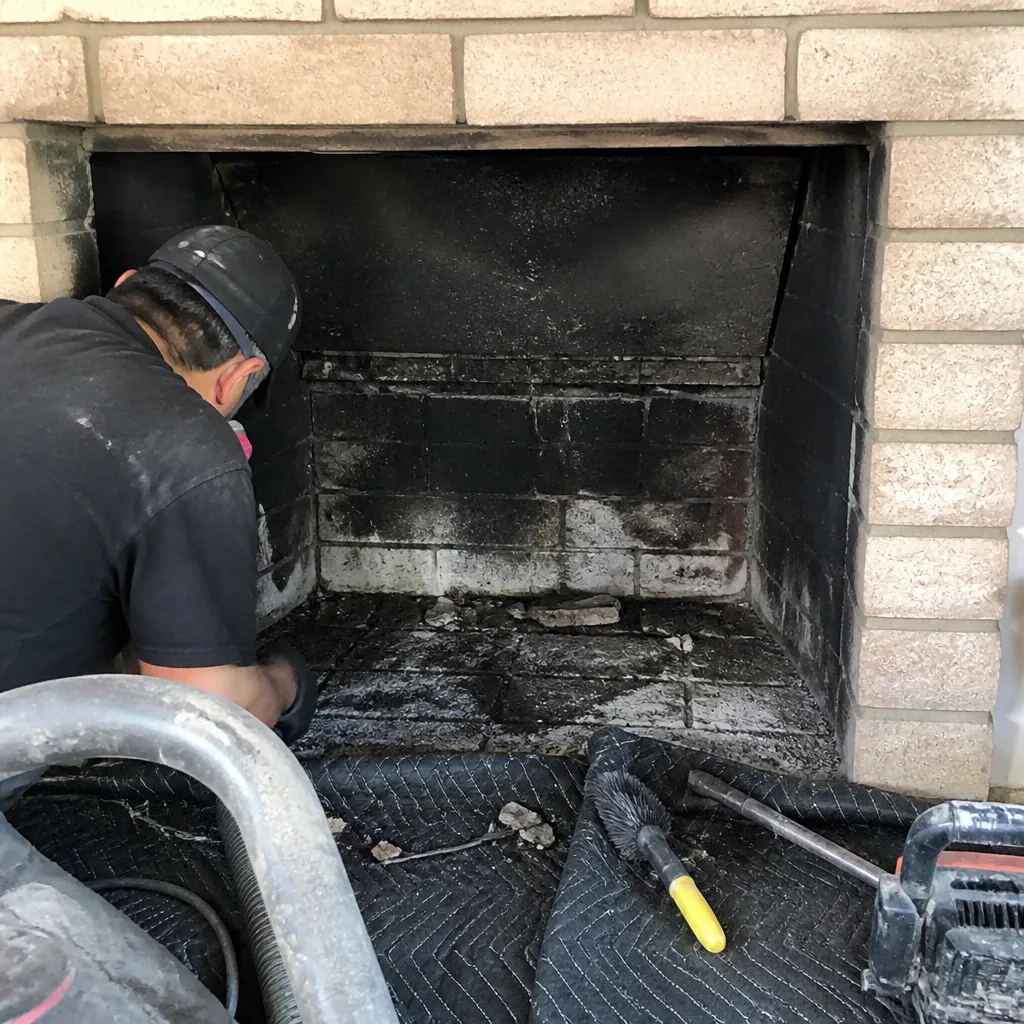 Before
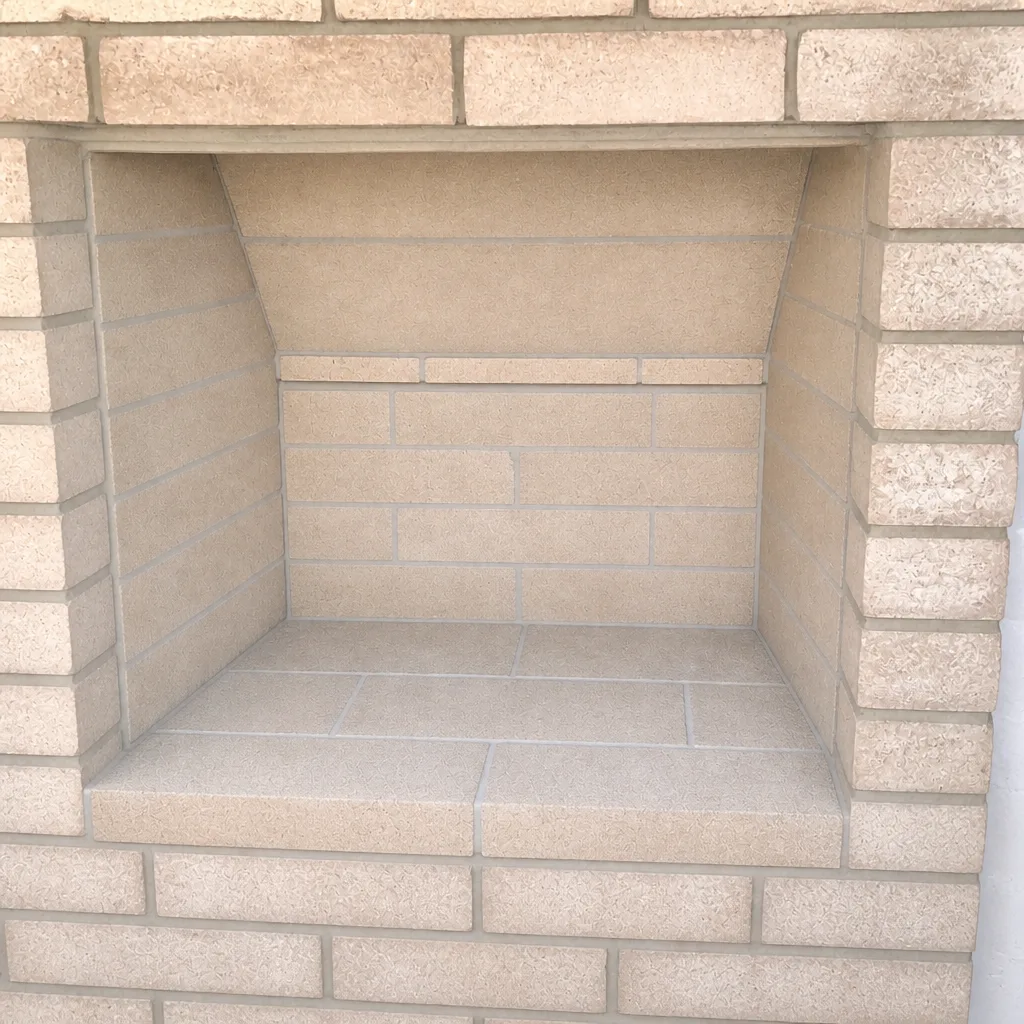 After
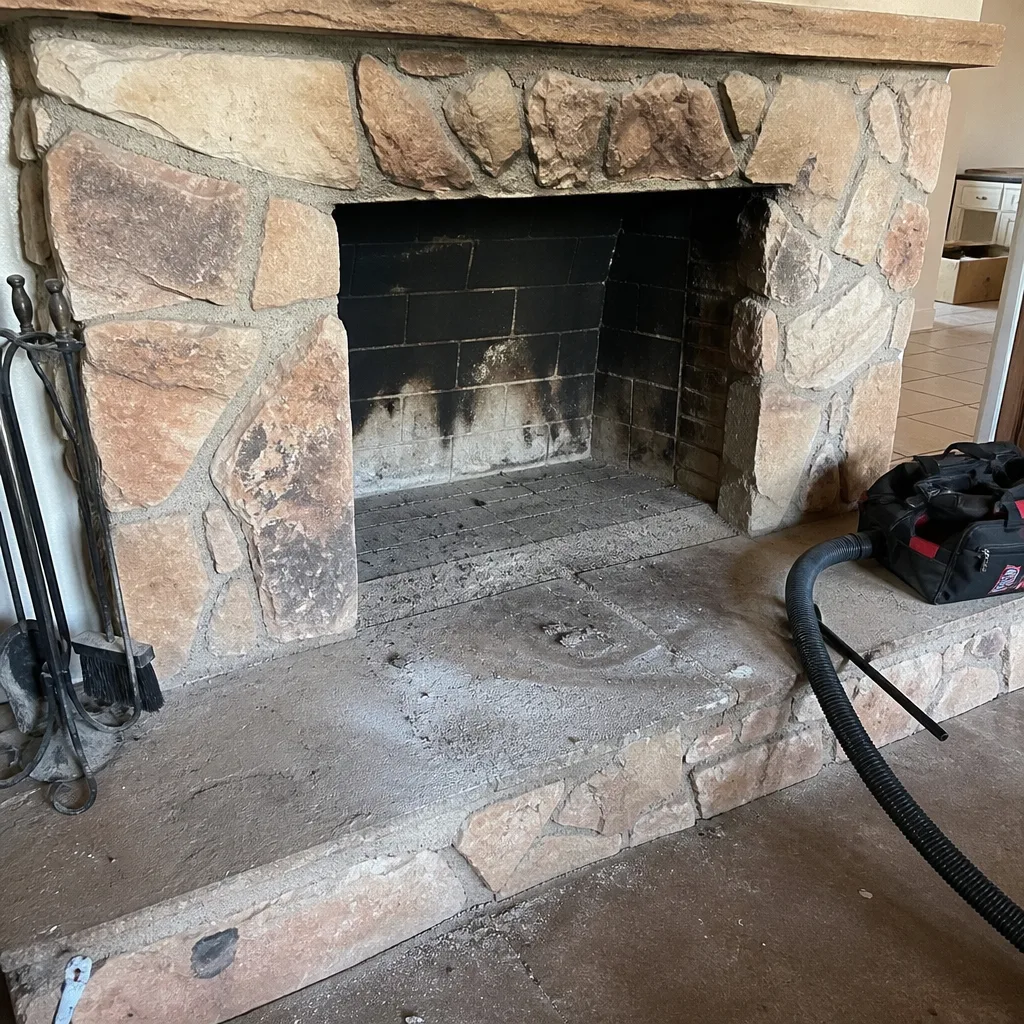 Before
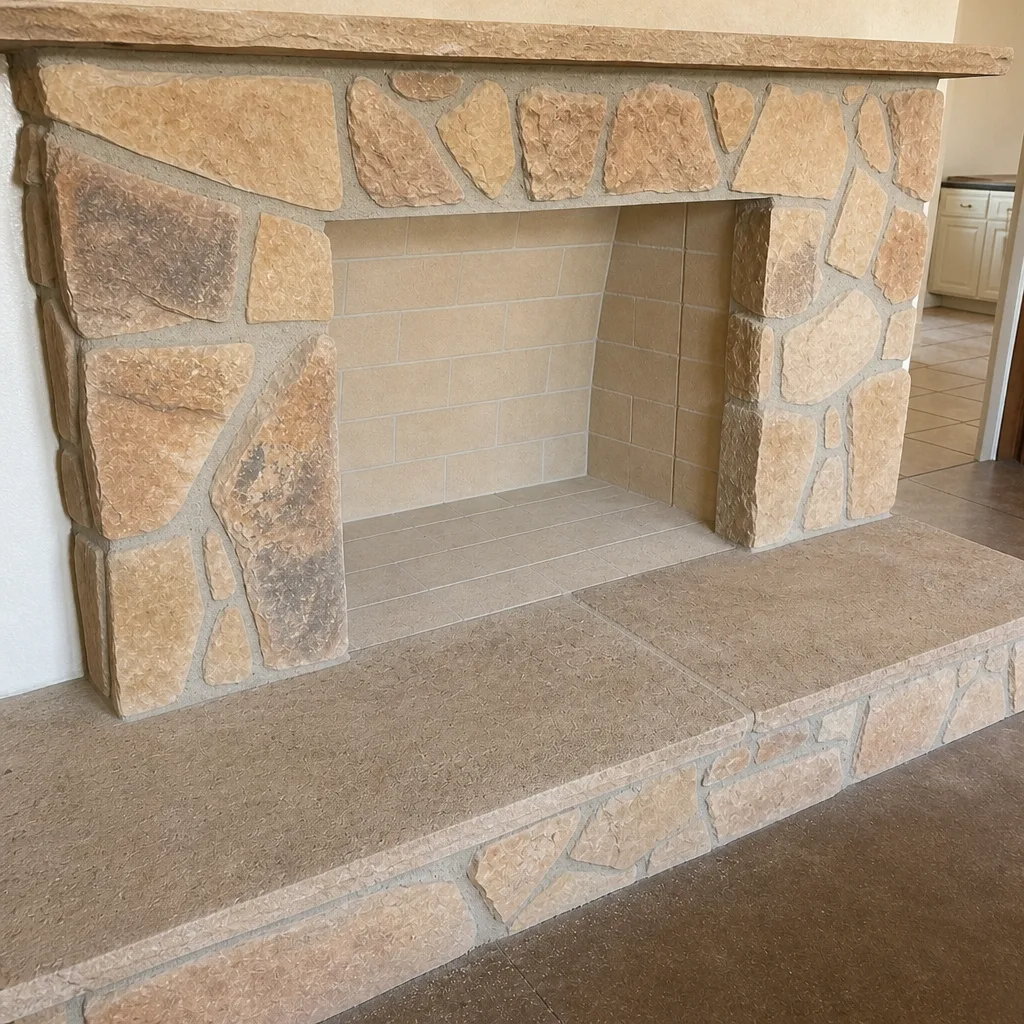 After
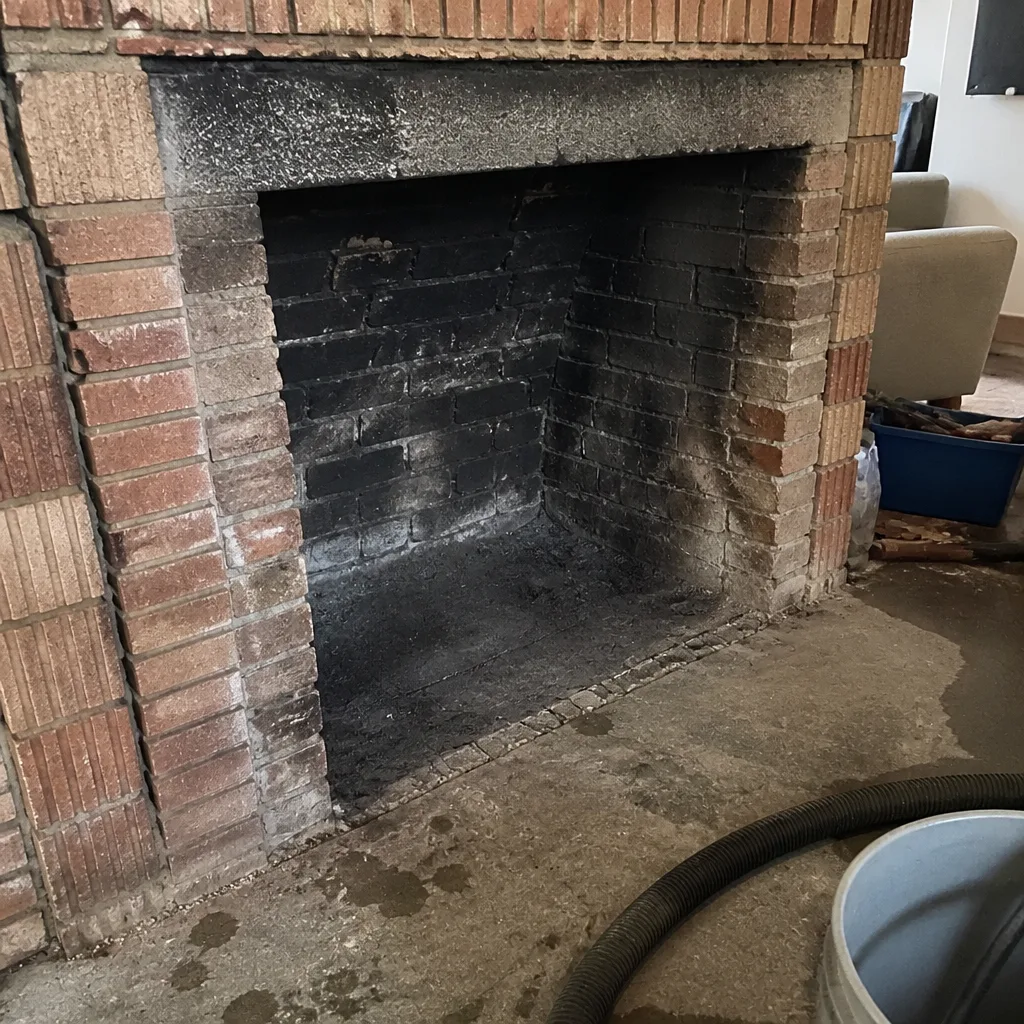 Before
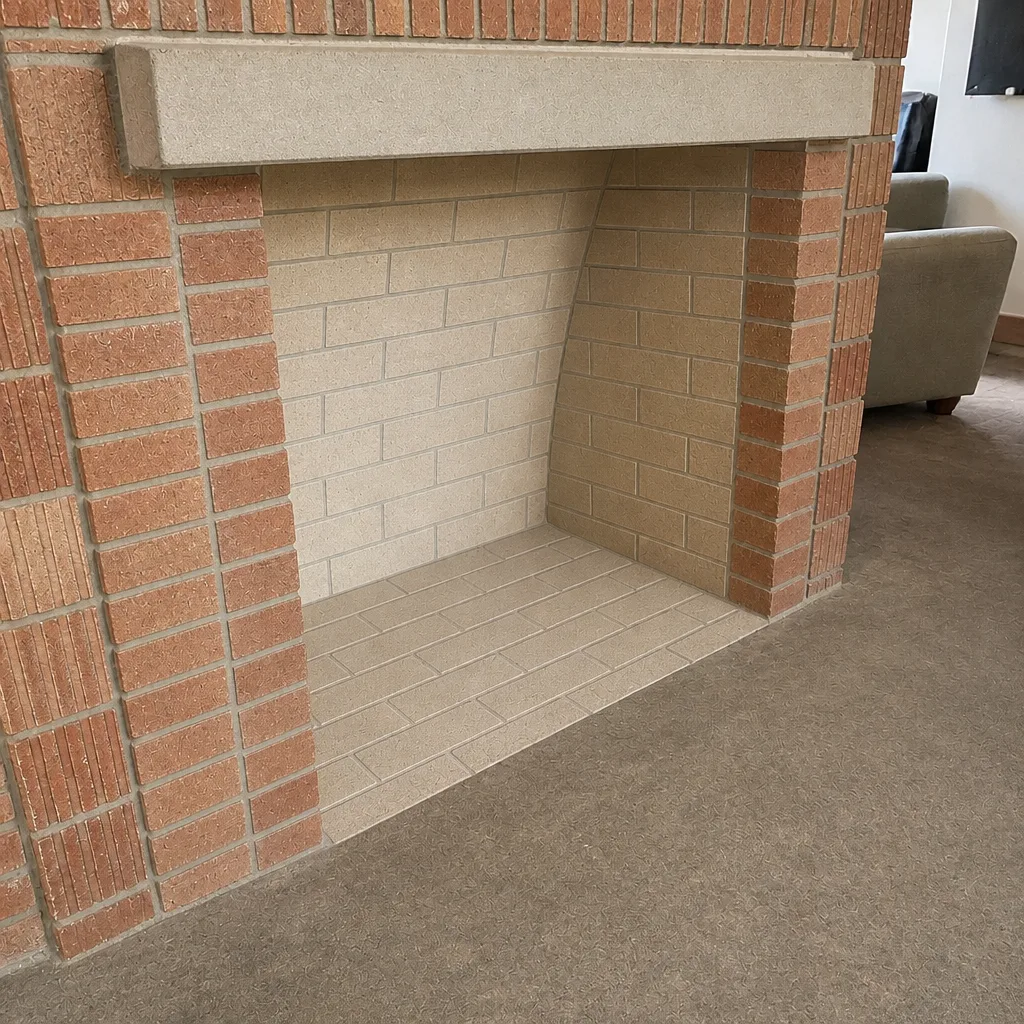 After
When to Call a Professional
Chimney cleaning and inspection are best treated as routine maintenance, but some situations call for a call now rather than later. Call us if you smell a strong smoky or creosote odor inside the house, if draft collapses when a fire is lit, if soot is falling into the firebox, if you hear animals or see nesting material around the cap, or if you’ve had a chimney fire – even a small one. A cracked flue joint, a loose cap, or a crown that’s letting water in are also reasons to book a visit before the next burn season.
Chimney Sweep Surprise offers free estimates in Surprise – call (833) 842-7310 to set up an inspection or a cleaning. We answer 24/7, and fast dispatch from 7am to 7pm, Sunday through Friday. If your call lands outside those hours, we’ll book you into the next opening.
Frequently Asked Questions
Chimney sweep pricing is set per job by the written estimate, and the estimate is free. The final number depends on the flue condition, the level of creosote buildup, and whether the visit includes repair work. Call (833) 842-7310 for an exact quote – estimates are free.
Plan on an annual inspection, with a sweep whenever the inspection shows enough creosote or debris to warrant it. In a climate where fires are occasional, a sweep every one to three years is common, and the number depends on how you burn. Call us to talk through your usage and we’ll tell you what interval fits.
Maybe not – that’s why the inspection matters. A flue with joint gaps and surface deterioration can often be restored with HeatShield rather than relined, and a full reline is reserved for flues with structural failure or severe damage. Nothing should be recommended without camera evidence you can see for yourself.
Buildup continues to accumulate, and a blocked or partially obstructed flue allows smoke and carbon monoxide to back into the room instead of venting out. The risk is real, though not every chimney is in danger. An inspection tells you where yours stands – call (833) 842-7310.
Yes. A cleaning removes the buildup; an inspection evaluates the condition of the flue, liner, cap, crown, and firebox. Most visits include both, and a Level 2 inspection adds video scanning when there’s been a change in the chimney’s use or condition. Call for a free estimate.
Yes. A gas fireplace or insert still vents through a flue that collects dust, debris, and corrosion products, and it should be inspected on the same annual cadence. A gas conversion also calls for a Level 2 inspection at the time of the change. Call (833) 842-7310 to book one.
The Bottom Line
Chimney care in Surprise is its own thing. Light fire use doesn’t mean a light maintenance load, because monsoon debris and 110°F heat cycling do their work whether you burn or not. The rhythm that works is an annual inspection with a sweep when the flue warrants it, a Level 2 look whenever the fireplace or fuel type changes, and a report you can verify with your own eyes before you approve any repair. Our technicians have up to 9 years of experience, we install and service brands like Olympus, Famco, and DuraFlex, and we handle cleaning and repair together so findings get fixed on the same visit. When you’re ready, call Chimney Sweep Surprise at (833) 842-7310 for a free estimate.
Written by the team at Chimney Sweep Surprise.