
Last updated November 14, 2026
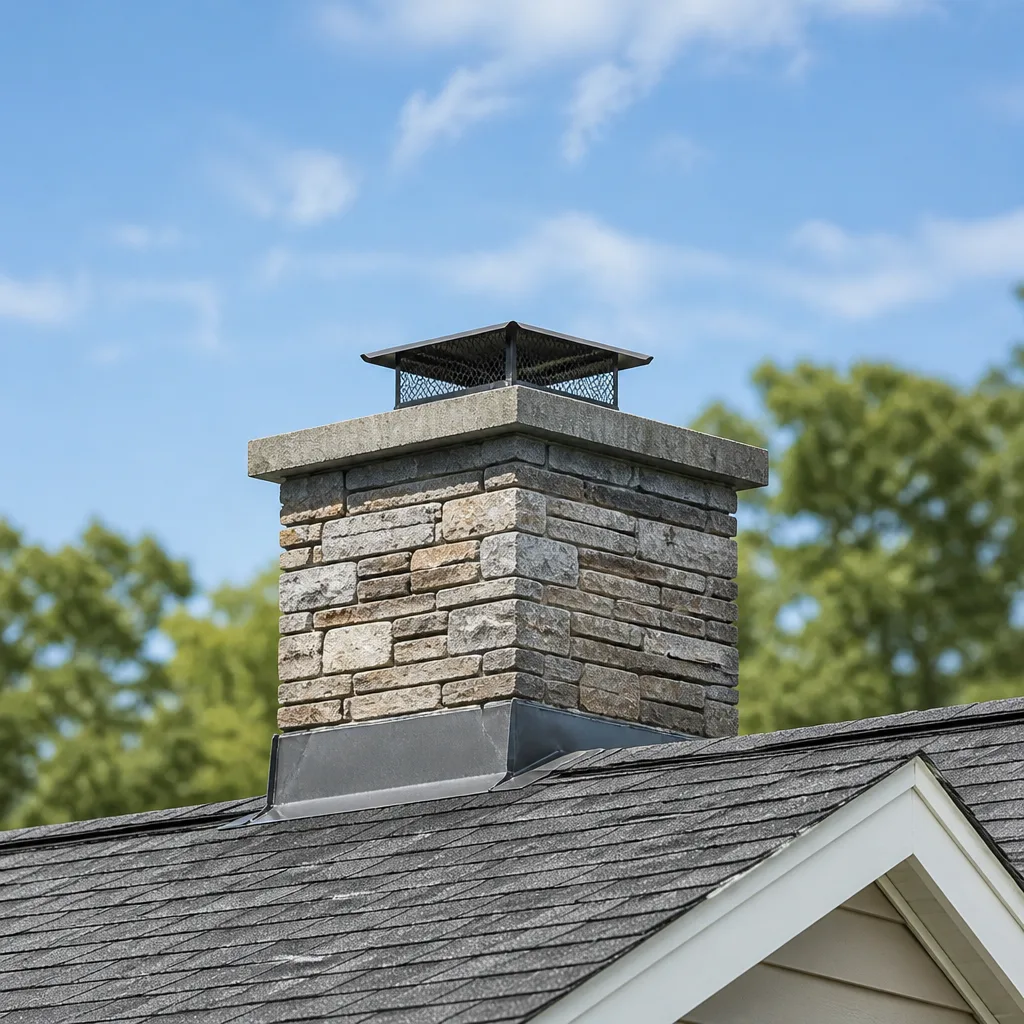 Sweep & inspection
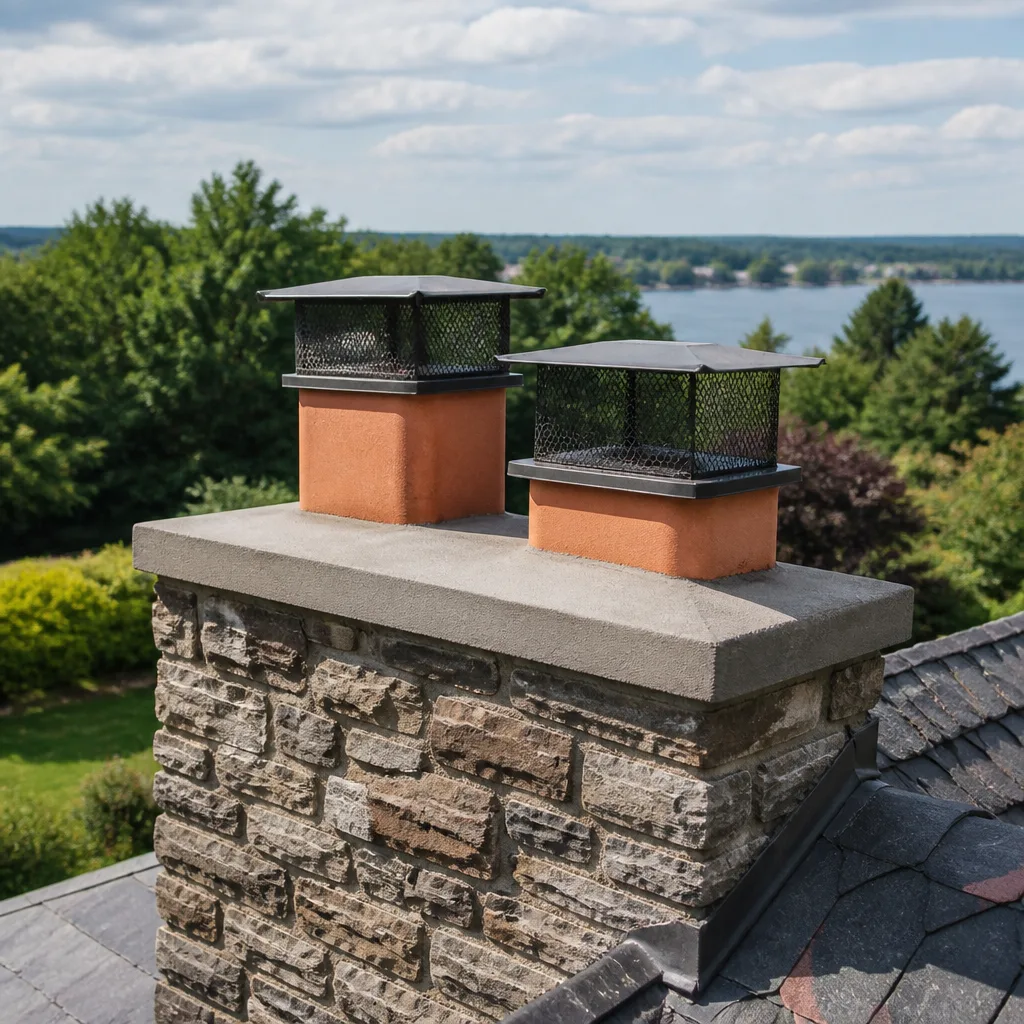 Caps & crowns
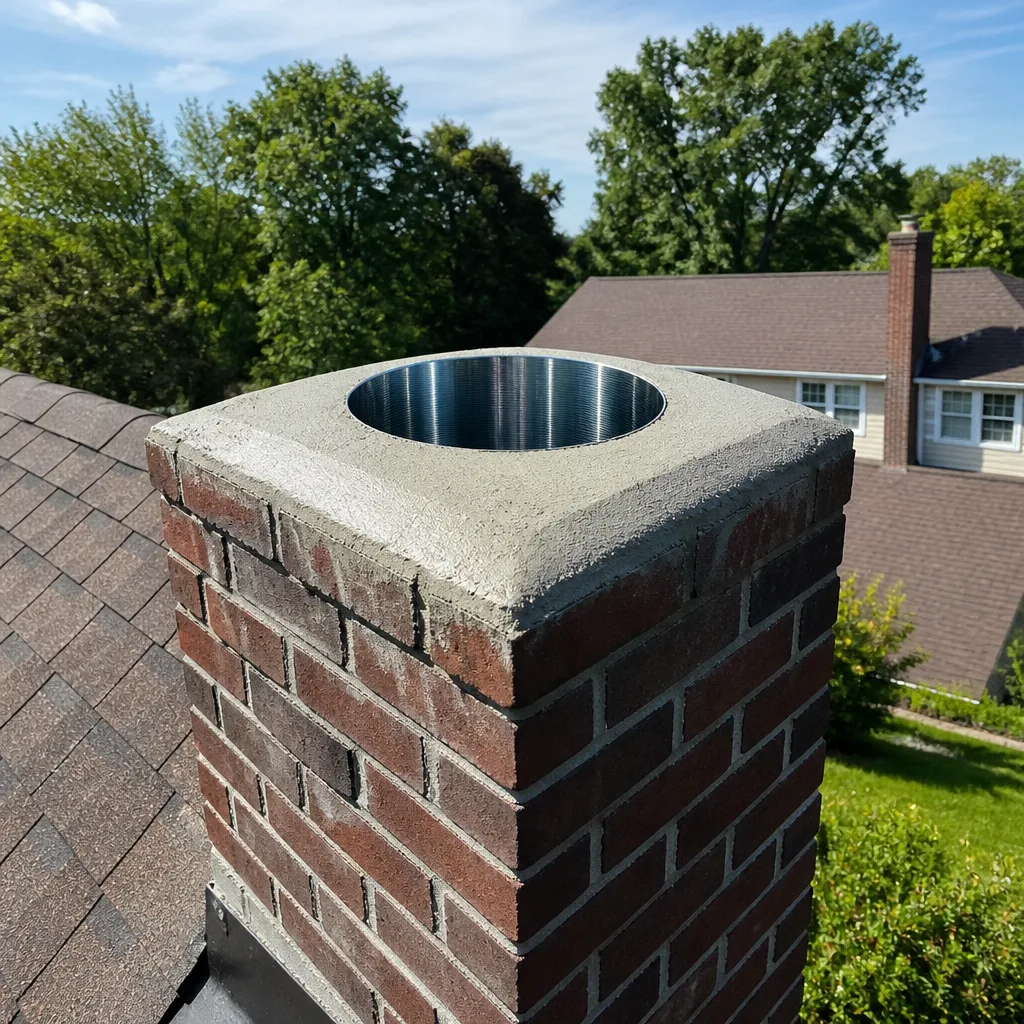 Flue relining
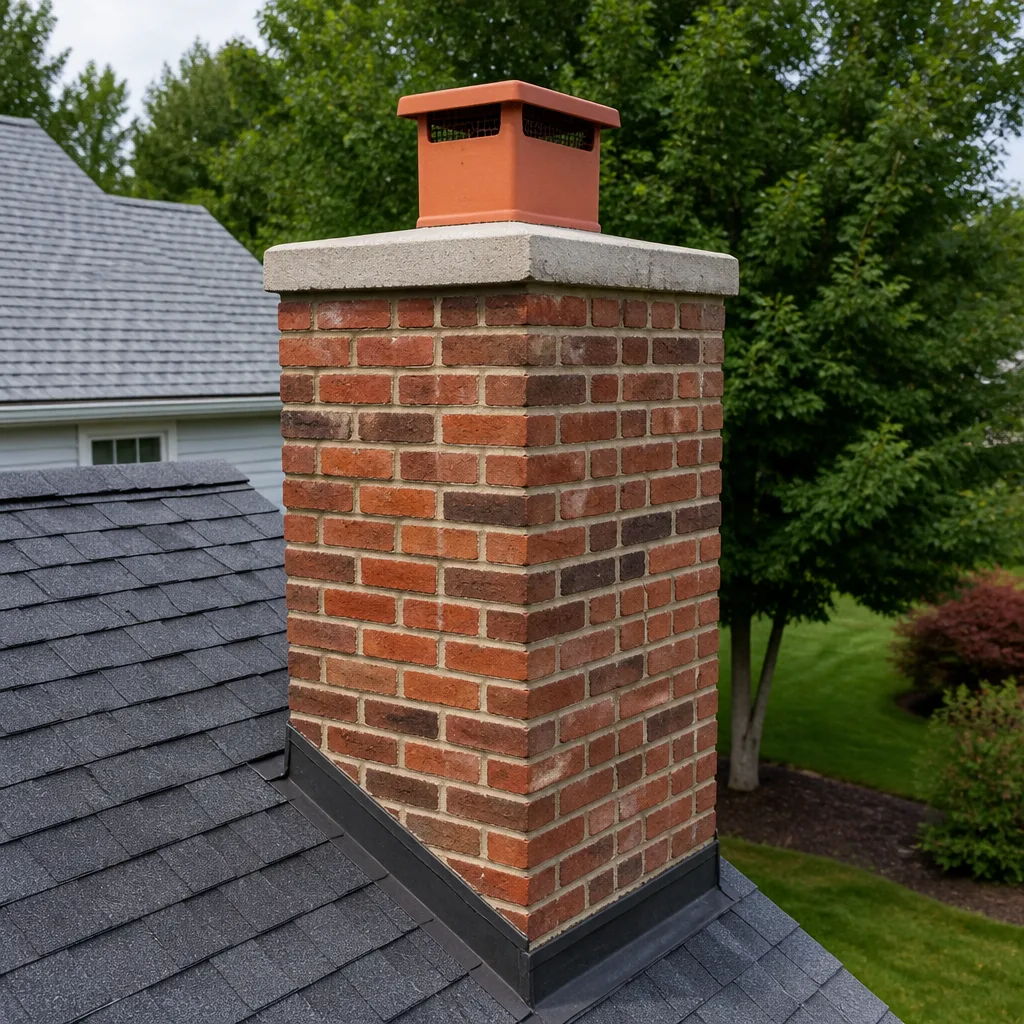 Masonry repair
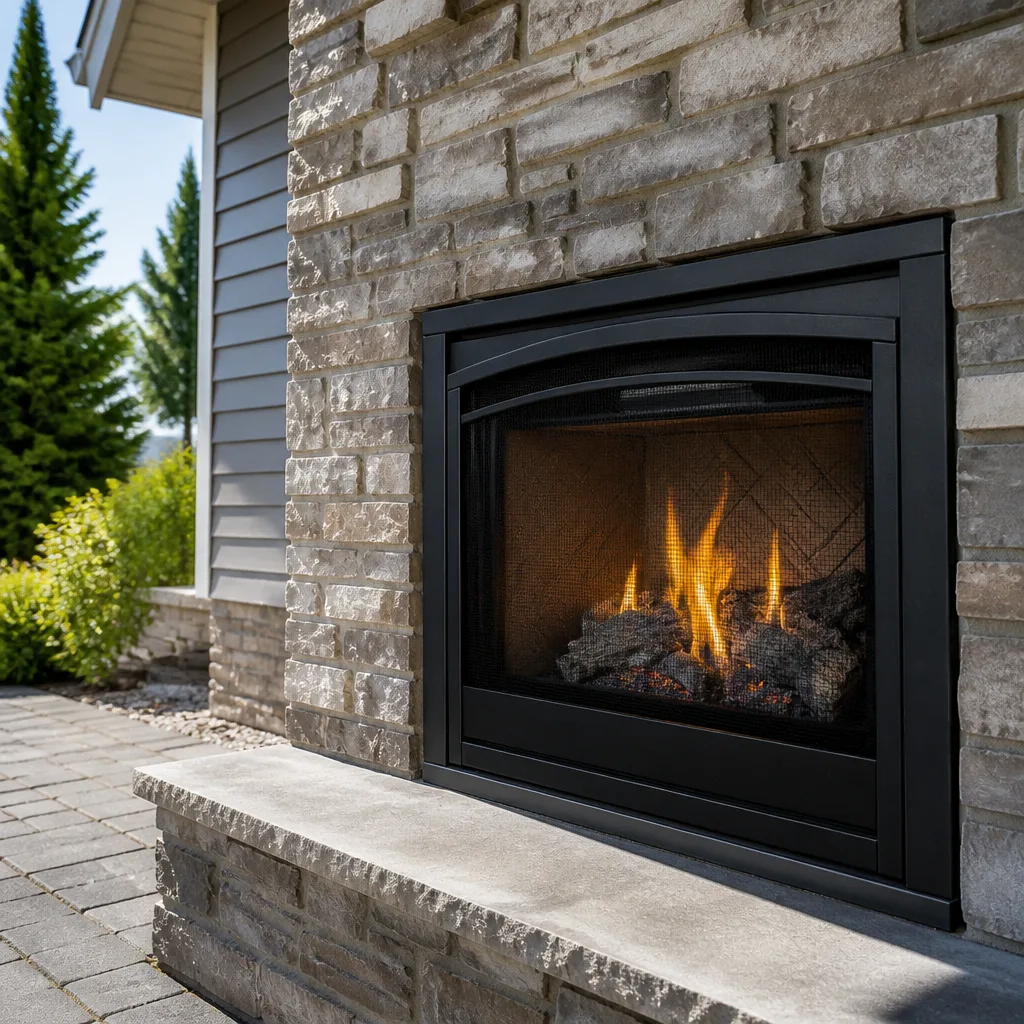 Gas fireplace service
Level 1 sweep and inspection to the NFPA 211 annual standard - flue, crown, cap, and flashing checked and photographed
Chimney sweep logs do not sweep chimneys. They loosen some creosote - which then falls where a brush and vacuum still have to collect it.
How to Hire a Chimney Cleaning Contractor in Surprise: A Step-by-Step Guide
Here’s the trap most homeowners fall into: they book the cheapest sweep they can find, the technician hands them a list of needed repairs, and then they spend the next two months trying to track down a second contractor to actually do the work. The cleaning was never the hard part. The gap between “your flue needs attention” and “someone qualified is fixing it” is where people get stuck. This guide is about closing that gap. We’ll walk through how to hire a chimney cleaning contractor in Surprise the right way, from verifying a license in five minutes flat to reading a written estimate so you know exactly what you’re agreeing to.
Quick Answer
To hire a chimney cleaning contractor in Surprise, verify the contractor’s ROC license with the Arizona Registrar of Contractors, confirm they carry insurance and can show a written scope of work before the visit, and ask directly whether they handle repairs and carry parts themselves or hand off that work to someone else. The best hire is one who can clean, inspect, and fix what the inspection finds, so you’re not managing two contractors and a long wait.
Styles & brands we work with
- Sweep & inspection
- Caps & crowns
- Flue relining
- Masonry repair
- Gas fireplace service
Table of Contents
- A Chimney Sweep vs. a Full Venting Specialist
- Four Questions to Ask Before You Book
- How to Verify a Contractor With the Arizona ROC
- What a Legitimate Written Estimate Looks Like
- Red Flags Specific to the Phoenix Metro Market
- What a Real Chimney Sweep Appointment Looks Like
- Repairs After the Inspection: What Follows the Cleaning
- Why Hiring Locally Matters in Surprise
- Common Mistakes to Avoid
- When to Call a Professional
- Frequently Asked Questions
A Chimney Sweep vs. a Full Venting Specialist
Most homeowners search for a “chimney sweep” and stop there. That’s understandable, but it’s a little like hiring a mechanic who can only change your oil and not touch the engine. A chimney sweep cleans a flue. A full venting specialist cleans it, inspects it, and then fixes what the inspection turned up. In our experience, that second category is where people actually want to land, even if they don’t know to ask for it.
The distinction matters most when a cleaning reveals a problem that needs correction. A deteriorating flue liner, cracked firebox joints, or a warped damper aren’t cosmetic. They affect how safely your fireplace vents. If the person who cleans your chimney can’t also handle the repair, you’re left looking for someone else, and that second appointment can take weeks to schedule in the Phoenix metro. Meanwhile, the fireplace stays out of use or in service without the fix.
What separates a sweep-only operation from a venting specialist usually comes down to two things: method and materials.
- Repair capability. A specialist can restore flue and firebox joints with a system like HeatShield rather than jumping straight to a costly rebuild. Repair ability changes what the inspection actually means for your budget.
- Parts and inventory. A specialist stocks professional-grade components. A sweep-only crew typically doesn’t.
- Flexible liner systems. Relining a flue with offsets and turns takes a flexible system like DuraFlex, which handles geometry that rigid liners can’t. That capability matters in older homes with irregular chimney construction.
- Dampers and caps. Top-sealing dampers and chimney caps from makers like Gelco or Olympia Chimney are part of completing a job, not a separate errand.
We install and service professional-grade brands including HeatShield, Gelco, Olympia Chimney, Famco, and Copperfield, and we handle chimney repair on the same job as the cleaning. That’s the practical difference the title “venting specialist” is meant to describe. One call covers cleaning, repair, and dryer vents, so findings from the inspection get fixed without a second contractor in the mix. For the full scope of what a professional chimney sweep involves, our chimney sweep page walks through what each part of the visit covers.
Four Questions to Ask Before You Book
You can figure out in one phone call whether a contractor is a real venting specialist or a scheduling service that subcontracts every job. Ask these four questions and listen carefully to the answers. The wording tells you almost everything.
- Do you stock and install the parts you recommend? A real specialist will say yes and name materials. A subcontractor will say something like “we order what’s needed” or “our partner handles the parts side.” Either answer tells you whether the repair happens on your timeline or someone else’s.
- If the inspection finds a cracked flue joint, what do you do? Look for a specific method. HeatShield resurfacing restores the flue without demolition. A vague “that’s usually a rebuild” suggests a crew that isn’t set up to repair. Get the method and material named.
- Can you do the repair in the same visit as the cleaning? A venting specialist can. A sweep-only operation can’t. This question reveals whether you’re hiring one contractor or two.
- Do you clean dryer vents too? Dryer vents are a separate fire-risk system, and cleaning them alongside the chimney makes practical sense. A company that offers both under one call is a venting specialist, not a sweep crew.
If a contractor can’t answer these four questions clearly, that’s your signal. The company that handles cleaning, repair, and dryer vent work as one call is the one you want in Surprise. It saves you the two-month chase between inspection findings and the actual fix.
How to Verify a Contractor With the Arizona ROC
Verifying a chimney contractor’s license in Arizona takes under five minutes and it’s the single most important step in this entire guide. The Arizona Registrar of Contractors (ROC) maintains a public database of licensed contractors. You can search it by company name or license number and confirm the contractor’s status. A chimney repair that involves rebuilding part of the structure or relining a flue typically falls within licensed contracting activity. Cleaning alone may not, but because the same company frequently performs both, checking the license tells you what you need to know.
Here’s how to do it:
- Open the Arizona Registrar of Contractors website and find the contractor search tool.
- Search by the company name on the estimate, not the person who knocked on your door.
- Confirm the license is active, not suspended or expired.
- Check that the license class matches the work being quoted. Ask the contractor if you’re unsure which class covers chimney repair and relining.
- Look for any complaint history. A closed complaint isn’t automatically disqualifying, but you should know what happened.
Ask for the license number in writing and match it yourself. A legitimate contractor will provide it without hesitation. If someone resists giving a license number, or says licensing doesn’t apply to chimney work, that alone is a reason to end the call. Ask the same question about insurance: a contractor who carries general liability insurance and can confirm it is a different category of professional than one who can’t. Insured, licensed contractors don’t dodge these questions.
Once you’ve verified the license, confirm the company is local to the area. In Surprise, that means a contractor who understands how homes here are built and how the fireplace is actually used through the year.
What a Legitimate Written Estimate Looks Like
A proper written estimate has a scope of work with line items, a stated price per task, and the name of the licensed company. A vague “we’ll see when we get up there” quote is not an estimate. It’s a placeholder for a number that changes once you’re committed.
The good news is that a chimney inspection is supposed to reveal exactly what work is needed, so a written estimate built on inspection findings is normal. What isn’t normal is a contractor who quotes a price before looking and then inflates it after climbing the roof. A legitimate written estimate typically includes:
- The licensed company name and license number.
- A line-by-line scope: sweep, inspection, camera check, repair if needed.
- A stated price for each item.
- What’s included in the sweep itself, and whether a camera inspection and photo report are part of the package.
- Parts and materials named specifically if repairs are quoted.
- What triggers a change order and how it’s communicated.
A written estimate is a scope document. The final price is set once the technician has seen the chimney and confirmed the work. That’s why the estimate should be free and why you should expect the price to be set per job, in writing, before any repair begins. Keep the estimate. If the final bill doesn’t match the written scope, you’ll have a record to point at. A professional will welcome that. A vague-quote operation won’t.
Red Flags Specific to the Phoenix Metro Market
Out-of-state seasonal crews show up in the Phoenix metro every busy season. Many are legitimate. Some aren’t. The problem for homeowners in Surprise is that a crew that isn’t from here doesn’t know local building patterns. Fireplaces and venting in this region vary dramatically depending on when the neighborhood was built.
Neighborhoods like Rancho Gabriela, Surprise Farms, and Marley Park sit near newer communities, and the fireplaces in newer construction are often prefabricated units with factory-built flues that need specific components and different methods from a masonry chimney. Installations in older parts of the region follow different construction conventions again. A crew that mostly works in another state can miss these distinctions. Sometimes that shows up as recommending a part that doesn’t fit the unit. Sometimes it shows up as misreading a factory-built flue for masonry and quoting repair work that doesn’t apply.
Here’s what to watch for:
- No local business presence. Out-of-state crews may not have a local license status or a physical business footprint you can verify.
- Pressure to book immediately. “We’re only in the area for a few days” is a common tactic. It removes your ability to check references or the ROC.
- Cash only, no written estimate. A legitimate professional will accept that you need time to verify.
- Recommendations without a camera. If a contractor tells you your flue needs relining but won’t show you the camera footage, that recommendation is unverified.
- No repair option offered. A contractor who immediately recommends a full rebuild without presenting restoration methods like HeatShield is skipping a step that could save you thousands of dollars.
When a technician points to a problem, ask to see the evidence yourself. A camera inspection and photo report give you the ability to view the flue interior, evaluate the findings, and decide whether the recommendation makes sense. If a contractor won’t provide that, you’re being asked to trust a stranger’s judgment about your house. You should be able to see what they see. And when a fix can wait, a professional should tell you that plainly. Nobody should be sold thousands of dollars of liner or masonry work they can’t verify.
What a Real Chimney Sweep Appointment Looks Like
A chimney sweep visit in Surprise isn’t a mystery. The technician arrives, sets up drop cloths and a vacuum that keeps soot contained, and gets to work on the flue. The cleaning itself takes less time than the inspection and the conversation that follows. Here’s the sequence a legitimate appointment typically follows.
- Setup and protection. Drop cloths go down, and a high-efficiency vacuum runs during the cleaning. Dust shouldn’t enter the room.
- Sweep the flue. Brushes and rods clean the flue interior, removing creosote and soot accumulation.
- Inspect with camera. A camera inspection shows the interior of the flue, looking for cracked or missing tiles, gaps in the liner, and creosote glazing.
- Check the firebox and damper. Firebox joints, the smoke shelf, the damper, and the firebox assembly are examined for deterioration.
- Check the cap and crown. The chimney cap should be intact, and the crown should shed water away from the flue. Missing or damaged caps allow water and animals in.
- Report findings. You get a clear explanation of what was found, what’s fine, and what needs repair.
Two safety points deserve a note here. First, creosote accumulation is the main hazard the sweep is addressing, and it’s a real fire risk when it builds up in the flue. Second, some chimney components are genuinely dangerous to touch. High-tension springs and cables belong to garage door systems, not chimneys, so those aren’t in play here. But gas lines, electrical panels, and roof work at steep heights all require a trained professional. If the appointment reveals an issue in any of these areas, don’t attempt to investigate it yourself. The right answer is a qualified technician, every time.
One appointment can also cover your dryer vent cleaning. Your clothes dryer is the second venting system in your home with a fire risk, and addressing both during a single visit is practical. It’s one of the reasons we offer both under one call.
Repairs After the Inspection: What Follows the Cleaning
The repair conversation is where a chimney hire either works well or falls apart. The key question is whether the person who finds the problem can fix it. A sweep crew finds problems. A venting specialist fixes them. In the Phoenix metro, the difference can mean days versus weeks before your fireplace is back in service.
Common repair categories after an inspection include:
- Flue joint deterioration. Cracked or missing joint material in the flue. HeatShield resurfacing restores joints without demolition. It’s a method worth asking about if a rebuild is the first recommendation you receive.
- Liner replacement. A damaged liner needs replacing. Flexible liners like DuraFlex work in flues with offsets where rigid systems can’t pass.
- Firebox restoration. deteriorating firebox joints are a common finding. Restoration with a masonry system may take the place of a full rebuild.
- Damper replacement. A warped or stuck damper affects draft and efficiency. Top-sealing dampers are a common upgrade.
- Cap and crown repair. Caps keep water and animals out of the flue. Crown work keeps water from pooling at the top.
Ask the contractor which brands and systems they’ll use. DuraFlex, HeatShield, Gelco, Olympia Chimney, Famco, and Copperfield are brands the chimney industry relies on. When a contractor names the brand and the system, they’ve done this work before. When the answer is “standard materials,” you don’t know what you’re getting.
A few findings can genuinely wait. A minor surface crack that isn’t in a critical location, a slightly worn damper that still seals, or a small cap repair with no water intrusion aren’t reasons to halt everything. A professional should tell you when work can wait and give you the reasoning. That’s not a sales failure. It’s what an honest inspection should look like.
Why Hiring Locally Matters in Surprise
Hiring a contractor who works in and around Surprise matters for reasons beyond convenience. Homes here are built for a climate where the fireplace is used seasonally, and the maintenance calendar that comes with that climate is different from colder parts of the country.
The wood-burning season in this area is relatively short. The fireplace burns through the cooler months and then sits idle. Creosote builds up during the burn season, so the logical time to have a chimney swept is before you start burning again, not in the middle of it. That’s a different rhythm from parts of the country where a fireplace runs eight months out of the year. A contractor who works primarily in Surprise will understand that rhythm and will help you plan around it, so the sweep happens when it’s actually useful and the fireplace is ready when you want to use it.
Housing also varies block by block. Newer neighborhoods often have factory-built fireplaces with their own flue types and component requirements. Older homes may have masonry chimneys with different construction. A local contractor has seen both patterns and adapts their methods accordingly. Out-of-state crews working from a national playbook often don’t.
Beyond structure, there’s the practical question of who picks up the phone in a year if something comes back. A contractor with local presence solves that problem. A crew that came through for two weeks and left doesn’t. Local also means the parts and materials used are ones that can be sourced and serviced without waiting on shipping from somewhere else.
Our technicians have up to 9 years of experience serving homeowners in the area. That’s local knowledge, applied to Surprise homes specifically. If you’d like to see the whole scope of service on one page, the Chimney Sweep Surprise home page covers it.
Common Mistakes to Avoid
- Booking the cheapest sweep without asking about repairs. The cleaning price is the easy number to compare, but the repair capability is what matters when the inspection finds something. Ask about repair follow-through before you book.
- Skipping the ROC license check. It takes five minutes and it’s the fastest way to separate a licensed contractor from a stranger with a brush. Do it before you confirm the appointment.
- Accepting a recommendation without seeing the camera footage. If a contractor recommends relining or rebuilding and won’t show you the inspection images, you have no way to verify the claim. Ask for the photo report.
- Hiring an out-of-state seasonal crew that doesn’t know local building patterns. In the Phoenix metro, pre-fab fireplaces in newer construction need different handling from masonry chimneys. A crew working from a national script may misread your setup.
- Only addressing the chimney and ignoring the dryer vent. Both are venting systems with a fire risk, and both deserve a cleaning. Handling one and forgetting the other leaves half the risk in place.
- Taking repair work as an emergency when it can wait. Not every finding needs immediate action. A professional should separate the urgent from the routine. If everything is urgent, ask why.
- Hiring based on a rough quote with no written scope. “We’ll see up there” is the tell. A written estimate names the work, names the company, and states the price per item.
When to Call a Professional
There are clear signals a chimney needs attention from a professional now. Smoke rolling back into the room when the fire is lit, a strong creosote smell even when you aren’t burning, visible cracks or crumbling in the firebox, a missing or damaged chimney cap, or animal nesting at the top of the flue all warrant a call. Learning that your chimney hasn’t been cleaned in a few seasons is another. And if you’ve recently bought a home in Surprise, an inspection is worth doing before the first burn, so you know what condition the fireplace is in.
Chimney Sweep Surprise offers free estimates in Surprise. Our technicians handle cleaning, repair, and dryer vent work under one call. Call (833) 842-7310 to book an estimate. We answer 24/7. Fast dispatch from 7am to 7pm.
Frequently Asked Questions
A standard chimney sweep is typically priced as a flat job rate, and the estimate you receive should be written down and free. We don’t quote a dollar figure until we see the chimney, because prefab units and masonry chimneys require different work. The written estimate sets the final price. Call (833) 842-7310 for an exact quote – estimates are free.
You need a new liner if the inspection shows a damaged or missing flue lining, but a contractor should show you the camera evidence before recommending one. Deteriorating joints can often be restored with a HeatShield system instead of a full reline. If a liner is truly needed, flexible DuraFlex liners handle flues with offsets that rigid liners can’t pass. Don’t accept a liner recommendation you can’t see the evidence for. Call (833) 842-7310 and ask to see the inspection report – estimates are free.
A chimney should be swept once a year if you burn wood regularly, or when creosote builds up to about an eighth of an inch. In Surprise, the practical timing is before the burn season starts, so the fireplace is ready for use. If you only burn occasionally, an inspection can tell you whether a full sweep is needed. Call (833) 842-7310 for a free estimate and a clear recommendation.
Skipping a sweep allows creosote to accumulate in the flue, and creosote buildup is the main cause of chimney fires. Carbon monoxide can also back up into the home if the flue is obstructed. Neither risk shows visible signs from the living room, which is why an inspection matters. Call (833) 842-7310 for a free estimate before the season starts.
A CSIA-certified sweep is a good sign of professional training, and it’s worth asking about, but certification alone doesn’t tell you whether the contractor handles repairs and carries parts. In Surprise, verify the ROC license, ask about repair capability and the brands they use, and request a camera inspection. Those questions reveal more than the certificate. Call (833) 842-7310 for a free estimate and ask to see the inspection report.
Yes, and it’s a practical reason to hire a full venting specialist instead of a sweep-only crew. Both systems carry fire risk, and one appointment addresses both. Cleaning the chimney and the dryer vent in the same visit means you don’t have to schedule and pay for two separate calls. Call (833) 842-7310. We answer 24/7. Fast dispatch from 7am to 7pm.
The Bottom Line
Hiring a chimney cleaning contractor in Surprise comes down to verifying the licensable facts and asking about repair follow-through before you book. Check the ROC license, confirm insurance, and request a written estimate. Ask the four questions about parts and repair capability. Avoid out-of-state seasonal crews that don’t know local building patterns, and don’t accept costly recommendations without seeing the camera evidence. A venting specialist who handles cleaning, repair, and dryer vents in one call saves you the frustrating chase between inspection and fix. Our technicians have up to 9 years of experience, and we install and service DuraFlex, HeatShield, Gelco, Olympia Chimney, Famco, and Copperfield components so repairs get done right the first time. That’s the difference between a sweep and a full venting specialist.
If you’re ready to book, call (833) 842-7310 for a free estimate. Call (833) 842-7310. We answer 24/7. Fast dispatch from 7am to 7pm, Sunday through Friday.
Written by the team at Chimney Sweep Surprise.
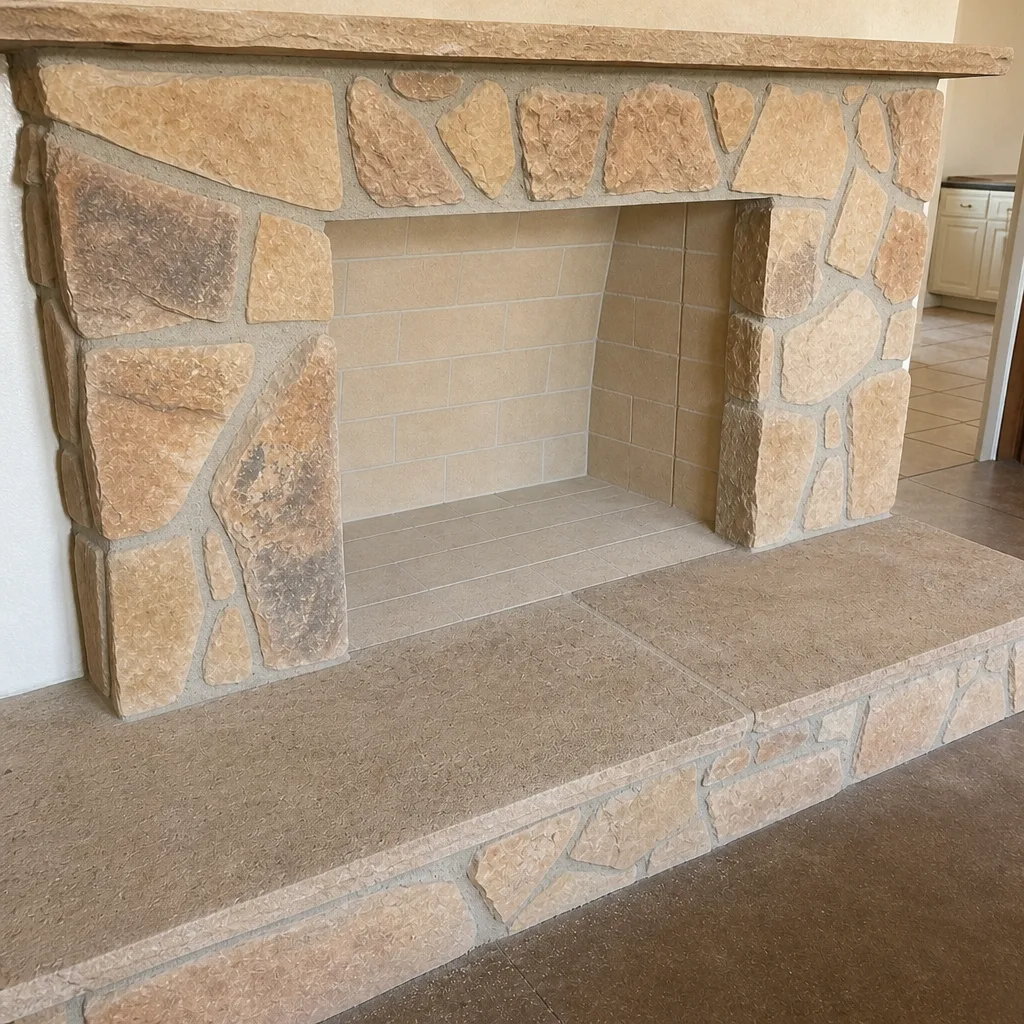
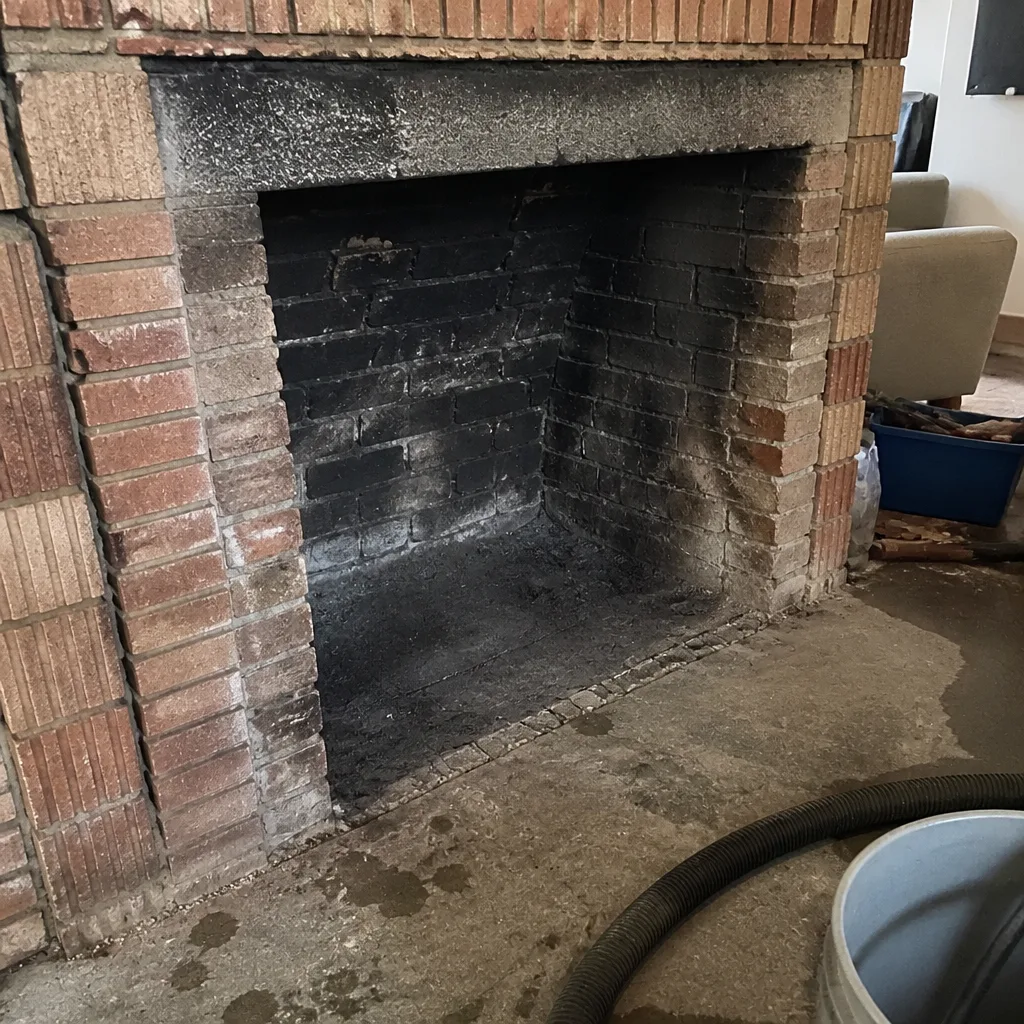
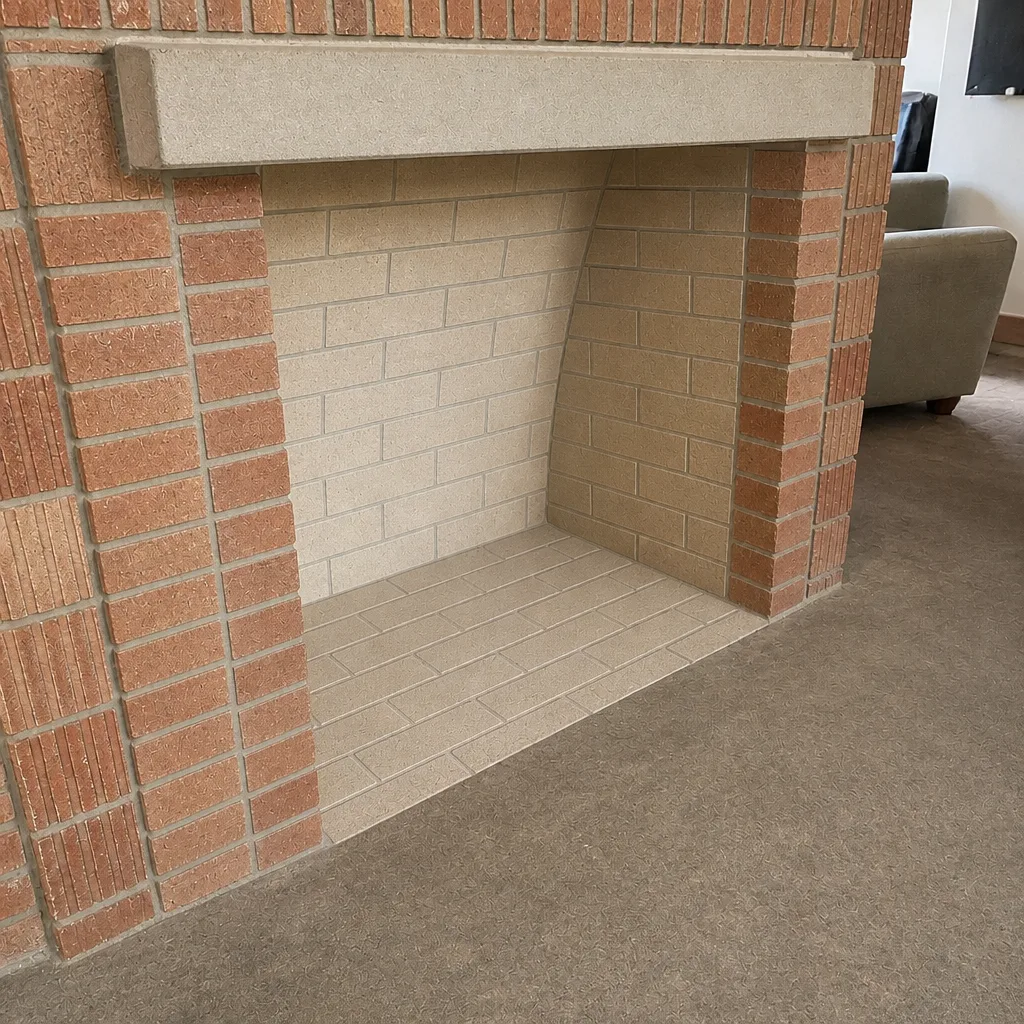
See the difference
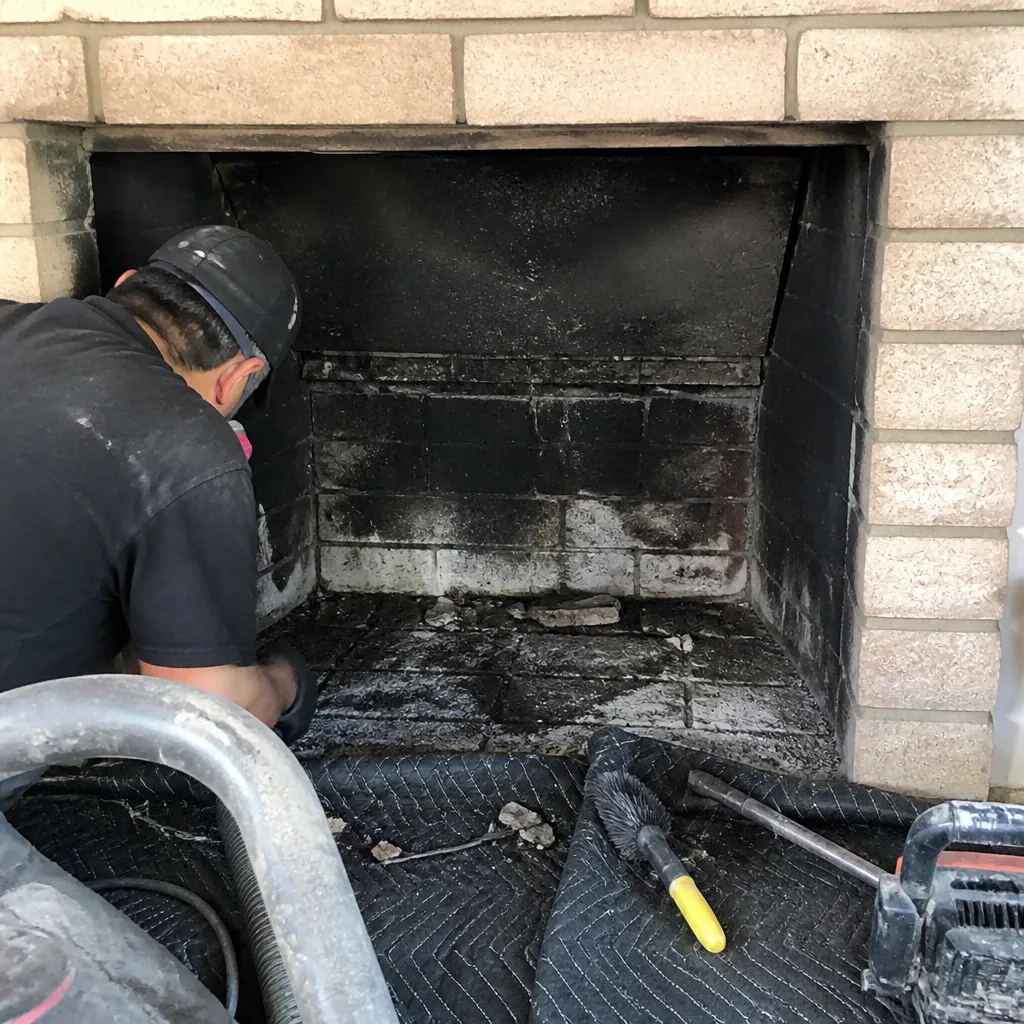 Before
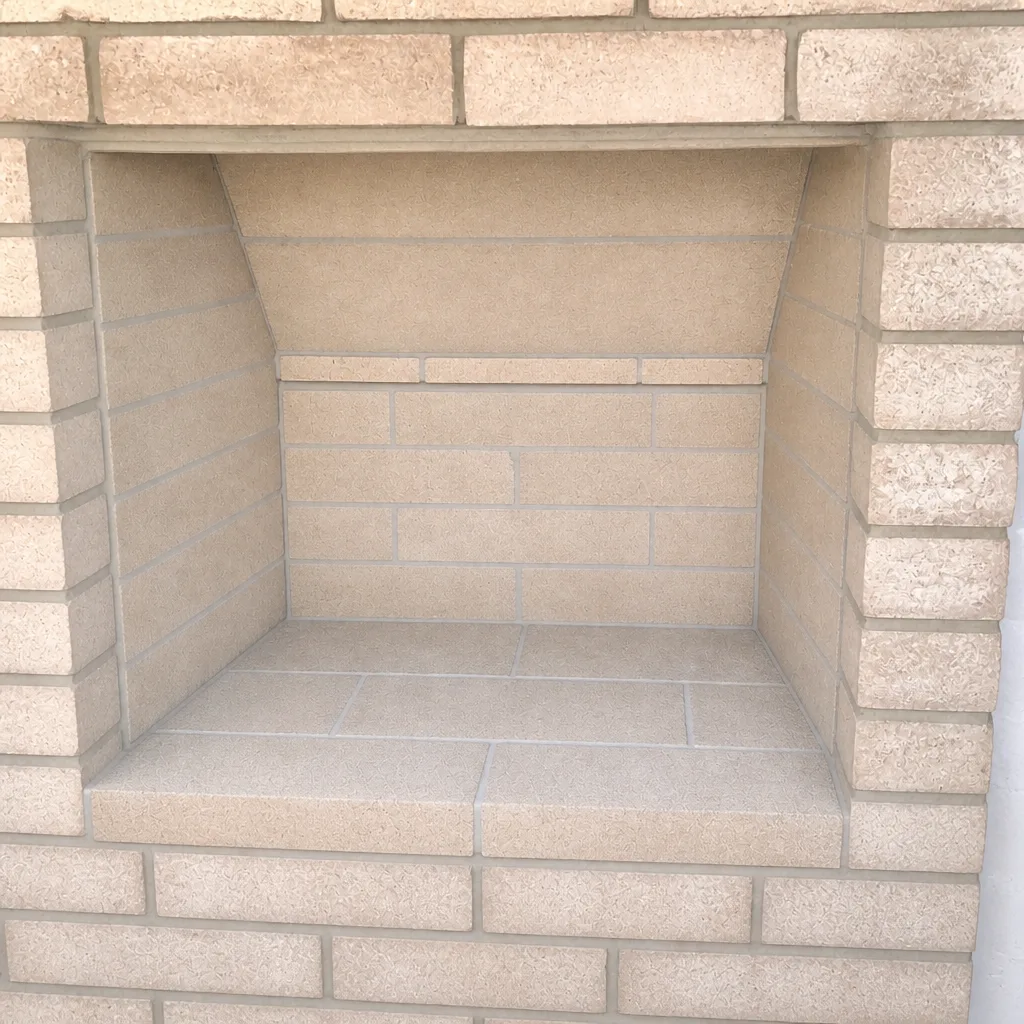 After
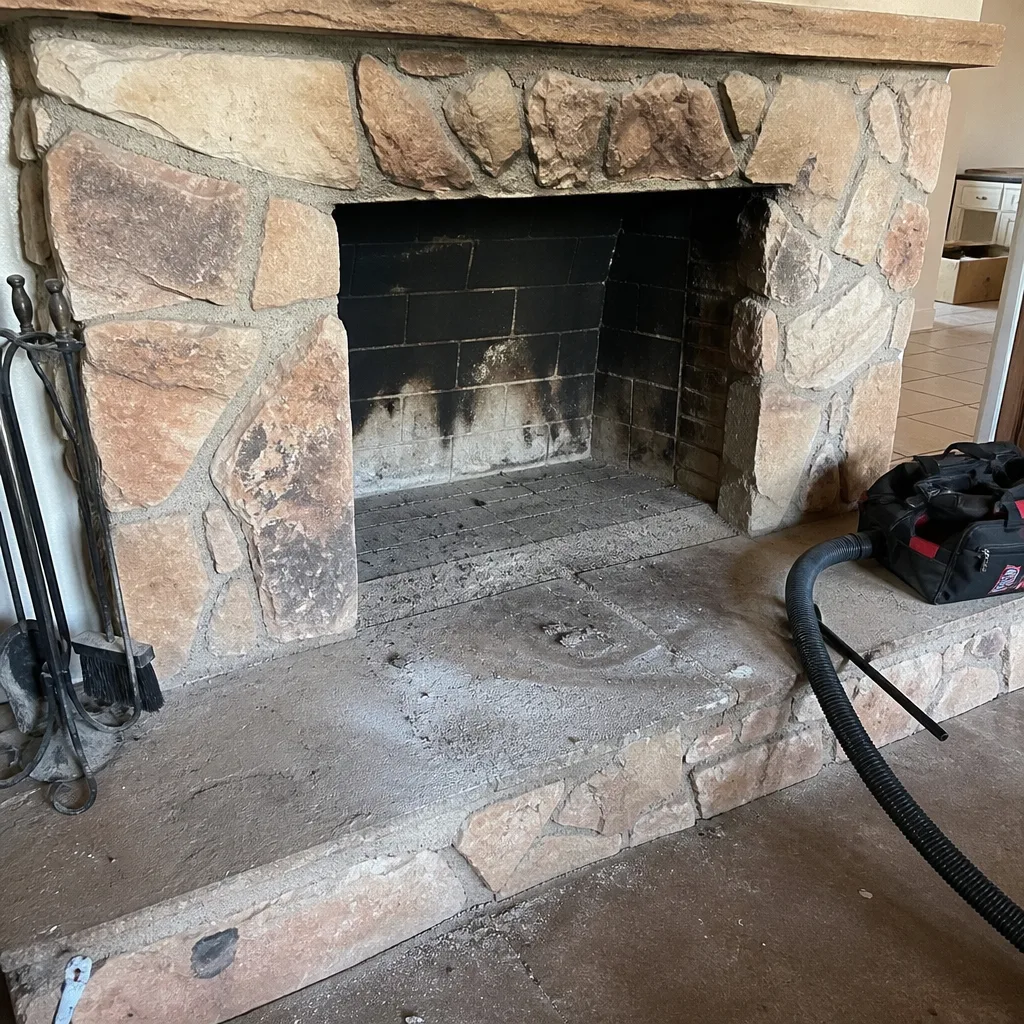 Before
 After
 Before
 After