
Last updated November 14, 2026
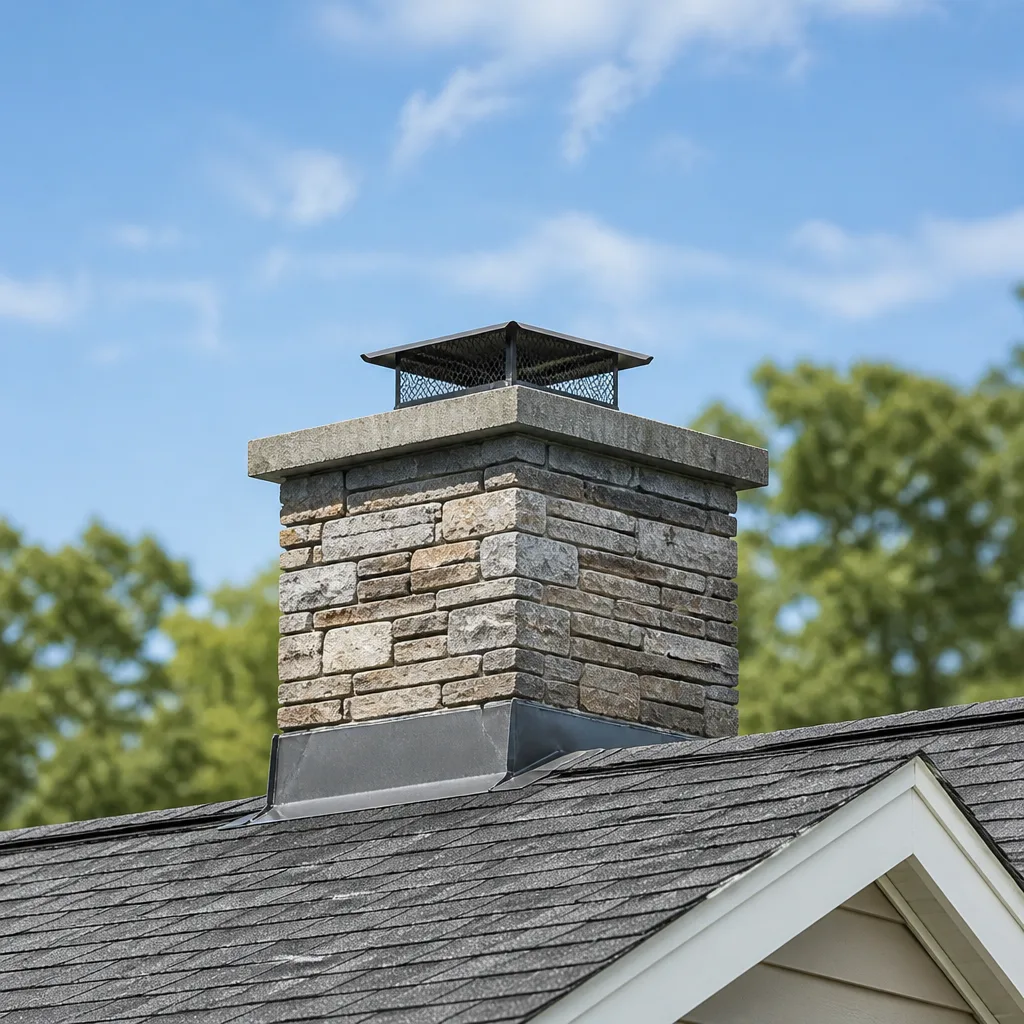 Sweep & inspection
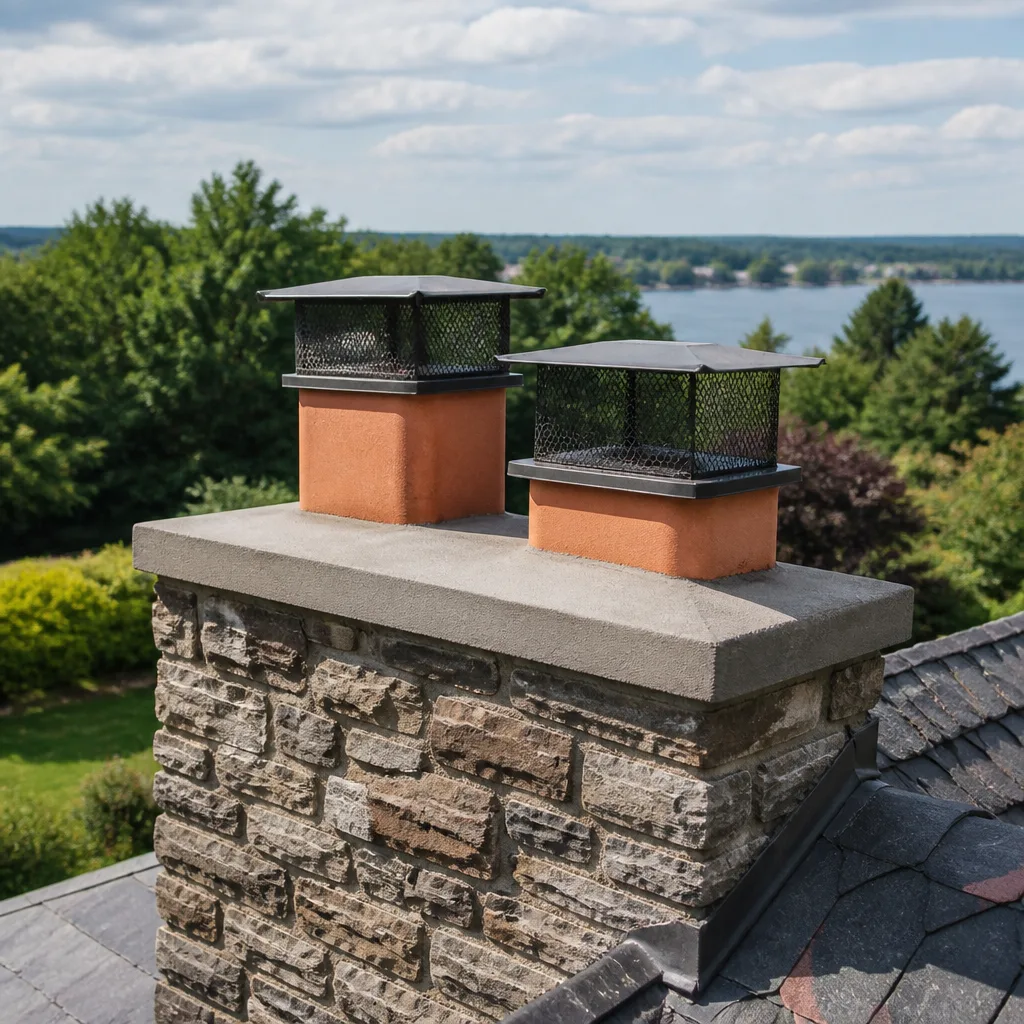 Caps & crowns
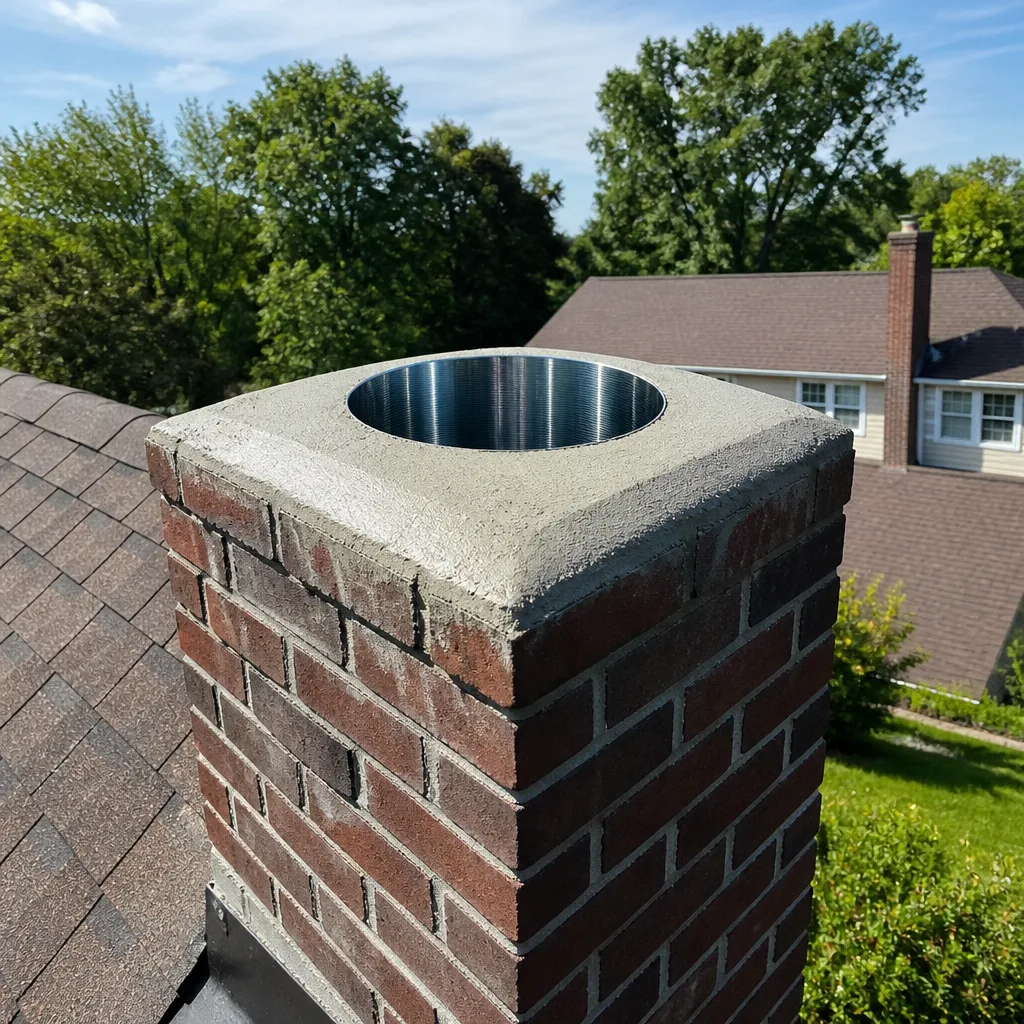 Flue relining
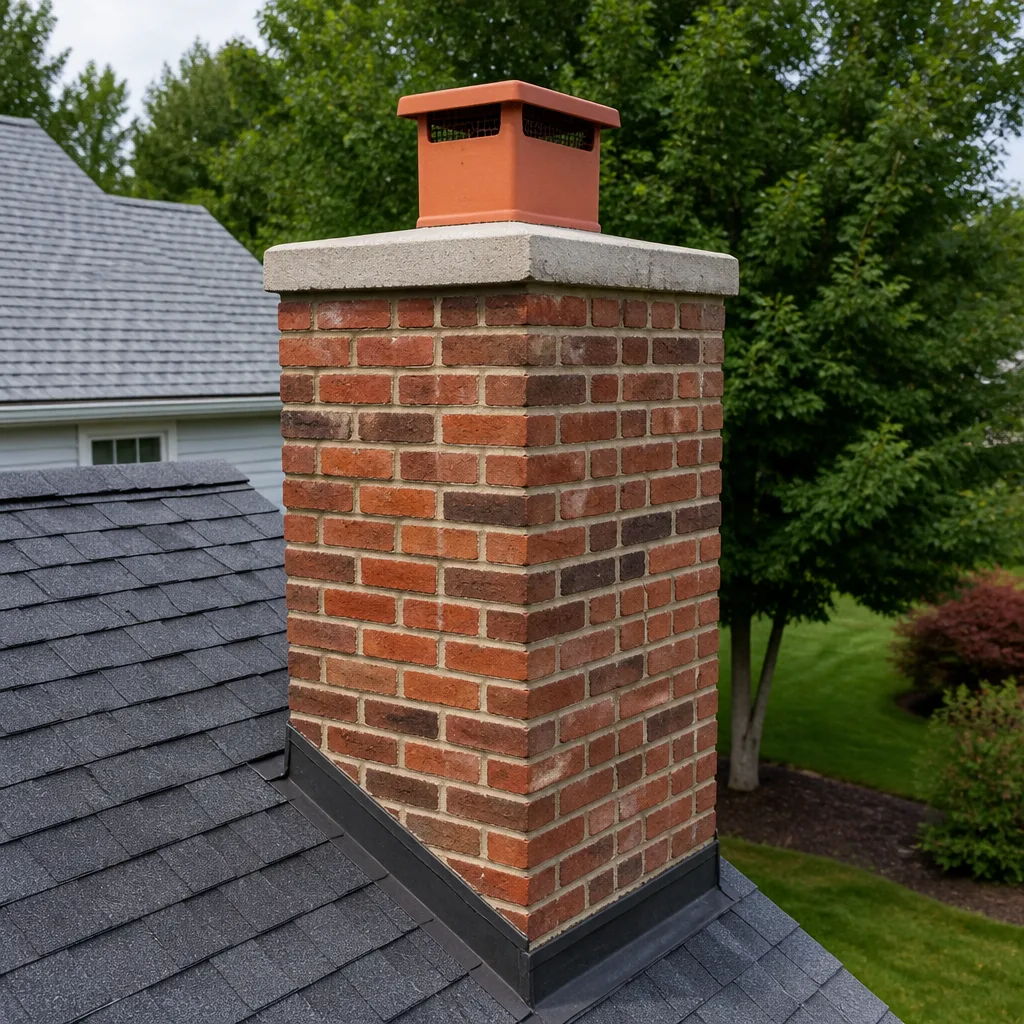 Masonry repair
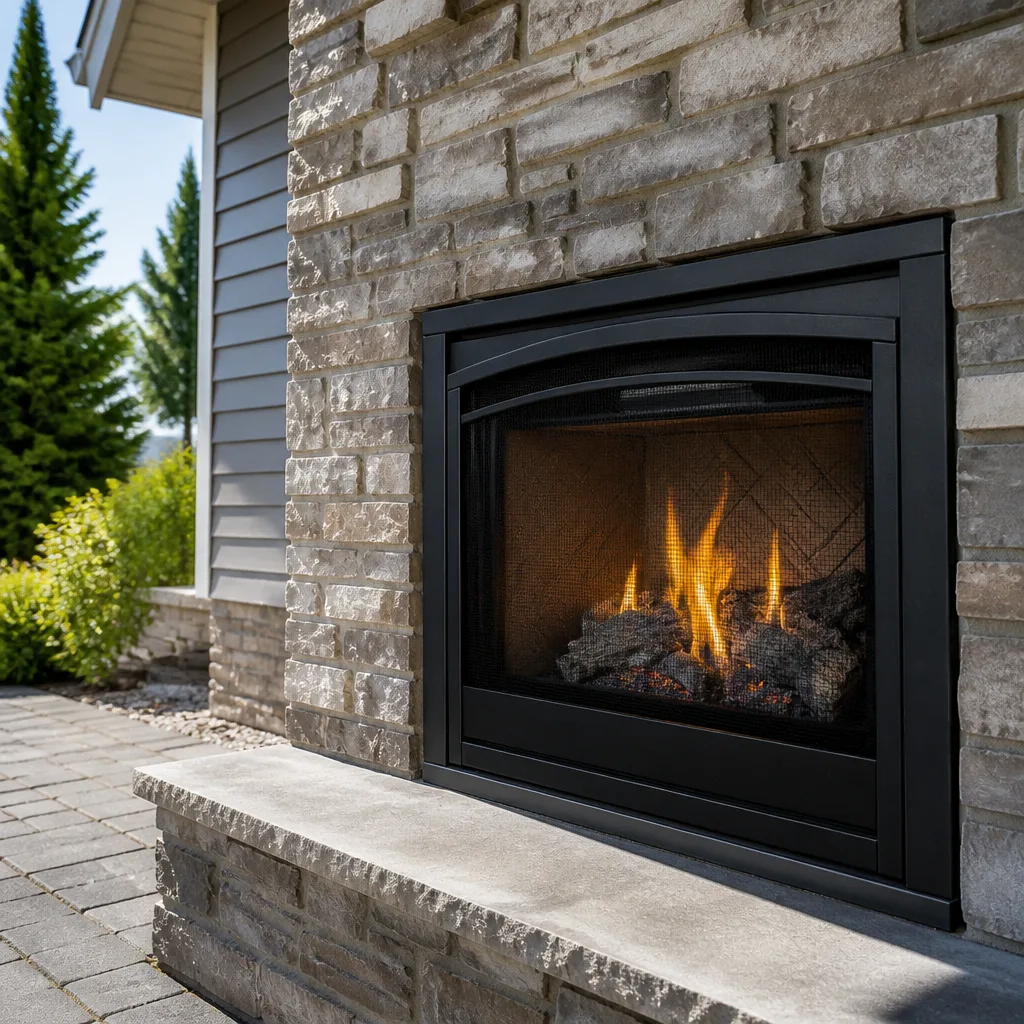 Gas fireplace service
Level 1 sweep and inspection to the NFPA 211 annual standard - flue, crown, cap, and flashing checked and photographed
Chimney sweep logs do not sweep chimneys. They loosen some creosote - which then falls where a brush and vacuum still have to collect it.
Chimney Cleaning Cost Breakdown: The Surprise Homeowner’s Reference for 2026
The $99 chimney sweep special sounds like a steal until you understand what it leaves out. Most of those ads cover a brush-and-vacuum on a flue that’s easy to reach, and nothing else: no camera inspection, no report, no look at the crown, the cap, or the firebox joints. The cheap call isn’t the problem by itself. The problem is what happens next, when the low price turns into a list of recommended repairs you have no way to verify. This guide breaks down what chimney cleaning actually costs in Surprise in 2026, what drives the number up or down, and how to tell a real repair recommendation from a padded estimate.
Quick Answer
A standard chimney sweep in Surprise typically runs $150 to $300 in 2026, and a Level 1 inspection is usually included with the cleaning. A Level 2 inspection with video typically costs $250 to $450, liner repair ranges from $350 to $1,200, and cap or crown replacement usually lands between $250 and $900 depending on access and materials. A written estimate sets the final price, and you should never be asked to approve repair work you haven’t seen on camera.
Styles & brands we work with
- Sweep & inspection
- Caps & crowns
- Flue relining
- Masonry repair
- Gas fireplace service
Table of Contents
- What drives chimney cleaning cost in Surprise?
- 2026 price ranges for sweeps, inspections, and repairs
- Why gas fireplace cleaning costs differ from wood-burning
- How to spot a padded estimate from a real repair
- Bundling chimney and dryer vent cleaning: what it saves
- Why some Surprise homes cost more to service
- Monsoon damage and the two-season problem
- When to call a professional
What drives chimney cleaning cost in Surprise?
Chimney cleaning cost in Surprise is set by four things: how often the fireplace gets used, what kind of fuel it burns, how accessible the flue is, and what condition the chimney is in when we arrive. Two houses on the same street can land $100 apart on a sweep quote for reasons that have nothing to do with the sweep itself.
The first driver is creosote. A wood-burning fireplace that sees regular use builds up the glazed, hard-to-remove creosote that takes more time and more careful work to clear. A fireplace that gets lit a dozen times a year may have very little. The second driver is fuel type. A gas insert produces different deposits than a wood fire, and cleaning it involves different tools and a different check of the venting. We’ll come back to that distinction below, because most cost guides skip it entirely.
The third driver is access. A straight flue with a clean cap and an easy roof pitch is a faster job. An offset flue, a chimney on a steep tile roof, or a two-story home where the roofline sits well above the ground all add time and, on some jobs, equipment. The fourth driver is condition. This is where Surprise pricing gets more variable than most homeowners expect: a chimney that’s structurally sound might need nothing beyond a sweep, while one with cracked crown mortar or a deteriorated flue joint needs repair that has a real price tag attached.
It helps to think of a sweep as two separate things: the cleaning, which is a set price, and the findings, which determine whether anything else is needed. Our team at Chimney Sweep Surprise prices the cleaning up front and quotes any repair on its own written estimate, so the two never blur together. Our technicians have up to 9 years of experience, which matters most when the job is diagnosing a problem rather than just brushing a flue.
2026 price ranges for sweeps, inspections, and repairs
Here’s the full price picture for the Surprise market in 2026. These are typical ranges, not fixed prices; access, condition, and materials move the number, and the written estimate always sets the final amount.
| Service | Typical 2026 range in Surprise | What it covers |
|---|---|---|
| Standard chimney sweep | $150 – $300 | Cleaning of the firebox and flue, basic condition check |
| Level 1 inspection | Usually included with a sweep | Visual check of accessible components, no camera |
| Level 2 inspection with video | $250 – $450 | Camera scan of the flue, joist and attic checks where relevant, photo report |
| Liner repair (spot or joint restoration) | $350 – $1,200 | Repairing damaged flue sections or restoring joints rather than a full reline |
| Full reline (flexible liner) | $2,000 – $4,500 | New stainless or flexible liner for the full flue run |
| Chimney cap replacement | $250 – $600 | New cap and mesh, sizing to the flue |
| Crown repair or replacement | $400 – $900 | Rebuilding the crown and sealing the top of the chimney |
Those numbers hold across most of the West Valley, but the upper end shows up more often in Surprise than people expect. Newer construction on the city’s edges tends toward easy-access rooftops, which keeps sweeps at the low end. Older masonry homes closer into the original neighborhoods tend toward tighter flues, aging crowns, and tile roofs that require more careful roof work. A full reline is the big-ticket item, and it’s also the one most often recommended without evidence. Our approach is to quote a spot liner repair using HeatShield restoration where the damage is confined to cast-in-place joints, and a full reline with a flexible DuraFlex liner only when the flue itself has failed. That distinction can be the difference between a four-figure bill and a much smaller one.
One more note on inspection pricing: a Level 2 with video should always include a photo report you keep. If a company quotes you a camera inspection and then doesn’t show you the footage or the stills, ask for them. You paid for the evidence, not the recommendation.
Why gas fireplace cleaning costs differ from wood-burning
Gas fireplace cleaning is often priced differently from wood-burning work, and most cost guides don’t explain why. The reason isn’t that one is harder. They’re different jobs with different labor and different failure points.
A wood-burning fireplace is a creosote job first. The flue gets brushed, the firebox gets vacuumed, and the inspection looks for cracks in the masonry and creosote buildup that could feed a chimney fire. A gas insert or gas log set is a deposit and venting job. Gas burns cleanly, so there’s little creosote, but the flue and the burner assembly can collect dust, insect debris, and in a desert climate like ours, fine sand that works its way in. The venting itself, the damper position, and the connections need checking for correct operation.
That means a gas fireplace service often includes:
- Checking the burner and log set for dust, spider webs, or blockages that affect the flame pattern
- Inspecting the vent or flue for debris and confirming the venting is clear
- Verifying the damper and the safety shutoff are operating correctly
- Checking the exterior vent terminal for nests, screens, or obstruction
A gas unit typically costs less to clean than a heavily soiled wood-burning flue, but the inspection and venting checks are what you’re paying for as much as the cleaning. If you’re scheduling a gas insert service in Surprise, ask specifically what the technician will check beyond the flame. Repairs and cleaning on gas appliances are a trained-professional job; we don’t recommend homeowner work on gas connections of any kind, and that’s a safety call, not an upsell. When the cleaning is done, we test the unit and confirm the venting before we pack up.
How to spot a padded estimate from a real repair
The single biggest source of sticker shock on a chimney job is the repair recommendation that arrives after a $99 sweep. Most of these aren’t fraud; some are. The way to tell the difference is evidence. A legitimate recommendation points to something visible in the camera footage, and the technician is happy to show you the footage and explain what you’re looking at.
Here’s how to separate a real repair from a padded estimate, step by step:
- Ask to see the camera footage. A real repair always corresponds to a specific place in the flue. The technician should be able to pause the video and show you the crack, the missing joint mortar, or the debris you’re being asked to fix.
- Ask what happens if you wait. A genuine safety issue (a broken flue joint, a failed crown, a blocked flue) is something the technician can explain in plain terms. Cosmetic issues can often wait, and a straight-talking professional will tell you so.
- Check the scope against the price. A quote for a full reline with no inspection and no photos is a red flag. So is a quote that lists the same repair twice or bundles unrelated items together.
- Ask whether a repair option short of full replacement exists. For flue joint damage specifically, HeatShield restoration can rebuild deteriorated joints without a full rebuild. If a company tells you the only path is a demolition and reline, ask why restoration isn’t an option.
- Get it in writing before anyone starts. The estimate should list the scope, the materials, and the price. Anything verbal is a suggestion, not a quote.
- Walk the roof with the technician if access allows. Seeing the crown, the cap, and the flue opening yourself takes the guesswork out of the recommendation.
The honest version of this is simple: nothing gets recommended that you can’t see for yourself. We include a camera inspection and photo report on jobs where the flue is in question, and we say plainly when work can safely wait. If a chimney just needs a sweep, that’s what the estimate says.
Bundling chimney and dryer vent cleaning: what it saves
Bundling chimney and dryer vent cleaning in one appointment usually saves money compared to scheduling them separately, and it’s a better use of your day as well. The saving isn’t a discount structure; it’s the fact that one visit covers two systems, and the setup and access time overlaps. Most homeowners find the combined visit lands well below the sum of two separate calls.
The safety case is what makes the bundle worth considering even when the numbers are close. A clogged dryer vent is one of the leading residential fire causes, and lint buildup behind the drum and in the duct run is exactly the kind of thing that goes unseen until it becomes a problem. The chimney is a fire-risk system. The dryer vent is a fire-risk system. We service both, and doing them together means you’re not tracking two different vendors and two different schedules.
What to expect from a dryer vent cleaning as part of the same visit:
- Full duct run cleaning from the dryer connection to the exterior vent
- Removal of lint, debris, and any nesting material in the duct
- Checking the exterior vent flap and screen for blockage
- Confirming the dryer itself is venting freely afterward
On cost, the combined appointment usually sits between a standard sweep and a sweep with a Level 2 inspection, depending on the length of the dryer duct run and how accessible it is. Homes with a long or snaked dryer run through an exterior wall take longer. Homes with a short straight run through the laundry wall go faster. Either way, one appointment covers it.
Why some Surprise homes cost more to service
Surprise is a city of contrasts in housing stock, and the differences show up on the invoice. The northern and western edges of the city have newer construction with clean rooflines and straightforward flue runs. The older neighborhoods closer to the original town center have masonry chimneys with more years on them, and more of the repair work that comes with age.
The specific factors that push a Surprise chimney job toward the higher end:
- Two-story homes. A chimney that runs the full height of a two-story house means more flue to inspect and clean, and more ladder time. Access is a real cost driver.
- Tile roofs. Common across the West Valley, and they need care when a technician is working on the roof. Walking a tile roof without breaking tiles is a skill, and a chimney that needs crown or cap work on a tile roof takes longer than the same job on a shingle roof.
- Older masonry construction. Solid masonry chimneys in older Surprise homes tend to have crowns that have weathered, joints that have opened, and flues that have seen decades of use. That’s where a sweep turns into a repair conversation.
- Offset flues. A flue that bends inside the chimney is harder to clean and harder to inspect. It’s also where flexible liner systems earn their keep. Rigid liners can’t follow an offset; a flexible DuraFlex liner can. That’s a specification worth asking about if you’re quoted a full reline on a house with an offset flue.
- Desert debris. Our dust, fine sand, and the wildlife that finds its way onto rooftops all put material into flues and caps. A cap that fits properly with intact mesh keeps most of it out; a damaged cap lets it in.
None of these factors is a reason to pay more than the job warrants. They’re the reasons two quotes on the same day can legitimately differ. Knowing which ones apply to your Surprise home makes the first conversation a lot shorter.
Monsoon damage and the two-season problem
This is the part of chimney ownership that catches Surprise homeowners off guard. A fireplace that’s used ten times a year still has a chimney that weathers every day of the year. The monsoon season brings wind-driven rain against the crown and the cap, and two seasons of that with no maintenance can add up to repair costs that have nothing to do with how much wood you burned.
Here’s how that plays out in practice, and why it matters for your budget:
- The crown is the first thing to go. The concrete or mortar cap at the top of the chimney takes the rain and sun directly. Small cracks let water into the masonry, and once it’s in, it works its way down.
- The cap follows. A damaged cap lets rain into the flue and lets wildlife in. It’s a $250 to $600 fix when caught early, and a much bigger problem when it isn’t.
- The flue joints suffer next. Water in the flue accelerates joint deterioration. That’s where restoration with HeatShield saves money over a rebuild, if the damage is caught before the flue structure fails.
- Two seasons is the threshold we see most often. A chimney that gets inspected annually rarely reaches the repair stage. One that goes two or more seasons without a look often does.
What makes this manageable is the inspection. A Level 1 check during a routine sweep catches crown and cap problems while they’re still cheap. A Level 2 with video catches flue joint issues before they need a full reline. Booking a chimney sweep before the burning season starts is the single most cost-effective thing a Surprise homeowner can do, because it moves the decision from a repair problem to a maintenance one. If your fireplace is gas, the same logic applies to the venting. If it’s wood-burning, the annual sweep is the front line.
One thing worth being clear about: the risk here is real but not dramatic. A well-maintained chimney is a safe system. The reason to book the sweep is to confirm it’s well-maintained, not to head off a disaster. If it’s fine, we’ll tell you it’s fine.
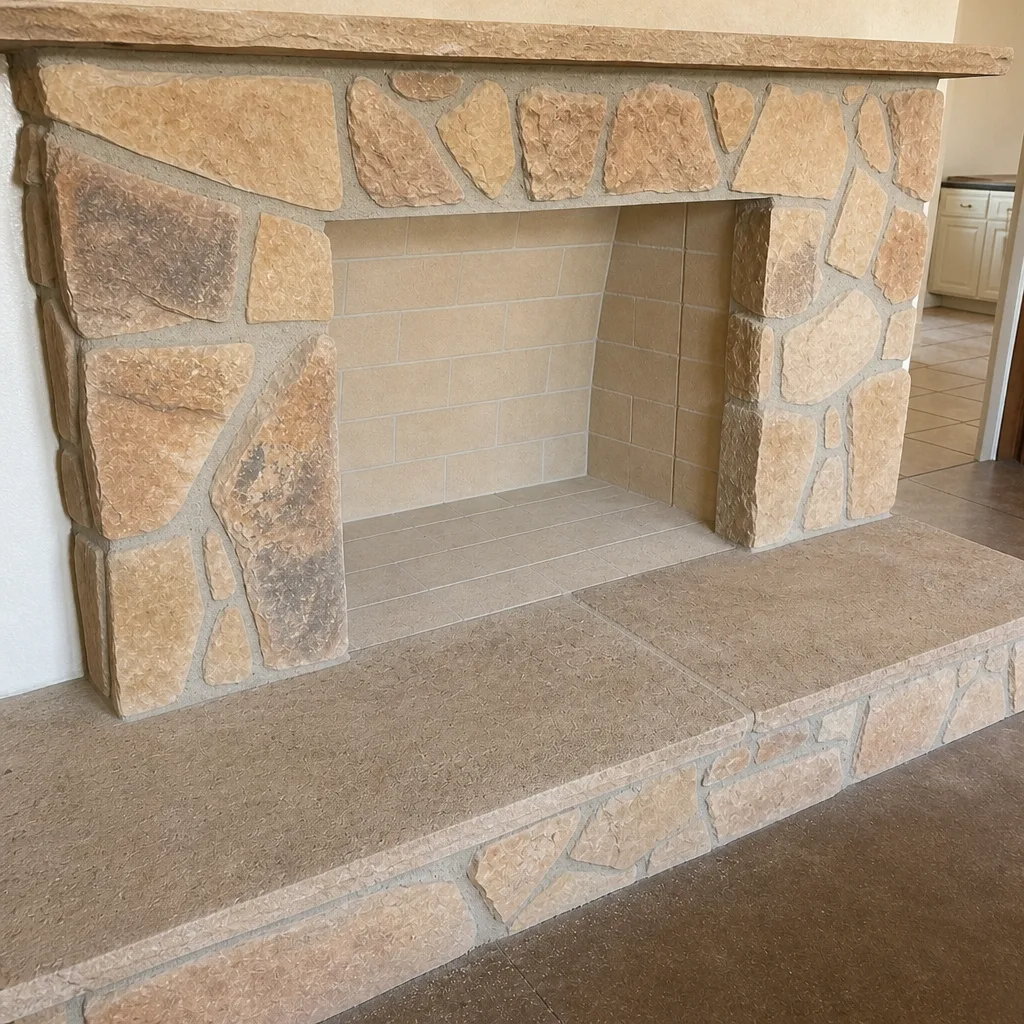
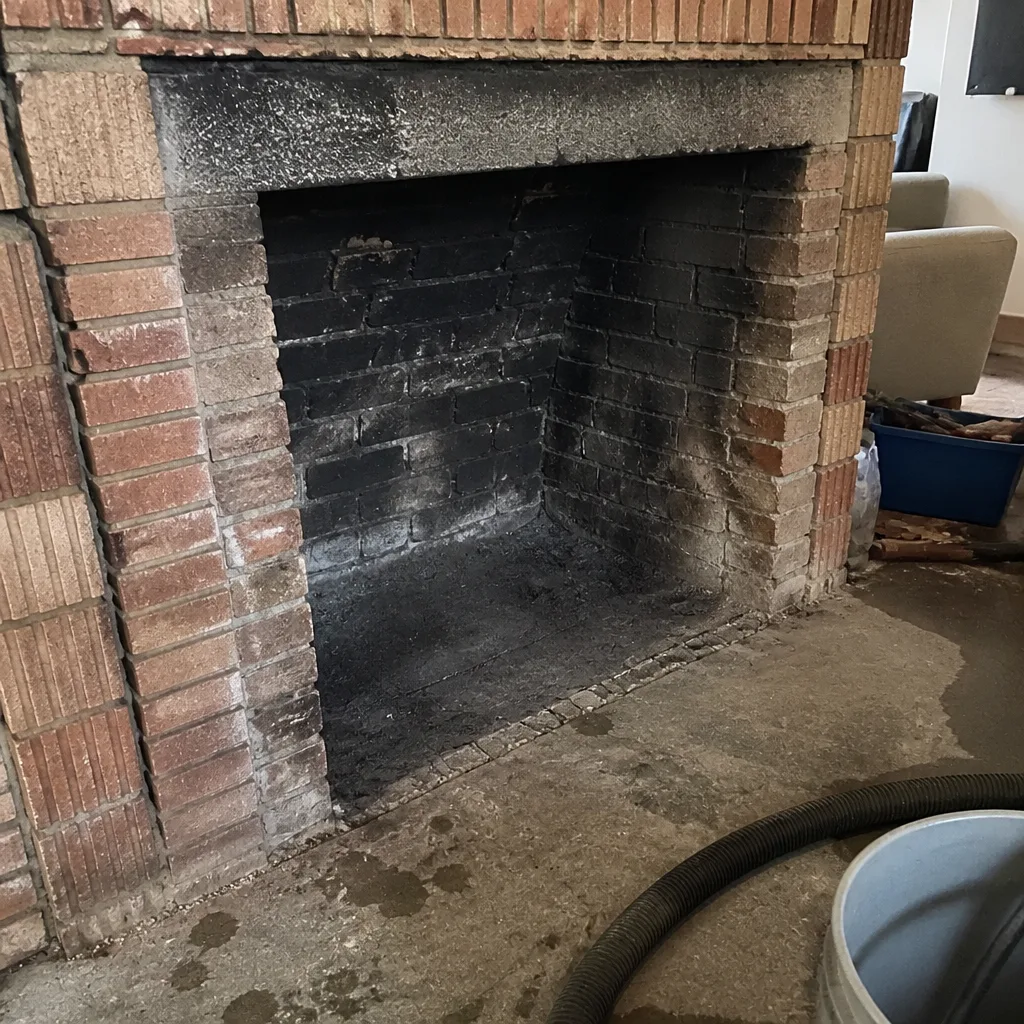
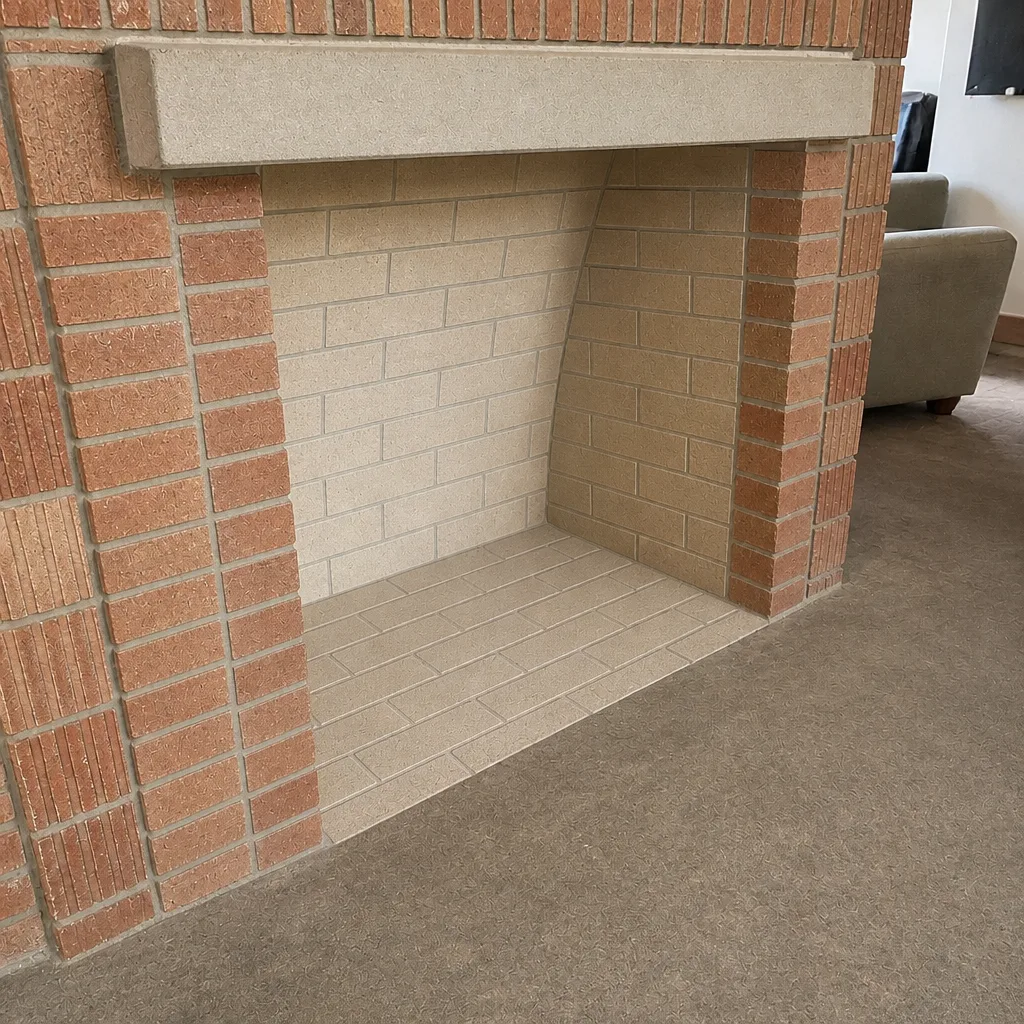
See the difference
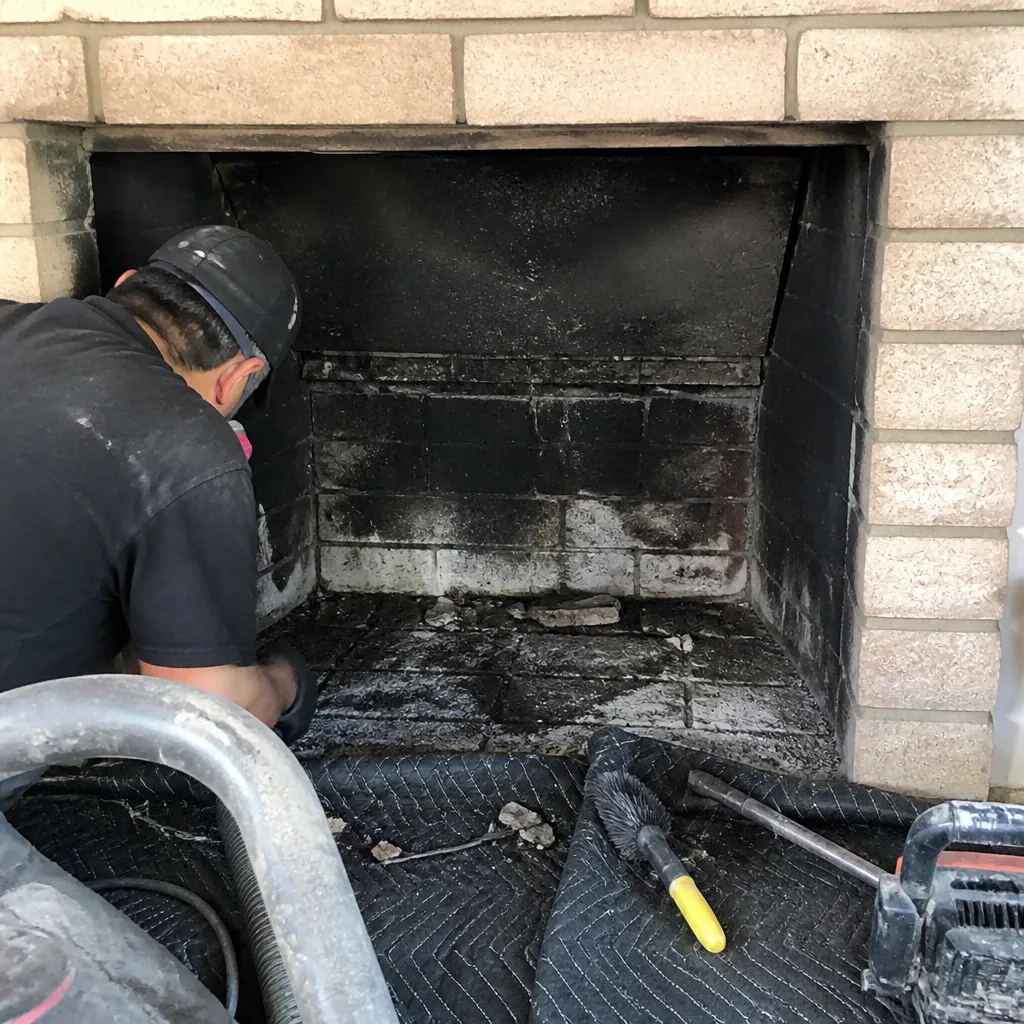 Before
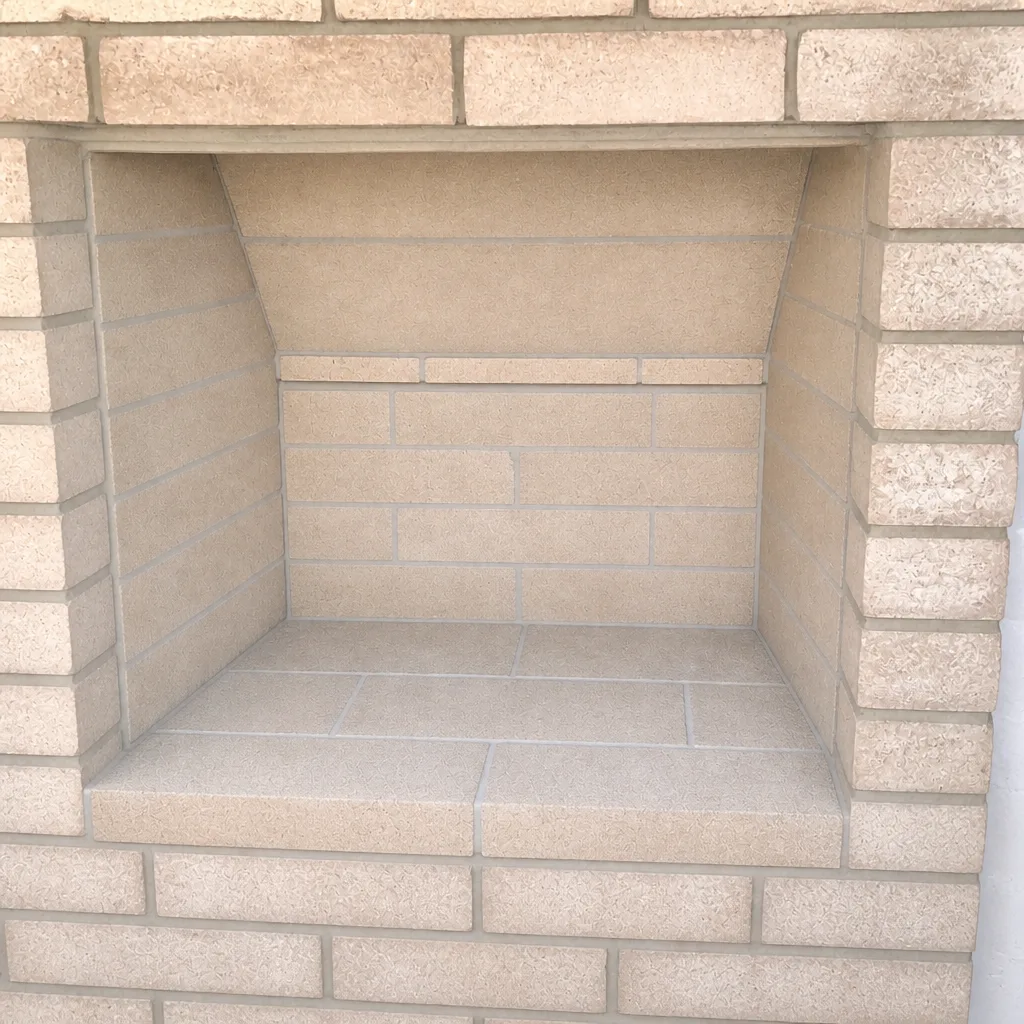 After
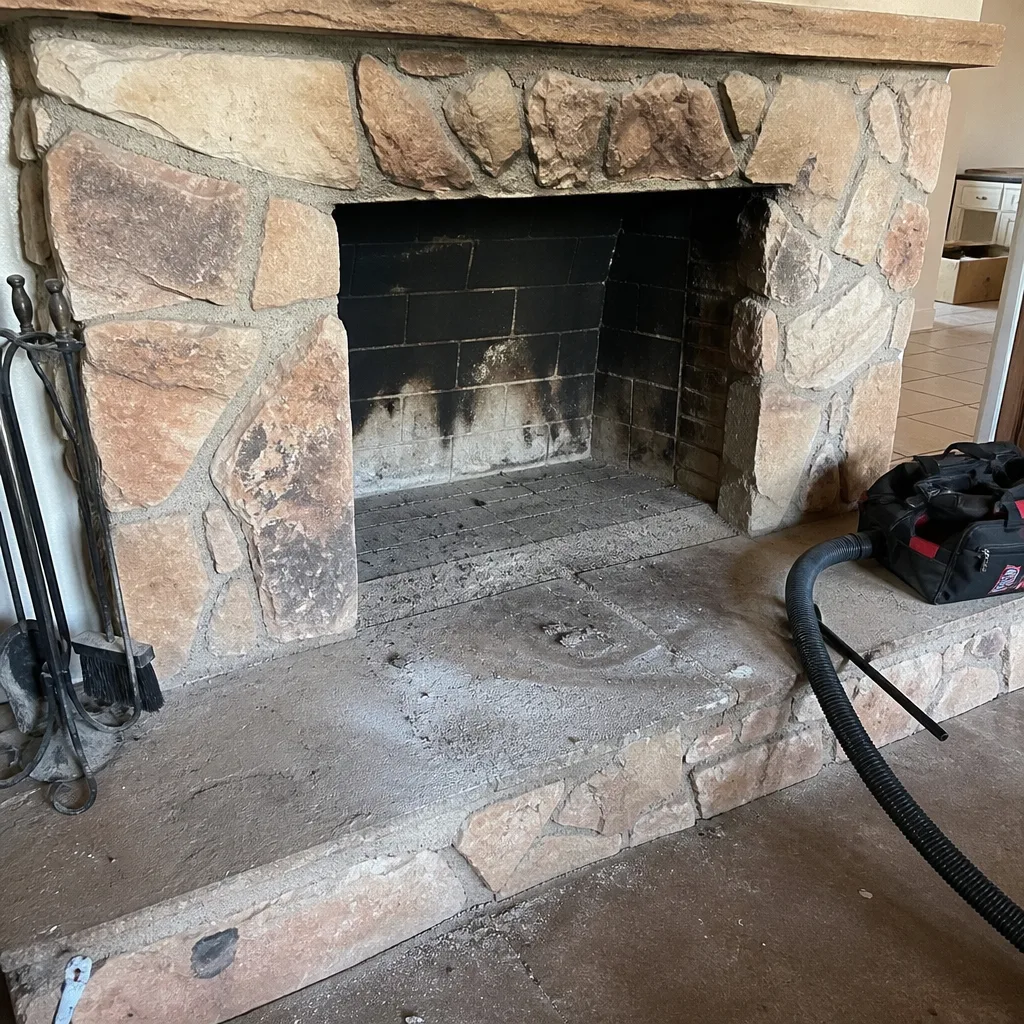 Before
 After
 Before
 After
Common Mistakes to Avoid
- Chasing the cheapest sweep ad. A very low headline price usually covers the cleaning and nothing else. Ask what the inspection includes before you book.
- Skipping the camera inspection to save money. The video inspection is what tells you whether the flue is sound. Skipping it is how a small joint repair becomes a full reline a few years later.
- Approving a repair you haven’t seen. If a recommendation doesn’t come with camera footage or a clear photo, ask for it before you agree to anything.
- Assuming a gas fireplace needs no maintenance. Gas units still collect debris, still have venting to check, and still need an annual look. The cleaning differs, the need doesn’t.
- Ignoring the crown and cap. These are the cheapest chimney repairs there are, and the ones that prevent the most expensive water damage in Surprise’s monsoon season.
- Scheduling the sweep after you’ve already started burning. The best time is before the season starts, so any findings can be handled before you’re relying on the fireplace.
- Forgetting the dryer vent. It’s the other fire-risk system in the house, and it’s the one homeowners think about least often.
When to Call a Professional
Call a professional if you’ve never had the chimney inspected, if it’s been more than a year since the last sweep, if the fireplace smokes into the room when lit, or if you’ve seen water stains or crumbling mortar around the flue opening. The same applies to a dryer that takes two cycles to dry a load, which is a reliable sign the vent is restricted. Any of these is a reason to book an inspection rather than guess at the cause.
Chimney Sweep Surprise offers free estimates in Surprise – call (833) 842-7310. We answer 24/7. Fast dispatch from 7am to 7pm, Sunday through Friday. Our technicians have up to 9 years of experience, and every repair recommendation comes with evidence you can see.
Frequently Asked Questions
A standard chimney sweep in Surprise typically costs $150 to $300 in 2026, and a Level 1 inspection is usually included. Access, flue condition, and fuel type move the price within that range. Call (833) 842-7310 for an exact quote – estimates are free.
Only if the flue itself has failed. Many recommendations for a full reline can be handled instead with a spot repair or a HeatShield joint restoration if the damage is confined to the joints. Ask to see the camera footage before you approve any liner work. Call us for a second look if you’ve been told a reline is the only option.
Annually for a wood-burning fireplace in normal use, and annually for a gas insert as well. The sweep is as much an inspection as a cleaning, and it’s the inspection that catches crown, cap, and flue problems while they’re still inexpensive. Call us to book the annual sweep before the season starts.
Skipping the sweep lets creosote build up and lets small crown or flue problems go unaddressed through another monsoon season. Two seasons of that is often when a $250 cap repair turns into a $900 liner repair. Nothing dramatic usually happens; the costs just climb. Call us for an inspection to find out where your chimney actually stands.
Usually yes on the cleaning itself, because gas produces little creosote. The cost difference is in what’s checked: a gas service is a venting and component inspection as much as a cleaning. Both need an annual look. Call (833) 842-7310 to schedule a gas fireplace service.
Yes, if both are due, because one visit covers two fire-risk systems and saves the second trip. Most homeowners find the combined appointment costs less than two separate calls. Call us and we’ll quote both on one written estimate.
The Bottom Line
Chimney cleaning in Surprise isn’t expensive; unbudgeted chimney repair is. A standard sweep runs $150 to $300, a Level 2 inspection with video adds $250 to $450, and the repair items that catch people by surprise (crown, cap, liner joints) sit in the hundreds rather than the thousands when they’re caught in year one instead of year three. The key is evidence. Insist on camera footage with any repair recommendation, book the annual sweep before the burning season, and treat the crown and cap as the cheap maintenance that protects everything below them. One call covers cleaning, repair, and dryer vents.
Chimney Sweep Surprise is your full-service venting specialist for the West Valley, installing professional-grade brands like DuraFlex, HeatShield, Famco, and Copperfield so the repair matches the finding. Call (833) 842-7310 for a free estimate. We answer 24/7. Fast dispatch from 7am to 7pm, Sunday through Friday.
Written by the team at Chimney Sweep Surprise.