
Last updated November 14, 2026
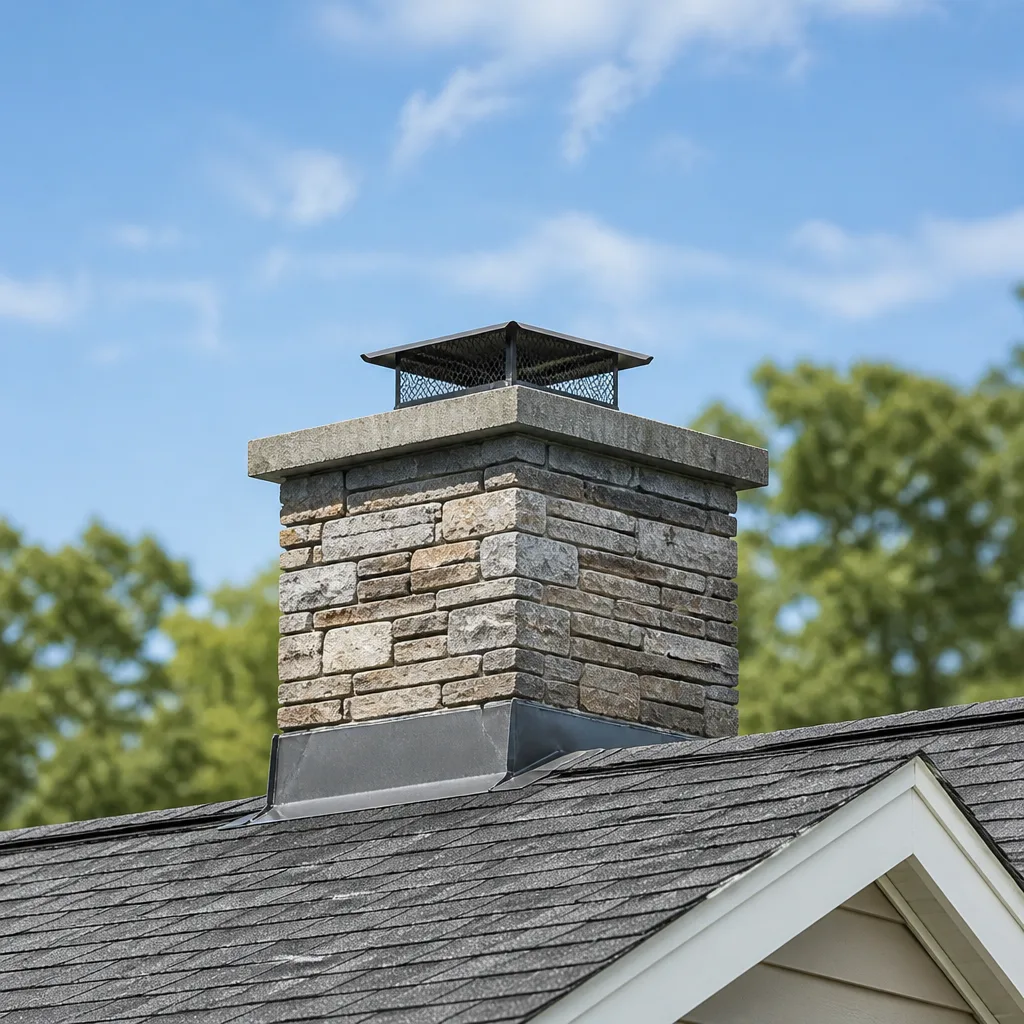 Sweep & inspection
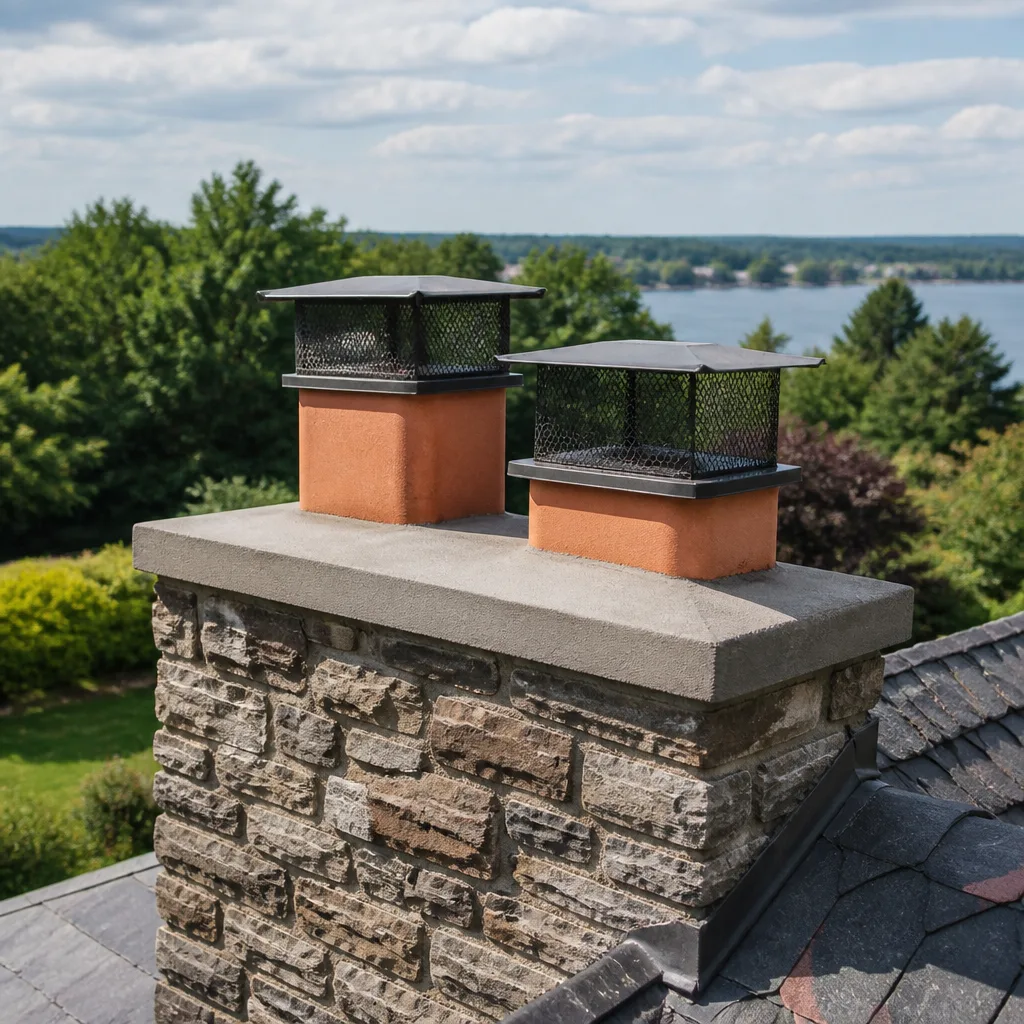 Caps & crowns
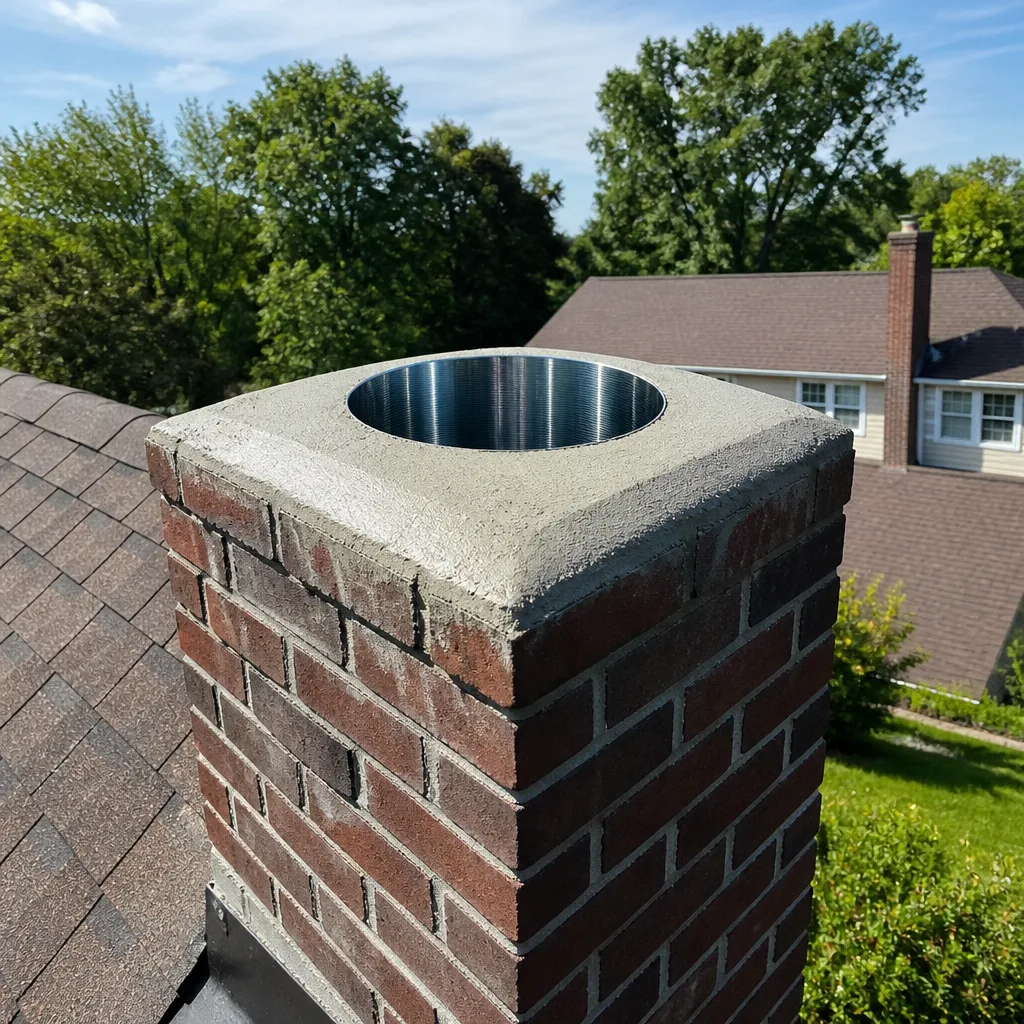 Flue relining
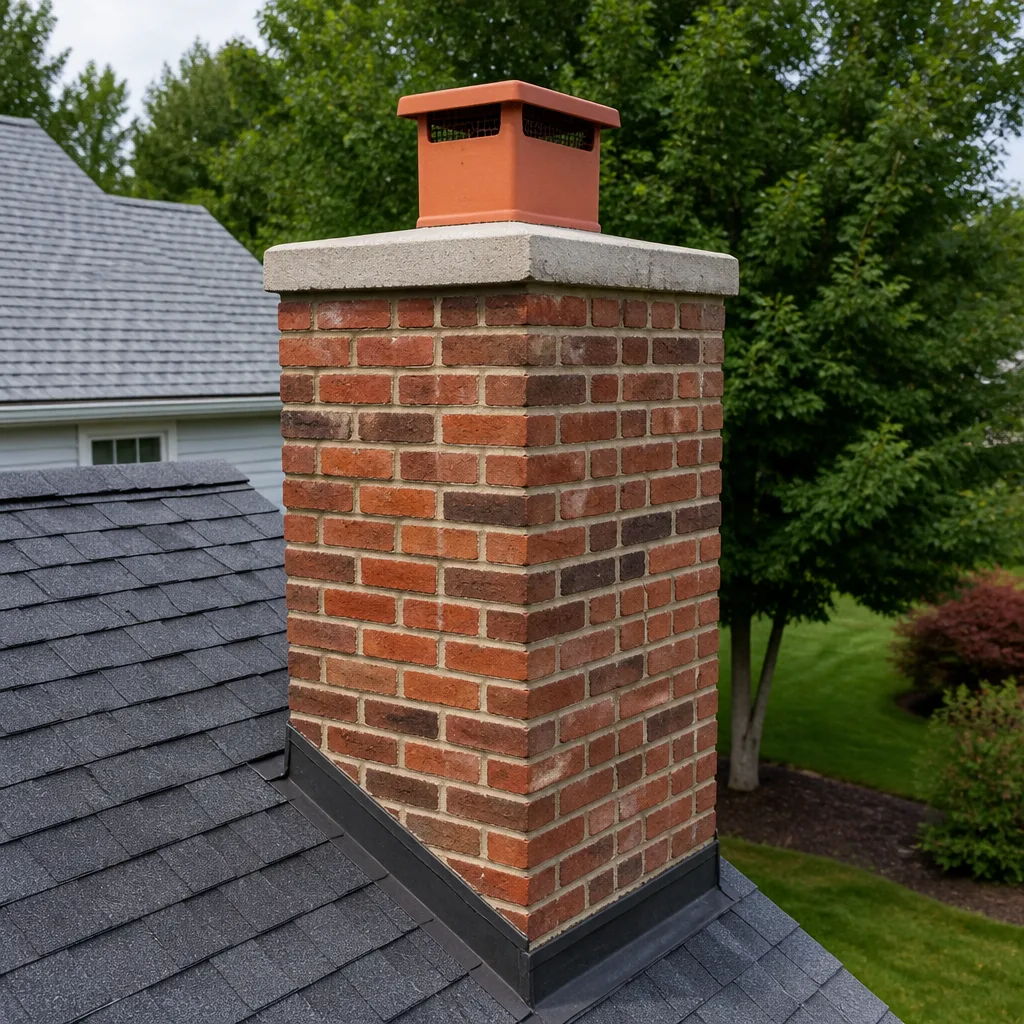 Masonry repair
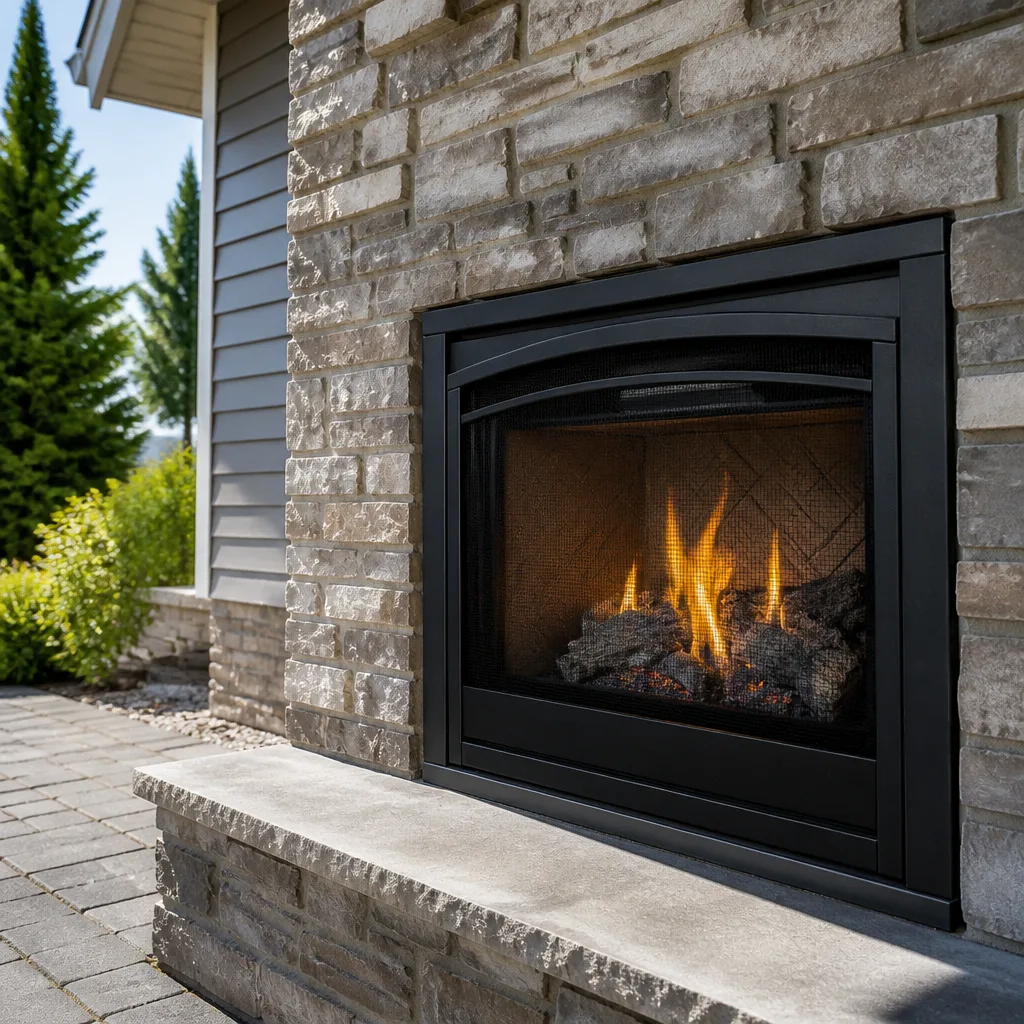 Gas fireplace service
Level 1 sweep and inspection to the NFPA 211 annual standard - flue, crown, cap, and flashing checked and photographed
Chimney sweep logs do not sweep chimneys. They loosen some creosote - which then falls where a brush and vacuum still have to collect it.
Chimney Cleaning Permits, Codes & Inspections in Surprise, AZ: What You Need to Know
Here’s the part that surprises most homeowners: a routine chimney cleaning in Surprise usually needs no permit at all. But the moment a contractor replaces your liner, swaps a cap, or re-flashes the chase, that changes. That repair can require a permit, and a chimney repair done without one can complicate a claim, an appraisal, or a sale down the road. We’ve watched plenty of people assume “chimney work is chimney work” and skip the paperwork. This guide lays out exactly where the line sits in Surprise, AZ: who governs what, which repairs cross into permitted territory, and what to ask before anyone climbs onto your roof.
Quick Answer
In Surprise, a routine chimney sweep and a Level 1 visual inspection generally require no permit. Structural or component replacements, such as a new flue liner, a firebox rebuild, a chase re-flash, or a new cap assembly, commonly trigger a permit, and the rules trace back to the International Residential Code as adopted by Arizona and enforced locally by the City of Surprise. A Level 2 inspection is the report your insurer and a future buyer will most often ask for, and it’s the document that documents your system properly. The safest path is to confirm in writing who is pulling the permit and to get the inspection findings on paper.
Styles & brands we work with
- Sweep & inspection
- Caps & crowns
- Flue relining
- Masonry repair
- Gas fireplace service
Table of Contents
- Who Governs Chimney Work in Surprise?
- Where’s the Permit Line: Cleaning vs. Repair
- The International Residential Code and Arizona Adoption
- What a Level 2 Inspection Report Actually Means
- How Permits and Inspections Affect Your Insurance
- Unpermitted Repairs and the Surprise Real Estate Market
- What to Ask Your Contractor Before Work Starts
- Why Surprise Climate Makes Inspections Matter
Who Governs Chimney Work in Surprise?
The City of Surprise issues building permits for residential work inside city limits, and Maricopa County handles unincorporated areas just outside city boundaries. This matters because properties on the edges of Surprise, particularly lots near the open desert toward the west and north, sometimes sit in county jurisdiction rather than city. If your address falls in a county island, the permitting authority may not be the city at all.
When we’re asked to explain who governs what on a chimney, here’s how the layers stack up in practice:
- City of Surprise Building Department – issues residential permits for structural, mechanical, and some roofing-related work, including chimney chase repairs and flue liner replacements, inside city limits.
- Maricopa County – handles permits for unincorporated parcels in the surrounding county areas.
- Fire prevention and safety codes – reference standards for clearances, venting, and combustion safety that any permitted installation must satisfy.
- Homeowners Association rules – many Surprise neighborhoods have CC&Rs covering exterior appearances of chimney caps, chase materials, and roof penetrations, layered on top of the building code.
If you’re unsure who has jurisdiction over your address, you can call the City of Surprise building department directly, or ask a qualified contractor to confirm before a repair is scheduled. That single phone call eliminates most of the confusion. For a look at how we handle cleaning and repair together on one visit, see our Chimney Sweep Surprise page.
Where’s the Permit Line: Cleaning vs. Repair
Cleaning is maintenance. Repair is construction. That’s the core distinction, and it’s why so many Surprise homeowners are surprised when a repair suddenly needs paperwork. A sweep removes creosote and debris from an existing, unaltered flue. It changes nothing about the structure of the chimney. A repair, on the other hand, changes the system: a new liner, a rebuilt firebox, a chimney crown poured, flashing reset. That’s when a permit enters the picture.
Here’s our working breakdown of what typically stays permit-free and what generally triggers a filing:
Usually no permit required
- Routine chimney sweeping and creosote removal
- Level 1 visual inspection during a cleaning
- Level 2 inspection with camera in the flue
- Cleaning a dryer vent or clearing lint buildup
- Small cap repairs where only a screen or clamp is replaced
Permit commonly required
- Replacing a flue liner, including flexible liner systems
- Rebuilding or structurally repairing a firebox
- Re-pouring or replacing a chimney crown
- Re-flashing a chimney chase at the roofline
- Changing the venting type or fuel configuration of an appliance
- New cap assembly where the chase top itself is altered
These aren’t universal rules. Every municipality interprets code slightly differently, and Surprise is no exception. The practical rule is this: if the repair changes a component the fire safety of the house depends on, ask about a permit before work begins. It’s not a sign of a complicated job. It’s a sign of a proper one.
The International Residential Code and Arizona Adoption
Arizona adopts the International Residential Code and its companion codes as the technical foundation for residential construction, and Surprise enforces those standards locally. That means when a repair is permitted, the inspector is checking against a defined code standard for clearances, venting, and combustion safety, not a loose set of best practices.
For a homeowner, the code sections that matter most on chimney work fall into a few broad categories:
- Clearances to combustibles. The code sets required distances between chimney and flue components and wood framing, sheathing, and other combustible materials. A proper inspection looks at those distances in the attic and roof cavity, not just at the firebox.
- Venting and flue sizing. Flue size and configuration must match the appliance. A flue that’s too large, too small, or improperly connected can fail to draft correctly.
- Liner integrity. The interior of a flue must maintain its protective surface. Cracks, spalling, and failed joints compromise that protection and, in a wood-burning fireplace, carry real fire risk.
- Crown and chase waterproofing. The code expects the chase to shed water away from the flue. A failed crown or flashing lets moisture into the system and accelerates deterioration.
- Combustion appliance connections. Where a gas insert or appliance is connected, the code carries additional requirements for venting and combustion air that inspectors review carefully.
When a repair is permitted, the inspector comes out to confirm the work satisfies those requirements. When a repair is completed without a permit, no one confirms it. You can read the local building department’s own materials for the specific edition of the code Surprise currently enforces. For a city-specific overview of our services, see our Surprise page.
What a Level 2 Inspection Report Actually Means
A Level 2 inspection is a visual, non-invasive examination of every accessible part of the chimney and venting system, including the attic, the roof, and the flue interior using a camera. It’s the standard report requested during a home sale or after a chimney fire, and it’s what most insurers want to see before they’ll write or renew a policy on a home with a wood-burning fireplace.
The difference between a Level 1 and a Level 2 is depth. A Level 1 covers what’s visible during a cleaning: the firebox, the damper, the accessible flue, and the firebox interior. A Level 2 goes further. Our technicians use camera inspection inside the flue so you can see the actual condition of the liner joints, the crown, the flashing, and the smoke chamber. You’re not taking anyone’s word for it. You’re looking at the photos.
What a Level 2 report should include:
- Photos of the flue interior from top to bottom
- Notes on liner condition, joint integrity, and any gaps or cracks
- A description of the crown condition and the roof-level flashing
- Observations about the firebox, damper, and smoke chamber
- Clearance observations from the attic and roof cavity where accessible
- A summary with recommendations separated into “needs attention now” and “monitor”
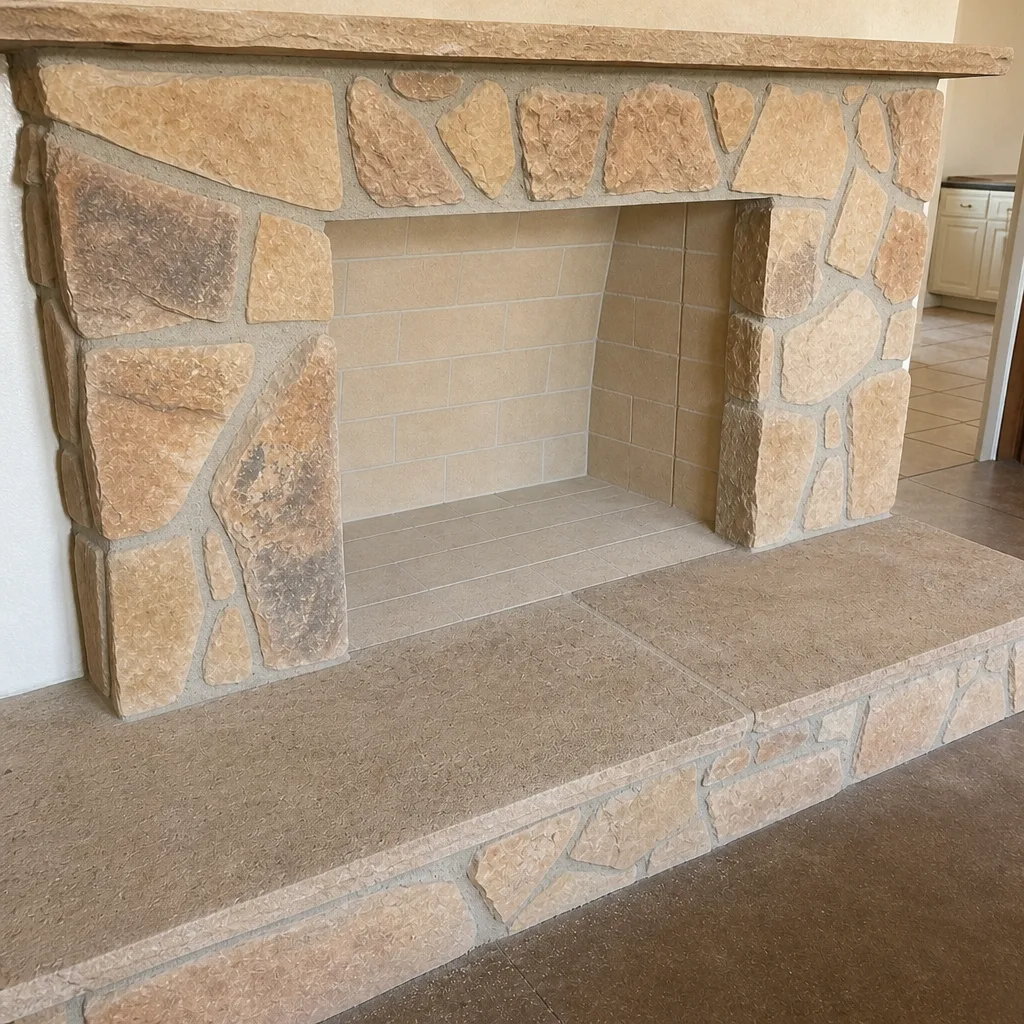
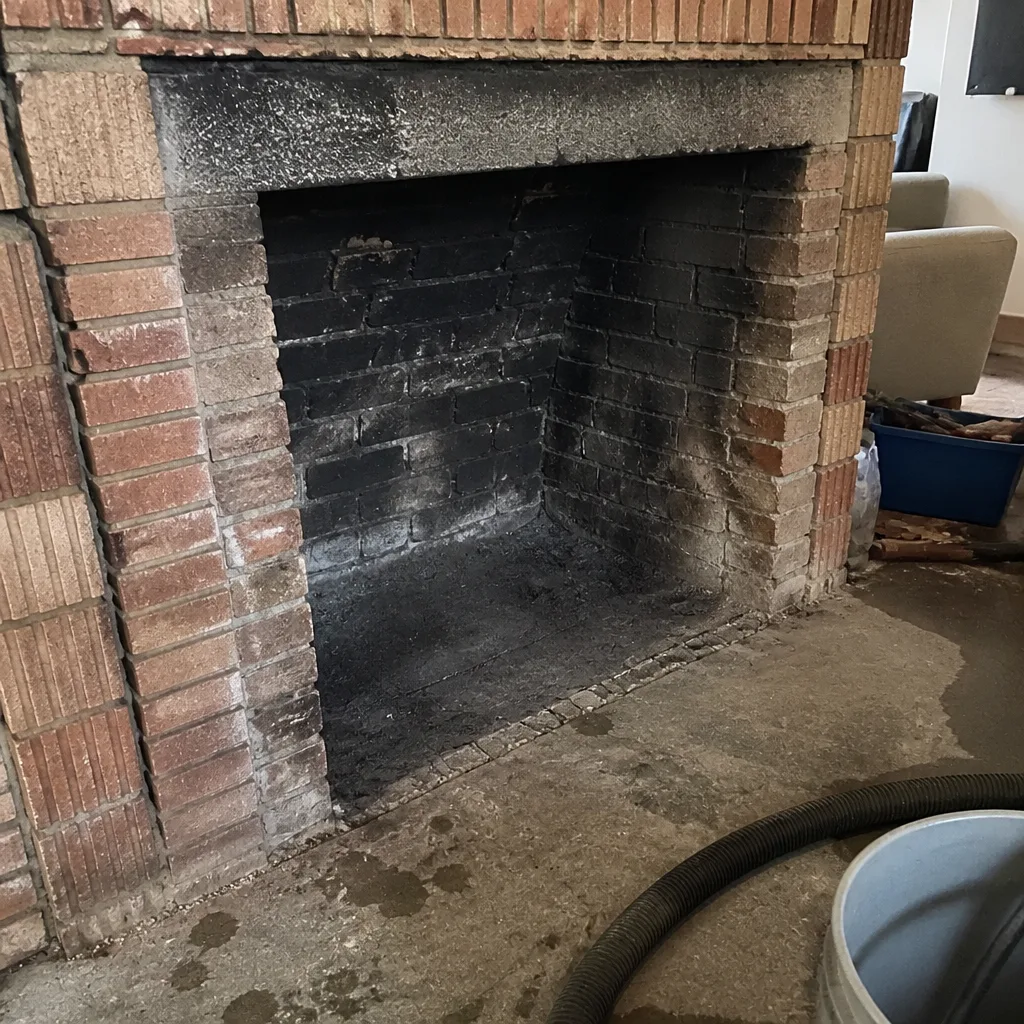
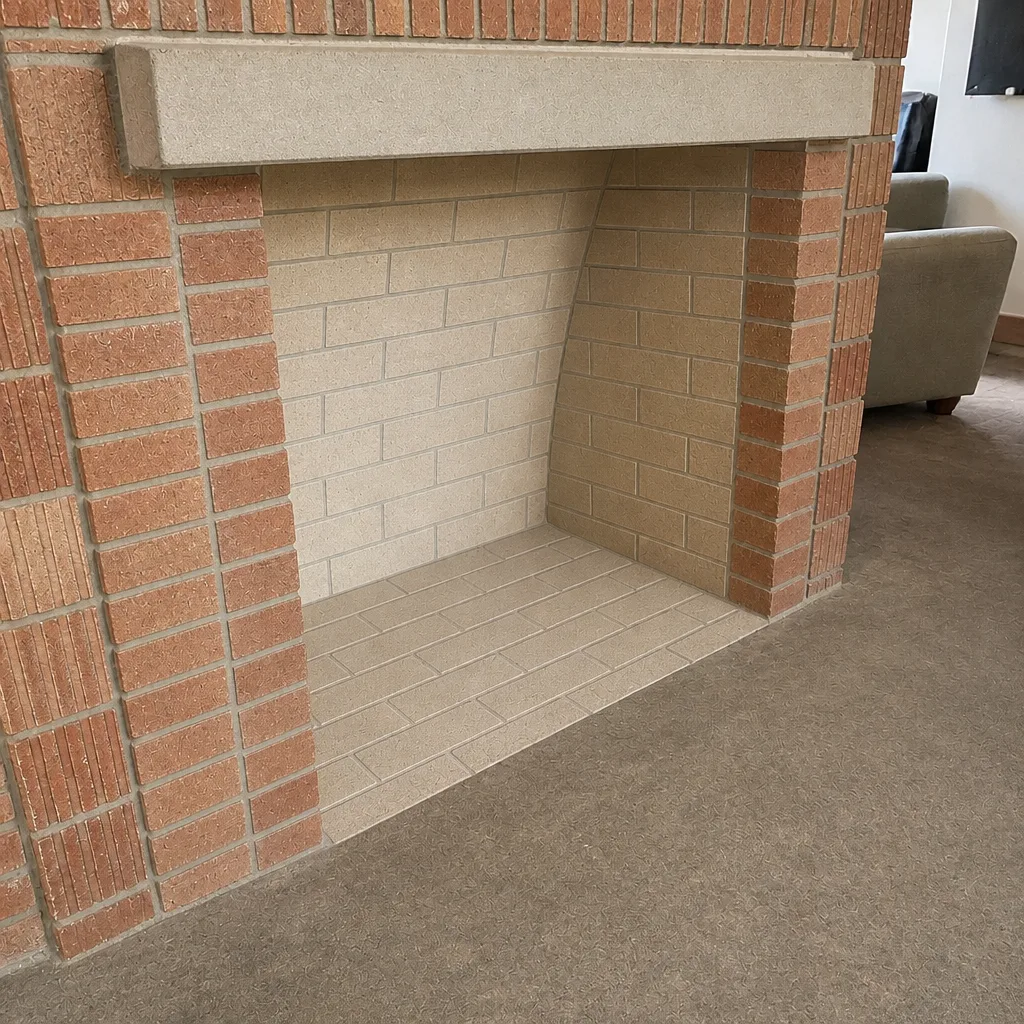
If a contractor hands you a report with no photos and no written findings, you didn’t get a Level 2. Our team uses HeatShield restoration products to address deteriorating flue joints and fireboxes without a full rebuild, which is the kind of fix a Level 2 report typically points to. If your flue is offset or complex, DuraFlex flexible liners can reline it where rigid systems struggle. Either way, the report should justify the recommendation. No photo, no recommendation. That’s the standard we hold.
How Permits and Inspections Affect Your Insurance
Homeowners insurance carriers handling Surprise policies increasingly ask for documentation on wood-burning fireplaces, especially for homes built two or three decades ago where the original clay tile liners may have reached the end of their useful life. A Level 2 inspection report with photos and findings is the document that satisfies that request. It shows your system’s condition in a form the adjuster can review.
The deeper issue is unpermitted work. Suppose a prior owner replaced a liner without a permit. The system may work fine for years. But if there’s a chimney fire or a carbon monoxide incident and the insurance investigation reveals an unpermitted modification, the claim can become complicated. Carriers evaluate whether the loss connects to unpermitted, uninspected alterations. That doesn’t automatically mean a claim gets denied. It does mean you’ll be answering questions that a permitted, inspected job would have answered for you.
The practical takeaway is simple. Keep the paperwork. The permit, the inspection report, the installation documentation, and the product specifications for the liner or cap are all part of your home’s safety file. A reputable contractor will hand them over without being asked. If you’re calling us for chimney sweep service or a repair, you get the report and the photos in writing.
Unpermitted Repairs and the Surprise Real Estate Market
Surprise has grown quickly, and that growth matters when a home comes to market. Buyers in Sun City Festival, Rancho Gabriela, Sierra Montana, Ashton Ranch, and the original Surprise Farms neighborhoods are working with agents who’ve watched the chimney inspection request become routine in the transaction. A Level 2 report is now standard practice on wood-burning homes, not a surprise line item.
Unpermitted repairs surface during that process in three ways:
- The inspection flags the alteration. A contractor reviewing the flue notices the liner type, the material, or the joint configuration doesn’t match the original build, and asks for documentation.
- The permit history check turns up nothing. Counties and cities maintain permits by address, and a buyer’s agent can pull that history. A liner replacement with no permit on file is a red flag the buyer’s contractor will raise.
- The buyer’s inspector sees evidence of the change. New crown material or a newer cap on an older house prompts a request for records.
These don’t always kill a deal. They frequently become a negotiation. The seller either produces documentation, has the work re-inspected and brought into compliance, or drops the price. The cost of pulling the original permit would have been trivial compared to any of those outcomes. In a market as active and informed as the West Valley, paperwork is part of the sale.
What to Ask Your Contractor Before Work Starts
A reputable contractor will not hesitate when you ask about permits. If the answer is “you don’t need one” before anyone has even looked at the roof, ask again. Here are the questions worth putting in writing before any repair begins:
- “Does this specific repair require a permit in Surprise, and who pulls it?” The answer should be specific to your repair type and your jurisdiction.
- “Will you provide the permit number and inspection sign-off when the job is done?” A yes here is a sign of a professional operation. A no is a warning.
- “What product are you installing on my liner or cap, and why?” Ask for the brand and the model. HeatShield, Gelco, Olympia Chimney, and Famco all make products we install, and the reasoning should be clear.
- “Will I get a written inspection report with photos?” The report is what the insurer and the buyer will rely on.
- “If the inspection turns up additional findings, how do we handle it?” Same-day remediation by the same team is the answer that avoids a second contractor and a second inspection fee.
- “Can you show me the documentation at the end of the job?” Permit, inspection sign-off, product spec, photos. All of it should be handed over.
We work with a curated roster of professional-grade brands because the paperwork trail matters as much as the parts: DuraFlex liners, HeatShield restoration materials, Gelco, Olympia Chimney, and Famco products all come with documented specifications that support a permit and satisfy an insurer.
Why Surprise Climate Makes Inspections Matter
Surprise sits in the Sonoran Desert, and while the climate is dry most of the year, the summer monsoon season brings intense, wind-driven rain that hits the roof from angles that a mild climate never produces. That rain finds every failed crown, every lifted flashing seal, and every hairline crack in the chase. An inspection that catches a compromised crown in the spring can prevent moisture from reaching the flue structure during a July monsoon.
The other climate factor is the burn season. Surprise winters are mild enough to run a fireplace for months at a time, and that wood-burning cycle is what builds creosote. The dry climate means fuel dries well, but the burn season is long enough that creosote accumulation outpaces what many homeowners assume. A yearly inspection, ideally scheduled before the burn season begins, catches creosote buildup and liner wear before they become a national safety statistic in your living room.
Dryer vent cleaning is the second piece of this. Lint accumulation in a dryer vent is a leading cause of residential fire, and Surprise’s dry air doesn’t protect against a lint-clogged vent. Two fire-risk systems, one visit: dryer vent cleaning alongside your chimney service is the most efficient way to get both done and documented.
Common Mistakes to Avoid
- Assuming all chimney work is permit-free. Cleaning is generally permit-free; liner replacement, crown work, and firebox rebuilds typically require a permit in Surprise. Get the specifics for your job, not a blanket answer.
- Skipping the Level 2 before listing the house. Buyers in the Surprise and West Valley market expect a Level 2 report on wood-burning homes. Getting it ahead of time avoids the contingency scramble.
- Accepting a verbal inspection with no photos. A report without camera photos and a written summary isn’t a Level 2. Ask for it, keep the copy.
- Hiring a contractor who resists the permit question. If a professional won’t tell you who’s pulling the permit, that’s the answer you need about working with them.
- Treating the crown as cosmetic. Surprise monsoon rain gets under a failed crown, and the water damage that follows is a structural repair, not a cosmetic touch-up.
- Forgetting the dryer vent. Chimney cleaning gets the attention; dryer vent cleaning gets skipped. Lint is a documented fire cause, and the cleaning is quick.
- Letting an unpermitted repair go undocumented. If prior work lacks a record, get it re-inspected before you need to explain it to a buyer or an insurer.
See the difference
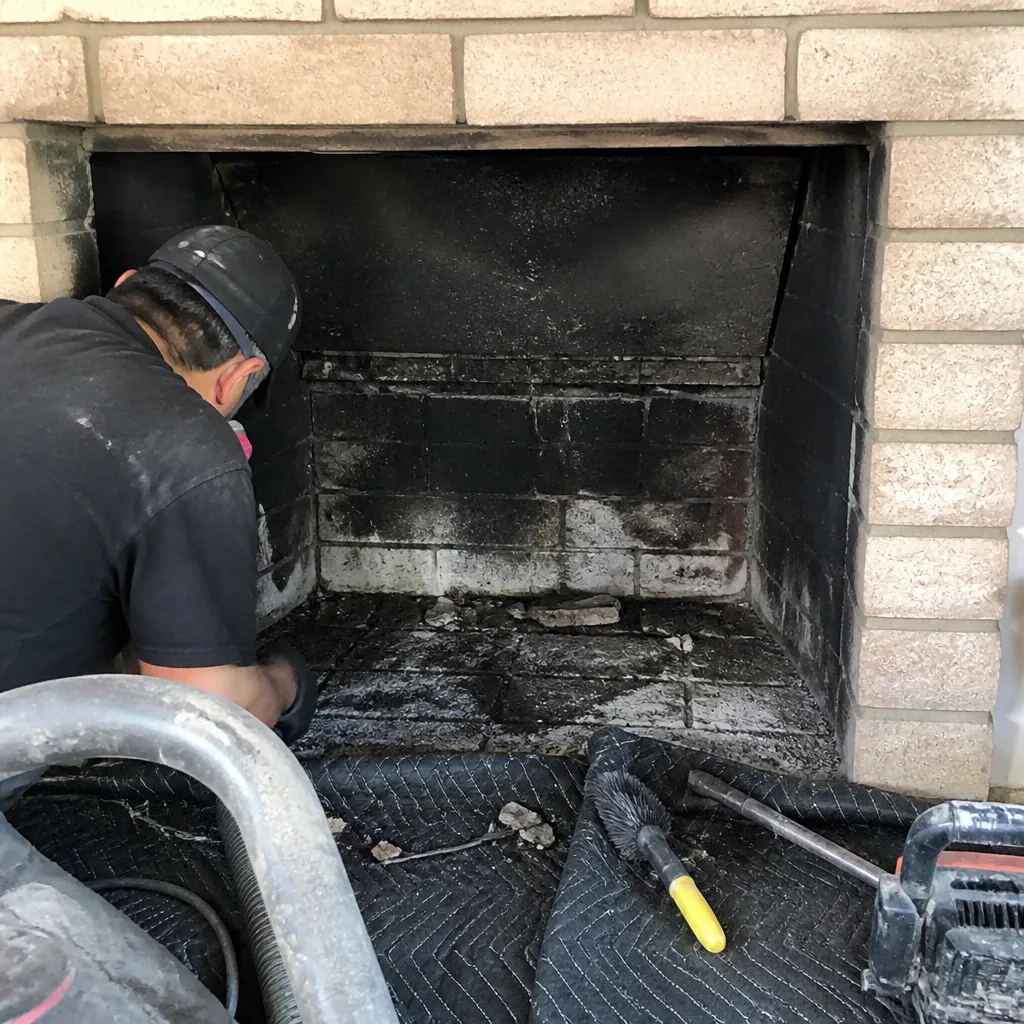 Before
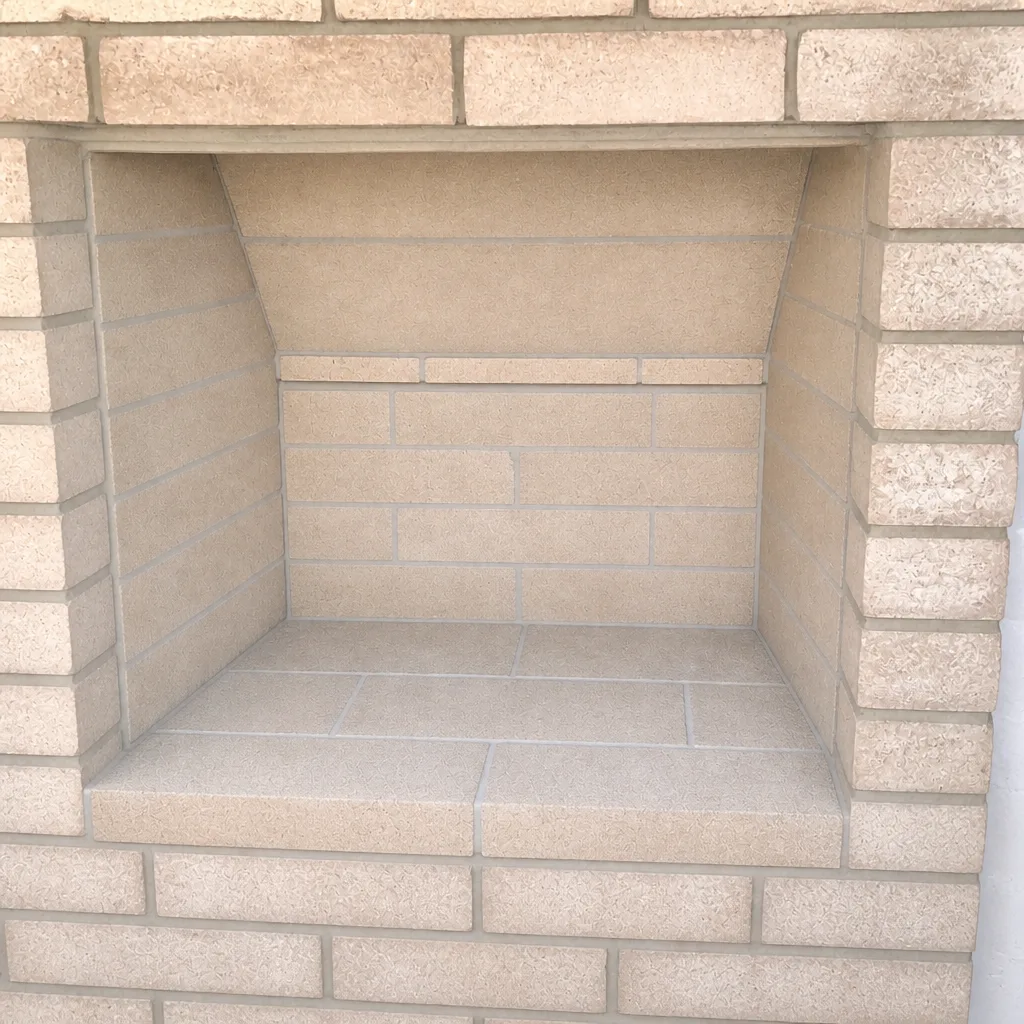 After
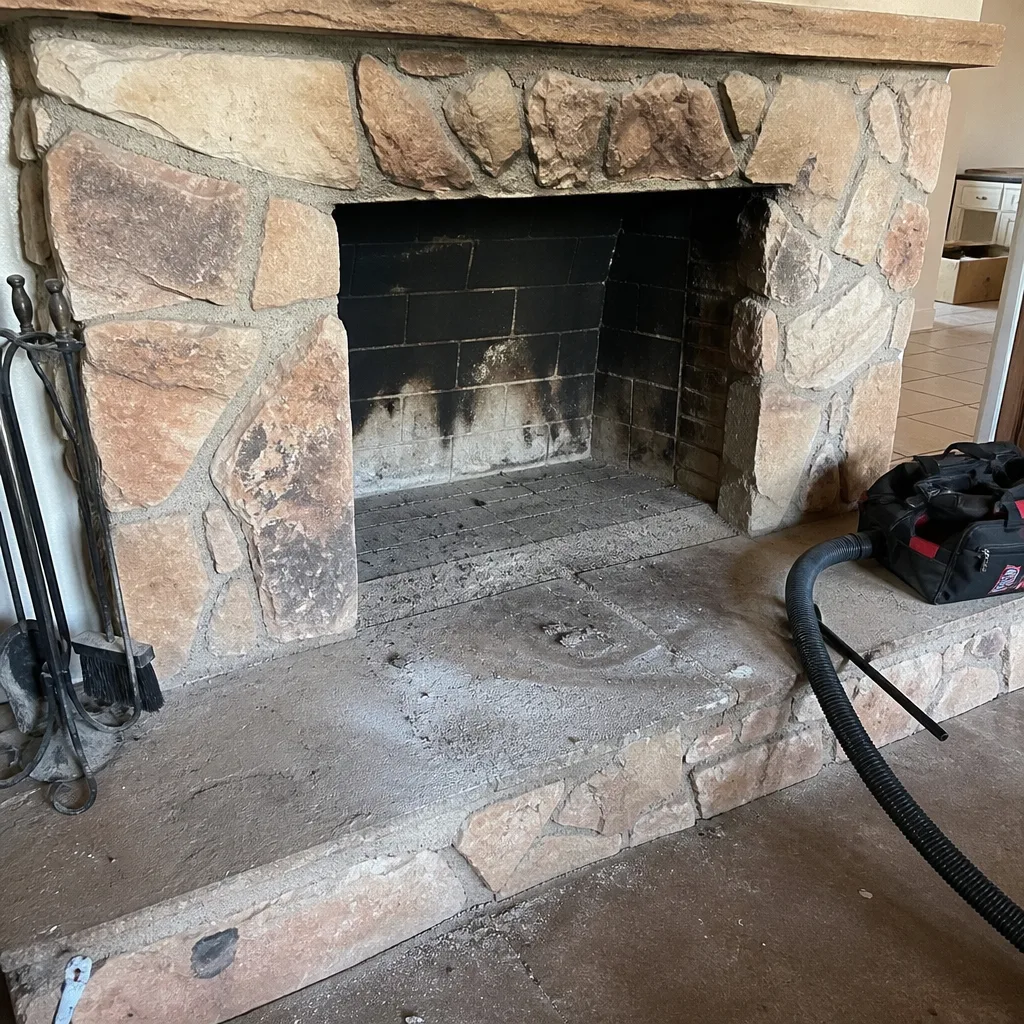 Before
 After
 Before
 After
When to Call a Professional
Call a professional if you can’t recall the last chimney inspection, if you’re buying or selling a home with a wood-burning fireplace in Surprise, if your insurer has requested documentation, or if you’ve noticed draft problems, soot on the firebox face, or moisture at the roofline. Call us before any repair that touches the liner, crown, or firebox, because that’s when the permit question needs an answer before work begins, not after. Chimney Sweep Surprise offers free estimates in Surprise. Call (833) 842-7310. We answer 24/7. Fast dispatch from 7am to 7pm, Sunday through Friday, and we’re closed on Saturday. One call covers cleaning, repair, and dryer vents. Inspection findings get fixed on the spot when the work allows, and you’ll get the report, the photos, and the documentation in writing.
Frequently Asked Questions
No, a routine chimney cleaning in Surprise does not require a permit. Cleaning is maintenance on an existing system; it doesn’t change the structure of the flue or the chimney itself. A Level 1 or Level 2 inspection alongside the cleaning also does not require a permit. The permit question only comes up when the work becomes a repair that changes a component the fire safety of the home depends on. Call (833) 842-7310 for an exact answer about your specific chimney, and estimates are free.
Repairs that alter or replace part of the chimney system typically require a permit. That includes liner replacement, firebox reconstruction, chimney crown replacement, chase re-flashing, and any change to the venting configuration or appliance fuel type. Minor repairs, like replacing a screen or tightening a clamp on a cap, generally do not. Because the exact permit rules depend on the City of Surprise or Maricopa County jurisdiction for your address, ask the contractor to confirm the permit for your specific repair before scheduling the work.
A Level 1 inspection is the visual check performed during a routine cleaning. A Level 2 inspection is more thorough: it uses a camera to inspect the interior of the flue and reviews the accessible parts of the chimney from the attic and the roof, producing a written report with photos. Insurers and home buyers typically expect the Level 2, especially on homes with wood-burning fireplaces. The report is your documentation of system condition, and photos make the findings verifiable. Call (833) 842-7310 with questions about which inspection your insurer is asking for.
It can. Unpermitted repairs show up during a home inspection in three ways: a contractor recognizing an unfamiliar liner or component, a permit history check at the county or city showing no record, or a buyer’s inspector flagging evidence of a newer repair on an older house. When that happens, the sale usually triggers a negotiation: documentation gets produced, work gets re-inspected, or the price adjusts. Getting the permit at the time of repair is dramatically simpler than resolving it during a transaction.
An annual inspection is the standard recommendation for any home with a wood-burning fireplace, and for Surprise specifically the right time is before the burn season begins. The mild winter means a long burn cycle and steady creosote accumulation, and the summer monsoon is the season that tests the crown and flashing. A yearly inspection catches both seasonal concerns in one visit. If the home has recently changed hands, or the fireplace hasn’t been used in over a year, a Level 2 is a good starting point. Call (833) 842-7310 to book an inspection or a repair.
Ask three questions directly. First, does this specific repair require a permit at my address, and if so, who pulls it? Second, will you give me the permit number and the inspection sign-off when the work is complete? Third, will I get a written report and photos? A professional contractor answers all three without hesitation. If any answer is vague, or the contractor says permits aren’t needed before anyone has looked at your roof, treat that as your answer about working with them. We pull permits on the repairs that require them, and we document every job.
The Bottom Line
Cleaning a chimney in Surprise is routine and usually needs no permit. Repairing one is different: liner replacement, cap changes, crown work, and chase re-flashing typically require a permit, and skipping that step is what complicates insurance claims and home sales later. A Level 2 inspection with photos is your documentation: the report your insurer asks for and the one a buyer’s agent expects. Get the answers in writing before work starts. Confirm who’s pulling the permit, confirm what brand and product is being installed, and confirm the report gets handed to you. That paperwork is the difference between a repair that stands up and one that becomes a question you can’t answer. If the repair matters, the permit matters.
Chimney Sweep Surprise is your single qualified call for chimney sweeping, chimney repair, and dryer vent cleaning. We install professional-grade brands including DuraFlex, HeatShield, Gelco, Olympia Chimney, Famco, and Copperfield, and our technicians have up to 9 years of experience. Inspection findings fixed on the spot, no second appointment needed. HeatShield restoration instead of an expensive rebuild. Two fire-risk systems, one visit: your chimney and your dryer vent.
Call (833) 842-7310 for a free estimate. We answer 24/7. Fast dispatch from 7am to 7pm, Sunday through Friday. We’re closed on Saturday.
Written by the team at Chimney Sweep Surprise.