
Last updated November 14, 2026
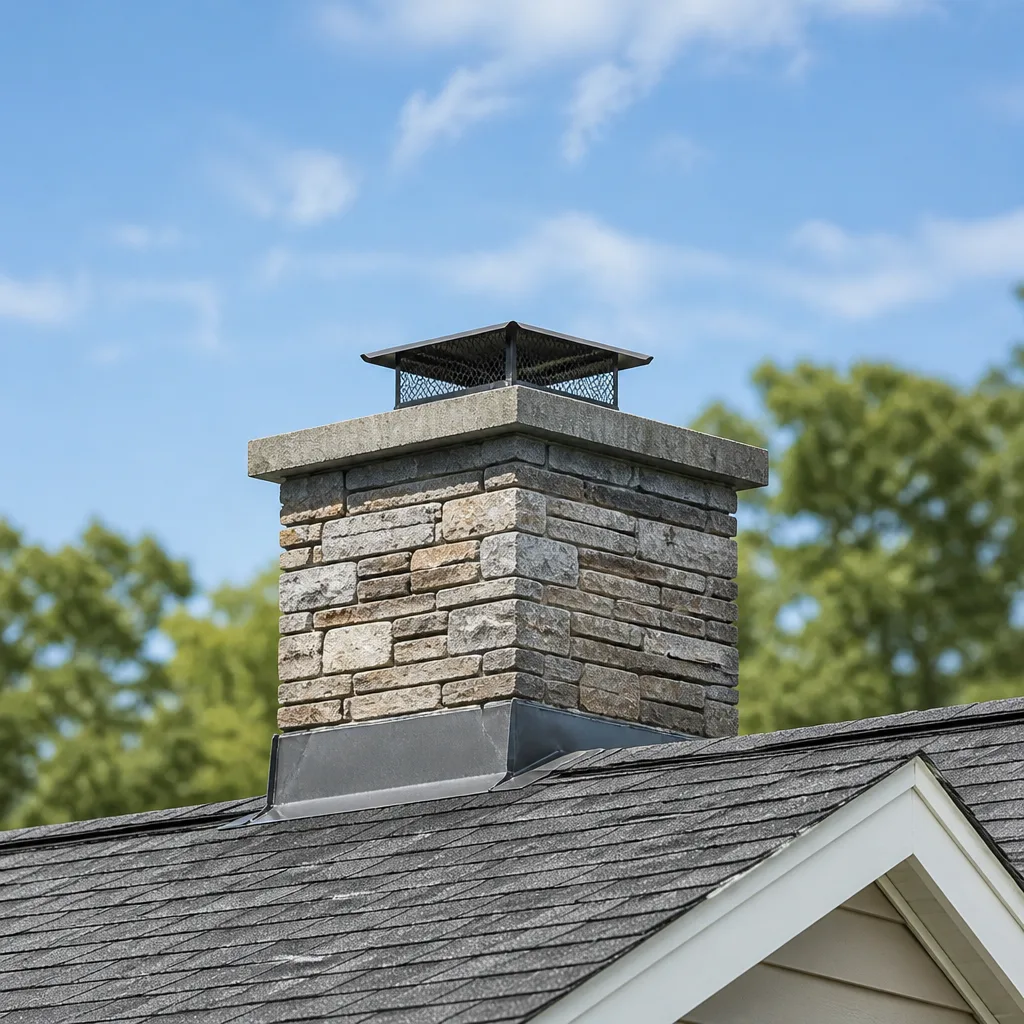 Sweep & inspection
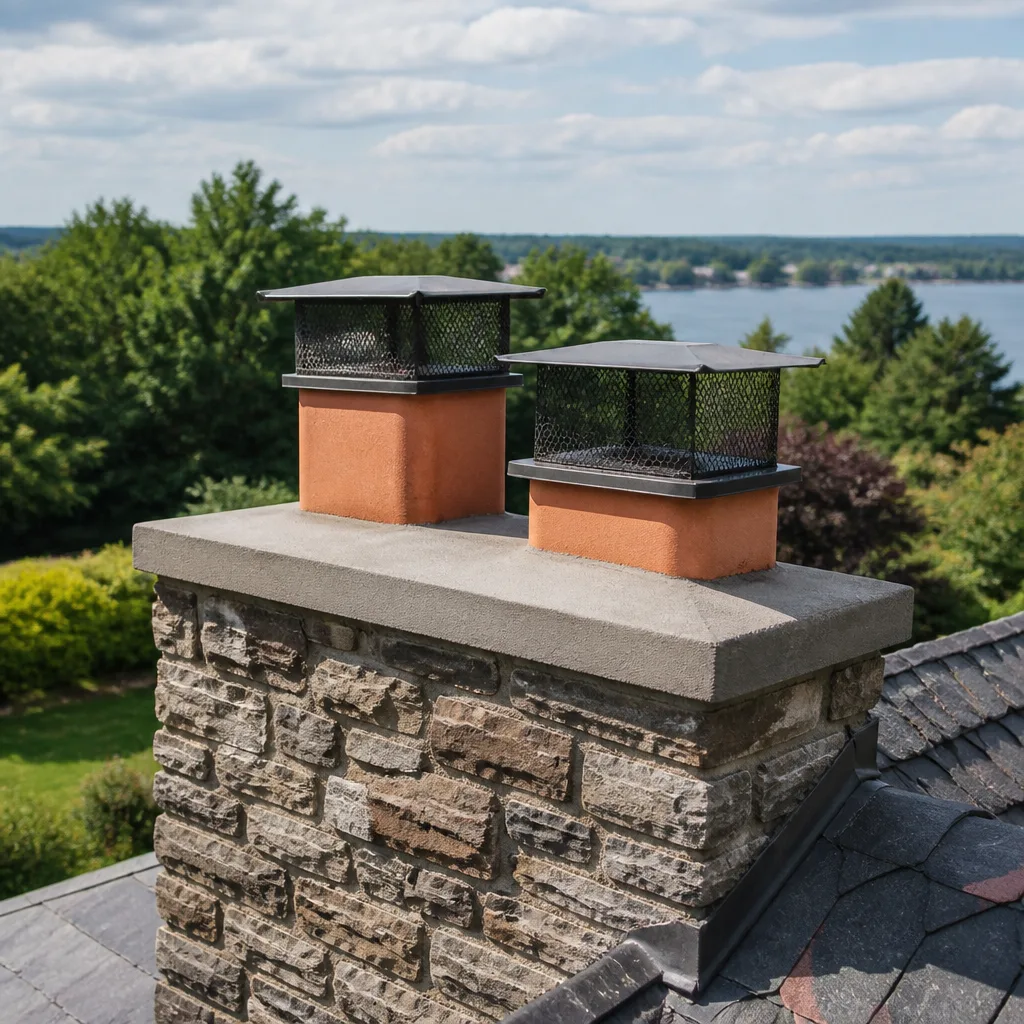 Caps & crowns
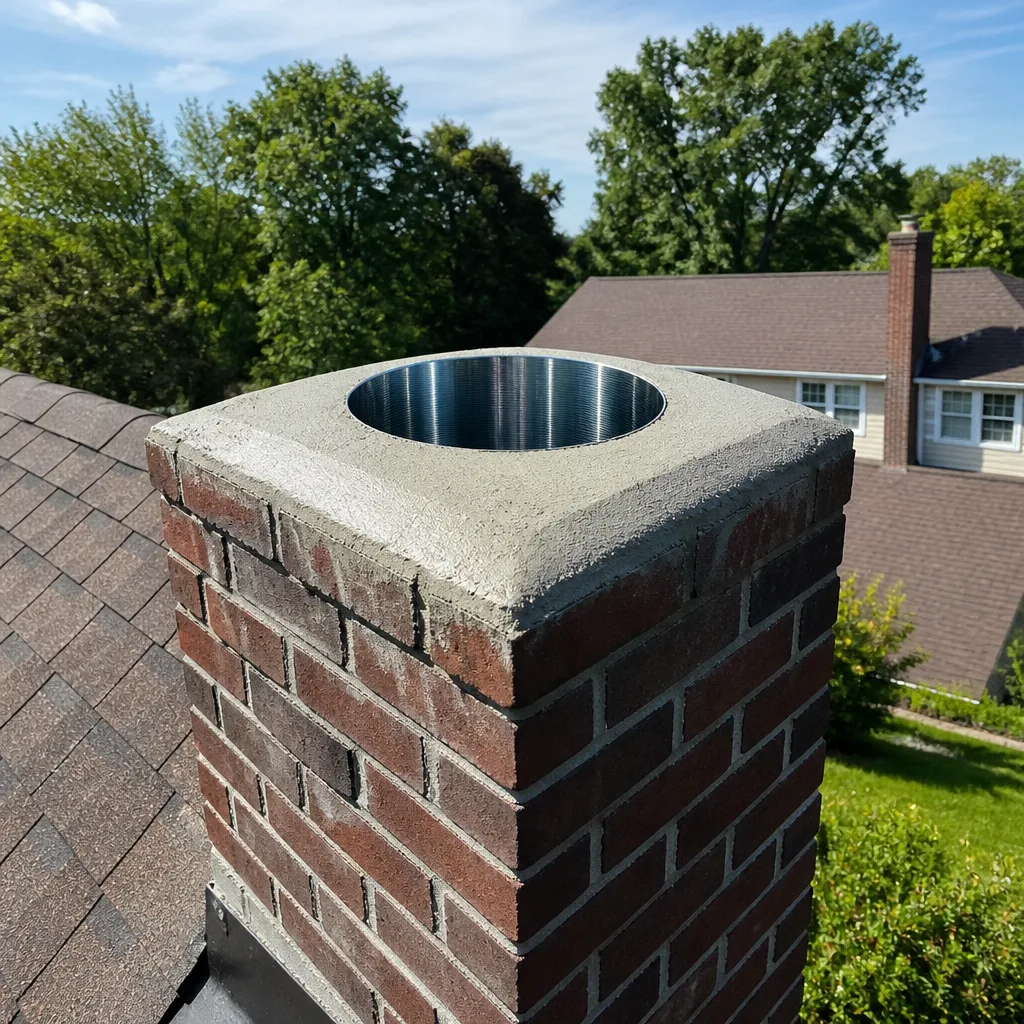 Flue relining
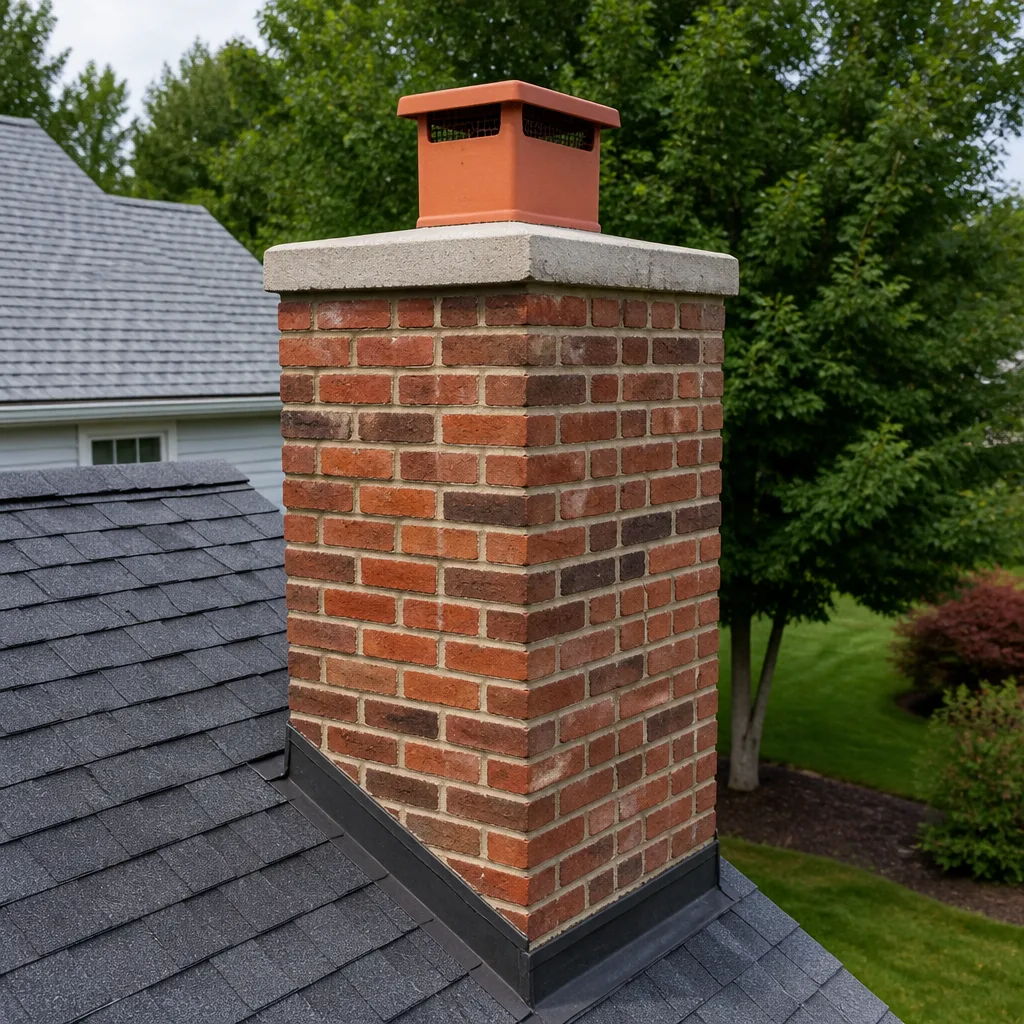 Masonry repair
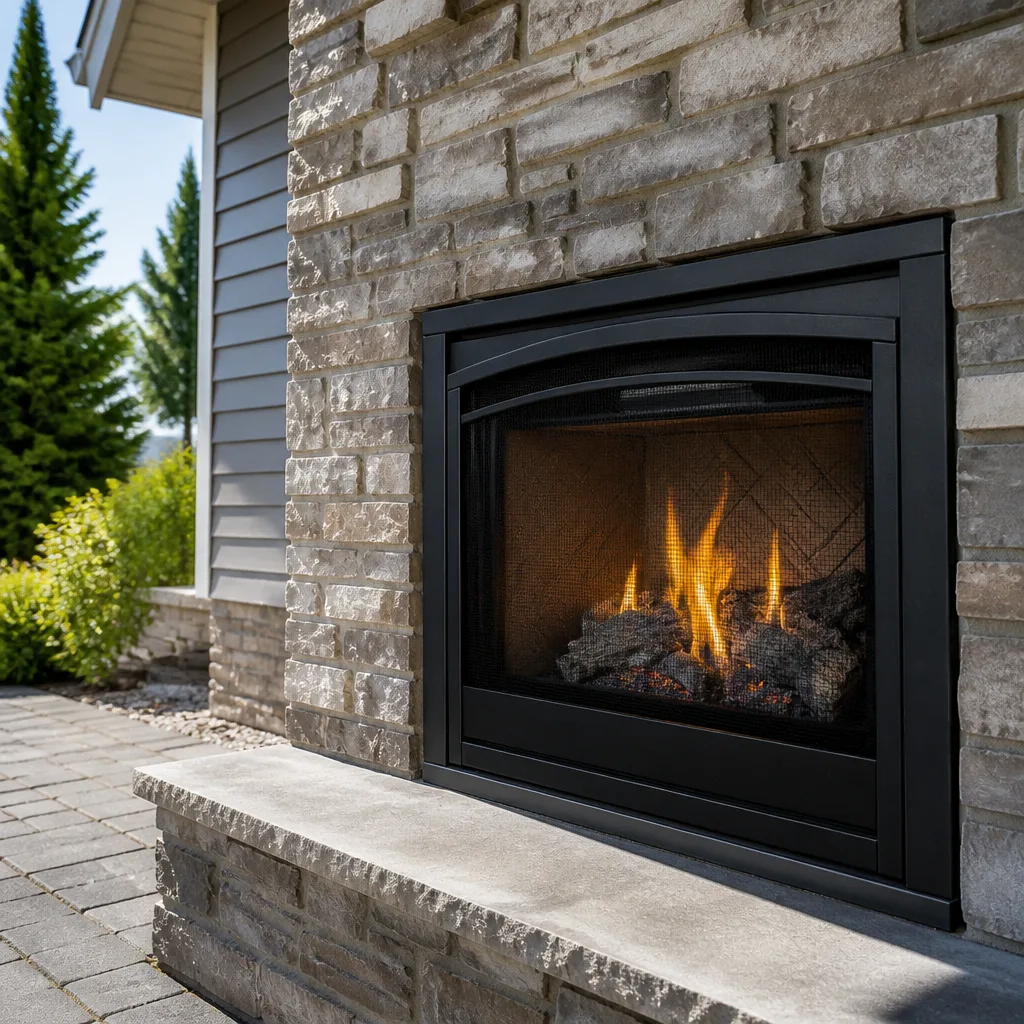 Gas fireplace service
Level 1 sweep and inspection to the NFPA 211 annual standard - flue, crown, cap, and flashing checked and photographed
Chimney sweep logs do not sweep chimneys. They loosen some creosote - which then falls where a brush and vacuum still have to collect it.
Chimney Sweep Troubleshooting in Surprise: Common Problems and How to Fix Them
If your damper is stuck, your first instinct might be to call for a sweep. But in Surprise, a warped damper plate is more often caused by thermal expansion from attic heat pushing past 110°F than by creosote buildup, and cleaning it won’t fix the warp. That single distinction is the difference between a fix and a repeat visit. Desert chimneys fail on a different schedule than chimneys back east, and most troubleshooting advice online was written for cold, wet climates. This guide maps the problems we actually see in Surprise to their real causes, from haboob dust in the smoke chamber to summer smoke smell with no fire in the box.
Styles & brands we work with
- Sweep & inspection
- Caps & crowns
- Flue relining
- Masonry repair
- Gas fireplace service
Quick Answer
Most chimney problems in Surprise trace back to heat and dust rather than creosote. Warped or sticking dampers, dust-clogged smoke chambers, stucco staining, and summer smoke odor are the four most common calls, and each has a specific diagnostic path. A Level 2 camera inspection is the only reliable way to tell which one you’re dealing with before anyone quotes repair work.
Table of Contents
- Why Surprise Chimneys Fail Differently Than Cold-Climate Chimneys
- Haboob Dust Infiltration: The Problem a Level 1 Inspection Misses
- Thermal-Expansion Damper Failure: Warped vs. Corroded
- Efflorescence and Spalling on Stucco-Clad Chimneys
- Backdraft and Downdraft in Single-Story Surprise Homes
- Smoke Smell With No Fire: Cap, Flashing, or Liner Crack?
- The Five-Step Diagnostic We Run on Every Surprise Chimney
- Common Mistakes to Avoid
- When to Call a Professional
- Frequently Asked Questions
- The Bottom Line
Why Surprise Chimneys Fail Differently Than Cold-Climate Chimneys
Chimneys in cold climates get used hard and often. Creosote accumulates fast because the fire burns daily for months, and the main job of a sweep is to remove that glaze before it ignites. Surprise is the opposite. Many homes here light a fire a handful of times a year, if at all. That low burn rate actually creates a different set of problems, because a chimney that sits idle accumulates things a working chimney burns off.
Here’s what we look for in Surprise that a sweeper in Ohio wouldn’t:
- Dust intrusion. Monsoon-season haboobs push fine desert dust into every gap in the chase. It settles in the smoke chamber and on the smoke shelf, where a fire that never gets hot enough won’t burn it away.
- Thermal cycling of metal parts. Attic temperatures swing from the 40s in winter nights to well over 110°F in summer. Dampers, top-mount caps, and metal flue components expand and contract on a cycle that a temperate climate never produces.
- Low humidity drying out masonry. Stucco and mortar that stay wet in other climates stay dry here, but the drying and re-wetting cycle around monsoon season drives salts to the surface and stresses the bond.
- Infrequent use hiding real defects. A hairline liner crack that would announce itself through smoke in a daily-use chimney can sit unnoticed for a year in a Surprise home that burns once a month.
- Flat or low-pitch roofs. Many single-story homes here have shallow roof pitches that change how wind moves across the chimney top, which affects draft and cap performance.
None of this means Surprise chimneys are in worse shape. It means the failure pattern is different, and the troubleshooting has to match. A generic checklist that leads with “check for creosote glaze” misses the four problems we actually get called about most.
Haboob Dust Infiltration: The Problem a Level 1 Inspection Misses
Dust from a monsoon haboob clogs a smoke chamber from the bottom up, not the top down. It settles on the smoke shelf and the chamber walls, and because it’s mineral dust rather than soot, it doesn’t look like a chimney problem. It looks like nothing. That’s why a standard Level 1 visual inspection, which looks up the flue from the firebox with a flashlight, routinely misses it.
A Level 1 inspection checks what’s visible without tools. A Level 2 inspection runs a camera through the full flue and into the smoke chamber, and that’s where dust shows up as a pale, even coating that reduces the chamber’s ability to direct smoke up and out.
What dust infiltration looks like
- A gray or tan film on the smoke shelf that doesn’t wipe off clean
- Smoke that rolls out of the firebox on the first fire of the season, then behaves once the chimney warms
- A faint dusty smell coming from the fireplace on windy days
- Reduced draft that improves after a sweep but returns by the next monsoon season
How we clear it
- Run a Level 2 camera inspection to confirm dust versus soot versus creosote. They require different tools.
- Sweep the flue with the appropriate brush for the liner material, then drop down to the smoke chamber.
- Hand-clean the smoke shelf and chamber walls, which brushing alone won’t reach.
- Check the cap for dust bridging between the mesh and the crown, which restricts airflow even when the flue is clean.
- Photograph the chamber before and after so you can see what was there and confirm it’s gone.
Dust alone rarely requires repair. It’s a cleaning problem. But if the dust has been sitting on a masonry chamber for years, it holds moisture against the mortar joints, and that’s where repair findings start. We use a full camera inspection on every chimney sweep in this climate, because a flashlight check genuinely isn’t enough.
Thermal-Expansion Damper Failure: Warped vs. Corroded
A stuck damper in Surprise is more likely warped than corroded. Corrosion happens where moisture sits on steel, which is the classic cold-climate failure. Warping happens where a steel plate goes through thousands of expansion cycles in an attic that bakes and cools, which is the failure that shows up here. The two need different fixes, and the difference is visible if you know what you’re looking at.
How to tell them apart
- Warped damper: the plate rocks or binds at one edge, the pivot doesn’t sit flat, and there’s no rust pitting along the frame. It opens partway and stops.
- Corroded damper: visible rust flaking on the plate and frame, a rough surface where a finger drags, and the pivot is seized solid rather than binding at one point.
Run your hand along the damper frame with the fireplace cold. If the plate moves unevenly but the metal is smooth, you’re probably looking at a warp. If it feels rough and won’t move at all, corrosion is the better guess. Neither diagnosis is confirmed until the damper is out or a camera has looked at the throat.
When a replacement actually solves it
A repair makes sense if the original throat damper can be reset or the pivot replaced. It doesn’t make sense if the warp is in the plate itself, or if the throat assembly has been a problem more than once. In that case we install a top-mount damper, which sits at the chimney crown instead of the throat. A top-mount damper also seals the flue when the chimney isn’t in use, which keeps dust and downdrafting air out during the long months when there’s no fire. We install top-mount dampers from brands like Olympia Chimney, so the seal is rated for the heat and the desert swing both.
What a cleaning alone never does is unfix a warp. If your damper binds because the plate is bent, sweeping the flue changes nothing about the bind. That’s the first thing to rule out before you book a sweep for a damper complaint.
Efflorescence and Spalling on Stucco-Clad Chimneys
White staining on a stucco chimney is a moisture signal, not a cosmetic one. The white powder is efflorescence, salt that water carried to the surface and left behind when it evaporated. In a dry climate, that means water is getting in somewhere it shouldn’t, and the stain is the only visible evidence of it.
Surprise homes with stucco-clad chimneys face a specific pattern. Stucco is a cement-based coating, and when it’s applied over masonry, the two materials move differently as they heat and cool. A hairline crack at the crown, a failed seal at the flashing, or a joint where the chase meets the roof can all admit water during a monsoon storm. Then the dry weeks that follow pull that moisture outward, which is why the staining shows up weeks after the rain rather than during it.
What each pattern usually means
- White powder that brushes off: efflorescence. Active moisture, but the masonry beneath is likely still sound.
- White staining that won’t brush off and feels crusty: advanced efflorescence, possibly with salt crystallization inside the masonry. Needs a closer look at the source.
- Flaking or crumbling stucco with the stain: spalling. The masonry beneath is failing, and this is a repair, not a cleaning.
- Staining concentrated at the roofline: almost always a flashing or crown problem, not the chimney body.
What we do about it
- Trace the water source before touching the stain. Cleaning efflorescence without fixing the source just means it comes back.
- Inspect the crown, the flashing, and the stucco-to-roof transition.
- Seal or repair the entry point. This is often a small fix.
- If the flue itself is affected, evaluate whether the liner has been compromised by moisture. A camera inspection tells us.
- Only then clean the staining, and only after the masonry has dried.
Spalling stucco is one of the few exterior problems that genuinely can’t wait. Once the masonry face is failing, water gets further in with every storm, and the repair grows. If the staining is only powder, you have time. Call us and we’ll tell you which one you’re looking at.
Backdraft and Downdraft in Single-Story Surprise Homes
Smoke rolling out of the firebox instead of going up the flue is usually a draft problem, not a blockage. Draft is driven by the difference between the temperature inside the flue and the temperature in the room, and in Surprise that difference is often small. A single-story home with a low roof pitch makes it worse, because the chimney is shorter and has less distance to build a pressure difference.
Why Surprise homes are prone to it
- Short chimneys. Single-story construction means a shorter flue, and draft strength depends partly on flue height.
- Near-zero heating days. The house is often the same temperature as the outside air, so the chimney starts cold every time. A cold flue has to be warmed before it drafts.
- Low roof pitch. Wind moving over a shallow roof doesn’t create the pressure differential a steep roof does, so a cap that would work fine elsewhere can underperform here.
- Tight modern construction. Newer homes are sealed well, which means the house can’t supply enough make-up air to feed the fire, and the chimney pulls against a vacuum.
- Exhaust fans. A kitchen or bath fan running at the same time as the fire can out-compete the chimney for indoor air in a tight house.
The troubleshooting sequence
- Light a small fire and watch the smoke at the firebox opening. If it rolls out before the flue warms, draft is the suspect.
- Repeat with the kitchen and bath fans off and a nearby window cracked. If the smoke reverses direction, make-up air is the problem.
- Check the cap. A cap with a mesh that’s partly plugged with dust restricts the exhaust side and makes backdraft worse.
- Look at the cap height relative to the roofline. A cap sitting too close to the roof surface can sit in turbulent air.
- Run a camera inspection. A partial blockage in the flue produces the same symptoms as a draft problem, and you don’t want to chase draft while a blockage sits there.
Most backdraft in this climate is solved with cap adjustment, make-up air, or a top-mount damper that seals the flue between fires. Occasionally it’s a blockage that a Level 2 inspection finds and a cleaning removes. What we don’t recommend is lighting a fire and hoping it catches. Repeated backdrafting pushes carbon monoxide back into the room, and that’s a health problem, not a nuisance.
Smoke Smell With No Fire: Cap, Flashing, or Liner Crack?
A smoke smell in a Surprise home in July, with no fire lit, has three likely causes, and they rank from cheap to serious. Most of the time it’s a cap or flashing issue letting air move through the flue when it shouldn’t. Sometimes it’s a liner crack letting flue gases migrate into the house. The decision tree below tells you which one to check first.
The decision tree
- Is the smell strongest on windy days? If yes, suspect the cap or a top-seal issue. Wind moving across an open flue top pushes air down the chimney and into the house. A properly fitted cap with a top-mount damper usually solves it.
- Is the smell strongest after rain? Suspect flashing or a crown crack. Water getting into the chase and evaporating carries the smoke smell with it. Look for efflorescence as a confirmation.
- Is the smell present all the time, regardless of weather? Suspect the liner. A cracked or deteriorated liner lets flue gases pass into the masonry and from there into the house.
- Is the smell accompanied by a headache or dizziness? Stop and call us. That combination points to carbon monoxide, and it isn’t a smell problem. It’s a safety event.
- Is the smell faint and dusty rather than smoky? That’s usually dust on the smoke shelf, covered above. It moves with the wind and settles when the air stills.
Why the liner case matters most
A cap or flashing fix is routine. A liner crack is the one worth finding early, because it’s the path carbon monoxide takes from the flue into the living space. We run a camera inspection on every liner concern, and we photograph what the camera sees so you can look at the same evidence we are. If the liner is sound, we tell you so. If it’s failing, the fix is a reline, and DuraFlex flexible liner systems handle the offset flues and awkward chases that a rigid liner can’t be fitted into. When a liner is intact but the flue joints have deteriorated, HeatShield restoration rebuilds the joint surface without a full rebuild.
What we never do is tell you the liner is cracked without showing you where. If the camera shows a sound liner and the real problem is a cap, we say so and fix the cap.
The Five-Step Diagnostic We Run on Every Surprise Chimney
Every chimney problem has a cause, and every cause has evidence. This is the sequence we run on a troubleshooting call, in order, because it rules out the cheap problems before anyone starts talking about repair.
- Interview. When does the problem happen? On the first fire, on windy days, after rain, in summer with no fire? The answer narrows the cause before we pick up a tool.
- Exterior inspection. Crown, cap, flashing, and stucco. Anything that admits water or turbulent air gets flagged here.
- Firebox and damper check. The damper plate, the pivot, and the smoke shelf. Warped versus corroded versus dust gets sorted at this step.
- Level 2 camera inspection. The full flue and smoke chamber on camera. This is where dust infiltration, liner cracks, and joint deterioration show up.
- Photo report and written findings. We photograph what the camera sees and put the findings in writing. Nothing gets recommended without the photograph that supports it.
We work with professional-grade brands across the board, so when a finding requires parts or materials, we stock and install DuraFlex, HeatShield, Gelco, Olympia Chimney, Famco, and Copperfield products rather than whatever’s cheapest at the supply house. That matters more in a desert climate, where the material has to handle a heat swing most of the country doesn’t see. Inspection findings get fixed in the same visit, and that includes repair, not just cleaning.
Common Mistakes to Avoid
- Treating a warped damper as a creosote problem. Cleaning the flue won’t unbend a plate. If the damper binds, ask whether the diagnosis is warp or corrosion before booking a sweep.
- Assuming a Level 1 inspection covers you. A flashlight check misses dust in the smoke chamber and can miss liner cracks behind the flue. In this climate, a camera inspection is the standard.
- Painting over efflorescence. Paint traps the salt and the moisture behind it, and the stain comes back through. Trace the water source first.
- Lighting a fire with the kitchen fan running in a tight, single-story house. The fan competes with the chimney for make-up air, and the chimney loses. Crack a window or turn the fan off.
- Crushing a dust-clogged smoke chamber with a brush and calling it clean. The smoke shelf needs hand cleaning. Brushing the flue alone doesn’t reach it.
- Ignoring a summer smoke smell until fall. A smell in July is often a cap issue that’s cheap to fix. Wait until the first cool night and the chimney is now a safety call.
- Forgetting the dryer vent on the same visit. A dryer vent clogged with lint is one of the leading causes of residential fire, and it has nothing to do with the chimney. Two fire-risk systems, one visit covers both. We handle dryer vent cleaning alongside the chimney work.
When to Call a Professional
Call a professional when the symptom is a safety signal rather than a nuisance. A smoke smell with a headache, soot falling into the firebox, smoke rolling out of the firebox on a warm start, or white staining with flaking stucco are all reasons to stop and get eyes on it. So is any damper you can’t operate by hand, and any chimney that hasn’t had a camera inspection since before the last monsoon season. A chimney fire, even a small one, is a reason to call before lighting another fire. Several of these have causes a camera can see in minutes and a flashlight never will.
Chimney Sweep Surprise offers free estimates in Surprise – call (833) 842-7310. We answer 24/7. Fast dispatch from 7am to 7pm, Sunday through Friday. Nothing gets recommended without the camera evidence to support it, and we say plainly when something can safely wait.
Frequently Asked Questions
A standard sweep is quoted per job based on what the inspection finds, and the written estimate sets the final price before any work starts. The estimate is free. Surprise pricing depends on which problem you’re actually dealing with, since a cleaning, a dust-clogged smoke chamber, and a liner issue are different jobs. Call (833) 842-7310 for an exact quote – estimates are free.
Only if the camera shows the existing liner is cracked, deteriorated, or compromised at the joints. Plenty of liners we inspect are sound, and we say so. When a liner is failing, DuraFlex flexible liner systems handle the offset and complex chases a rigid liner won’t fit, and HeatShield restoration can rebuild deteriorating joints without a full rebuild. You see the camera image before anything is recommended. Call (833) 842-7310 for a camera inspection quote.
Once a year is the general standard, and in a low-use, dusty climate like Surprise it’s a reasonable check even if you only burn a few fires a season. The reason is dust: a haboob season can coat a smoke chamber in months, and a chimney that never gets hot enough to burn it off won’t clear itself. Annual camera inspection catches the dust, the liner condition, and the cap in one visit. Call (833) 842-7310 to book a sweep.
Most of the time nothing happens, and occasionally something bad does. Skipping a sweep means dust and any creosote build up together, and a blockage that develops quietly can turn the next fire into a backdraft. A crack in the liner means a path for carbon monoxide. The risk is low per fire but the consequence is high, which is why the standard exists. Call (833) 842-7310 and we’ll tell you how urgent your chimney actually is.
Because air is moving down the flue and into the house. Wind across an open or poorly capped flue top is the usual cause, and a properly fitted cap with a top-mount damper usually stops it. If the smell is strongest after rain, suspect flashing or a crown crack. If it’s constant, a liner crack is possible and worth a camera inspection. Call (833) 842-7310 to get it diagnosed.
Repair, almost certainly, and a sweep won’t fix it. In Surprise, a damper that binds but isn’t rusted is more often warped from thermal expansion than clogged with soot. A corroded damper with rough, flaking metal is the other pattern. Either way, the fix is a reset, a pivot replacement, or a top-mount upgrade from a brand like Olympia Chimney, not a cleaning. Call (833) 842-7310 for a damper diagnosis.
The Bottom Line
Chimney problems in Surprise come from heat, dust, and low-humidity cycling, not from the heavy creosote load that drives troubleshooting advice in wet climates. These are the four failure patterns worth remembering: warped dampers rather than corroded ones, haboob dust in the smoke chamber that a Level 1 inspection misses, efflorescence pointing to a water source, and backdraft in short, tight, single-story homes. A Level 2 camera inspection is the tool that tells them apart, and the picture it produces is the one to trust. Run through the five-step diagnostic and you’ll know whether you’re looking at a cleaning or a repair. And with any of them, our Chimney Sweep Surprise team shows you the camera evidence before recommending the fix. Call (833) 842-7310 for a free estimate. We answer 24/7. Fast dispatch from 7am to 7pm, Sunday through Friday.
Written by the team at Chimney Sweep Surprise.
See the difference
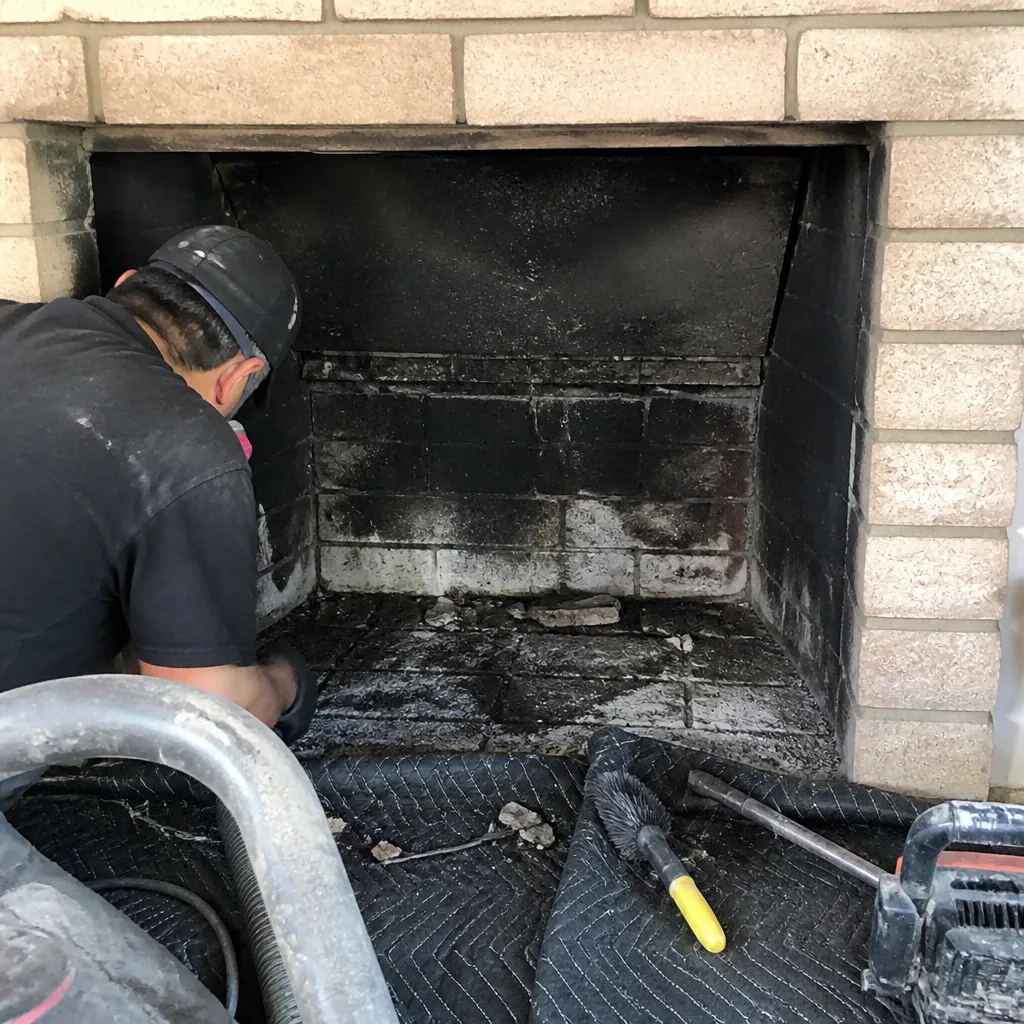 Before
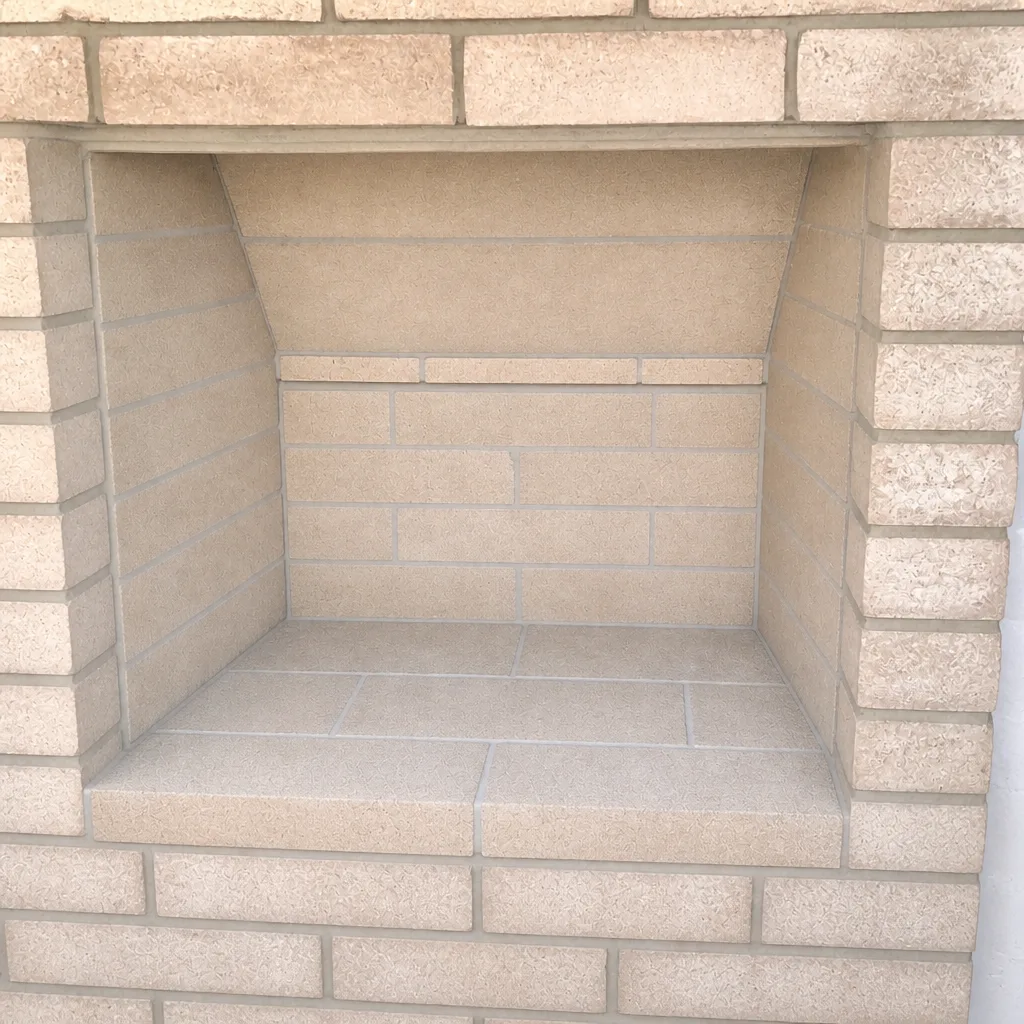 After
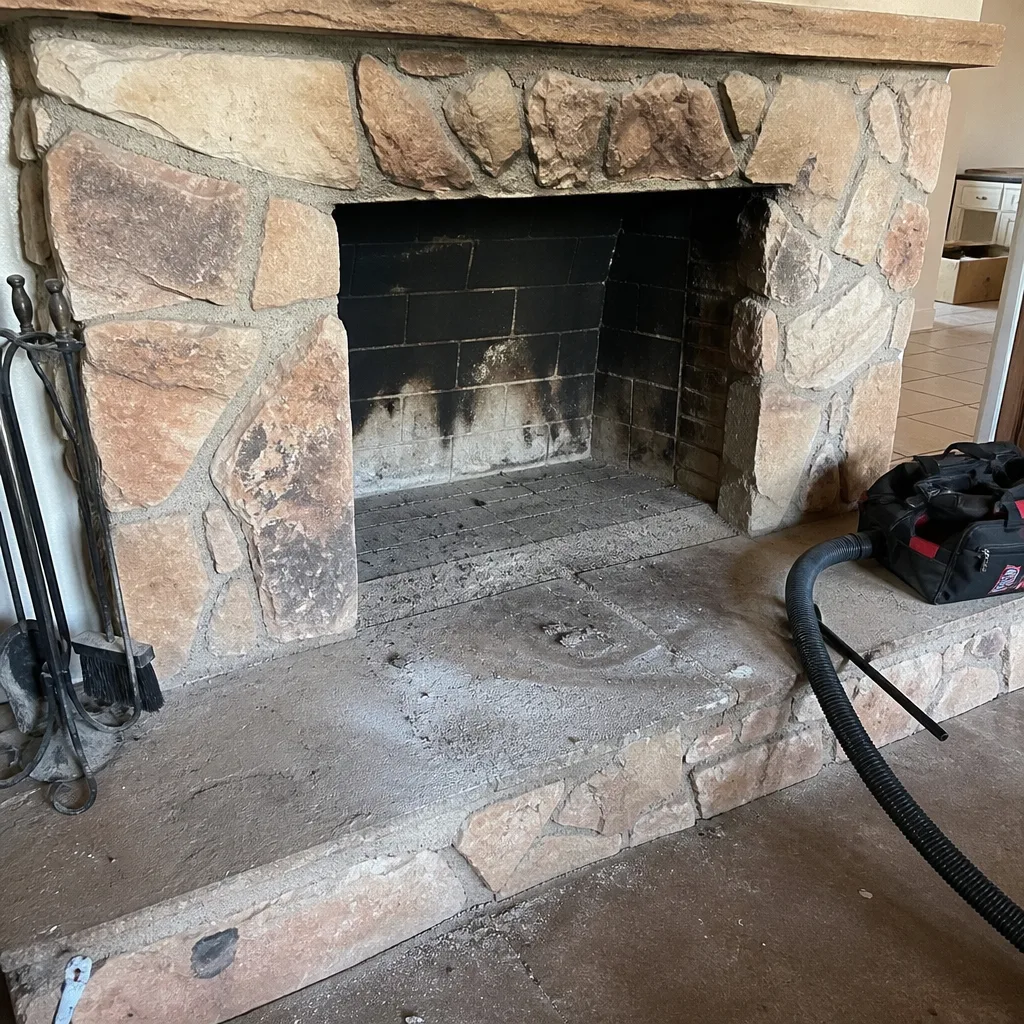 Before
 After
 Before
 After