
Last updated November 14, 2026
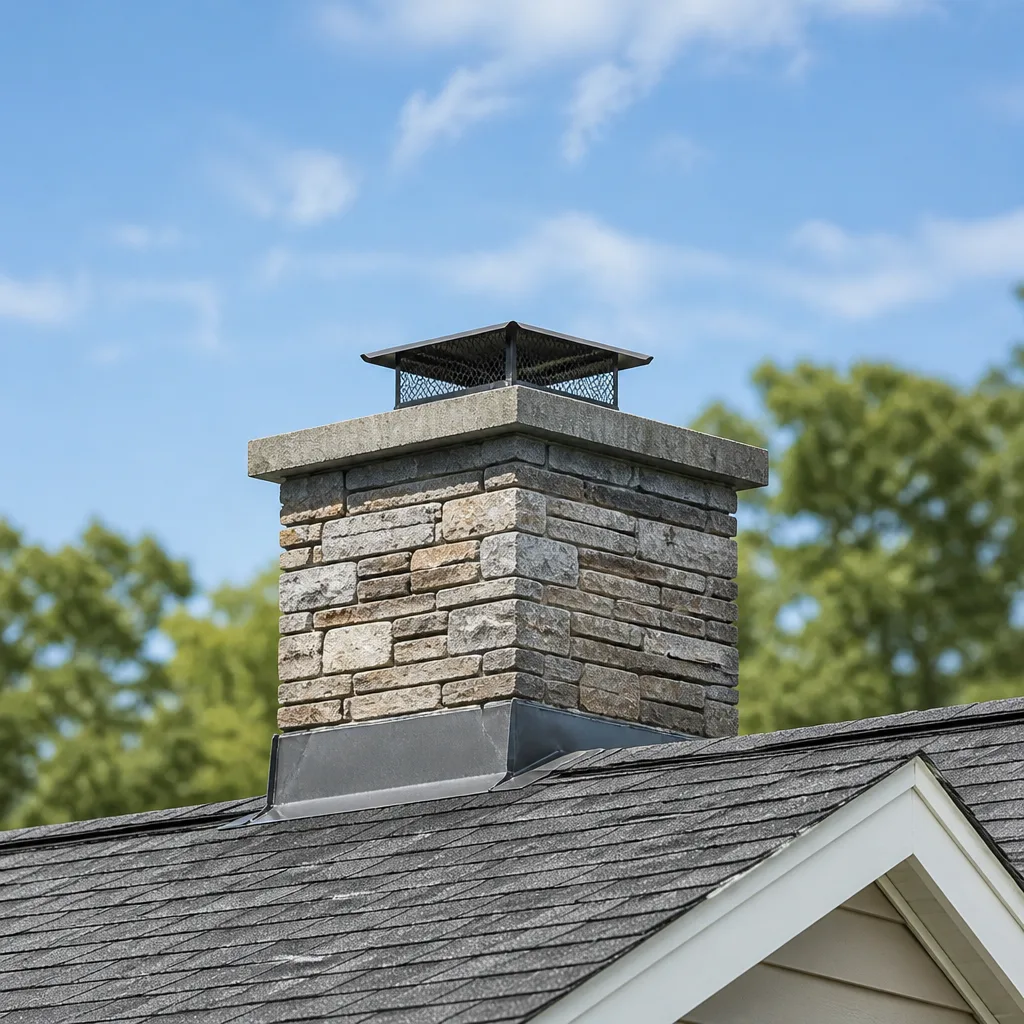 Sweep & inspection
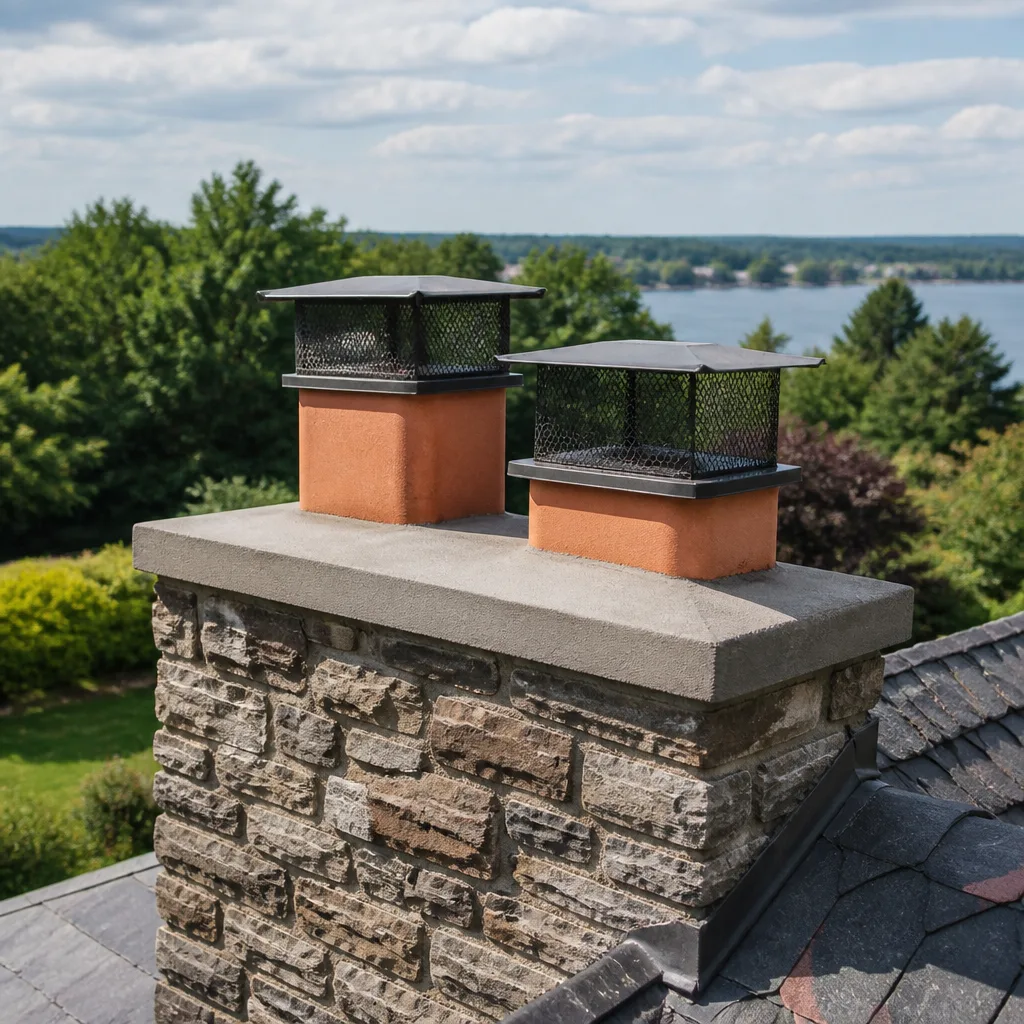 Caps & crowns
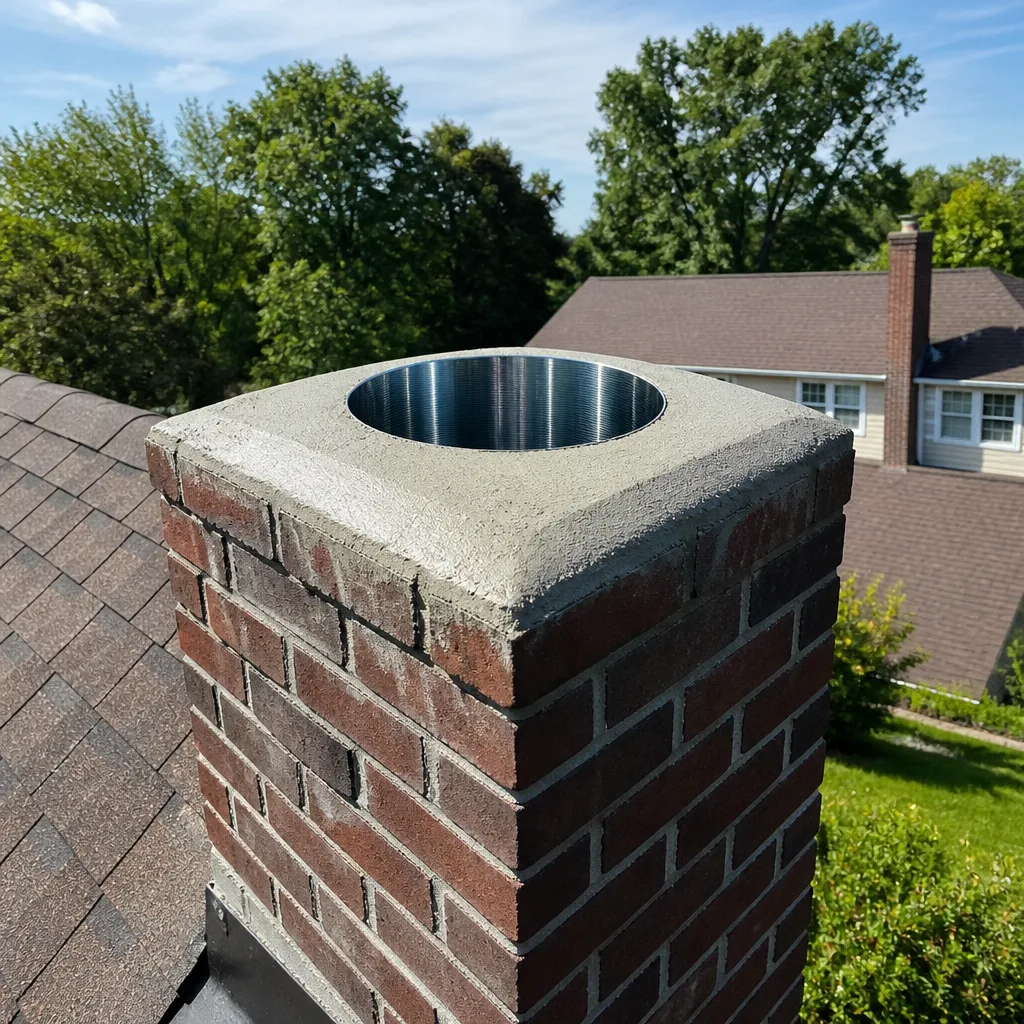 Flue relining
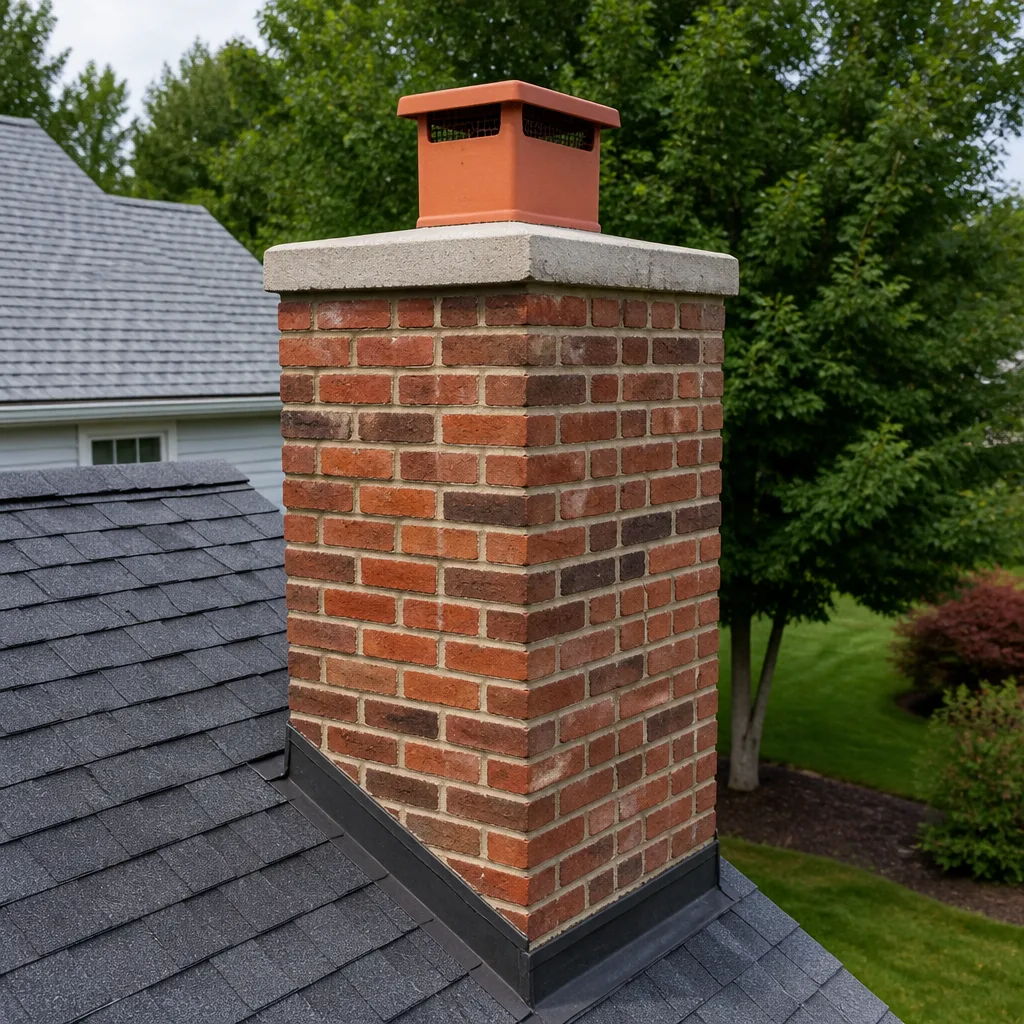 Masonry repair
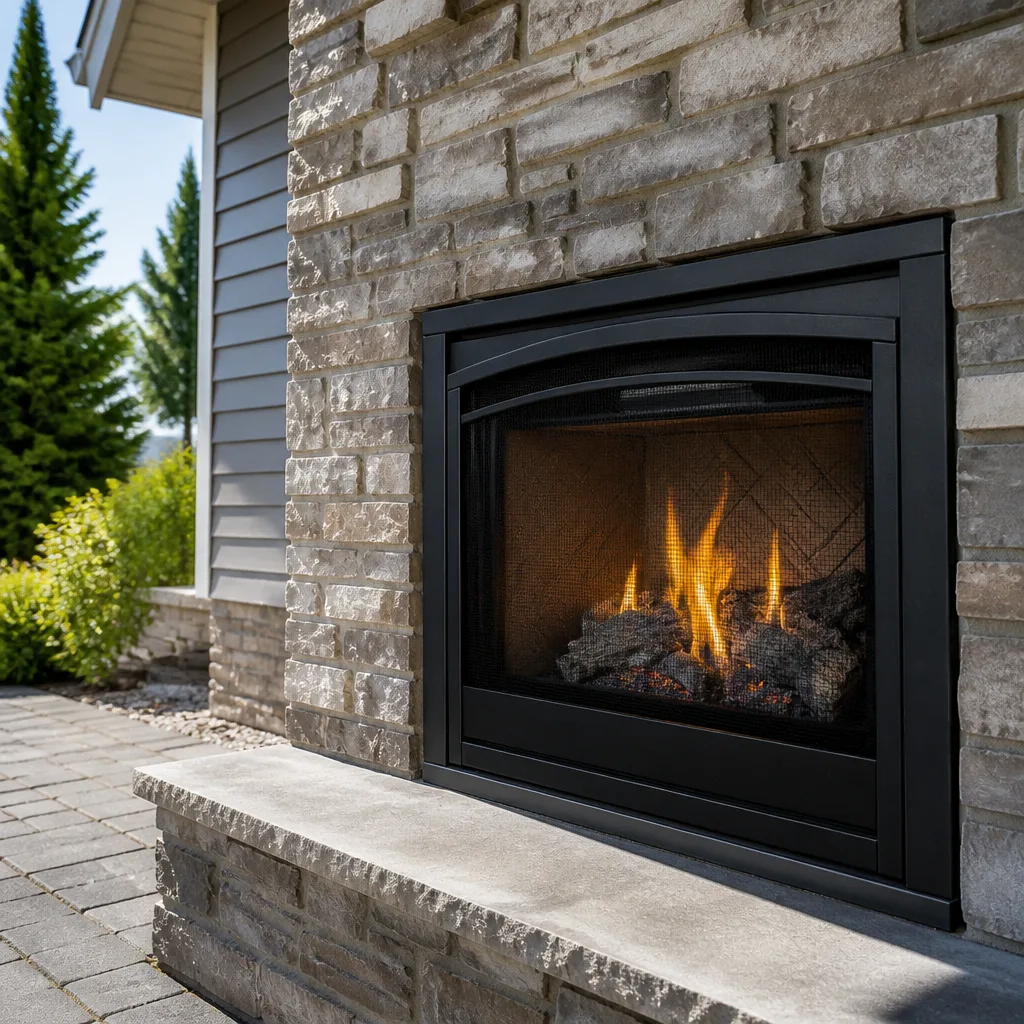 Gas fireplace service
Level 1 sweep and inspection to the NFPA 211 annual standard - flue, crown, cap, and flashing checked and photographed
Chimney sweep logs do not sweep chimneys. They loosen some creosote - which then falls where a brush and vacuum still have to collect it.
Choosing the Right Chimney Cleaning Brand: A Buyer’s Guide for Surprise
Most homeowners choose a chimney contractor and then let the contractor choose the materials. That order is backwards. The brand of cap, liner, damper, or sealant bolted to your home will be there for the next one to three decades, and in a desert city where summer highs push past 115°F and monsoon gusts bend palo verde limbs sideways, the gap between a generic part and a professional-grade one is enormous. We’ve watched a $40 big-box cap rattle loose after one June windstorm while a properly rated HY-C or Gelco unit on the same street shrugs it off. This guide explains which brands earn their price in Surprise, and exactly what to ask before you book.
Quick Answer
The right chimney products for a Surprise home are those rated for continuous high heat and wind-driven dust: stainless steel liners (Rockford, Flex King, DuraFlex), HY-C or Gelco caps, top-mount dampers from Lyemance or Lock-Top, and ChimneySaver-grade waterproofing on exposed masonry. Generic hardware-store caps, aluminum liners, and throat-mount dampers underperform in this climate. Ask your contractor to explain why they chose a specific brand for your chimney, not just which brands they carry.
Styles & brands we work with
- Sweep & inspection
- Caps & crowns
- Flue relining
- Masonry repair
- Gas fireplace service
Table of Contents
- Why chimney product brands matter more in Surprise
- Chimney caps: HY-C vs. Gelco vs. generic
- Chimney liners: why stainless steel beats aluminum here
- Dampers: top-mount vs. throat-mount in a dusty climate
- Sealants and waterproofing for exposed masonry
- Inserts, crown coatings, and repair materials
- How to tell if a contractor is selling you the right brand
- Questions to ask before you sign
Why chimney product brands matter more in Surprise
Chimney parts get tested by weather every hour they’re on your roof. In most of the country that means cold winters and occasional ice. In Surprise, the assault is different: relentless UV, surface temps on a dark cap that can far exceed the ambient air temperature, and wind-driven grit during monsoon season. Dust works into every joint that isn’t sealed tight. Metal that isn’t rated for expansion under heat fatigues faster. This is why the brand stamped on your cap or liner matters more here than the marketing copy suggests.
The city sits in the Sonoran Desert at roughly 1,200 feet, and homes here range from older ranch properties near Grand Avenue to newer builds out toward the White Tank foothills and the communities around Surprise Stadium. Wood-burning fireplaces, gas inserts, and clothes dryers are all common, which means most homes here have at least two venting systems worth protecting. A product rated for a humid climate is not automatically rated for a dry, hot, dusty one. When we recommend a specific brand to a Surprise homeowner, it’s because that product line has held up under these exact conditions in our experience.
One more local wrinkle: many Surprise homes are stucco-clad with exposed masonry crowns and shoulders. Stucco looks indestructible and isn’t. It cracks at the seams when a masonry crown shifts, and that crack lets in dust and, during monsoon, actual water. Waterproofing products are not all equal on that surface, and we cover that below.
Chimney caps: HY-C vs. Gelco vs. generic
A chimney cap is the single highest-value upgrade on most Surprise roofs, and it’s also where homeowners most often buy cheap. The $40 big-box cap and the $180 professional-grade HY-C cap are not interchangeable. They look similar from the street. They perform nothing alike.
Here’s what actually separates them:
- Gauge and alloy. Professional caps use heavier-gauge stainless or powder-coated steel. Cheap caps use thin galvanized sheet that dents in wind and rusts at the cut edges.
- Attachment. A quality cap bolts or screws through a properly sized base flange. Bargain caps rely on legs that bend or slip, which is exactly what happens when a 60 mph monsoon gust hits.
- Mesh size. The screen mesh has to be fine enough to block sparks and embers yet coarse enough to pass smoke and draft. Cheap caps get this wrong in both directions.
- Heat tolerance. A cap over a wood-burning flue sees hot exhaust and then blazing ambient heat. A powder-coat finish that fails at those temperatures looks fine from below and is failing at the metal.
HY-C makes rugged, widely respected caps with stainless options and multi-flue configurations. Gelco is a strong option for custom shapes and colors when the roofline is exposed and aesthetics matter. Olympia Chimney is another brand we work with when the cap is part of a larger liner or repair scope, because their components integrate. If you want the short version: on a Surprise roof, don’t let anyone talk you into a cap with no brand on it.
Chimney liners: why stainless steel beats aluminum here
A chimney liner is the metal or clay pipe that carries smoke and gases up and out. It’s the most consequential product on your chimney because it’s the one you can’t see once it’s installed. In Surprise’s temperature range, stainless steel liners from Rockford, Flex King, and DuraFlex clearly outperform aluminum.
Aluminum liners are cheap. They’re also thin, susceptible to corrosion if they ever contact water, and rated to lower temperature limits than stainless. For a gas appliance, an aluminum liner can be appropriate in some applications. For a wood-burning fireplace or a wood stove that runs through a cold desert morning, aluminum is the wrong material, and any contractor who recommends it for wood hasn’t done the math.
Stainless steel liners handle higher flue gas temperatures without warping, resist corrosion far better, and last decades. DuraFlex in particular is a flexible stainless system that allows relining of complex or offset flues where a rigid liner simply won’t fit. That’s a real differentiator in Surprise, where older homes near the original town center were built with offsets and transitions that newer rigid systems can’t navigate. We install and service DuraFlex specifically because those offset flues are common here.
If your existing liner is clay tile that’s deteriorated at the joints, you may not need a full rebuild. The HeatShield system restores deteriorating flue joints and fireboxes from the inside, sealing the cracks that allow creosote and heat to reach the structure. That’s a repair option many sweep-only operations don’t offer.
Dampers: top-mount vs. throat-mount in a dusty climate
In a dusty climate, a top-mount damper is one of the highest-return upgrades a Surprise homeowner can make. A throat-mount damper sits at the fireplace opening. A top-mount damper seats at the top of the flue. The difference, in a place where dust blows across the White Tanks on a windy spring day, is night and day.
Here’s why top-mount wins:
- It sits above the masonry. Dust, debris, and monsoon grit can’t blow into a flue that’s sealed at the top. A throat damper leaves the entire flue volume exposed to whatever the wind delivers.
- It seals tighter. Throat dampers never seal perfectly, so conditioned air leaks up the chimney year round and dust leaks down. A top-mount damper seals with a gasket.
- It blocks critters. Birds and desert insects get in through an open flue. A top-mount damper is a physical barrier.
Lyemance and Lock-Top are the two top-mount brands worth knowing by name. Lyemance is a proven, widely used system, and Lock-Top is a respected alternative with similar top-seal construction. Both are worth the upgrade over a tired throat damper. Ask your contractor which type they’re proposing and why, and be wary if they don’t mention top-mount at all. That’s a signal they’re working from a limited product shelf, not from what your chimney actually needs.
Sealants and waterproofing for exposed masonry
Surprise masonry takes a beating from UV and gets drenched during monsoon season, and the rotation between dry heat and rain is exactly what cracks a masonry crown. Waterproofing is the defense. Not all waterproofing is equal, and basic masonry paint is not waterproofing.
ChimneySaver is the product line worth mentioning by name. The brand’s standard is breathable masonry waterproofing that stops bulk water from entering the brick while still allowing moisture vapor inside the chimney to escape. That last part is essential. A sealant that traps moisture inside the masonry is worse than no sealant at all. That’s the failure mode of masonry paint on a chimney: it looks clean for a season, cracks, and then holds water behind it.
On exposed Surprise masonry, we lean toward ChimneySaver-grade breathe-able waterproofing because the alternating dry-and-wet cycle here exposes every weakness. Copperfield is another reliable name in the repair and waterproofing space, and Famco is worth knowing for related chimney accessories and repair components. The product only works if it’s applied to a surface that’s been correctly prepped, so ask about prep, not just the brand on the bucket.
Inserts, crown coatings, and repair materials
The brands behind the scenes of a chimney repair matter just as much as the ones on the cap. Crown coatings, firebox refacing, and mortar repair all use branded materials with real performance differences, and a contractor’s willingness to name them is a signal.
When it comes to the crown, the flat masonry cap at the top of the chimney, a properly mixed coating resists cracking far better than a plain mortar wash. On the firebox, HeatShield products are formulated for the interior surfaces that see the most heat. Neither of these is glamorous, and neither is visible from the driveway. But an insert, a crown, and a repaired firebox are the parts that determine whether your system is safe and code-compliant a decade from now.
Inserts themselves, the wood or gas firebox units, are a bigger purchase where brand research is essential. We don’t sell inserts, so we’re happy to talk through the manufacturers you’re considering and what to verify. Ask the seller how the insert’s UL listing pairs with the liner material and the flue size. A perfectly good insert paired with the wrong liner is a system that will underperform or fail inspection.
If you want a cleaner reference on how these services fit together, start from Chimney Sweep Surprise, then look at the specific service pages. The inspection and the repair can happen the same day, which matters when you’ve already got a contractor on the roof.
How to tell if a contractor is selling you the right brand
The clearest tell is whether your contractor names specific brands. A professional who works with a curated roster (DuraFlex, HeatShield, Gelco, Olympia Chimney, Famco, Copperfield, HY-C, Rockford, Flex King, Lyemance, Lock-Top, ChimneySaver) will name those brands in conversation because the materials actually matter to them. A contractor who speaks only in adjectives (“premium,” “heavy-duty,” “highest quality”) is describing nothing.
Second tell: whether they inspect before they recommend. A camera inspection with a photo report is not a marketing extra; it’s the only way to know what’s actually wrong inside your flue. If a contractor quotes you a liner without showing you the flue interior, either as a live view or a photo, walk away. You’re being sold a product, not a solution.
Third tell: whether their recommendation matches the climate. In Surprise, that means stainless over aluminum for wood, top-mount dampers, and breathe-able waterproofing. If a contractor recommends aluminum liner on a wood-burning flue, or a throat damper on a dusty roof, the recommendation is about what’s on their shelf, not your chimney.
A sweep, a repair, and a dryer vent all benefit from the same inspection logic. We offer chimney sweep service with the same brand discipline, and we can pair it with dryer vent cleaning so both of your fire-risk venting systems get attention in a single visit.
Questions to ask before you sign
Here’s the short list of questions that will separate a professional contractor from a shelf-seller:
- What brand of cap are you proposing, and why that one for my flue? Note whether they say HY-C, Gelco, or Olympia Chimney, and whether they justify it in terms of your flue type and wind exposure.
- Is the liner stainless or aluminum, and is it rated for wood? For a wood-burning fireplace in Surprise, stainless is the correct answer.
- Will you show me photos of the flue interior before we agree on a liner? A camera inspection with a photo report should be standard, not an upsell.
- Top-mount or throat damper, and why? In this climate, top-mount wins on dust and draft every time.
- What product are you using on the masonry, and is it breathable? ChimneySaver-grade waterproofing, not masonry paint.
- Will the inspection findings be fixed the same day? Repair-on-the-same-visit is a real convenience when a contractor is already on the roof.
- Do you also clean dryer vents? A single appointment for both venting systems is safer and simpler.
You don’t need to know all the answers yourself. You just need a contractor who can answer all seven. That’s what separates a professional-grade recommendation from a sales pitch.
Common Mistakes to Avoid
- Buying a cap by price alone. The $40 big-box cap and the professional-grade HY-C or Gelco unit are not interchangeable. One will last, one will not, and the price difference is small relative to the cost of a failed cap and a sweep visit to fix it.
- Accepting an aluminum liner on a wood-burning flue. Aluminum is cheaper and less heat-tolerant than stainless. For wood in Surprise’s temperature range, insisting on stainless from Rockford, Flex King, or DuraFlex is the right call.
- Keeping a throat damper in a dusty climate. A throat damper leaks dust into the flue and conditioned air up the chimney. A top-mount from Lyemance or Lock-Top solves both problems at once.
- Waterproofing exposed masonry with masonry paint. Paint traps moisture inside the brick and cracks in the first monsoon. Breathe-able products like ChimneySaver are the correct tier.
- Accepting a recommendation without a camera inspection. No photo, no liner. A contractor should be able to show you the inside of your flue before asking you to pay for a reline.
- Skipping the dryer vent during a chimney appointment. The dryer vent is the other venting system on most Surprise homes, and it’s a fire risk too. One visit should cover both.
- Letting repair findings wait for a second appointment. When a contractor finds a cracked crown or deteriorated flue joint, fixing it during the same visit keeps the cost and the risk down.
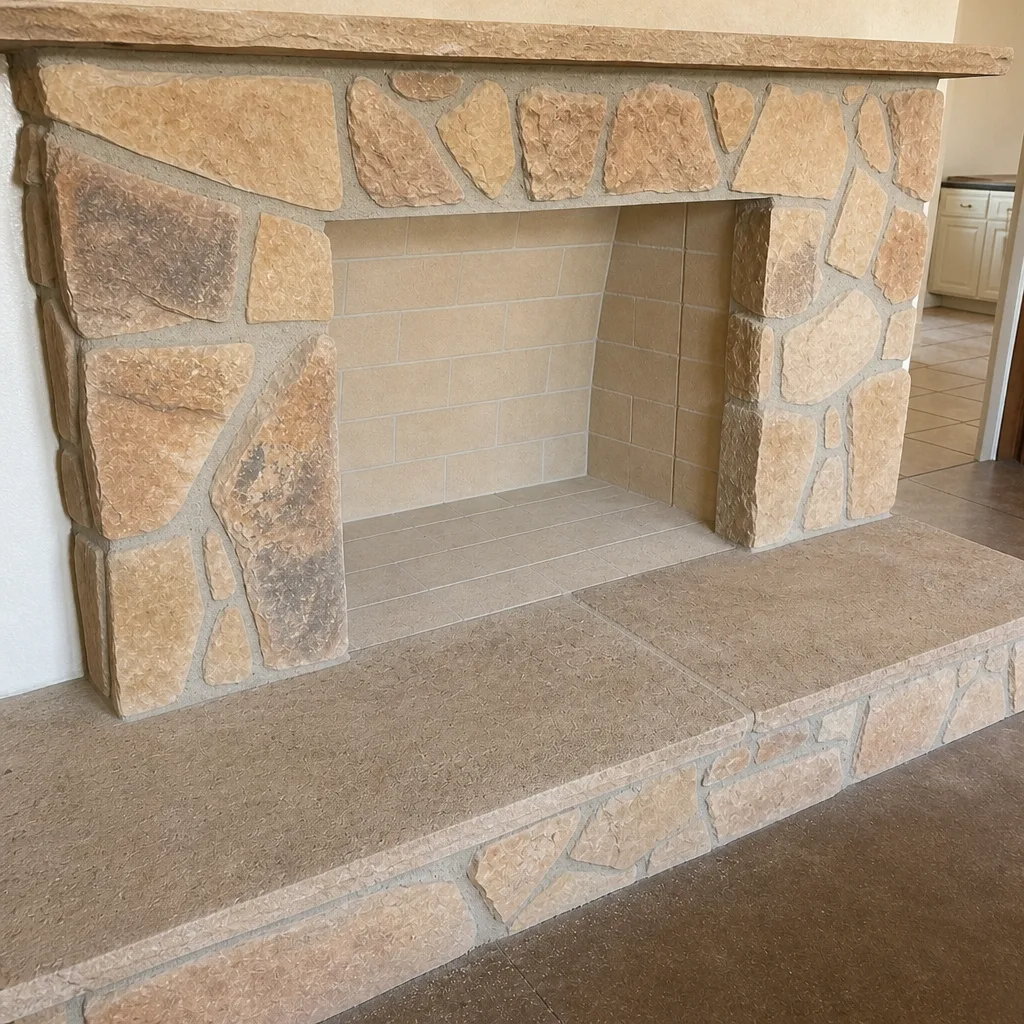
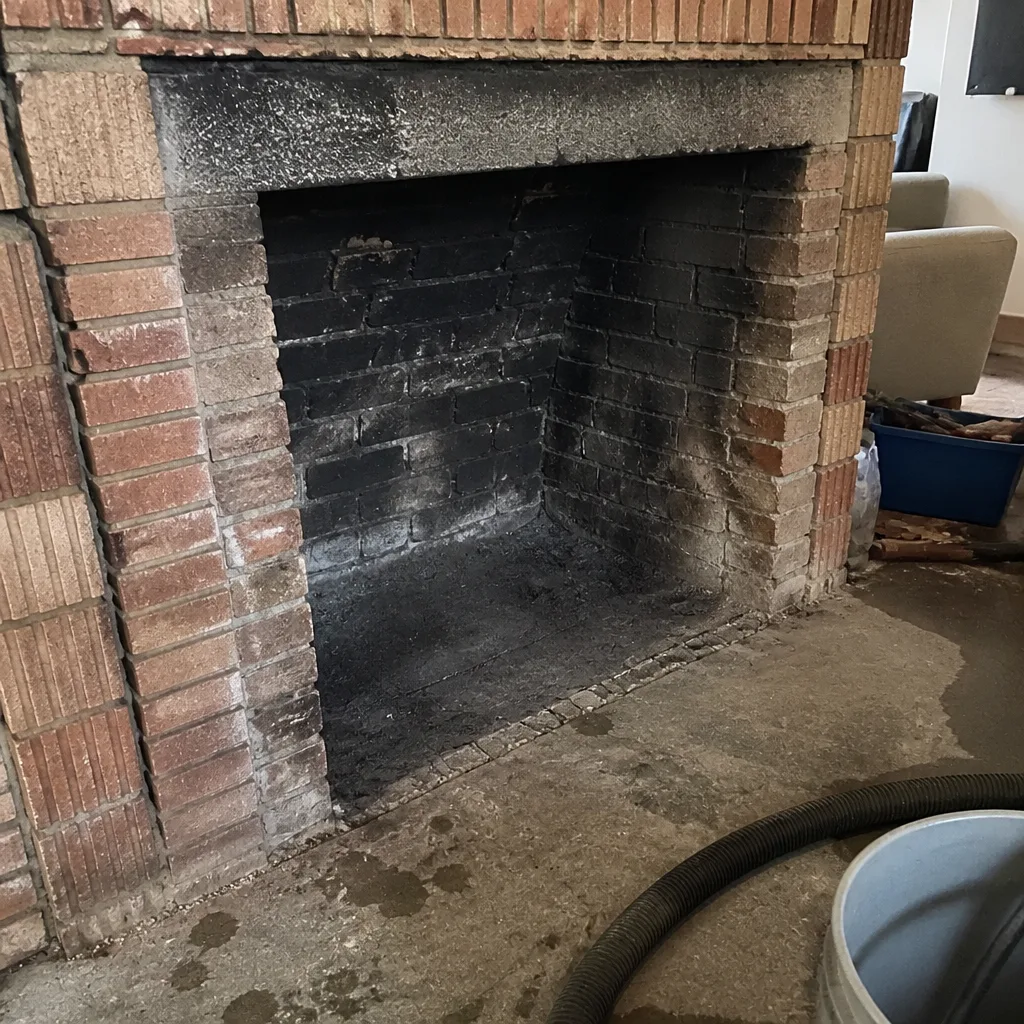
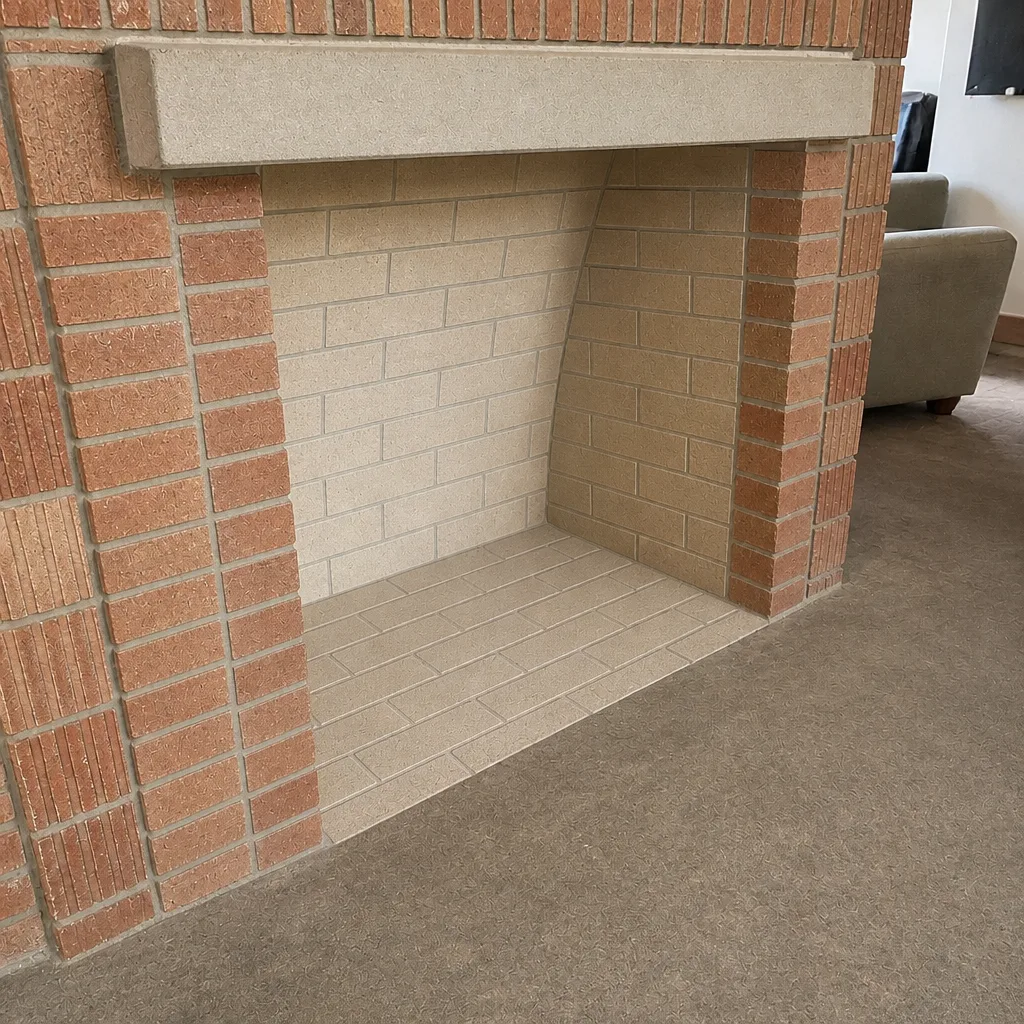
See the difference
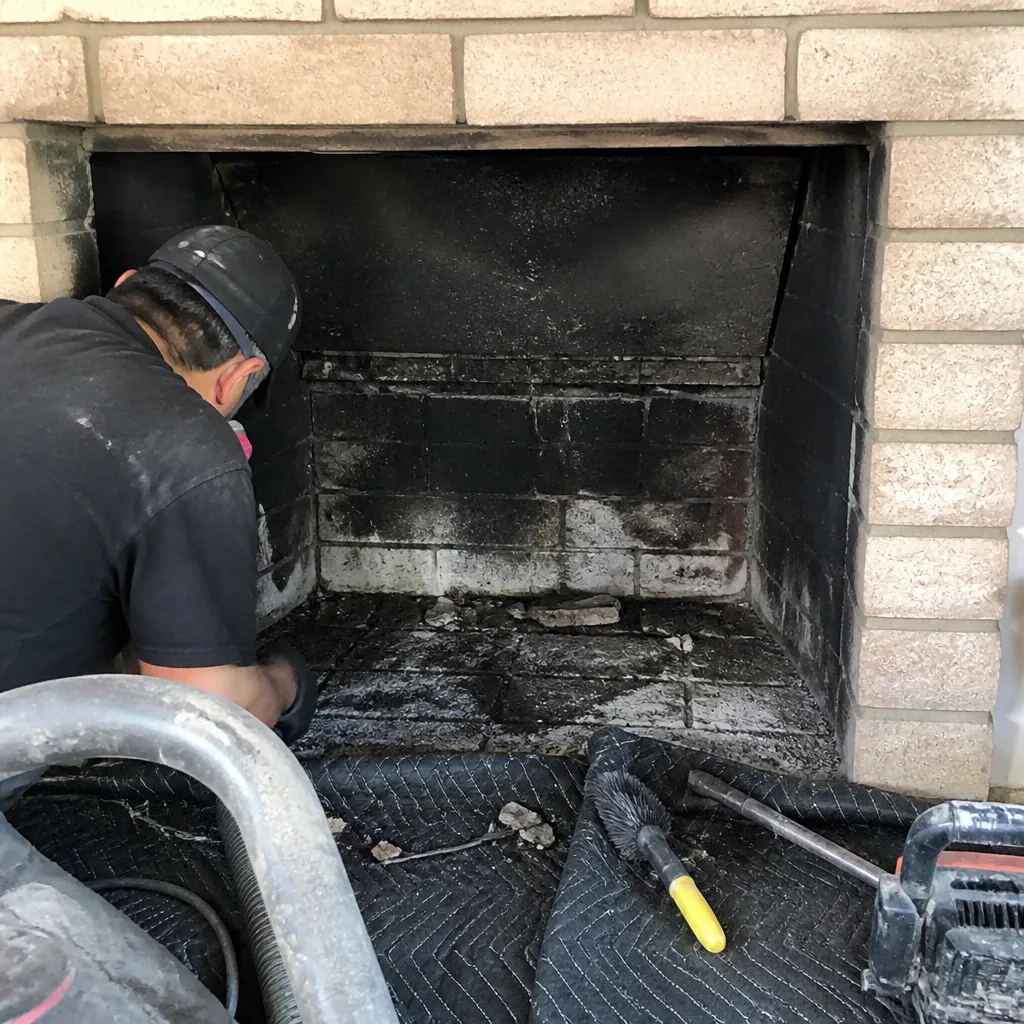 Before
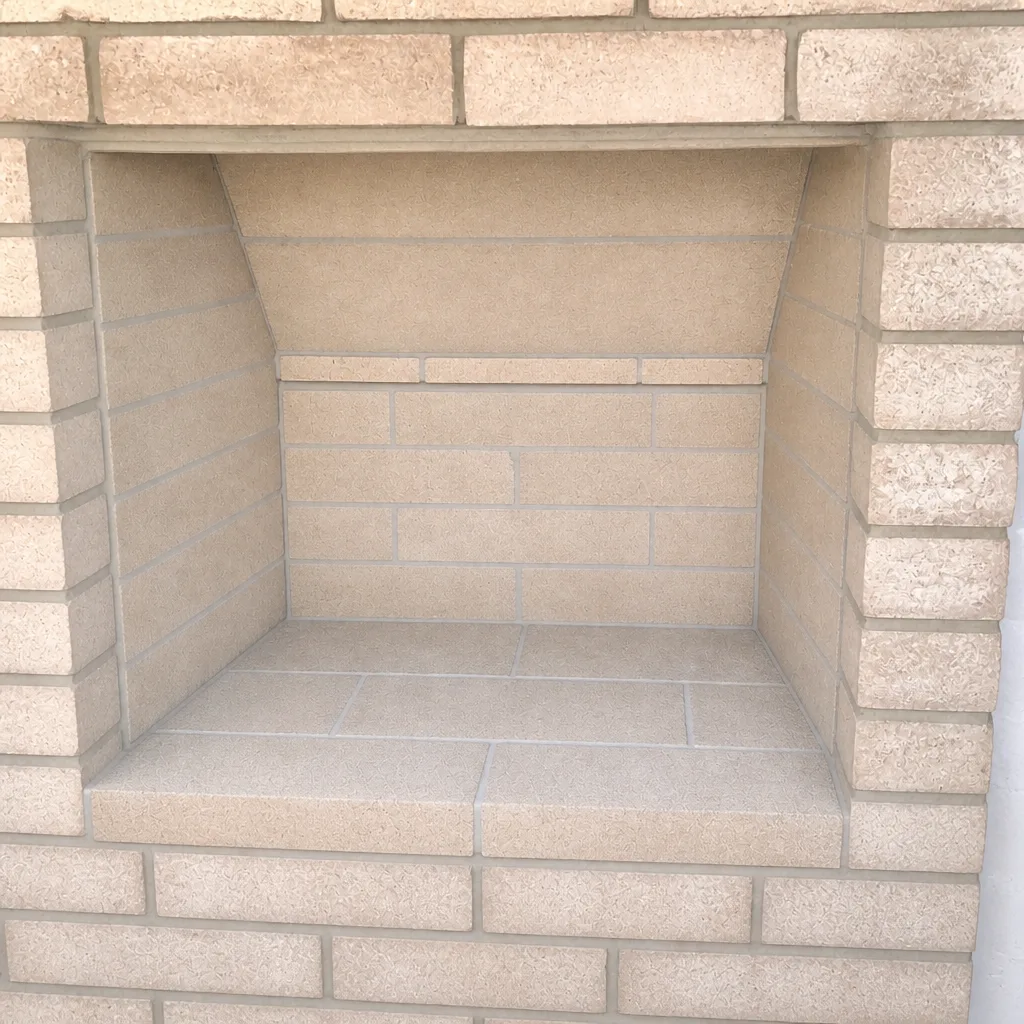 After
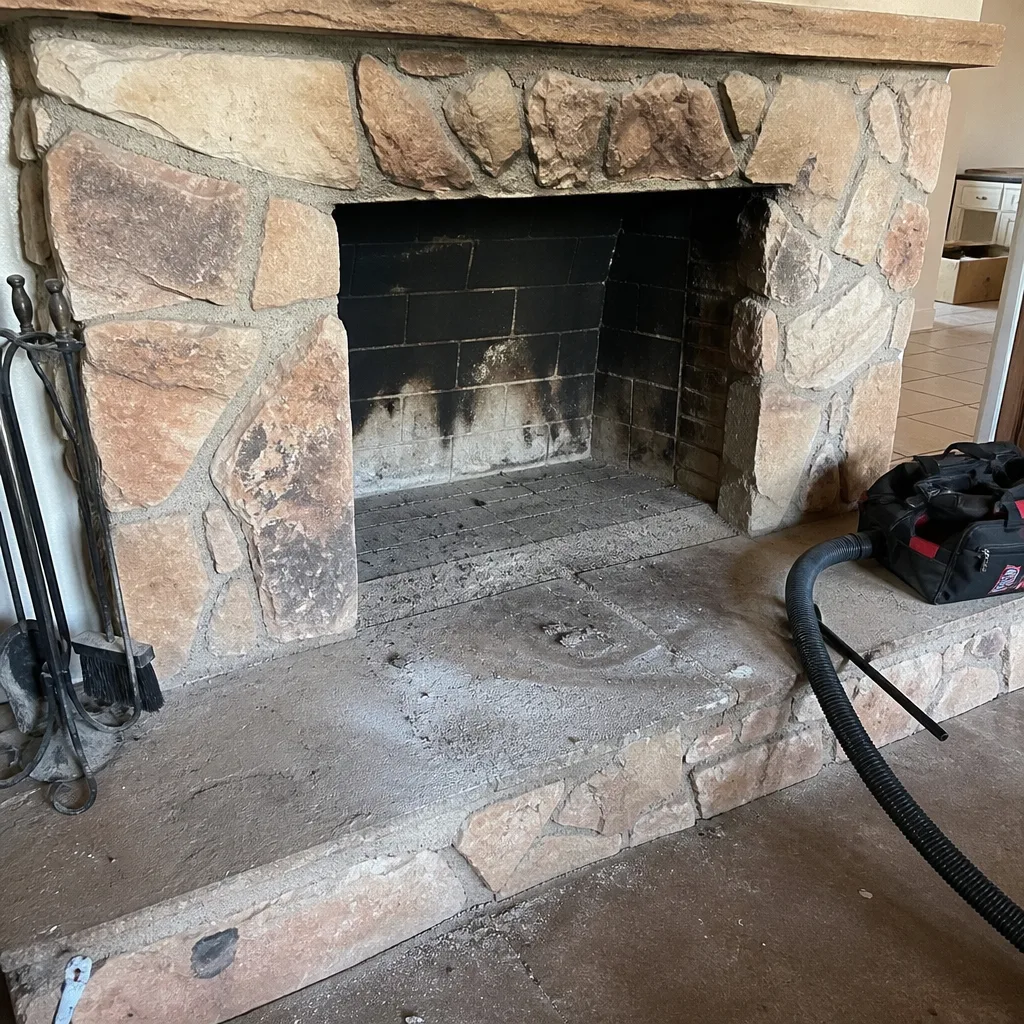 Before
 After
 Before
 After
When to Call a Professional
Call a professional if you haven’t had your chimney inspected in a year, if you smell smoke in the house when there’s no fire, if you see crumbling mortar on the firebox, if your damper no longer opens and closes smoothly, or if your dryer is taking longer than it should to dry a load. Soot, creosote, and dust all accumulate quietly, and in a desert climate the first sign of trouble is often a draft problem, not a fire. We answer 24/7. Fast dispatch from 7am to 7pm, Sunday through Friday. Chimney Sweep Surprise offers free estimates in Surprise – call (833) 842-7310.
Frequently Asked Questions
The brands with the clearest performance differences in this climate are HY-C and Gelco for caps, DuraFlex and Rockford and Flex King for stainless liners, Lyemance and Lock-Top for top-mount dampers, ChimneySaver for waterproofing, and HeatShield for flue and firebox restoration. These names come up because they hold up under high heat and wind-driven dust. Speak with a contractor who can explain why each is right for your chimney, not just which one they carry.
Yes. The difference is thicker metal, better attachment hardware, correctly sized spark mesh, and heat-rated coatings. In Surprise, a cheap cap is far more likely to loosen, dent, or rust at the edges within a few monsoon seasons. A professional-grade HY-C or Gelco cap costs more up front and is a fraction of the labor cost to fix a failed one. Ask your contractor to specify the brand and gauge before you buy.
Stainless. Aluminum liners are cheaper and appropriate in some gas applications, but for wood-burning flues that see sustained heat, stainless from DuraFlex, Rockford, or Flex King is the correct choice. Stainless resists corrosion and heat fatigue far better, and DuraFlex flexible liner systems specifically handle offset flues where rigid liners won’t fit. If a contractor recommends aluminum for a wood flue, ask why and be skeptical of the answer.
A top-mount damper seals at the top of the flue, above the masonry, which keeps dust, debris, and monsoon grit out entirely. A throat damper sits at the fireplace opening and leaks both ways. In a dry climate where wind delivers fine dust into every crevice, the top-mount advantage is real. Lyemance and Lock-Top are the brands to know by name.
Many sweep-only companies cannot, which means you’d need two contractors and two appointments. We handle sweeping, repair, and dryer vent cleaning on the same visit, and HeatShield restoration lets us repair deteriorating flue joints and fireboxes without a full rebuild. That closes the gap between inspection findings and actual remediation. Call (833) 842-7310 for a free estimate.
The most reliable test is whether they can name specific brands and explain why each suits your flue, your climate, and your appliance type. A contractor who works from a curated roster will name HY-C, Gelco, DuraFlex, HeatShield, Olympia Chimney, Famco, or Copperfield in conversation. One who speaks only in adjectives is describing nothing. Ask for a photo report from the camera inspection and judge the recommendation against what you see.
The Bottom Line
The brands behind your chimney parts matter more than most homeowners expect, and they matter more in Surprise than in a temperate climate. Stainless liners beat aluminum for wood, top-mount dampers beat throat dampers in a dusty city, professional-grade caps beat hardware-store caps in monsoon wind, and breathe-able waterproofing beats masonry paint on exposed stucco and brick. The brands worth knowing by name are HY-C, Gelco, DuraFlex, Rockford, Flex King, Lyemance, Lock-Top, ChimneySaver, HeatShield, Olympia Chimney, Famco, and Copperfield. Ask the seven questions above, insist on a camera inspection before any liner quote, and pick the contractor who can explain why. If you’d like a second opinion on the brand choices for your home, talk to Surprise-based specialists who work with these products daily. Call (833) 842-7310. We answer 24/7. Fast dispatch from 7am to 7pm, Sunday through Friday, and the estimate is free.
Written by the team at Chimney Sweep Surprise.