
Last updated November 14, 2026
 Sweep & inspection
 Caps & crowns
 Flue relining
 Masonry repair
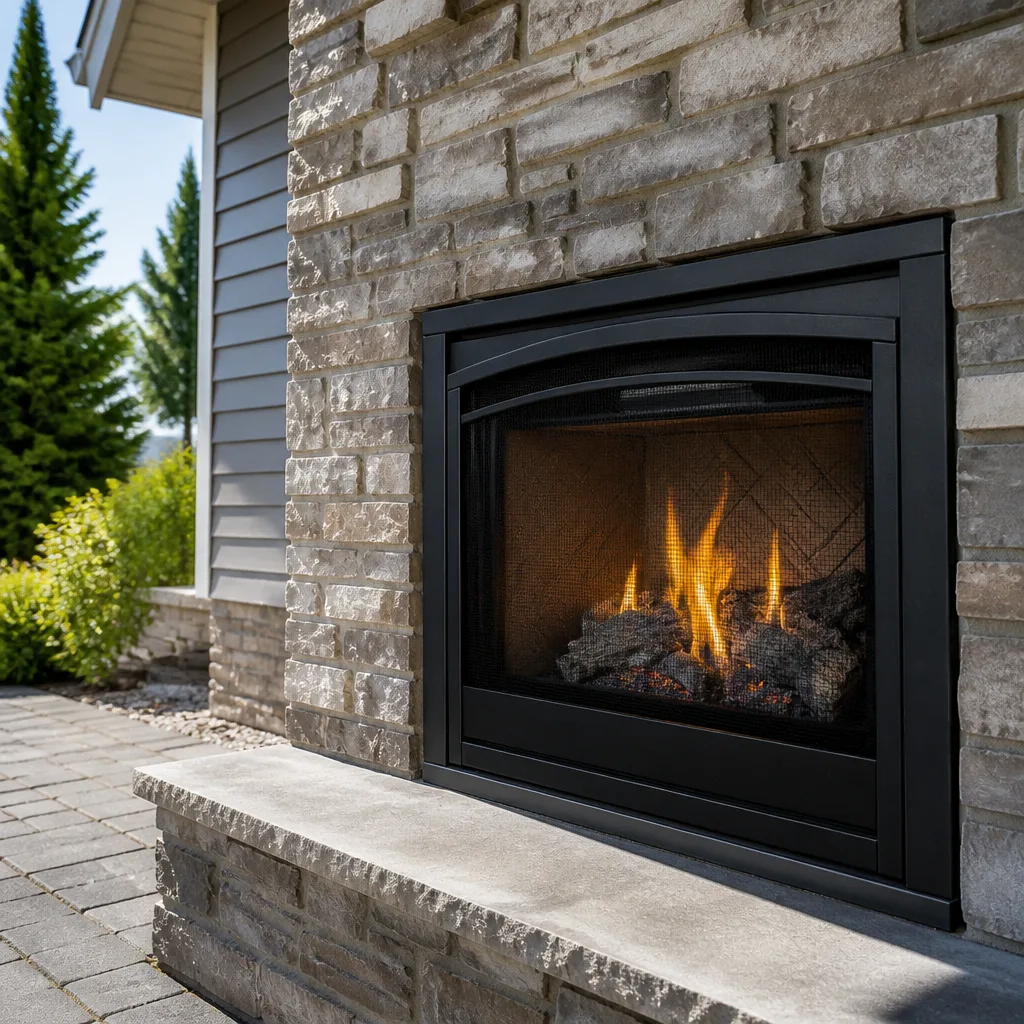 Gas fireplace service
Level 1 sweep and inspection to the NFPA 211 annual standard - flue, crown, cap, and flashing checked and photographed
Chimney sweep logs do not sweep chimneys. They loosen some creosote - which then falls where a brush and vacuum still have to collect it.
Chimney Cleaning Emergency Preparedness Guide for Surprise Homes
If you’re Googling “chimney fire what do I do” while smelling smoke, you’re already behind. The homeowners who handle a chimney emergency well are rarely the ones who react fastest in the moment. They’re the ones who did a little homework weeks earlier, knew what their flue was made of, and understood that a wood-burning chimney fire is only one of two real dangers here. In Surprise, the quieter risk is carbon monoxide creeping back from a blocked or dirty flue on a gas appliance nobody thinks about between cool nights. This guide walks you through the full protocol: how to respond if a fire starts, what to have documented before one does, how our monsoon season sets up a specific kind of backup, and what a proper post-emergency inspection looks for. Read it now, while nothing’s smoking.
Quick Answer
A chimney emergency in Surprise is handled in a fixed order: if you suspect a chimney fire, close the damper, get everyone out of the house, call 911, and only then call your sweep. For carbon monoxide (CO) symptoms with no visible fire, get outside immediately, call 911, and treat it as a gas emergency rather than a chimney problem. Every part of that response depends on having a clean, inspected flue before the season starts, which is the real work of emergency preparedness.
Styles & brands we work with
- Sweep & inspection
- Caps & crowns
- Flue relining
- Masonry repair
- Gas fireplace service
Table of Contents
- Chimney Fire Response Protocol: The Exact Order
- Why Carbon Monoxide Is the More Likely Danger in Surprise
- What to Have Documented Before an Emergency
- The Monsoon Blocked-Cap Scenario
- After a Chimney Fire: Why You Need a Level 2 Inspection Before Relighting
- How to Prepare Your Chimney Before the First Fire of the Season
- Common Mistakes to Avoid
- When to Call a Professional
Chimney Fire Response Protocol: The Exact Order
A chimney fire isn’t a house fire yet, and the moves you make in the first thirty seconds decide which one it becomes. The sequence below is the one we’d give our own families, and it’s the order fire departments teach. Close, evacuate, call 911, call your sweep.
- Close the damper and the appliance door. Cutting off the air supply starves the fire of oxygen. If you have a glass-front wood stove, latch the door. Don’t stand there watching it or trying to spray water up the flue.
- Get everyone outside. Count heads, grab pets, and leave. Smoke and CO both spread through a house faster than most people expect, so don’t stop to gather belongings.
- Call 911. A chimney fire can spread into attic framing or roof structure even when it looks like it’s contained. Firefighters have thermal imaging and can tell whether the fire is still inside the flue or has escaped. Let them make that call.
- Call your sweep once the fire department clears you. The fire may be out, but the flue has been through a trauma. Creosote that burned off could have cracked tile joints, warped a metal liner, or distorted the cap. The next step is an inspection, not another fire.
What does a chimney fire actually sound like? A loud roaring that some people describe as a freight train or a low rumble, often with popping noises. You might see flames or thick smoke at the top of the chimney, or notice the stovepipe glowing. You might also notice nothing at all, because slow-burning chimney fires are common and can smolder down without a dramatic display. That’s part of why preparedness matters more than reaction in a place like Surprise, where the fireplace runs a couple months a year and the rest of the year is quiet.
One thing not to do: don’t try to fight it from inside. No water down the flue, no extinguisher aimed into the firebox. Closing the damper and evacuating is the whole job. Leave the rest to people with the equipment.
Why Carbon Monoxide Is the More Likely Danger in Surprise
Here’s the counterintuitive part. In a desert city where most homes have a gas fireplace insert, a gas water heater, or a furnace vented to a flue, the realistic danger is not an open-flame chimney fire. It’s carbon monoxide. CO is colorless, odorless, and tasteless, and any fuel-burning appliance that vents through a flue can send it back into the house if the flue is blocked, disconnected, or deteriorated.
Why Surprise specifically? Two reasons. First, a lot of the housing stock here has gas inserts and appliance flues that don’t get looked at between seasons, because in a home without snow and cold winters, the “fireplace season” instinct that leads people to a fall inspection doesn’t kick in. Second, the region’s dust and nesting activity can quietly obstruct a flue cap. A blockage that would be noticed in a colder climate gets missed here because the appliance is idle for months.
What symptoms should make you act?
- Headache that comes on indoors and eases outdoors, especially if others in the house feel it too.
- Dizziness, nausea, or fatigue with no other obvious cause.
- Confusion or drowsiness in a family member, particularly a young child or an older adult.
- Yellow or orange flame instead of a clean blue one in a gas appliance.
- Soot or streaks around the appliance, or a smell of exhaust indoors.
If you have any of those symptoms, don’t wait for a technician to arrive. Get outside and call 911. Then have the appliance inspected before anyone turns it back on. A working CO alarm on each level of the home and near sleeping areas is the single most important piece of preparedness equipment, and it costs far less than the alternative. Check the battery at the same time you test your smoke alarms.
Gas appliance flues need inspection too. A wood-burning fireplace gets annual attention; a gas insert or furnace flue often gets none. During a chimney sweep or inspection, we check those appliance flues as part of the same visit.
What to Have Documented Before an Emergency
When you’re on the phone with a sweep during or after a chimney event, the first question will be about your setup, and the faster the answers arrive, the faster the right help shows up. Keep a small file, digital or paper, with the following. Most homeowners have some of it and none of it in one place.
- What kind of flue liner you have. Clay tile, stainless steel, or an older unlined masonry flue. The liner material matters enormously for what a sweep recommends after a fire.
- The date and findings of your last inspection. Note whether it was a Level 1, Level 2, or Level 3 inspection and any recommendations the technician wrote down.
- Appliance model and serial numbers. The wood stove, fireplace insert, furnace, or gas fireplace. Model numbers let a contractor pull specs and clearances instantly.
- Chimney cap and crown details. Whether there’s a cap, what type, and when it was last checked.
- The name of the last company to inspect. Even if it’s not us. Handy if the fire department or insurance needs details.
Why does this matter in Surprise? During the summer, when the phone rings with a real emergency, the homeowner with a documented setup can answer three questions in thirty seconds. The homeowner with no paperwork spends ten minutes describing what the fireplace looks like, and even then nobody knows what’s happening inside the flue. If a homeowner has to describe an older repair, hearing the words “HeatShield” or “stainless reline” tells the technician a lot about what’s inside. Documenting your system once takes a half hour and saves a much worse half hour later.
The Monsoon Blocked-Cap Scenario
Here’s a sequence that plays out in the Phoenix northwest valley every year and rarely gets discussed. Monsoon season rolls through between roughly June and September. A wind-driven dust storm or a burst of rain pushes debris into and around the chimney cap. The screen gets plugged with silt, leaves, and bird nesting material. The weather cools, the homeowner lights the first fire of the season, and the exhaust has nowhere to go but back into the house.
In a wood-burning fireplace, that usually means smoke rolling into the room, which is unpleasant but obvious. In a gas appliance, it means CO. The appliance burns fine, the flame looks normal, and nothing about the setup announces danger. Then people start feeling off.
What to do if you suspect a blocked cap or a blocked flue:
- Turn off the appliance immediately, whether it’s gas or wood.
- Open a window and get outside if anyone has CO symptoms. Call 911.
- Don’t relight the appliance until the flue and cap have been inspected and cleared.
- Have the cap, screen, and flue inspected before the next burn.
Our advice for Surprise homeowners: before the first fire of the season, get up on the ground and look at the cap from below, if it’s visible, or better, have the whole system checked. A trained eye catches a blocked cap, a damaged screen, or a nesting problem during a routine sweep. This is the single best moment to catch a monsoon-caused blockage, because the alternative is discovering it by smell.
After a Chimney Fire: Why You Need a Level 2 Inspection Before Relighting
A chimney fire leaves a structure that looks intact and behaves differently. The flue has been through high internal temperatures, and the damage shows up in ways a visual glance from the firebox won’t reveal. That’s exactly what a Level 2 inspection is for. If there’s been a chimney fire, a suspected one, a major event like a flue collapse, or a change of appliance, the standard is a Level 2 inspection, and it should happen before anyone relights.
What a Level 2 inspection after a fire is specifically looking for:
- Cracked or displaced clay tiles. Fire can open joints that were tight before. A cracked tile passes heat and smoke into surrounding framing.
- Warped or separated metal liners. Stainless runs handle heat well, but poorly-made joints can pull apart, and older flexible liners can warp if overloaded.
- Damaged mortar at the smoke chamber and damper. The smoke chamber is the transition between the firebox and the flue and often takes the brunt of heat.
- Compromised firebox panels. Firebrick cracks or missing mortar can let flame reach materials that shouldn’t be exposed.
- Creosote remaining or glazed. A fire can leave behind a sticky glazed residue that is harder to remove and more combustible than the original.
- Damaged cap or crown. Fire, heat, or debris can distort the cap. That’s an entry point for water and animals.
A Level 2 inspection uses a camera to see the parts of the flue you can’t see from below, and it produces a report. What we ask homeowners to hold onto is that report, because if a repair turns out to be necessary, the documented findings tell the next person exactly what to fix. If deterioration is found in a clay flue or a firebox, a HeatShield system can often restore the joints without demolishing the chimney, which is a real alternative to a rebuild. When a flexible liner is the answer, DuraFlex products are designed to handle offsets and complex flues where rigid liners won’t fit. Those are the two brands this scenario most often points toward.
How to Prepare Your Chimney Before the First Fire of the Season
Preparedness is really a seasonal habit, and in Surprise the right window is before the first burn, not mid-winter. Here’s a simple calendar-style approach.
- Get a chimney sweep before the season. A sweeping removes the creosote load so a fire can’t start from ignition, and it clears any debris that’s accumulated. A chimney sweep is the baseline visit.
- Have the flue and cap inspected at the same time. A sweep appointment should include an inspection so you don’t discover a blocked cap by smell in December.
- Check the cap and screen from the ground. If you can see the cap, look for visible obstruction. Leave the roof to the technician.
- Test smoke and CO alarms. Replace batteries and check the date on the back of each unit. CO alarms have a manufacture date and expire eventually.
- Look at the firebox. Note any cracks in the firebrick or missing mortar. Report what you see to the sweep during the visit.
- Have the dryer vent cleaned too. It’s a separate venting system with its own fire risk, and it’s an easy task to bundle into one visit. Our dryer vent cleaning line exists for exactly that reason.
Two fire-risk systems, one visit. That’s practical in any home where the fireplace and the laundry are both running hard through the year, which is most homes in Surprise. If a repair is needed, having repair capability on the same visit means the fix doesn’t wait for a second appointment. We can restore a deteriorating flue joint with HeatShield, install a Gelco liner for a vent system that needs one, or handle an Olympia Chimney cap replacement, all on the findings from that initial inspection.
Common Mistakes to Avoid
- Waiting to sweep until the first cold night. By the time you want the fire, everyone else in Surprise does too, and the schedule fills. Book the sweep before the season, not during it.
- Ignoring a gas appliance flue. Homeowners with a gas insert or a furnace flue sometimes assume they don’t need annual service because there’s no wood and no visible smoke. CO comes from gas appliances too, and a blocked or disconnected flue is the pathway.
- Relighting after a chimney fire without a Level 2. The fire may be out, but cracked tile, warped liner joints, or damaged mortar don’t heal on their own. The most dangerous fire is the second one on a compromised flue.
- Skipping the cap. A missing or damaged cap is a direct opening into your flue for birds, dust, and water. In a desert climate it’s easy to forget because the weather looks calm most of the year, which is exactly why a blocked cap catches people off guard.
- Trusting a visual glance to rule out trouble. The most important parts of a flue, the smoke chamber and upper flue walls, are the ones you can’t see from the firebox. That’s the point of a camera inspection.
- Assuming “no symptoms” means “no problem.” Slow-burning chimney fires and low-level CO exposure both run quiet. Absence of a strong smell is not evidence a flue is healthy.
- Treating CO symptoms as a cold or a headache. Dizziness and nausea that improve outdoors and return indoors are a pattern, not a coincidence. Err toward getting checked.
See the difference
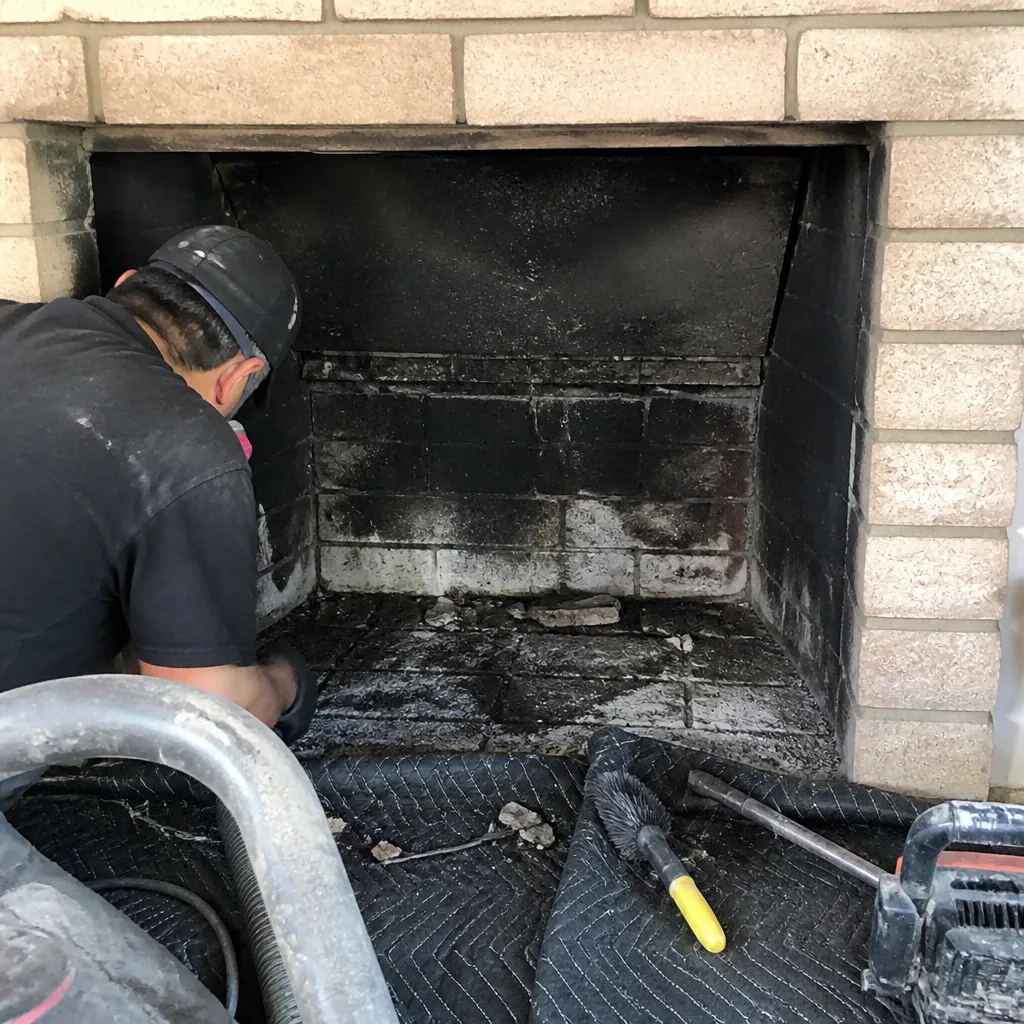 Before
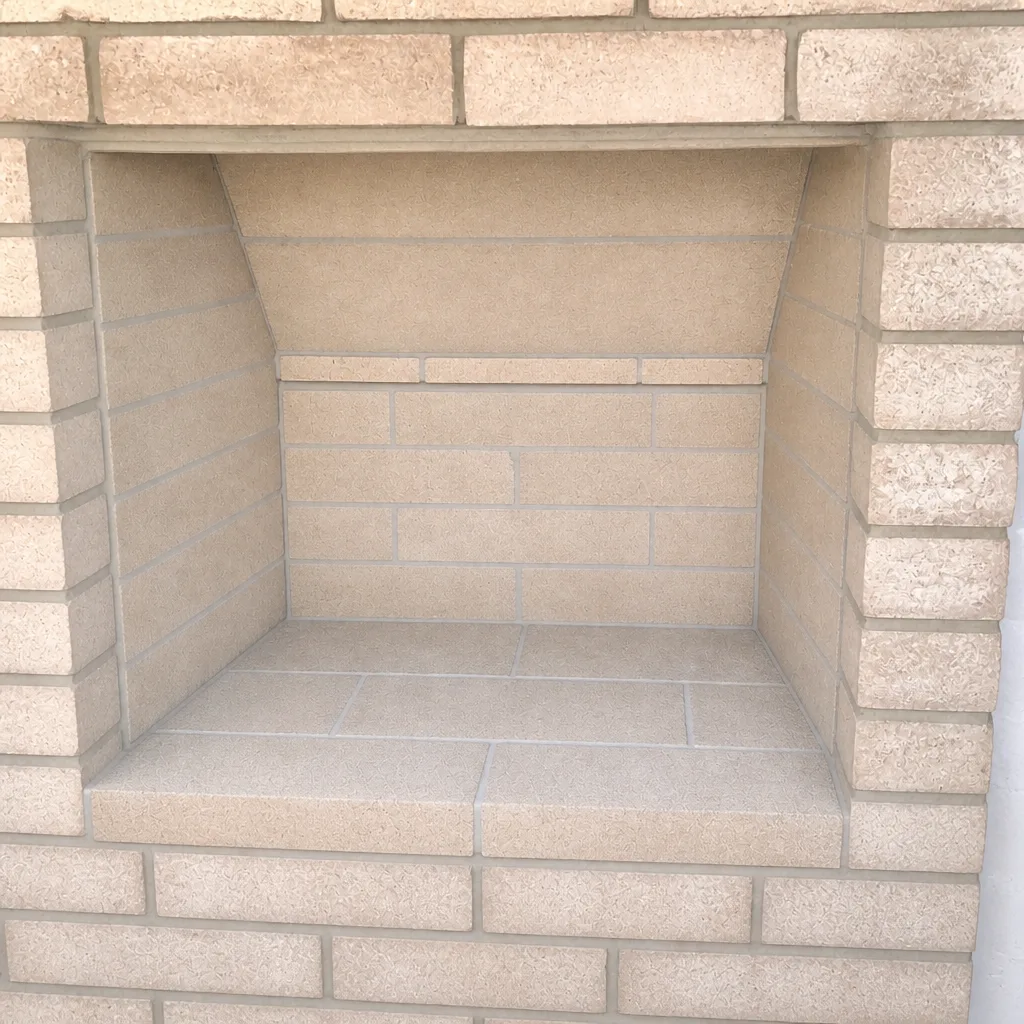 After
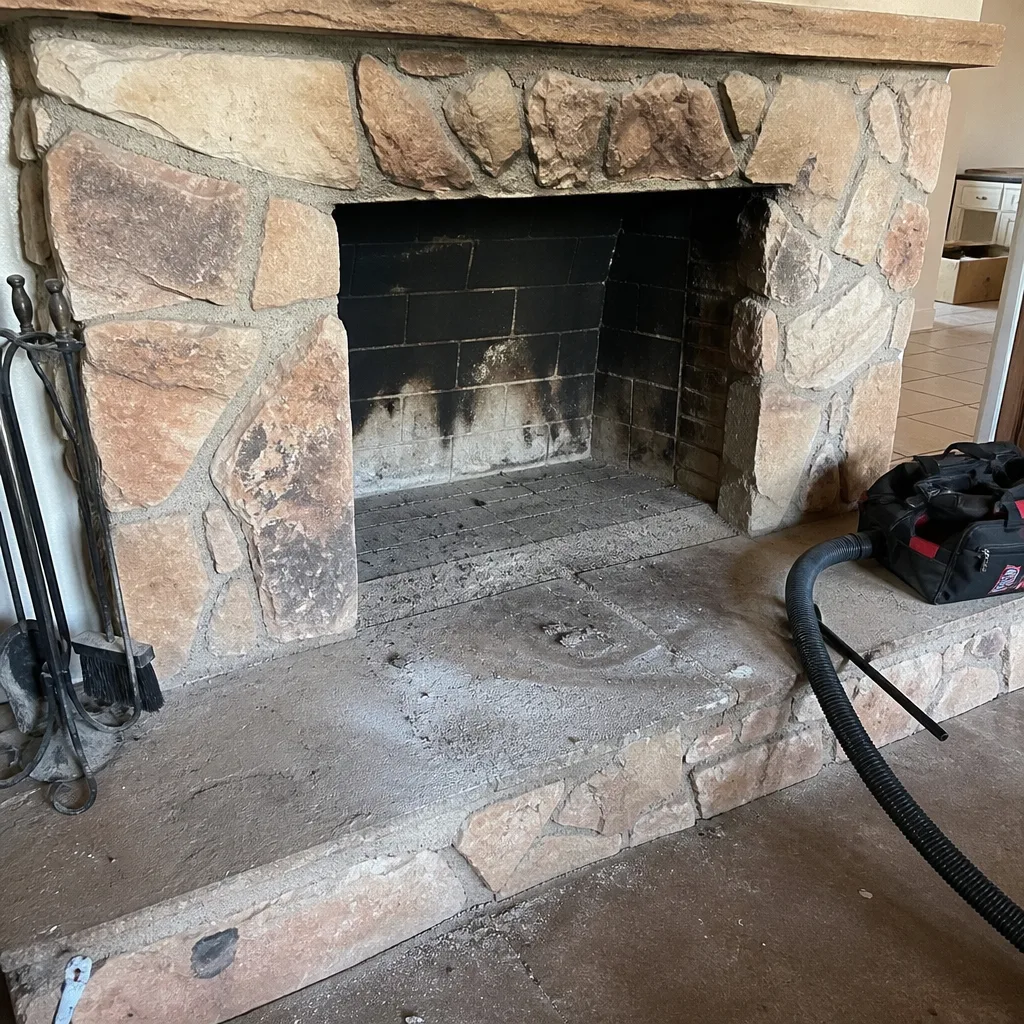 Before
 After
 Before
 After
When to Call a Professional
Some situations need a sweep on the phone now. Suspected chimney fire, smoke backing into the room, CO alarm sounding, headache and dizziness with a fuel-burning appliance running, a flue that’s never been inspected in a home you just bought, a cap you can see is missing or blocked, or visible cracks in the firebox or tiles. Any of these means stop using the appliance and have the system inspected.
Other situations can wait for a scheduled visit. A dirty flue with no symptoms, an annual sweep due, a dryer vent that’s been running longer than usual to dry a load, a strange smell in the chimney when the fireplace is off. Those are seasonal maintenance items, not emergencies.
We offer free estimates in Surprise for chimney sweeping, chimney repair, and dryer vent cleaning. Call (833) 842-7310. We answer 24/7. Fast dispatch from 7am to 7pm, Sunday through Friday.
Frequently Asked Questions
Close the damper, get everyone outside, and call 911. Don’t try to fight the fire from inside or spray water up the flue. Once the fire department clears you, call a sweep for an inspection before relighting.
Yes, slow-burning chimney fires can smolder down without a dramatic display and often get missed entirely. That’s why the annual inspection matters: an inspection catches the damage a fire left behind, even one you never knew happened.
Because a large share of Surprise homes heat with gas inserts and appliance flues, and those vent CO through the same chimney structure a wood fireplace uses. When the flue or cap is blocked, CO comes back into the house, and a gas appliance gives no visible smoke signal. A working CO alarm on each level is the strongest defense.
Yes, and here’s why: a Level 2 uses a camera to inspect the parts of the flue you can’t see, and post-fire damage often lives there. Cracked tiles, warped liner joints, and damaged smoke chambers can be invisible from the firebox, so the report is what tells you the system is safe to use again.
Have three things ready: your liner material (clay tile, stainless, or unlined), your last inspection date, and your appliance model and serial numbers. Those three answers let the technician make a plan in the first minute of the call.
Yes, and specifically by blocking the chimney cap. Wind-driven dust and debris can plug the screen, and bird nesting material often does the same. The blockage sits unnoticed until the first fire of the season, when exhaust has nowhere to go and ends up back inside the house.
The Bottom Line
Chimney emergencies are prepared for long before they happen. In Surprise, the quiet threats are the ones to plan around: a gas appliance flue that hasn’t been inspected, a blocked cap after a monsoon, and a fire that left damage nobody saw. Handle those in advance with an annual sweep and inspection, keep a documented file on your flue and appliances, and know the response order. If you ever smell smoke with a fire burning, remember: close the damper, evacuate, call 911, then call your sweep. For everything that comes before that moment, we’re here.
Call (833) 842-7310 for a free estimate on chimney sweeping, chimney repair, or dryer vent cleaning. We answer 24/7. Fast dispatch from 7am to 7pm, Sunday through Friday.
Written by the team at Chimney Sweep Surprise.