
Last updated November 14, 2026
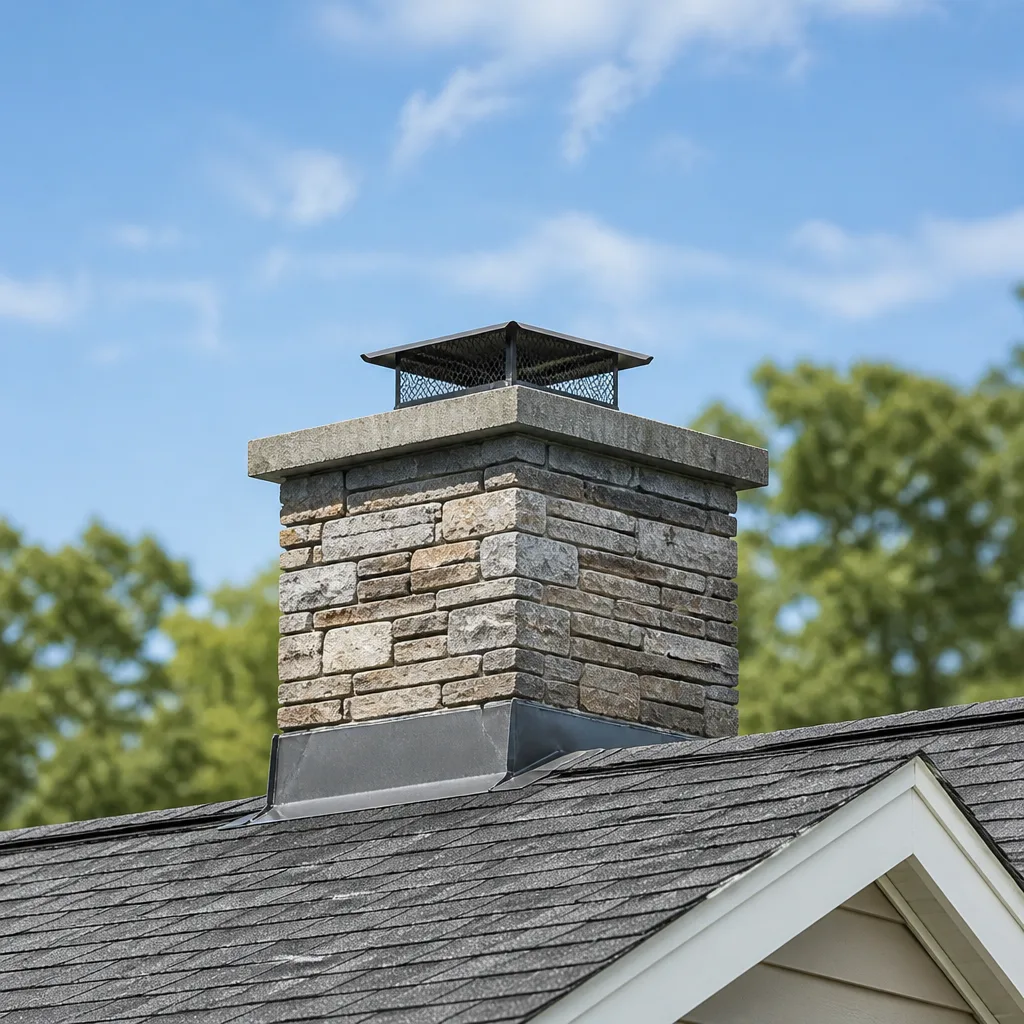 Sweep & inspection
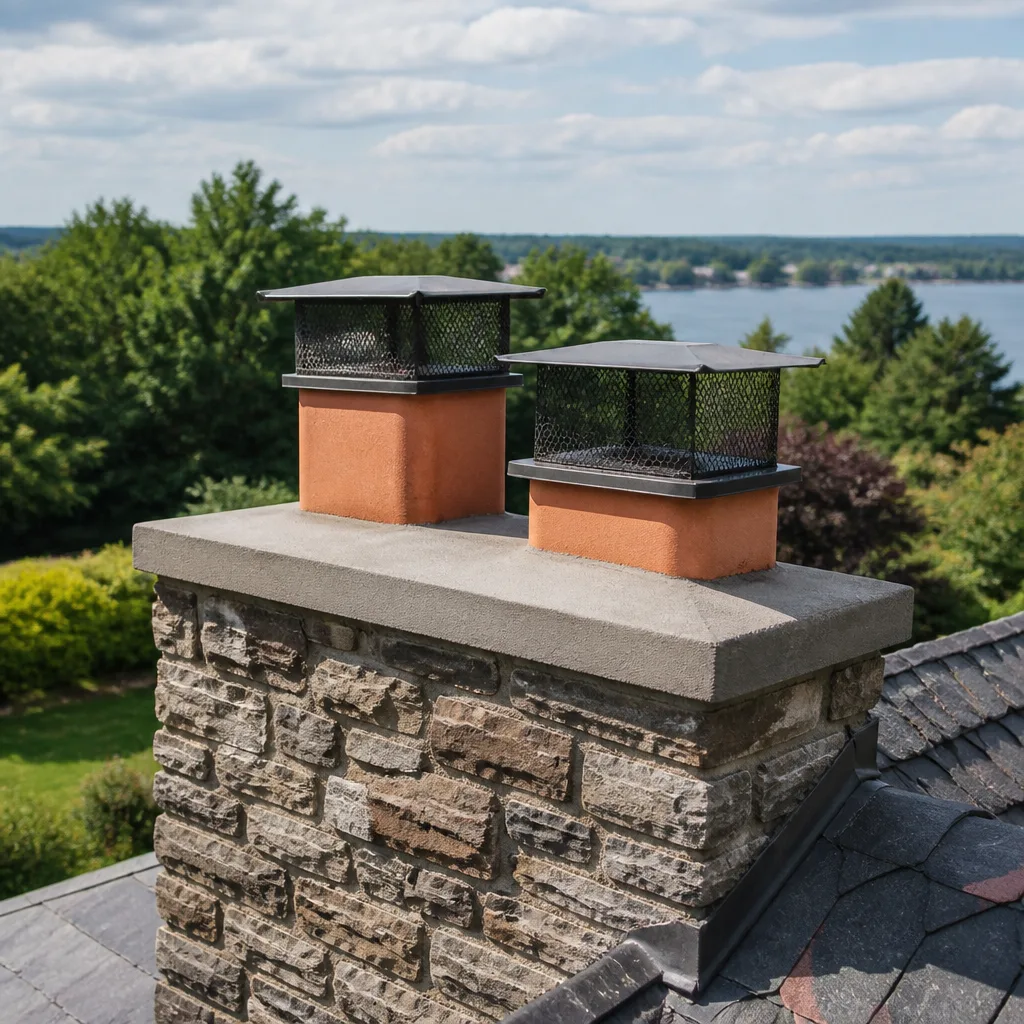 Caps & crowns
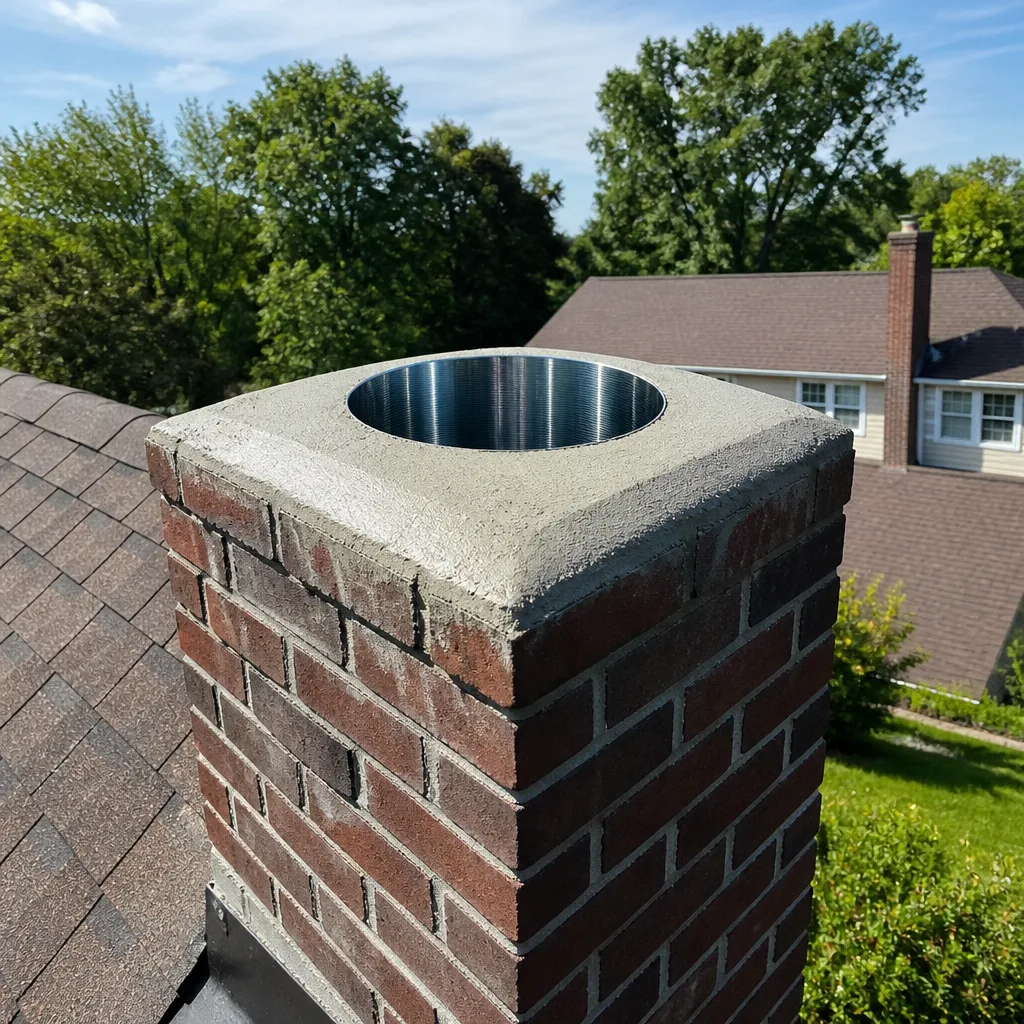 Flue relining
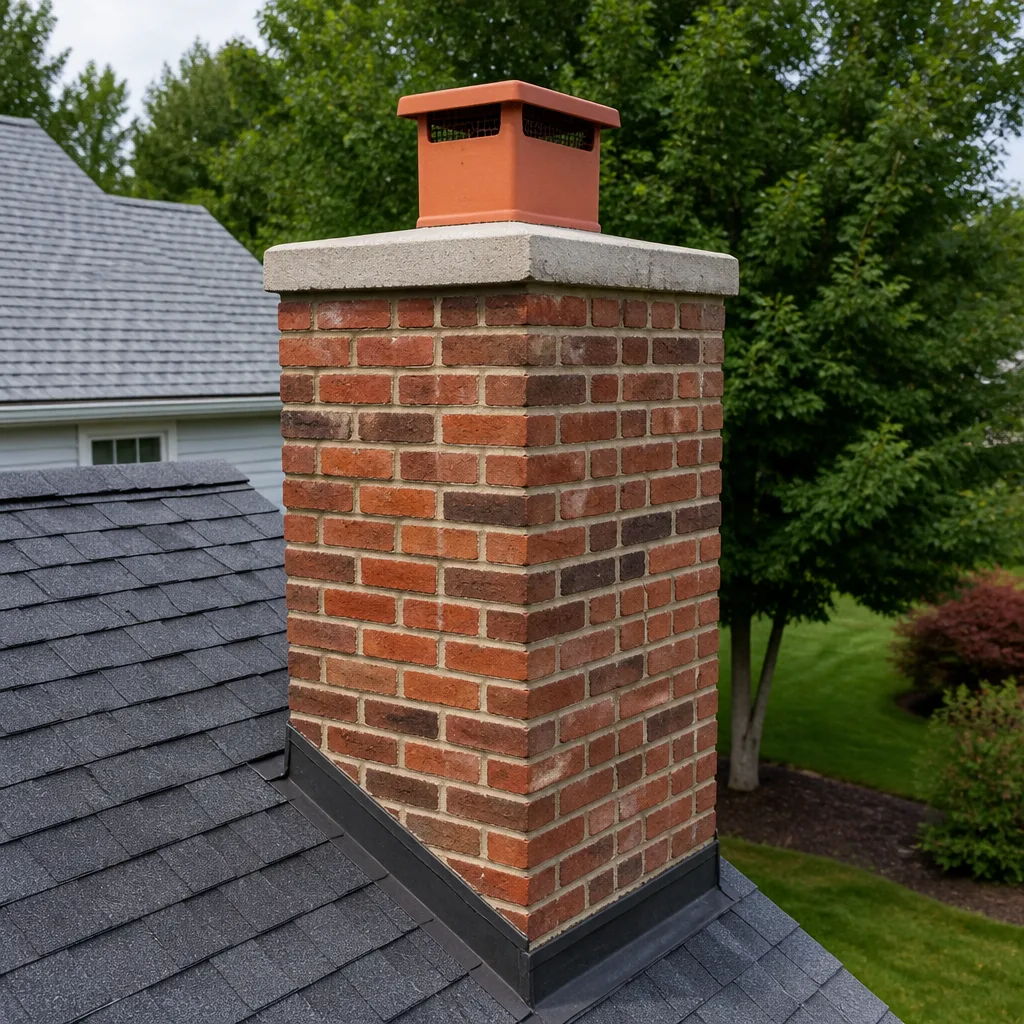 Masonry repair
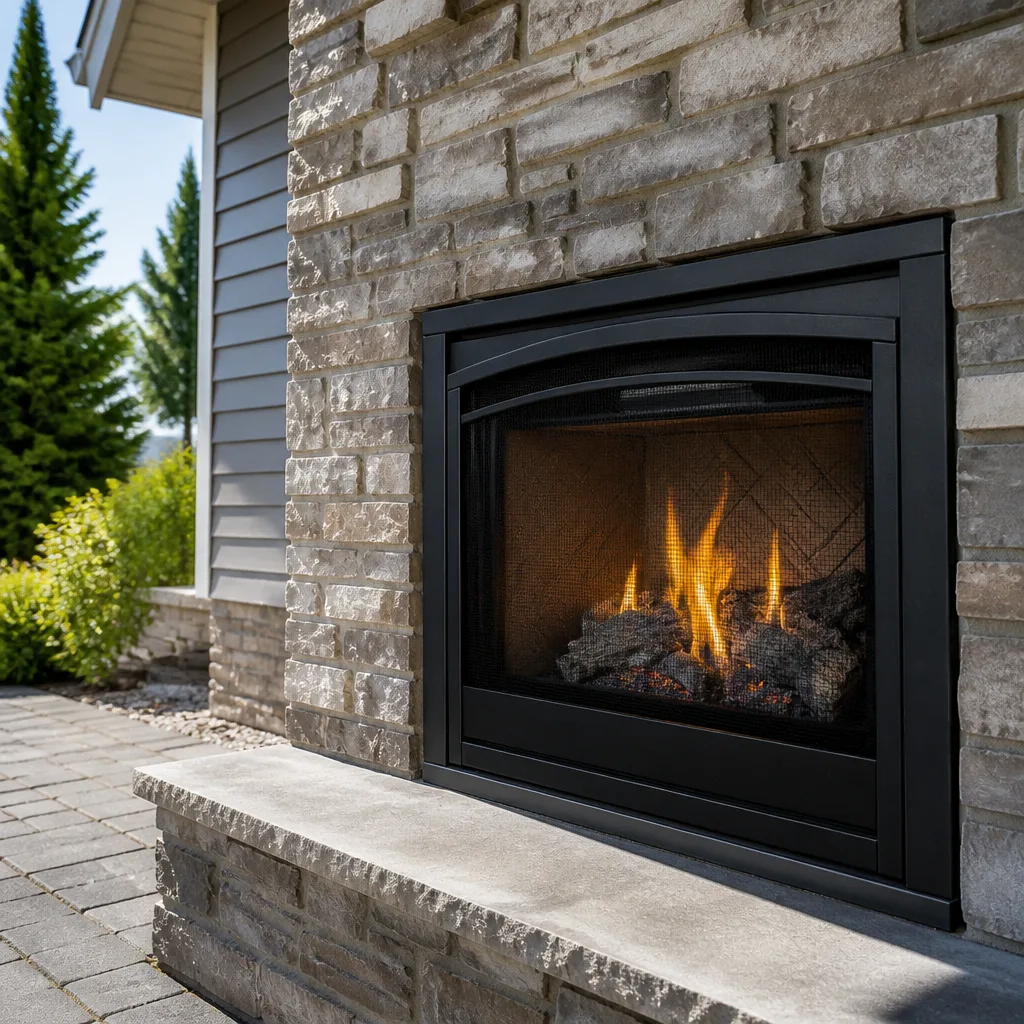 Gas fireplace service
Level 1 sweep and inspection to the NFPA 211 annual standard - flue, crown, cap, and flashing checked and photographed
Chimney sweep logs do not sweep chimneys. They loosen some creosote - which then falls where a brush and vacuum still have to collect it.
DIY vs Professional Chimney Cleaning: The Surprise Homeowner’s Decision Guide
You can absolutely clean your own chimney. The brush, the rods, the drop cloth, the sooty crawl across the hearth – it’s all within reach of a careful homeowner with a Saturday to spare. What you can’t do at the same time is inspect the flue, and that’s the part that matters. Here’s the counterintuitive bit: a chimney that looks spotless from the firebox can be half-blocked thirty feet up, and in Surprise the debris that causes that is often monsoon grit and twigs packed into a shelf you’ll never see with a flashlight. This guide walks through what you can honestly do yourself, what needs real equipment, and how to decide which side of the line your fireplace sits on.
Quick Answer
DIY chimney cleaning is fine for light, frequent brushing on a rarely used fireplace with a clean burn history, but a professional chimney sweep is the safer call once a year because only a camera inspection catches the blockages, cracked joints, and flashing gaps that actually start chimney fires. In Surprise’s dry, dusty climate, those hidden problems build up in parts of the flue a brush can’t reach. If you can’t see it, you can’t clear it.
Styles & brands we work with
- Sweep & inspection
- Caps & crowns
- Flue relining
- Masonry repair
- Gas fireplace service
Table of Contents
- What You Can Legitimately Do Yourself
- What Actually Requires Professional Equipment
- The Surprise-Specific Risk: Debris You Can’t Reach
- The Cost-Benefit Math: When DIY Is Fine and When It Isn’t
- Tools Worth Owning vs. Where the Equipment Gap Becomes a Safety Issue
- How a Professional Cleaning Actually Works
- Common Mistakes to Avoid
- When to Call a Professional
What You Can Legitimately Do Yourself
Let’s be fair to the DIY crowd, because the internet is full of chimney pros who treat homeowners like toddlers. A lot of chimney upkeep is genuinely homeowner-level work. The key word is upkeep. Maintenance you can do. Inspection and remediation you mostly can’t.
Here’s the short list of things a careful homeowner can handle without specialized training:
- Firebox sweeping. Creosote flakes and ash collect on the firebox floor between cleanings. A stiff brush and a shop vac with a fine-particle filter (plus eye protection and a dust mask) clears it out in ten minutes.
- Damper checks. Open and close the damper by hand. It should move freely and seal flat when closed. A damper that sticks open wastes heat up the chimney and lets cold air down; one that sticks closed means the fire smokes into the room.
- Exterior visual inspection. From the ground, look at the chimney crown, the cap, and the mortar joints you can see. Crumbling mortar or a cracked crown is a call-a-pro item, but spotting it early saves a lot of money.
- Cap screen clearing. A mesh chimney cap catches twigs, leaves, and whatever the wind brings. If you can safely reach it from a ladder at ground level (not the roof), clearing the mesh occasionally keeps the flue breathing.
- Keeping the hearth clean. Ash buildup, creosote drip stains on the smoke chamber lip, and stray debris behind the firebox are all matters of a broom and a shop vac.
That’s the honest list. Notice what’s not on it: brushing the full flue, looking down into the smoke chamber, and checking the liner joints. Those crossover into the professional side, and we’ll explain exactly why in the next section. In our experience, homeowners in Surprise who do the firebox and damper upkeep themselves end up with a genuinely cleaner fireplace between professional visits. The maintenance is real. It’s just not the whole job.
What Actually Requires Professional Equipment
Here’s where the DIY case starts to crack. A chimney sweep isn’t doing anything a homeowner fundamentally can’t do – it’s that the equipment required to do it safely and thoroughly costs more than the visit. Think of it like dentistry: you could technically clean your own teeth with a mirror and a scraper, but the tools and the training to see what you’re doing are the whole point.
Three categories of chimney work require equipment no homeowner reasonably owns:
- Liner camera inspection. This is the single biggest gap. A professional inspection camera runs down the flue and sends back images of the liner’s inner surface – every joint, every offset, every patch of glazed creosote. A flashlight and a mirror from the firebox can’t see around the first offset. In many Surprise homes, the flue has one or more offsets built in during construction, and the camera is the only way to see them.
- Chimney vacuum containment. A shop vac will spread fine soot through your entire house. A professional chimney vacuum is a HEPA-filtered negative-pressure system that captures everything as it’s dislodged. It’s the difference between a clean living room and three days of wiping down every surface.
- Flashing integrity assessment. Where the chimney meets the roof, a metal flashing system seals it. Flashing cracks with age and sun exposure. Checking it properly means getting on the roof, examining every joint and sealant line, and knowing what “good” looks like versus “one monsoon away from a leak.” That’s not a flashlight task.
There’s a fourth item worth naming: the actual brushing of the flue. A homeowner can buy a brush and rods, and some do. The catch is that the brushing needs to reach the full height of the flue with consistent pressure, and it needs to dislodge creosote without grinding it into the liner. That’s a technique question more than a tool question, but the tool question is real, and we’ll get to the specific equipment gap in the tools section below. The point stands: the inspection is the professional’s job, and the inspection is the whole reason the cleaning matters.
The Surprise-Specific Risk: Debris You Can’t Reach
Chimney cleaning content written for New England is not written for the Sonoran Desert, and this is where the DIY-versus-professional question gets interesting in Surprise. Winters here are mild. Fireplaces run less. But the climate does something else entirely: monsoon season delivers dust, twigs, leaf litter, and grit straight into the flue through the cap.
Here’s the mechanism. During monsoon season, wind-driven debris lands on top of the chimney cap and works into the mesh. Some of it filters down the flue. It doesn’t fall all the way to the firebox – it catches on the smoke shelf, the smoke chamber ledges, or the first offset in the liner. There it sits, mixing with last winter’s soot, and it builds a blockage a brush pushed up from below will slide right past. From the firebox, you look up and see a clear, unblocked flue. From the top of the chimney, you’re looking at a plug.
Why this matters more than it might in a wetter climate:
- Dry climate concentrates the debris. In humid climates, leaf litter decays. Here it dries and stays – brittle, loose, and easy to ignite.
- Low fire frequency hides the problem. A Surprise homeowner might burn twenty or thirty fires a winter. The chimney looks fine because there’s little soot on the firebox walls. The blockage up top is invisible.
- Light use means fewer signs. A slow-burning, smoking fireplace is the classic warning that a flue is partially blocked. If you don’t burn often, you don’t see the warning.
A camera inspection catches all of this in minutes. A brush alone, from the firebox up, will usually push a plug of debris up and out or drop it down into the firebox as a mess. A professional inspection sees the plug, removes it with the proper tool, and then verifies the flue is clear on camera. That verification is the whole difference.
The Cost-Benefit Math: When DIY Is Fine and When It Isn’t
The DIY decision isn’t a moral question. It’s a math question: what are you saving, and what are you risking? Here’s the honest breakdown.
DIY brushing is reasonable when:
- You burn a small number of fires per season (say, ten to twenty) on a clean-burning fire.
- You’ve had a professional inspection in the last year or two and know the liner is sound.
- The fireplace is a straightforward straight-up flue with no offsets.
- You own the right brush and a HEPA shop vac and know how to use them without spreading soot.
Skipping professional service is a real risk when:
- You burn regularly through the winter and haven’t had an inspection in over a year.
- The flue has any offset, angle, or smoke chamber ledge (very common in Surprise housing).
- You’ve had any chimney fire, even a small one you caught quickly.
- You smell smoke when the fireplace is off, or notice a draft that didn’t used to be there.
- You can’t remember the last time anyone looked at the liner joints.
- The house is new to you and the chimney’s history is unknown.
What does a professional visit get you that DIY doesn’t, in terms of cost-benefit? It gets you a camera-verified picture of the liner, an estimate on any repairs needed, and a written record of what was found. It gets you the ability to say, with confidence, that your firebox and flue are safe to use. What it doesn’t get you is a guarantee that nothing will ever fail, because no visit can promise that. But the gap between “looks fine from the firebox” and “verified clean and intact on camera” is the gap that causes most chimney fires, and it’s the reason the professional visit is worth it in most Surprise homes.
The one number worth stating plainly: a professional inspection and cleaning is typically a once-a-year cost, and it’s much cheaper than the repair bill after a chimney fire. If you’re going to do a hybrid approach – DIY brushing plus one professional inspection per year – that’s a reasonable middle path for a clean-burn homeowner. Just don’t let the DIY brushing substitute for the inspection.
Tools Worth Owning vs. Where the Equipment Gap Becomes a Safety Issue
If you want to own chimney tools as a homeowner, own the right ones. Here’s what’s worth the money and what’s a waste of a Saturday.
Worth owning:
- A stiff chimney brush sized to your flue (round or square, and the difference matters – don’t force a round brush into a square flue).
- Rods with a locking connection (fiberglass is more common in professional kits, but a homeowner-grade rod set is fine for occasional use).
- A HEPA shop vac with a fine-particle filter. Do not use a standard shop vac or a household vacuum for soot. The particles are far too fine, and you’ll dust the whole room.
- Safety glasses, a dust mask, and gloves. Non-negotiable.
- A bright headlamp or work light for peering up into the firebox.
Where the gap becomes a safety issue:
- Inspection cameras. No homeowner is going to buy a flue camera for annual use. But the flue camera is the only way to see the liner joints, and the liner joints are where cracks and heat damage show up first. This is the single most important thing to hand off to a professional.
- Chimney vacuums. A HEPA shop vac is fine for the firebox. For the full flue, a professional chimney vacuum creates the negative pressure needed to keep a thirty-foot column of soot from emptying into your living room.
- Liner repair and relining materials. If the inspection finds damage, the repair uses specific materials – HeatShield for restoring deteriorating flue joints and fireboxes without a full rebuild, DuraFlex flexible liner systems for complex or offset flues where rigid liners won’t fit, and Copperfield or Gelco components for caps and terminations. These aren’t homeowner-shelf items, and the installation technique matters as much as the material.
The honest rule: own the tools for the firebox and the exterior, and rent the inspection and the repair work. That’s the line your own tools can’t cross. Chimney Sweep Surprise stocks and installs professional-grade brands – HeatShield, DuraFlex, Copperfield, Gelco, Olympia Chimney, and Famco – because the materials that outlast a Surprise summer are the ones the industry actually relies on. We’re also a full venting specialist, which means dryer vent cleaning happens alongside chimney work in a single appointment. Two fire-risk systems, one visit.
How a Professional Cleaning Actually Works
If you’ve never watched a professional chimney cleaning, it’s worth understanding what you’re paying for – because the price is mostly equipment and inspection, not the brushing itself. Here’s the sequence, generally:
- Setup and containment. Drop cloths, a HEPA vacuum connected and running, and any fragile items moved. The negative pressure starts before anything is dislodged.
- Exterior inspection. Cap, crown, mortar joints, and flashing are checked from the roof. This is where cracked flashing and crumbling crowns get caught.
- Firebox and smoke chamber work. The firebox is swept, and the smoke chamber (the angled area above the damper and below the flue) gets scraped and brushed. The smoke chamber is where a lot of creosote hides.
- Flue brushing. The brush runs the full height of the flue. On an offset flue, this means working the brush through the angle without forcing it.
- Camera inspection. A flue camera runs the liner and confirms the joints are intact and the flue is clear. This is the part you can’t do yourself, and it’s the part that earns the visit its keep.
- Repair findings. If the inspection finds damage, a professional can often address it on the spot – HeatShield restoration for flue joints and fireboxes, a DuraFlex liner for an offset flue, a new cap or flashing repair. No second appointment, no handoff to another contractor.
- Photo report and estimate. The findings are documented with photos you can see, and a written estimate sets the price for any repair.
Notice step five: the inspection is not the opening move. It’s the close. A professional sweep cleans first precisely so the inspection isn’t looking through a layer of soot. If the inspection is done first, you can’t see the liner joints clearly. That’s the order that matters, and it’s another reason a DIY brush pass can’t substitute for the professional visit – the inspection happens after, and it needs a clean flue to be useful.
Common Mistakes to Avoid
Every chimney pro has seen the same DIY mistakes a hundred times. Here are the ones that show up most, with the local angle where it applies:
- Brushing from the firebox up and calling it clean. A brush pushed up from below will slide past a debris plug sitting on a smoke shelf ledge. If you can’t see the top of the flue, you don’t know what’s above the first offset.
- Using a household vacuum or a standard shop vac. Soot particles are too fine for both. You’ll coat the room, and the vacuum’s exhaust will spread it into the next room. A HEPA filter is the floor, not the ceiling.
- Skipping the exterior inspection. Sun exposure cracks the flashing and crown seals faster than most homeowners expect. Surprise’s dry climate is hard on roofing sealants in particular. A crack you can see from the ground is a leak waiting for the first monsoon.
- Assuming a clean firebox means a clean flue. These are two different things. The firebox is the easy part. The flue is where the hazards live, and the flue is exactly what you can’t see.
- Ignoring a single chimney fire. Even a small fire you put out yourself can crack a liner joint. A crack is invisible from below and invisible from above without a camera. After any chimney fire, an inspection is not optional.
- Treating the chimney cap as decoration. A cap with a clogged mesh screen chokes the flue and traps debris at the top. If the cap looks full of leaves and twigs, it’s not doing its job.
- Betting on “we never use it much.” Low use is a reason to schedule an inspection, not a reason to skip one. Light use produces fewer visible warning signs – no heavy soot, no smoking fireplace – which makes the hidden problems easier to miss.
When to Call a Professional
Call a professional any time you can’t see what’s happening inside the flue – which, for most homeowners, is anytime at all. The specific triggers: it’s been more than a year since a cleaning and inspection, you’ve had any chimney fire, you smell smoke when the fireplace is off, the damper sticks, the cap is clogged, or you’re simply unsure when the last inspection happened. Any of those is a call.
The other reason to call: repair findings. A DIY cleaning tells you nothing about whether the liner is sound, the flashing is sealed, or the smoke chamber is intact. A professional visit gives you camera evidence and a written plan, and if a repair is needed, we carry the HeatShield, DuraFlex, Gelco, and Copperfield materials to actually do it. Chimney Sweep Surprise offers free estimates in Surprise – call (833) 842-7310 and we’ll book a time that works.
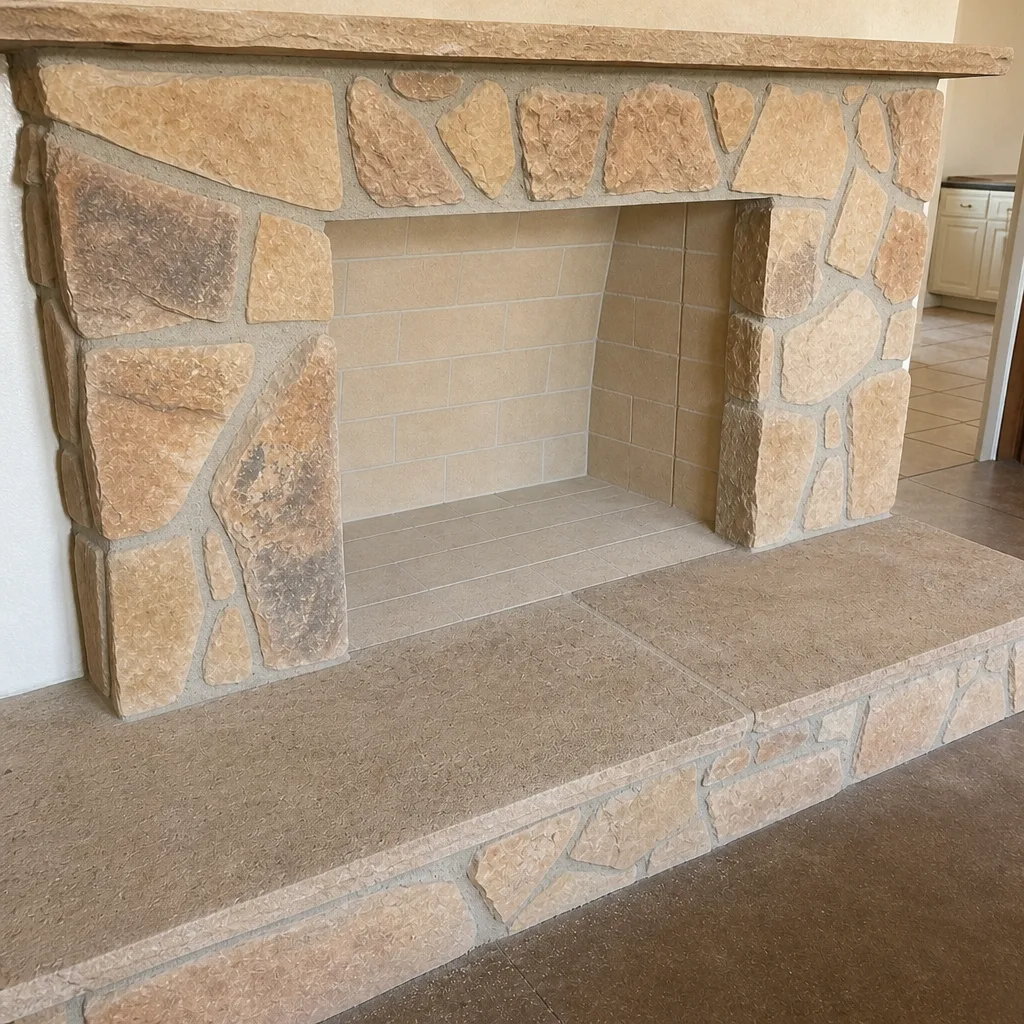
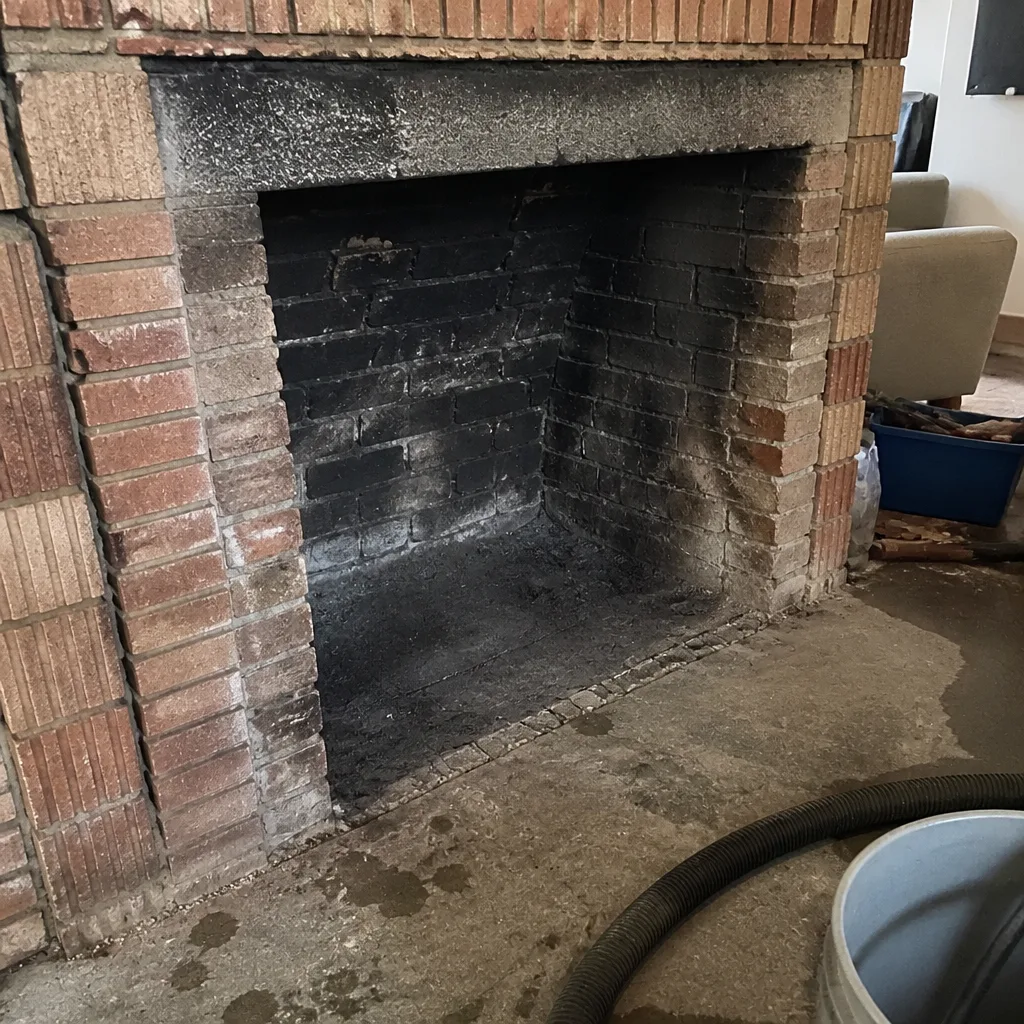
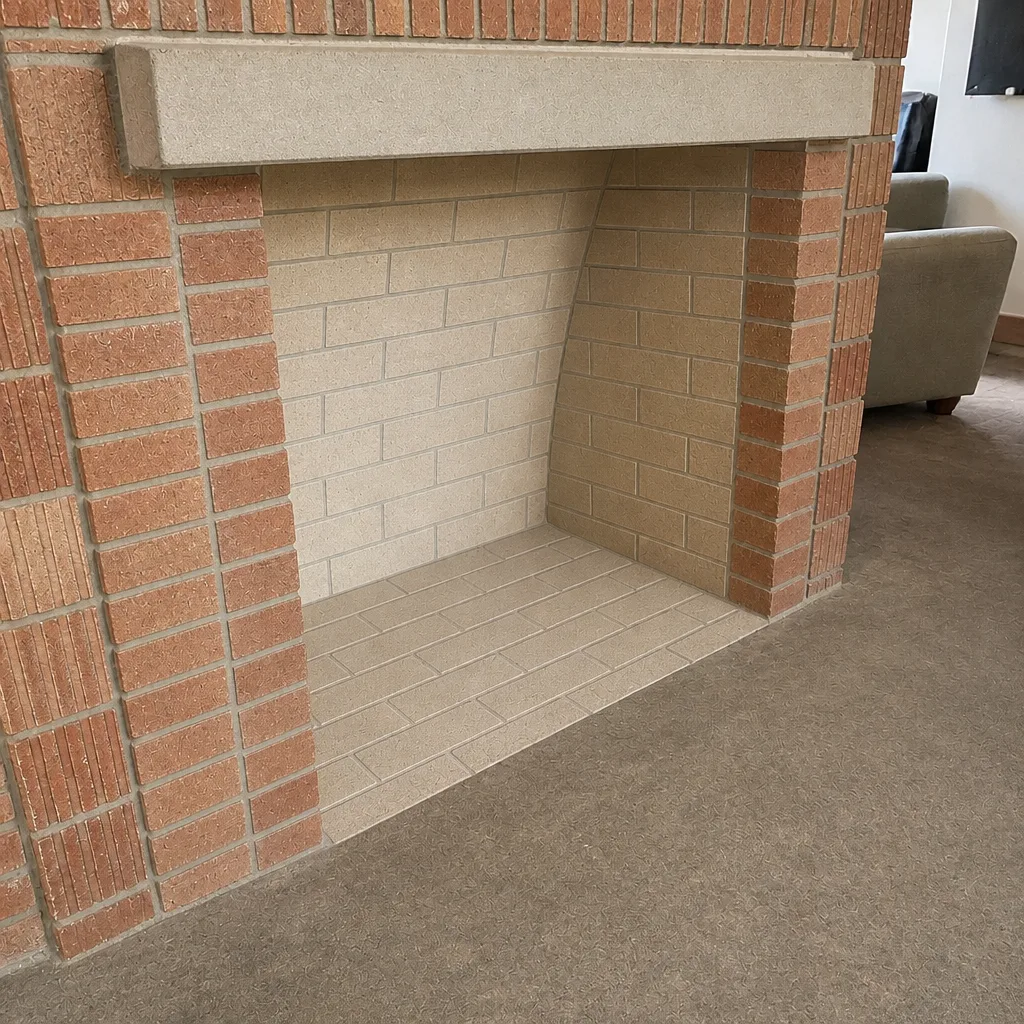
See the difference
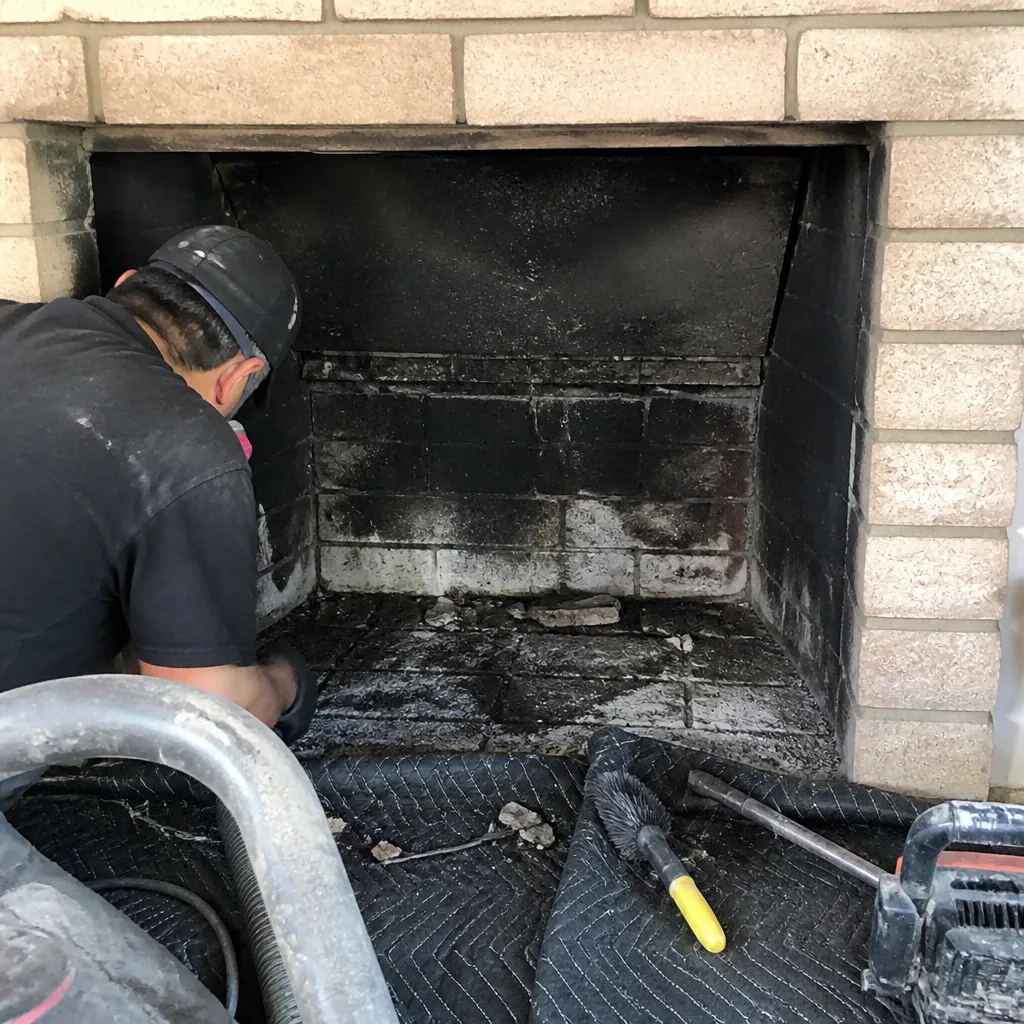 Before
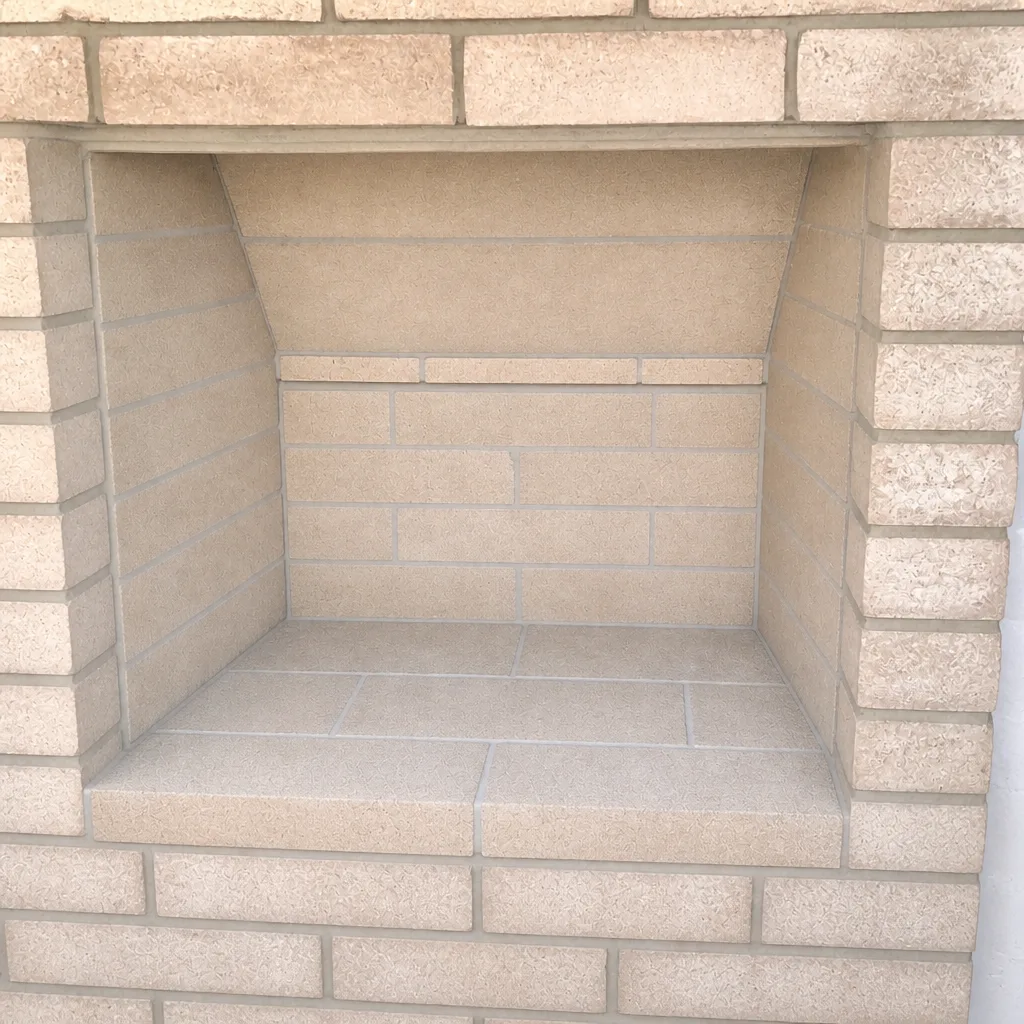 After
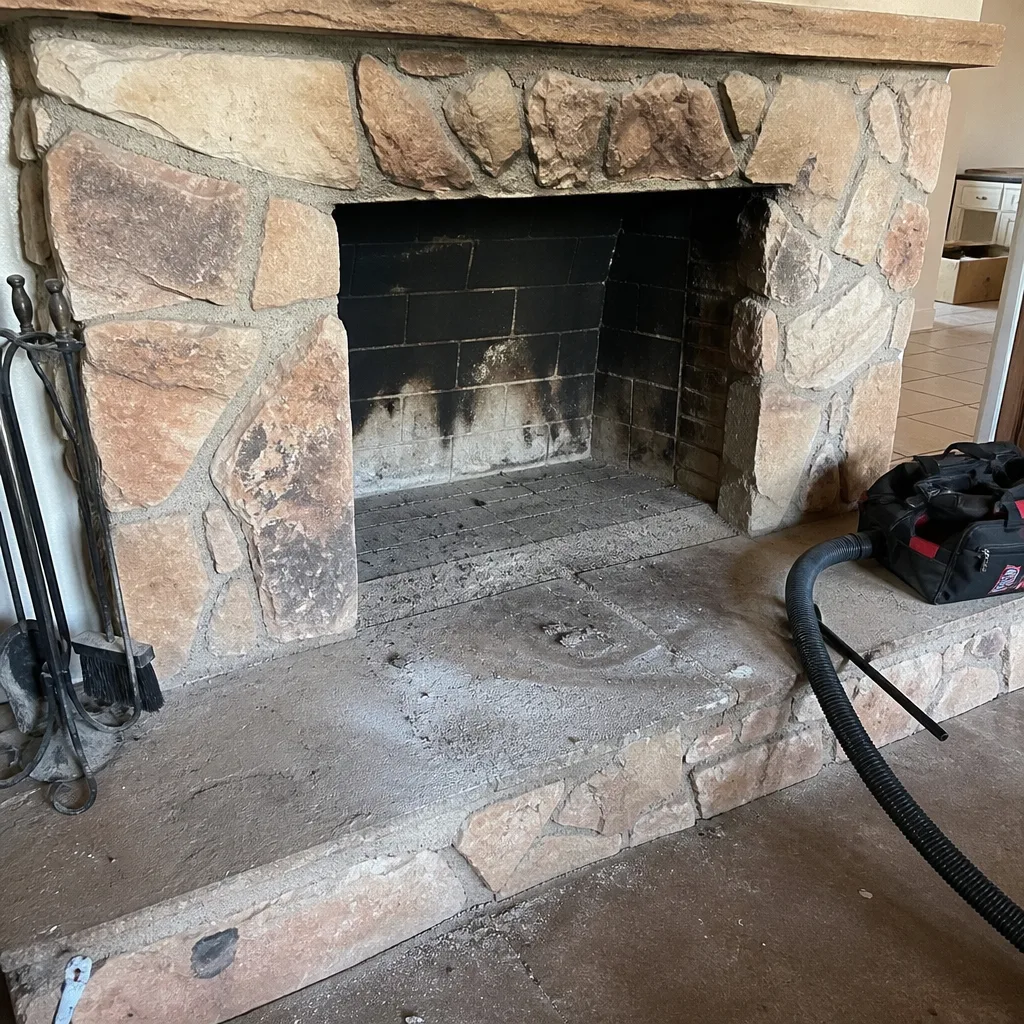 Before
 After
 Before
 After
Frequently Asked Questions
You can do the firebox sweeping, damper checks, exterior visual inspection, and cap screen clearing yourself. You can also brush a straight, clean flue if you own the right tools. What you can’t do is inspect the liner joints on camera, and that’s the part that catches the hazards. So yes, sort of – and the “sort of” is the reason most homeowners end up calling a pro once a year for the inspection.
Once a year is the working rule for a regularly used fireplace, and once a year is also a good interval for a fireplace that gets light use, because the dry climate doesn’t slow down debris buildup. A clean-burn fireplace with very little use can sometimes stretch the interval, but the inspection itself shouldn’t stretch – the camera check is the part that needs to happen annually. If you can’t remember the last inspection, that’s the answer. Call (833) 842-7310 for a free estimate.
Monsoon-deposited debris. Wind-driven dust, twigs, and grit enter through the cap and settle on the smoke shelf or first liner offset, higher than a brush pushed from below will reach. The blockage looks clear from the firebox, which is exactly the danger. A professional inspection sees it on camera and clears it with the right tool. That’s the Surprise-specific reason the inspection matters more than the brushing.
Only if the camera inspection shows damage – cracked joints, heat-damaged sections, or an unlined flue. A cracked joint can often be restored with HeatShield without a full reline, and an offset flue can accept a DuraFlex flexible liner where a rigid liner won’t fit. If the liner is sound, nobody should be selling you a reline. Ask to see the camera photos. Call (833) 842-7310 for a free estimate and a written opinion.
Creosote builds up on the flue walls and inside the smoke chamber, and monsoon debris stacks on the ledges. Creosote is the fuel that turns a small fire into a chimney fire, and debris is the blockage that makes the fire burn dirty and vent poorly. Neither problem announces itself. The chimney doesn’t tell you it’s one ignition away from trouble. It just works fine until it doesn’t.
In most Surprise homes, yes – the visit gets you a camera-verified inspection, a photo report, and a written estimate, and the cleaning is a byproduct of the inspection pricing. The DIY version is cheaper up front and skips the inspection entirely, which is the part you can’t replicate. If you want to keep doing your own firebox upkeep between professional visits, that’s a perfectly reasonable hybrid. Call (833) 842-7310 for a free estimate on a professional visit.
The Bottom Line
The DIY-versus-professional question comes down to what you can see versus what the camera sees. Firebox sweeping, damper checks, exterior inspections, and cap clearing are legitimate homeowner work, and worth doing between professional visits. The flue brushing, the liner camera inspection, and the repair work are not – not because homeowners can’t learn them, but because the equipment and the technique are what make them safe, and the inspection is the part that actually prevents fires. In Surprise, that means being honest about monsoon debris stacking higher than a brush can reach. Do the upkeep yourself. Call for the inspection. It’s the annual visit that earns its keep. Written by the team at Chimney Sweep Surprise.
If it’s been a year or more since your last inspection, or you’re not sure it’s ever happened, call (833) 842-7310 for a free estimate. We answer 24/7. Fast dispatch from 7am to 7pm, Sunday through Friday. One call covers cleaning, inspection, and repair – and if a repair is needed, we handle it on the spot with HeatShield restoration, DuraFlex liners, and professional-grade Gelco and Copperfield components. You’ll see the camera photos and the written estimate before anything is recommended, and you’ll know exactly when work can safely wait. That’s the call we’d want you to make for your own home in Surprise.