
Last updated November 14, 2026
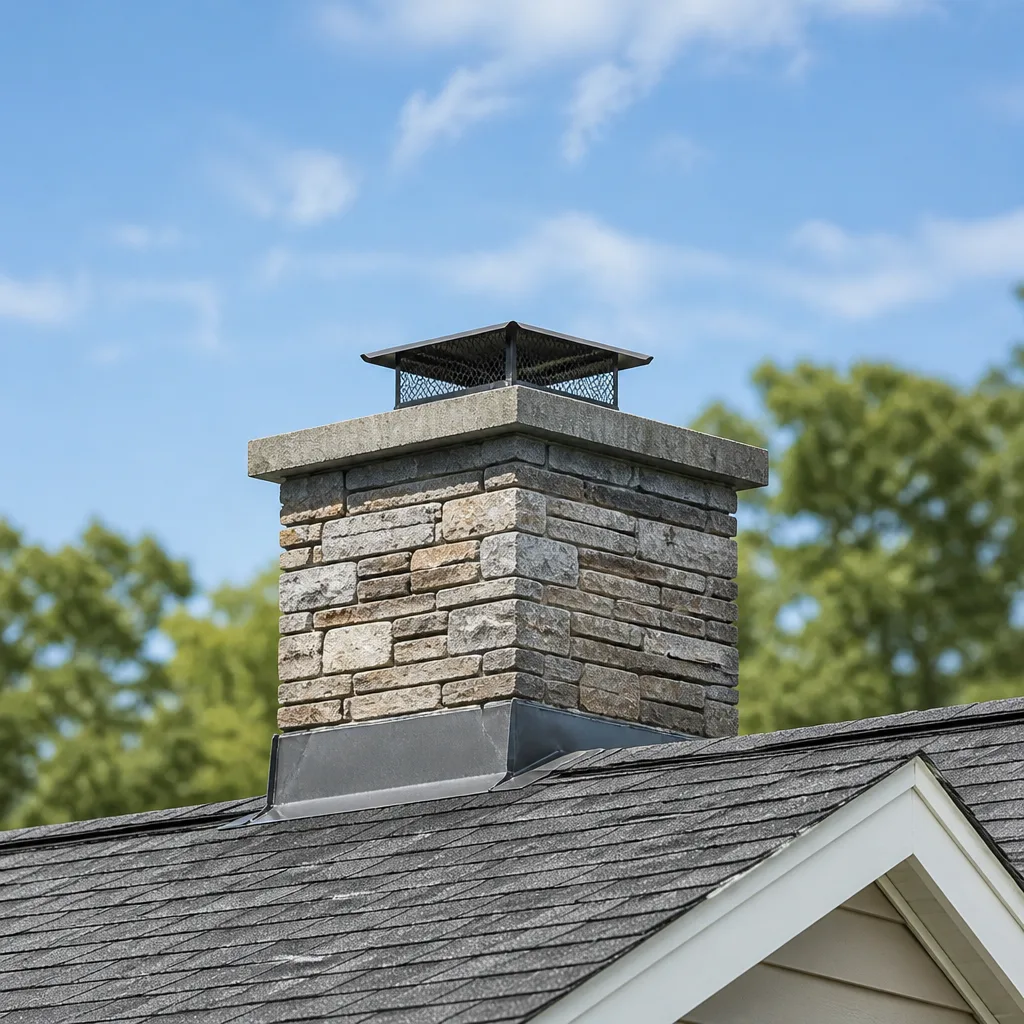 Sweep & inspection
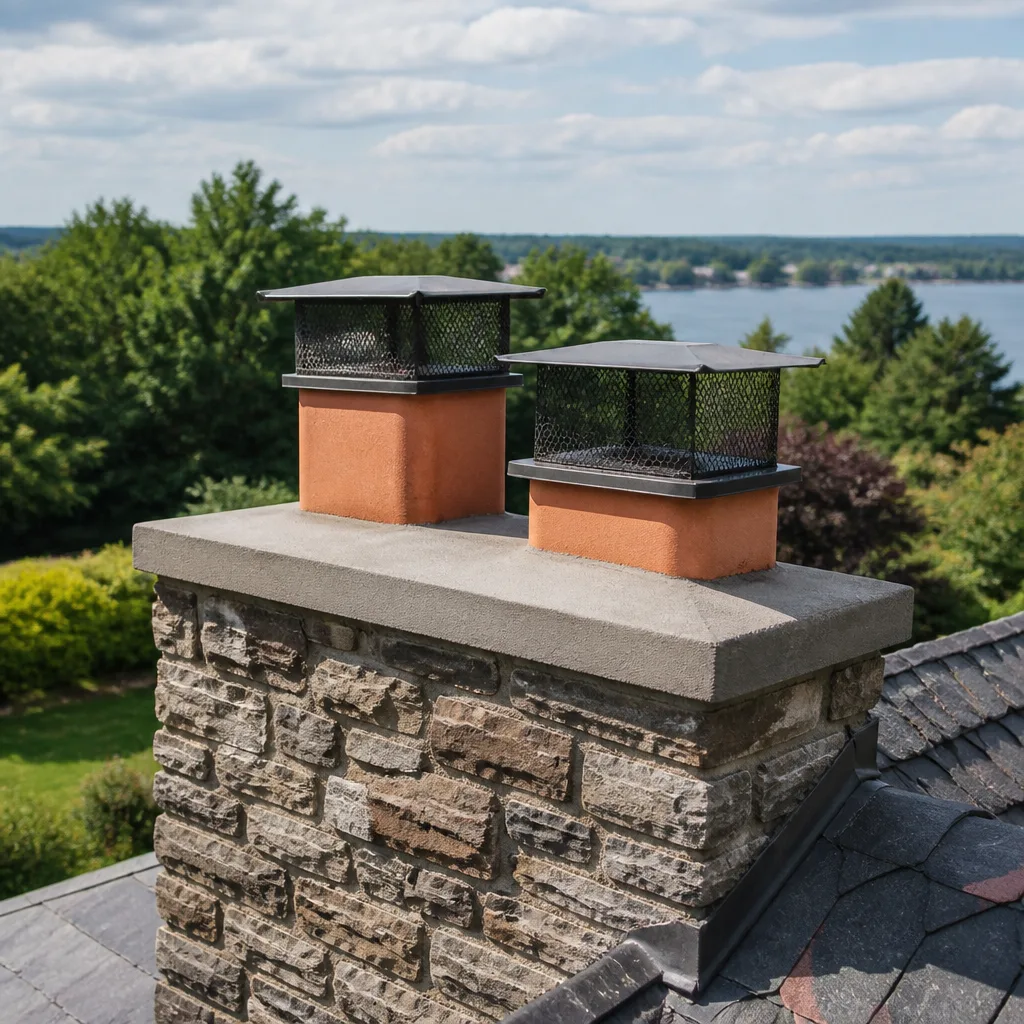 Caps & crowns
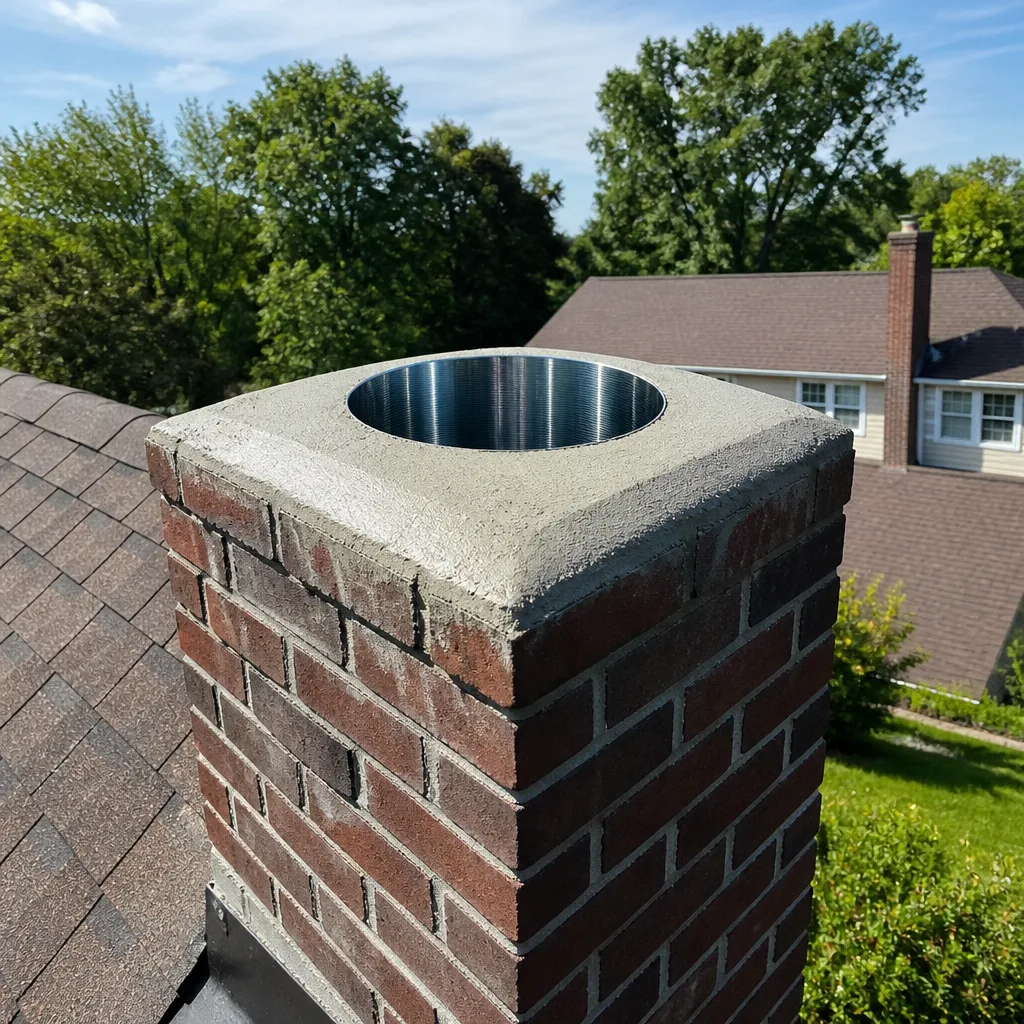 Flue relining
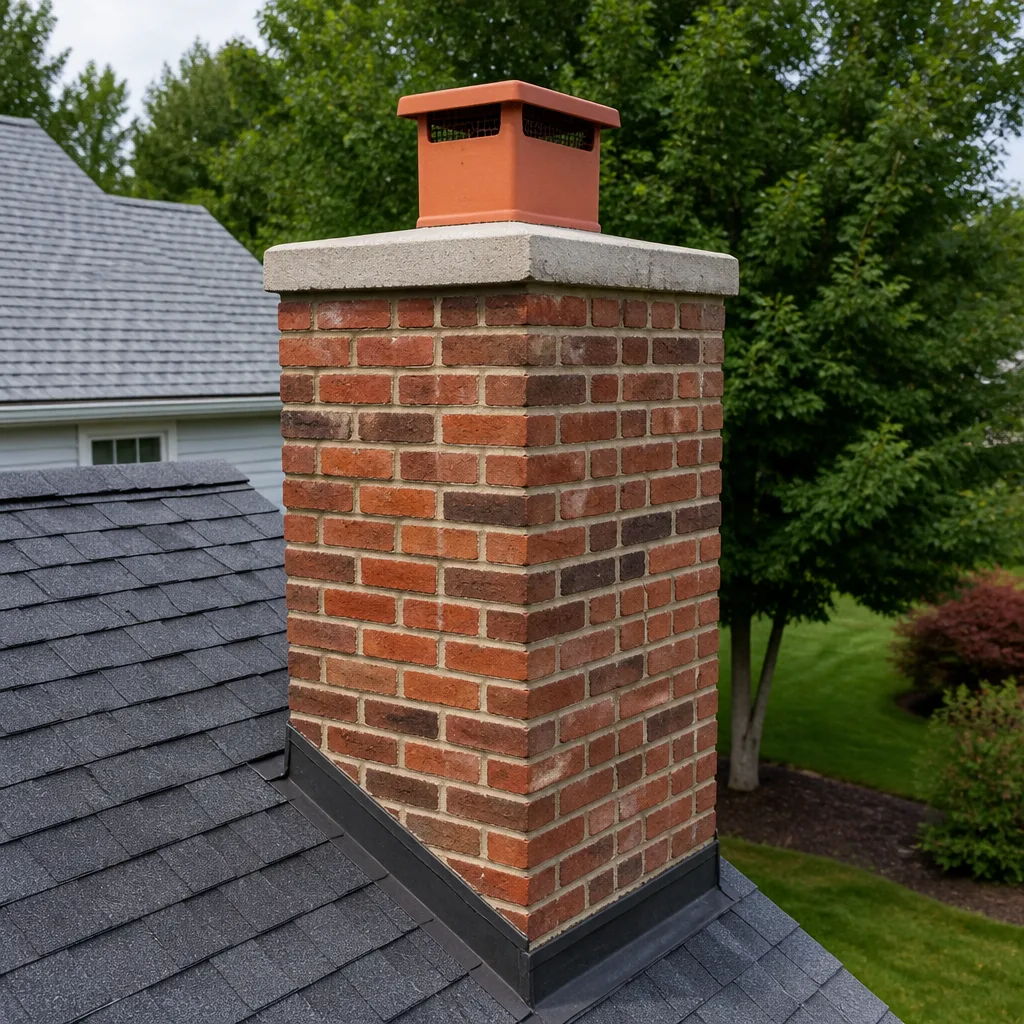 Masonry repair
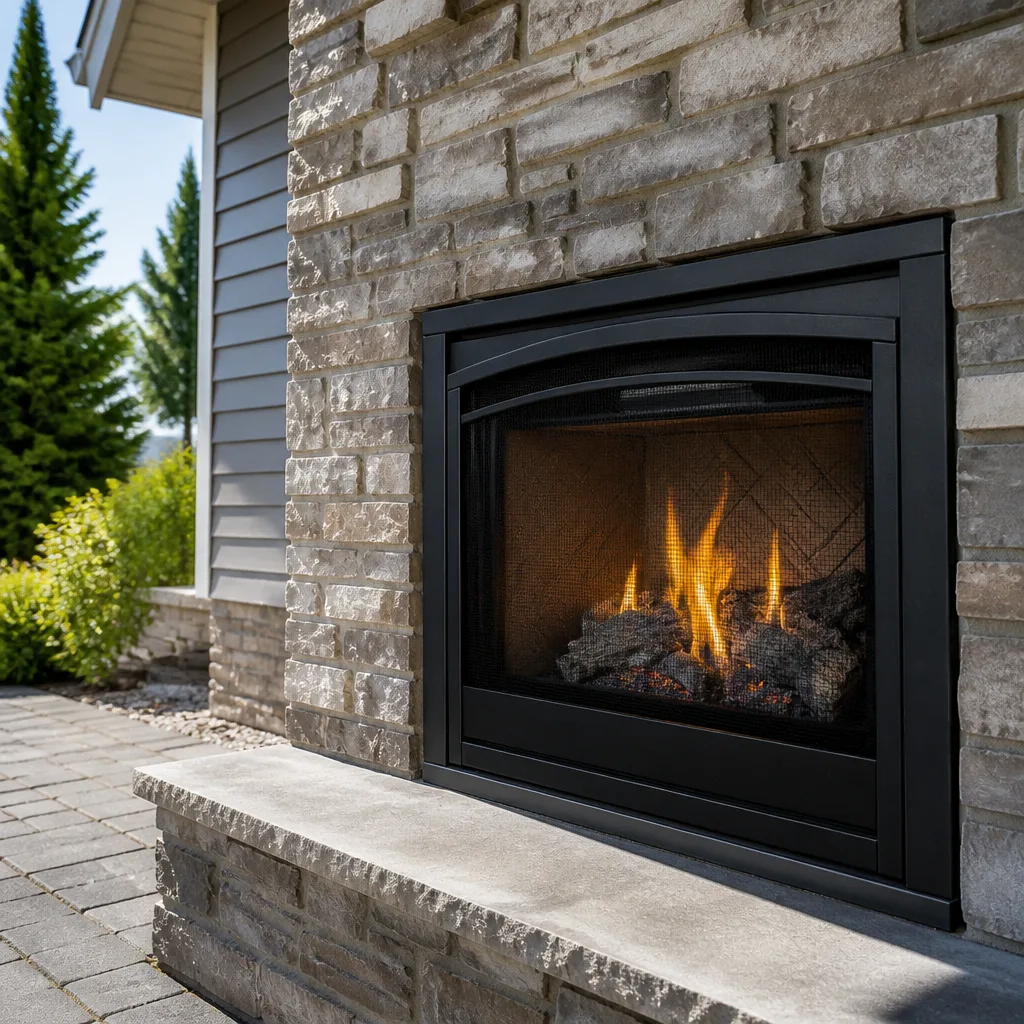 Gas fireplace service
Level 1 sweep and inspection to the NFPA 211 annual standard - flue, crown, cap, and flashing checked and photographed
Chimney sweep logs do not sweep chimneys. They loosen some creosote - which then falls where a brush and vacuum still have to collect it.
Seasonal Chimney Cleaning Care for Surprise: Year-Round Homeowner’s Guide
You haven’t used your fireplace since February. Your chimney has been busy the whole time. Most homeowners in Surprise treat the chimney as a winter appliance, something to think about when the first cool evening arrives. But the months between fires are when the real wear happens: summer heat works on mortar, monsoon rain finds every crack, and birds and rodents treat an open flue like an empty apartment. By the time you light the first fire, the damage is usually already in place. This guide walks you through what your chimney faces in each season in Surprise, what to check from the ground, and when to book a chimney sweep rather than putting it off.
Quick Answer
Chimney care in Surprise should follow the calendar, not the fire. The short, intense burn window means the sweep belongs in early fall, before October, not in December. The off-season is when heat, monsoon rain, and wildlife do their work, so a spring sweep to clear creosote before summer and a mid-monsoon look at the crown and cap protect the flue when nobody’s using it.
Styles & brands we work with
- Sweep & inspection
- Caps & crowns
- Flue relining
- Masonry repair
- Gas fireplace service
Table of Contents
- Why the Off-Season Matters More Than Fire Season in Surprise
- Summer: How 115°F Heat Ages Your Chimney
- Monsoon Season: Rain, Micro-Cracks, and the Crown
- Fall: Why You Book the Sweep Before October
- Winter: The Mid-Season Damper and Smoke Chamber Check
- Spring: The Post-Season Sweep That Saves the Liner
- Your Year-Round Chimney Calendar at a Glance
- Common Mistakes to Avoid
- When to Call a Professional
Why the Off-Season Matters More Than Fire Season in Surprise
Fire season gets the attention. It’s the part of chimney care you can smell and hear. What most homeowners miss is that the damage accumulates in the quiet months. A flue that survived a winter of fires can still be compromised by the time fall rolls around, and the culprit is rarely the fire itself. It’s the weather, the wildlife, and the long stretch of neglect in between.
In Surprise, the summer is the toughest test the chimney faces all year. Ambient temperatures that push toward 115°F bake the masonry from the outside while the flue sits empty, and the temperature swings between day and night work the mortar joints slowly loose. The monsoon season then follows, driving rain sideways against the crown and cap. Any hairline crack in the crown becomes a way in for water, and water is the slow enemy of every masonry chimney.
Wildlife is the other piece. An uncapped flue in Surprise is a ready-made cavity, and birds, squirrels, and the occasional rodent will take advantage of it. Nesting debris blocks the flue, and a blocked flue is a carbon monoxide risk the first time you light a fire. None of this shows up on your radar while you’re not using the fireplace.
Here’s the practical takeaway. A chimney that gets attention in spring and early fall will outlast one that only gets looked at when something goes wrong. We’ve seen the difference in flues across Surprise, and it comes down to timing more than anything else.
Summer: How 115°F Heat Ages Your Chimney
Summer is the season most homeowners forget about the chimney entirely, and it’s the season the masonry is under the most physical stress. The exterior of the chimney absorbs heat all day and radiates it back at night. The mortar joints expand and contract with that cycle, and over a full summer they work loose. This is normal wear. What matters is whether you catch it early.
You can check a lot from the ground with a pair of binoculars and a few minutes on a clear morning.
- Crumbling mortar joints: Look at the vertical and horizontal lines between the bricks. If the mortar looks sandy, recessed, or washed out, it’s failing. That’s the earliest sign the chimney is losing structural cohesion.
- Spalling brick faces: When the face of a brick flakes or pops off, moisture has been getting behind it. In Surprise, this often shows on the sun-facing side of the chimney first.
- White staining: A chalky white deposit on the brick is called efflorescence. It’s a sign moisture has moved through the masonry and left salts behind on the surface.
- Crown condition: The crown is the concrete cap at the top. If it’s cracked, chipped, or pulling away from the flue, water is getting in below it.
- Loose flashing: Where the chimney meets the roof, the metal flashing should be tight. Any gap or lifted edge is an entry point.
Summer is also when the creosote left over from last winter has had months to harden. Glazed creosote, the shiny, tar-like stage, is much harder to remove than the soft, flaky kind. The longer it sits through the heat, the more it bakes onto the liner. That’s the reason we recommend a post-season sweep in spring rather than waiting until fall.
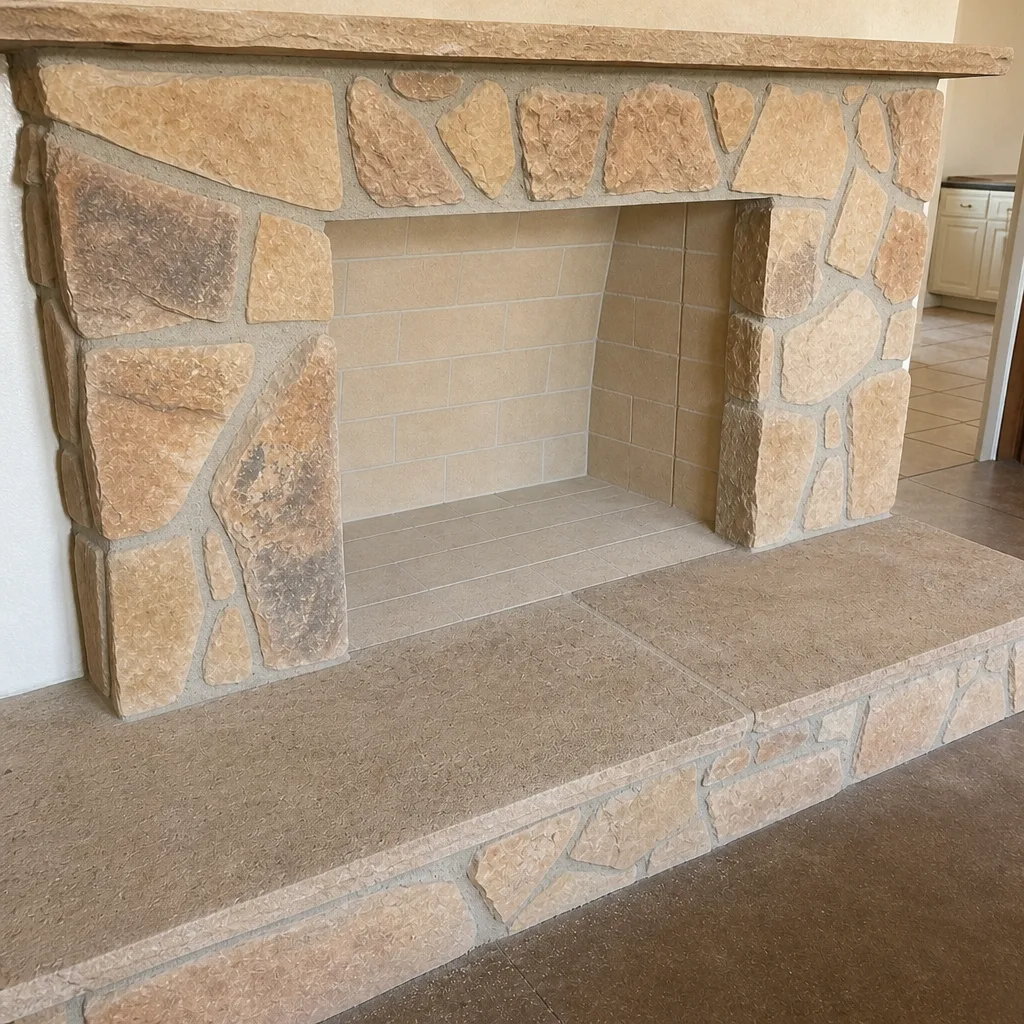
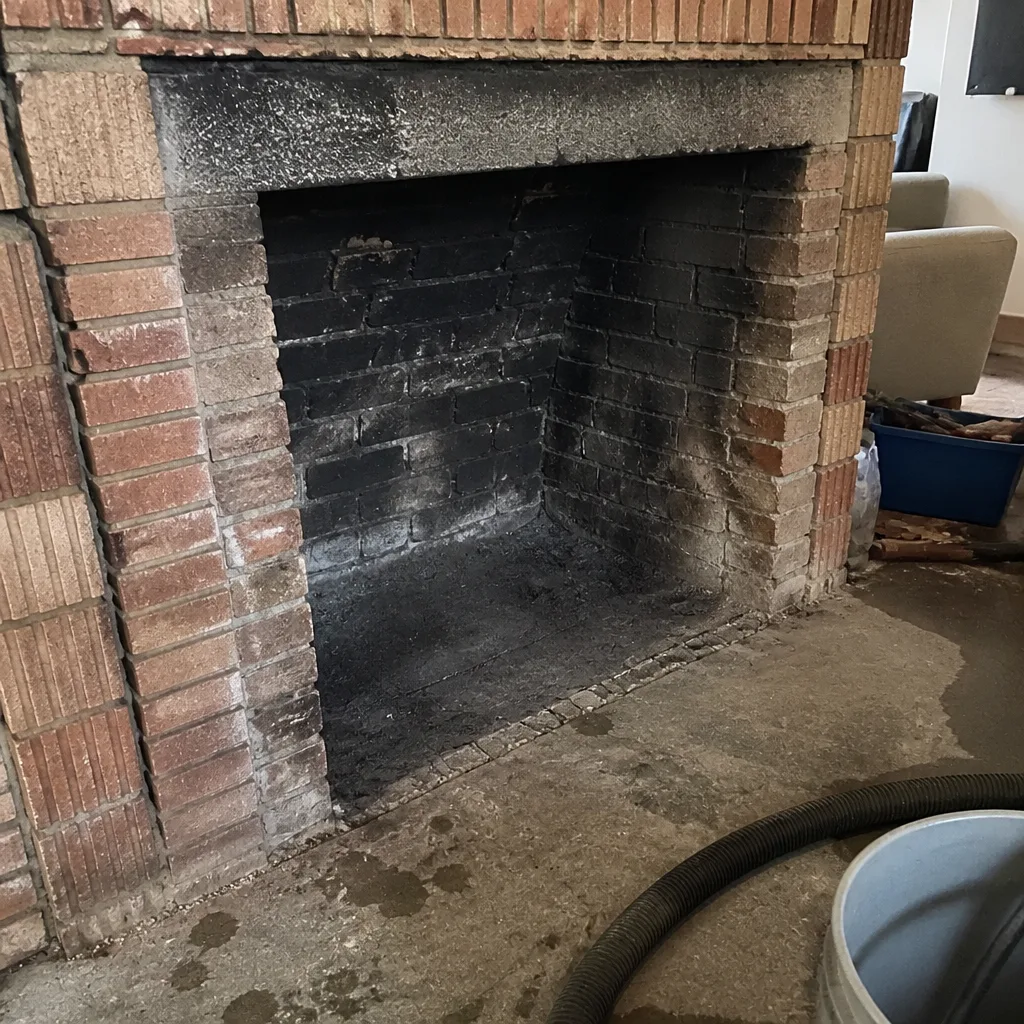
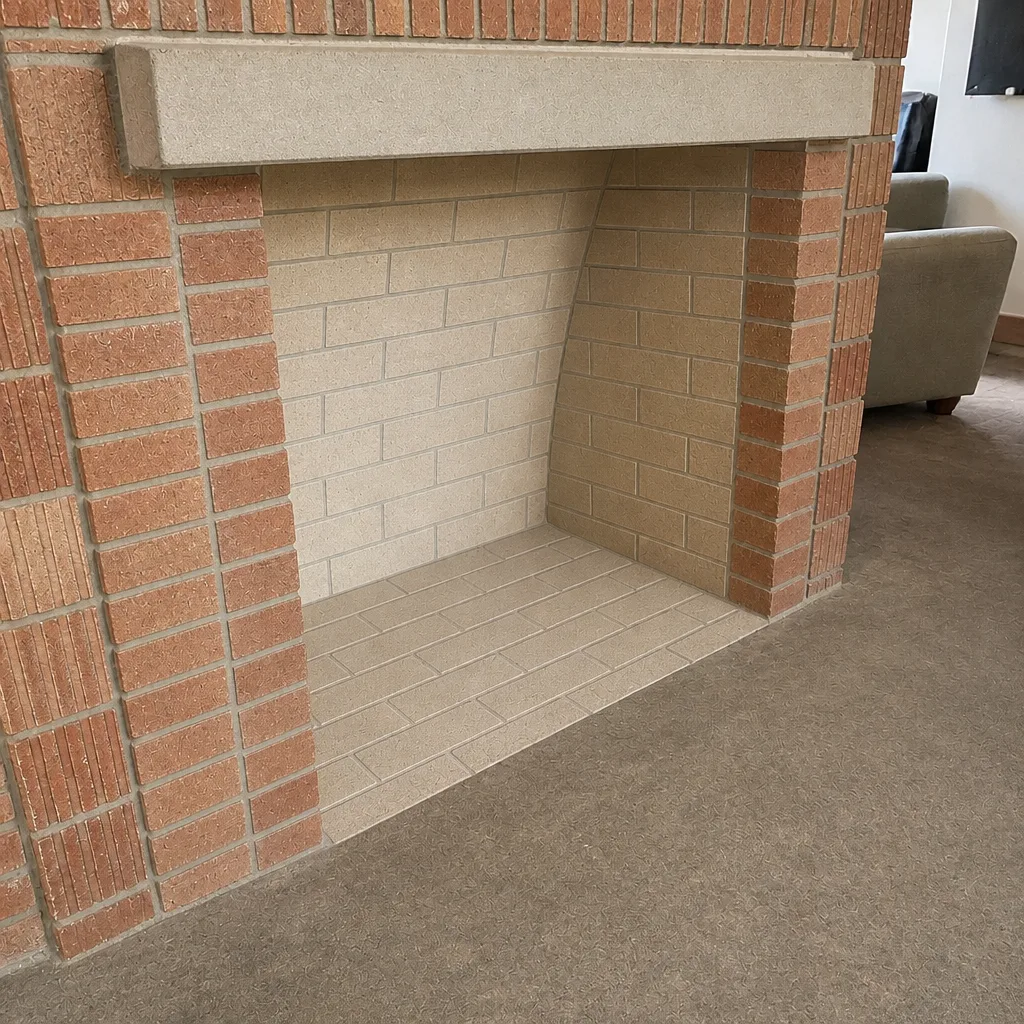
If you see failing mortar or a cracked crown in summer, it’s fixable before it spreads. HeatShield restoration can rebuild the flue joints and firebox surface without a full demolition, which is a much less disruptive path than waiting for the chimney to need a rebuild. We can look at what the summer heat has done and tell you plainly what needs attention and what can wait.
Monsoon Season: Rain, Micro-Cracks, and the Crown
Monsoon season is the part of the year that punishes a chimney most. The rain doesn’t fall gently in Surprise. It arrives in driving sheets, often sideways, and it hits the chimney with real force. A crown with a hairline crack the width of a fingernail can let in enough water over a single storm to soak the masonry several inches deep.
Water in a masonry chimney is a slow problem with three consequences. First, it breaks down the mortar from the inside, weakening the joints that hold the bricks together. Second, it rusts the damper, the firebox, and any metal components in the flue, especially if the chimney has a steel liner. Third, it can freeze overnight on the rare cold nights in winter and expand inside the masonry, widening the cracks it came in through.
The single most effective protection against monsoon damage is a properly fitted chimney cap. A cap does two jobs: it keeps rain out of the flue opening and it blocks wildlife from getting in. For homeowners who aren’t ready for a permanent cap, a temporary cover during the monsoon months is a reasonable stopgap, but it’s not a substitute for a fitted cap that vents correctly.
Here’s how to check your crown after a monsoon storm:
- Look at the crown from the ground with binoculars. Run your eye along the edges where the crown meets the flue.
- Check for visible cracks, chips, or any gap where the crown has pulled away from the flue tile.
- Look at the brick below the crown for dark streaks or efflorescence, both of which suggest water is moving through.
- If you can safely look inside the firebox, check for dampness, rust on the damper, or water staining on the smoke chamber.
- If anything looks off, schedule an inspection before the next storm rather than after.
A crown repair is one of the least expensive fixes in chimney work and one of the most protective. If the crown is cracked, we can rebuild it with a proper slope so water sheds away from the flue instead of sitting on top of it. That single repair prevents most of the water damage a Surprise chimney will ever see.
Fall: Why You Book the Sweep Before October
Fall is when most homeowners in Surprise start thinking about the fireplace. In most of the country, that means booking a sweep in October or November and getting on a schedule that runs right up to the holidays. In Surprise, the calendar is tighter. The fire season here is short and intense: a few months of cool evenings when the fireplace actually gets serious use. If you wait until December to book, you’re already behind, and the creosote from last winter has been sitting in the flue all summer.
The right move is to book the sweep in early September or before October. That gives you three things.
- A clean flue before the first fire. You start the season with a sweep, not with the creosote from last year compounding.
- Time to fix what the sweep finds. If the inspection turns up a damaged damper, a cracked crown, or a flue joint that needs HeatShield restoration, you have weeks to get it handled before you need the fireplace.
- A slot on the schedule. Booking before the fall rush means you get the date you want, not whatever’s left in mid-December.
The other reason fall matters is the operating check. A chimney that gets used through the mild burn window needs a proper damper and smoke chamber test before the season starts. The damper should open and close smoothly, the smoke chamber should be free of soot and debris, and the flue should draw cleanly. None of this is hard to check, and it’s much easier to fix in September than in the middle of a cold evening.
If you’re not sure whether you need a sweep, the answer is usually yes if you burned last season and haven’t had one since. The standard guidance is to have the chimney inspected once a year and swept as needed. Our technicians have up to 9 years of experience and can tell you honestly whether the flue needs a sweep or just a look.
Winter: The Mid-Season Damper and Smoke Chamber Check
Winter in Surprise is the season the chimney actually works. Because the burn window is short, homeowners tend to use the fireplace more heavily during the months it’s in service. That means more fires per week, more creosote production, and more stress on the damper and smoke chamber than the calendar would suggest. A mid-season check keeps things healthy through the whole burn window.
The damper is the part that gets the most use. It’s a metal plate that opens and closes to control airflow, and every fire moves it. A damper that sticks, warps, or doesn’t seal properly is a problem both ways: open when it shouldn’t be, it lets heat out of the house; closed when it shouldn’t be, it traps smoke and carbon monoxide in the room. If the damper feels stiff or slams shut, that’s worth a look.
The smoke chamber is the sloped area above the damper where smoke collects before it goes up the flue. It’s the part of the chimney most often ignored, and it’s also where creosote tends to build up first. A rough smoke chamber surface catches soot and slows the draft. If your fireplace has started smoking into the room or the smell of creosote lingers after a fire, the smoke chamber is one of the first places to check.
Mid-season checks are short. We look at the damper movement, the firebox condition, the smoke chamber surface, and the flue from the top. If we find a problem, we can address it on the same visit. That’s the practical benefit of working with a company that does repair as well as cleaning: you don’t have to schedule a separate appointment for the fix.
Winter is also the season for the carbon monoxide question. Any time the flue is partially blocked or the draft is compromised, carbon monoxide can back up into the living space. A working carbon monoxide detector on every level of the home is the baseline. A chimney that gets checked mid-season is the belt to that suspenders.
Spring: The Post-Season Sweep That Saves the Liner
Spring is the single most important season for chimney care in Surprise, and it’s the one almost nobody books. Once the fireplace is done for the year, the chimney gets forgotten until fall. That’s exactly backwards. The creosote that built up during the winter sits in the flue all summer and bakes into the liner surface under the summer heat. The longer it stays, the harder it is to remove, and the more it degrades the liner underneath.
A spring sweep does three things that a fall sweep can’t.
- It removes fresh creosote before it hardens. Soft, flaky creosote from the winter season is easy to brush out. Once it’s been through a summer, it can reach the glazed stage, and glazed creosote requires a much more aggressive removal method.
- It gives the inspection a clean flue to work with. A spring inspection sees the liner, joints, and crown without a layer of soot obscuring the surface. That makes it easier to catch small problems before they grow.
- It clears any debris from the winter. Nests, leaves, and debris that got into the flue during the fall and winter all get cleared out in one visit, so nothing sits in the flue all summer.
The liner is the part that benefits most. A clay tile liner is durable but not indestructible, and a steel liner can be damaged by prolonged contact with acidic creosote. Removing the creosote in spring gives the liner a clean, dry summer to recover. If the inspection turns up a liner that’s cracked or deteriorated, a DuraFlex flexible liner can often be installed where a rigid system won’t fit, particularly in flues with offsets or bends. That’s a real advantage when the alternative is a full rebuild.
Spring is also the right time to schedule dryer vent cleaning. The dryer works year-round, but the lint buildup peaks in spring and summer when laundry loads are heaviest. Clearing both venting systems in one visit is the most efficient way to handle it.
Your Year-Round Chimney Calendar at a Glance
Here’s the full year on one page. This is the schedule that works for a home in Surprise with a wood-burning fireplace or a gas insert.
- Spring (March through May): Post-season sweep to remove winter creosote before summer heat hardens it. Full inspection of the liner, crown, and flashing. Dryer vent cleaning at the same appointment if it’s due.
- Early summer (June): Ground-level check of the mortar, brick faces, and crown. Look for efflorescence, spalling, and hairline cracks before the heat intensifies.
- Monsoon (July through September): Confirm the cap is fitted and the crown is sound before the storms arrive. Check the crown and flashing after any major storm. A temporary cover is a reasonable stopgap if a permanent cap isn’t in place yet.
- Fall (September through October): Book the sweep before October, not after. Damper and smoke chamber check. Repair any issues the sweep finds while there’s still time before the burn window opens.
- Winter (November through February): Burn season. Mid-season check of the damper, smoke chamber, and draft. Watch for smoke coming into the room or a lingering creosote smell.
The calendar isn’t rigid. Homes that burn every evening will need more frequent sweeps than homes that light a fire a few times a month. But the seasonal structure holds: sweep in spring, check in summer, protect in monsoon, book in fall, watch in winter.
Common Mistakes to Avoid
- Skipping the spring sweep because the fireplace is done for the year. This is the most common mistake we see in Surprise. The creosote from the winter bakes into the liner all summer, and by fall it’s much harder and more expensive to remove.
- Booking the sweep in December instead of September. The fire season here is short, so waiting until December means you’re burning a dirty flue or you’re on a waiting list. Book before October and you get the flue clean before the first fire.
- Ignoring the crown until it fails. A hairline crack in the crown lets in monsoon water, which breaks down the mortar behind it. Crown repair is one of the least expensive fixes in chimney work; a rebuild is not.
- Leaving the flue uncapped through summer and monsoon. An open flue is an invitation to birds, squirrels, and rain. A fitted cap protects the flue year-round and costs far less than clearing a nest or repairing water damage.
- Burning unseasoned or green wood. Wet wood produces far more creosote than dry, seasoned wood. In Surprise, the dry climate means properly stored wood dries well, so there’s no reason to burn anything else.
- Skipping the annual inspection because the fireplace “seems fine.” Most chimney problems don’t announce themselves. A cracked flue liner or a failing damper can sit undetected for a season, and the annual inspection catches it before it becomes a safety issue.
- Treating the dryer vent as a separate job. The dryer vent is the second venting fire risk in the home. Getting it cleaned at the same appointment as the chimney sweep saves time and keeps both systems on the same schedule.
When to Call a Professional
Some chimney care is seasonal and predictable. Some of it needs a call. If you see crumbling mortar, spalling brick, a cracked crown, or water staining on the chimney exterior, call rather than wait for the next scheduled visit. If smoke backs into the room during a fire, if you smell creosote after the fire is out, or if the damper is stiff or doesn’t seal, those are signs the flue needs attention now. If a bird or animal has gotten into the flue, or the chimney hasn’t been swept in over a year, book the sweep before the next fire. Chimney Sweep Surprise offers free estimates in Surprise. Call (833) 842-7310. We answer 24/7. Fast dispatch from 7am to 7pm, Sunday through Friday.
See the difference
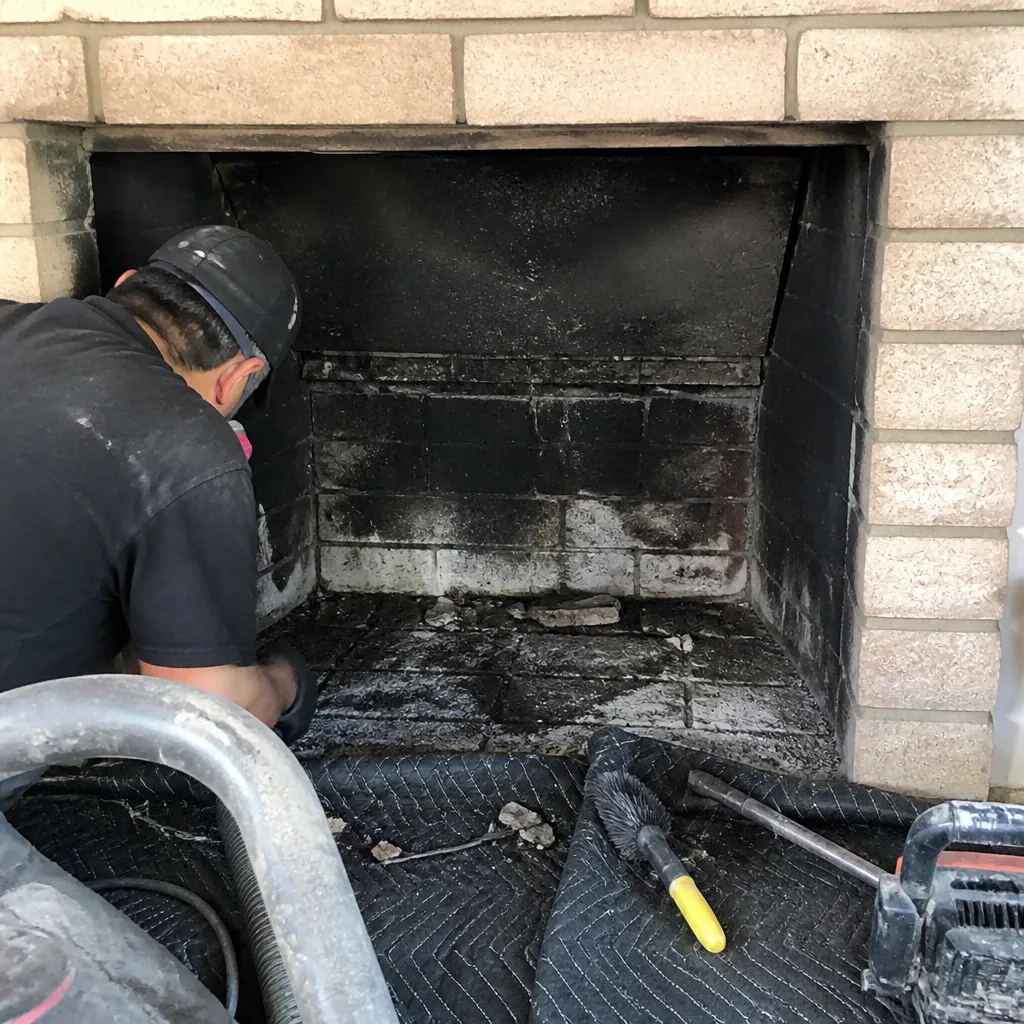 Before
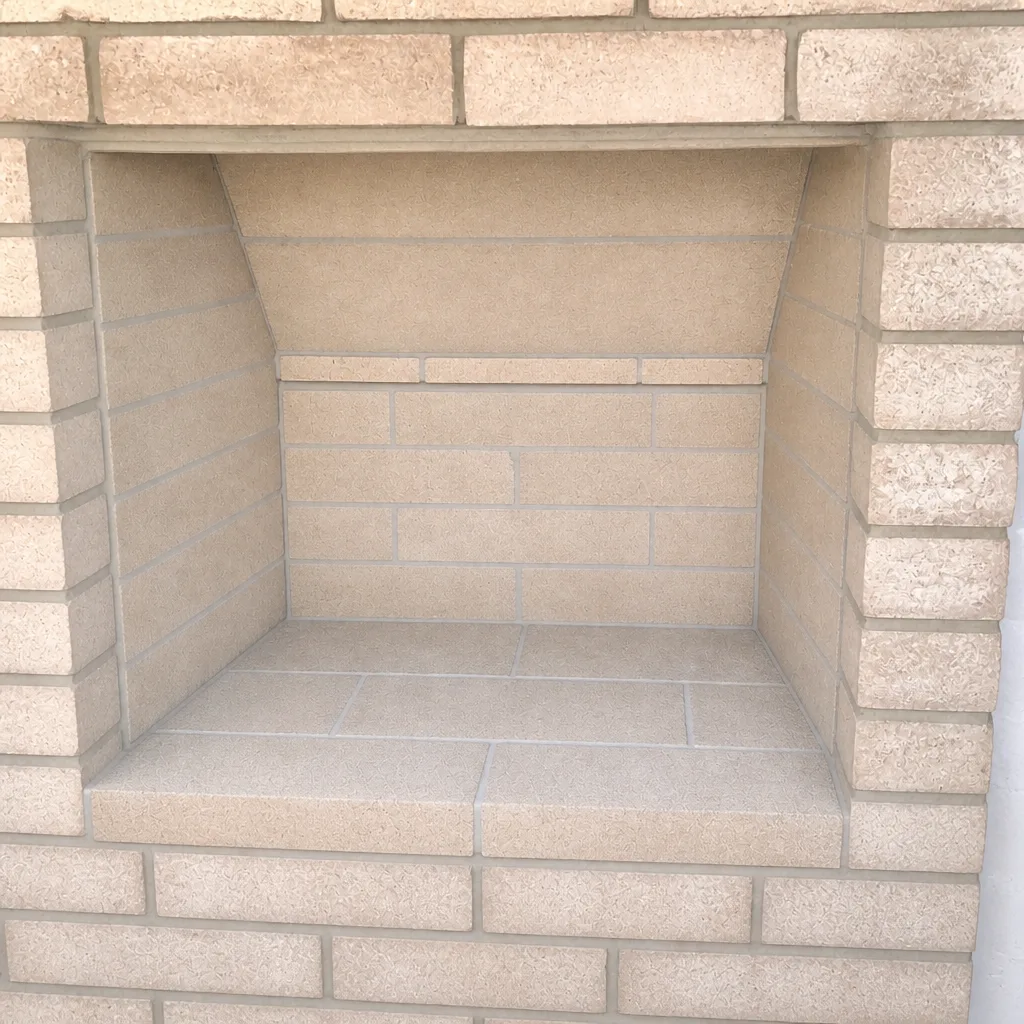 After
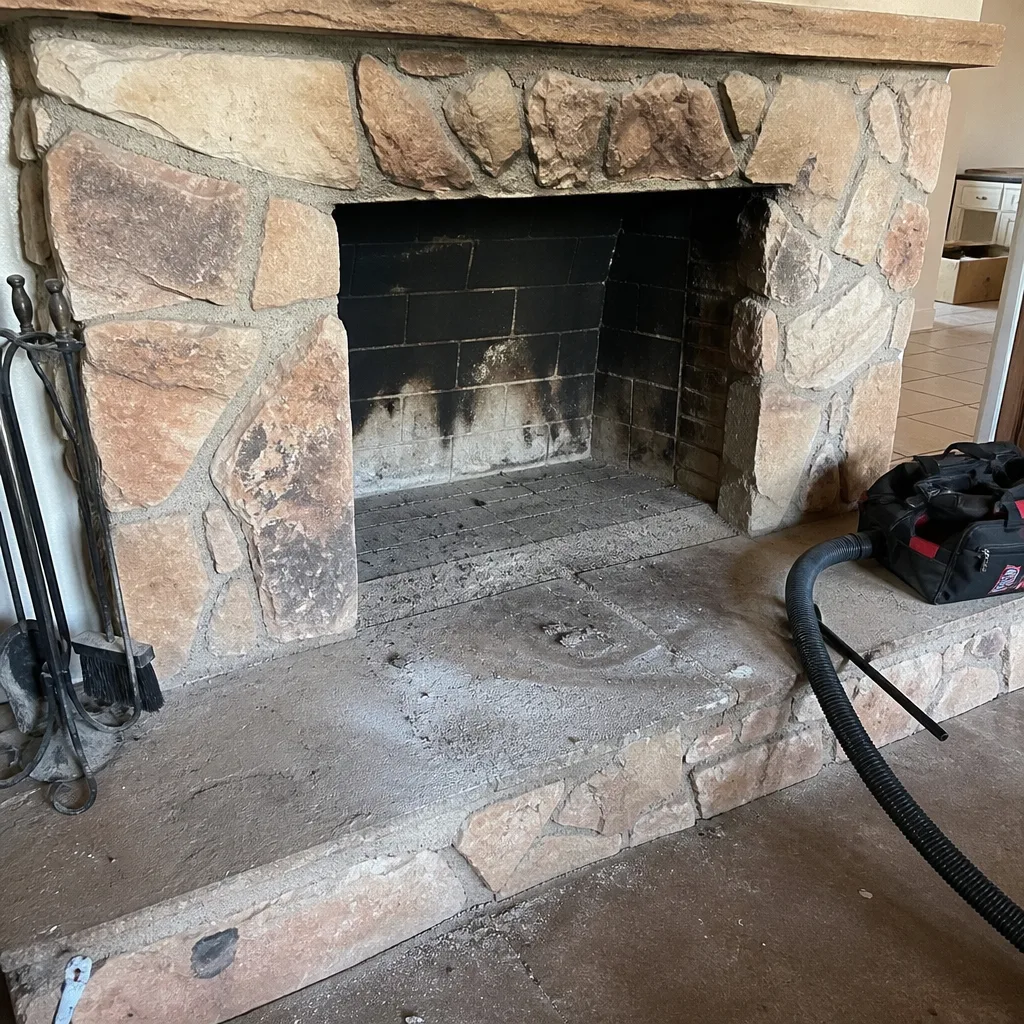 Before
 After
 Before
 After
Frequently Asked Questions
Once a year for most homes, and more often if you burn frequently during the winter season. The standard guidance is an annual inspection and a sweep as needed, and the spring post-season sweep is the one that matters most in Surprise because it removes creosote before summer heat hardens it. Call (833) 842-7310 for an exact quote, and estimates are free.
Not always, and we don’t recommend one without camera evidence you can see for yourself. A liner only needs replacing when the inspection shows cracks, gaps, or deterioration that would let creosote or carbon monoxide escape. If a repair is a better path, HeatShield restoration can often fix flue joints and the firebox surface without a full rebuild. Call (833) 842-7310 to have the flue inspected and find out what it actually needs.
The creosote left from the winter sits in the flue through the summer and can reach the glazed stage as the heat bakes it onto the liner. Glazed creosote is much harder to remove and does more damage to the liner over time. A spring sweep is the simplest way to avoid that. Call (833) 842-7310 to book one.
Yes, and the damage comes through cracks you can barely see from the ground. Driving rain gets into hairline crown cracks and soaks into the masonry, which breaks down the mortar joints behind it. A fitted chimney cap and a sound crown are the two things that prevent most of this. Call (833) 842-7310 for an inspection before the next monsoon season.
Yes. We offer chimney sweeping, chimney repair, and dryer vent cleaning, so both venting systems in your home can be handled in one visit. That matters because the dryer vent is one of the leading residential fire risks, and most homeowners don’t think to schedule it. Call (833) 842-7310 to book both together.
Don’t try to smoke it out or light a fire. A blocked or obstructed flue is a carbon monoxide risk, and a live animal in the chimney is a problem to be removed, not burned out. Get a professional to clear it, and install a chimney cap so it doesn’t happen again. Call (833) 842-7310 to schedule the removal and the cap installation.
The Bottom Line
The chimney in your Surprise home is working even when the fireplace isn’t. Summer heat ages the mortar, monsoon rain finds every crack in the crown, wildlife treats an open flue as a home, and creosote left over from winter bakes onto the liner all season long. The homeowner who pays attention to the off-season is the one whose chimney is still in shape when the first cool evening arrives. Sweep in spring, check in summer, protect in monsoon, book before October, and watch through the burn window. That’s the whole guide in one sentence. If you’d rather have a professional look at it, we’re here. Chimney Sweep Surprise handles cleaning, repair, and dryer vents, and we work with trusted brands like DuraFlex, HeatShield, and Olympia Chimney. Call (833) 842-7310 for a free estimate. We answer 24/7. Fast dispatch from 7am to 7pm, Sunday through Friday.
Written by the team at Chimney Sweep Surprise.